Back Surgery for Spinal Stenosis: Procedure, Recovery and Results

Spinal stenosis surgery primarily relieves pressure on spinal nerves rather than reversing all age-related spine changes. Decompression procedures such as laminectomy are common; fusion may be added when stability is a concern.
Key Takeaways
- Spinal stenosis surgery primarily relieves pressure on spinal nerves rather than reversing all age-related spine changes.
- Decompression procedures such as laminectomy are common; fusion may be added when stability is a concern.
- Many patients stand and walk with support soon after surgery, but full recovery takes weeks to months.
- Pain control, gradual activity, wound care, and rehabilitation are important parts of safe recovery.
- Urgent assessment is needed for new bladder or bowel control problems, saddle-area numbness, or rapidly worsening weakness.
Back surgery for spinal stenosis is usually considered when narrowed spaces in the spine continue to compress nerves and cause disabling leg pain, weakness, or walking limitation despite appropriate nonsurgical treatment. Most operations aim to create more room for the nerves; recovery, benefits, and risks depend on the spinal level, procedure, overall health, and whether fusion is needed.
Overview: What Back Surgery for Spinal Stenosis Does
Back surgery for spinal stenosis is designed to relieve pressure on spinal nerves when a narrowed spinal canal causes persistent symptoms and non-surgical treatment has not provided enough improvement. The central goal is usually to improve leg pain, walking tolerance, numbness, or weakness; it is not always intended to eliminate every source of back pain.
Spinal stenosis can occur in the lower back (lumbar spine) or neck (cervical spine). In lumbar stenosis, symptoms often include pain, heaviness, tingling, or weakness in one or both legs that develops with standing or walking and improves with sitting or bending forward. The decision to operate is based on symptoms, examination findings, imaging, daily function, and the person’s preferences—not an imaging scan alone.
For many people, non-surgical options such as activity modification, physiotherapy, medicines, and selected injections are tried first. Surgery may become appropriate when symptoms remain limiting, nerve problems progress, or quality of life is substantially affected. A specialist can also assess related causes of nerve symptoms, including a herniated disc, which may require a different surgical approach.
How It Works and Who May Be a Candidate
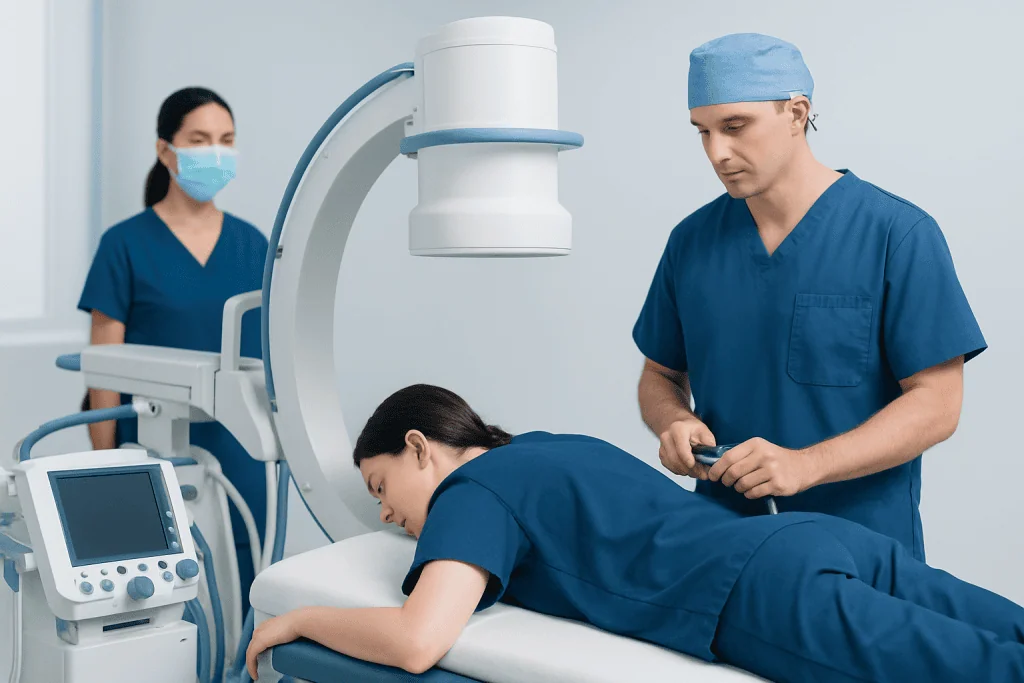
Stenosis develops when structures around the spinal canal reduce the room available for nerves. These structures may include enlarged facet joints, thickened ligaments, disc bulges, bone spurs, or a vertebra that has shifted relative to the one below it. Decompression surgery removes or reshapes selected tissue and bone to make more space for compressed nerves.
A person may be a candidate if they have leg-dominant pain or neurogenic claudication that limits walking, nerve-related weakness or numbness that matches imaging findings, or ongoing symptoms despite a well-planned course of conservative care. Surgery may also be discussed sooner when there is progressive neurological loss. The expected benefit should be clear enough to justify the risks and recovery involved.
Before recommending surgery, the care team considers the location and severity of narrowing, spinal alignment and stability, prior operations, bone health, medical conditions, smoking status, medicines, and rehabilitation needs. Some people benefit from decompression alone, while others need stabilization in addition to decompression. The most suitable plan is individualized after shared decision-making.
Types of Surgery and the Step-by-Step Procedure
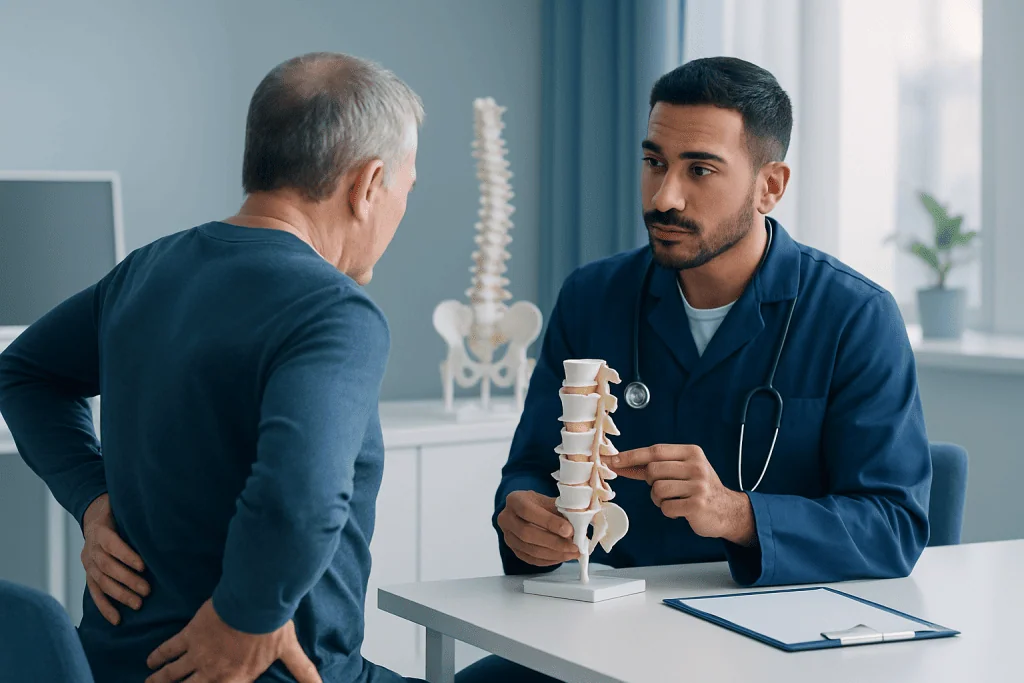
The most common operation for lumbar stenosis is a decompression, often called a laminectomy. During this procedure, the surgeon removes part of the lamina—the back portion of a vertebra—and may remove thickened ligament or small amounts of bone that are narrowing the nerve space. A laminotomy removes only a smaller portion of the lamina, while a foraminotomy enlarges the opening where a nerve exits the spine.
If a disc fragment is contributing to nerve compression, the procedure may include microdiscectomy surgery to remove the part of the disc affecting the nerve. When there is significant instability, vertebral slippage, deformity, or a need for extensive bone removal, the surgeon may recommend spinal fusion as well. Fusion joins selected vertebrae with bone graft and fixation materials so they heal into a more stable segment.
On the day of surgery, the patient receives anesthesia and is positioned carefully. The surgeon makes an incision, uses imaging and surgical landmarks to confirm the correct level, and performs the planned decompression. If indicated, fusion is completed during the same operation. The incision is then closed, and the patient is monitored in recovery for pain control, movement, nerve function, and any anesthesia-related concerns.
Some decompression procedures can be performed through smaller incisions using minimally invasive techniques. These approaches may reduce disruption to surrounding tissues in selected cases, but they are not automatically better for every person. The best technique is the one that safely and adequately addresses the specific anatomy and goals of treatment.
Recovery Timeline: Walking, Pain and Daily Activities
Recovery after spinal stenosis surgery begins with early, supervised movement. Depending on the operation and a person’s health, many patients stand and take short walks on the day of surgery or the following day. A physiotherapist may teach safe ways to get in and out of bed, walk, use stairs, and protect the surgical area during routine activities.
Incisional soreness, muscle aching, fatigue, and temporary fluctuations in nerve symptoms can occur in the early weeks. Pain is typically managed with a tailored plan that may include non-opioid medicines, short-term prescription pain relief when appropriate, ice or other comfort measures, and gradual activity. Persistent nerve recovery can take longer than wound healing, especially if compression was severe or present for a long time.
People who have decompression without fusion may return to light daily tasks sooner than those who undergo fusion, but timing varies considerably. Follow-up appointments allow the team to assess wound healing, symptom changes, medication needs, and readiness for driving, work, structured rehabilitation, and greater activity. Heavy physical work and high-impact exercise usually require a more gradual return.
Rehabilitation may include walking progression, posture and movement education, flexibility work, and later strengthening of the trunk, hips, and legs. Following the individualized plan is more useful than comparing recovery with another patient, because surgical extent, baseline fitness, and health conditions can differ substantially.
How Painful Is the Recovery From Spinal Stenosis Surgery?
Recovery can be uncomfortable, particularly during the first days and weeks, but pain is expected to be actively managed. The incision and surrounding muscles commonly feel sore, and stiffness or tiredness may make moving more difficult at first. The degree of discomfort varies with the type and length of surgery, whether fusion was performed, prior pain levels, and individual healing.
Many people notice that the leg pain caused by nerve compression improves early, although numbness or weakness may recover more slowly. Some patients have temporary nerve irritation or changing sensations as healing progresses. New, severe, or steadily worsening pain should be reported rather than assumed to be normal recovery.
A safe pain-management plan combines prescribed medication with gentle walking, rest periods, positioning advice, and gradually increasing activity. It is important to use medicines exactly as advised and to discuss side effects such as constipation, nausea, excessive drowsiness, or inadequate pain relief with the treating team.
Is Spinal Stenosis Surgery a Big Surgery?
Spinal stenosis surgery can range from a relatively focused decompression to a more extensive operation that includes multi-level decompression or spinal fusion. A single-level minimally invasive decompression is generally less extensive than a multi-level fusion, but every spinal procedure requires careful planning, anesthesia, and postoperative monitoring.
Whether it is considered “big surgery” depends on the number of levels treated, the need for fusion, surgical approach, medical history, and anticipated recovery needs. A surgeon should explain the planned operation in practical terms, including expected hospital stay, restrictions, likely rehabilitation, alternatives, and possible complications.
Potential benefits include improved walking ability, less leg pain, and better function. Risks can include bleeding, infection, blood clots, spinal fluid leak, injury to nerves, persistent symptoms, recurrent narrowing, blood vessel injury, anesthesia complications, and, after fusion, failure of the bones to unite or stress on nearby spinal levels. Although serious complications are uncommon, they are important to discuss before making a decision.
What Not to Do After Spinal Stenosis Surgery
After surgery, patients should not resume activities simply because they feel better on a particular day. The surgical team commonly advises avoiding bending, twisting, lifting, forceful pushing or pulling, and high-impact activities during the early healing period. The exact restrictions differ by procedure, especially when fusion has been performed.
It is also important not to remain inactive for prolonged periods unless instructed otherwise. Short, frequent walks are often encouraged, with gradual increases based on comfort and medical advice. Patients should avoid driving while taking sedating pain medicines or before they can brake, turn, and enter or exit a vehicle safely.
Wound-care directions should be followed closely. Patients should not soak the incision in a bath, pool, or hot tub until the surgeon confirms it is safe. Smoking and nicotine products can impair healing and are particularly harmful to fusion healing; patients who use them should ask for support with stopping before and after surgery.
Acibadem International’s multidisciplinary spine specialists and JCI-accredited hospitals assess and treat spinal conditions for international patients, including evaluation for spine surgery when clinically appropriate.
When to Seek Medical Care
Patients should contact their surgical team promptly if they develop increasing redness, warmth, swelling, drainage, or opening around the wound; fever; pain that is not controlled by the prescribed plan; or new symptoms in the legs. The team can determine whether these changes are expected during recovery or need an examination.
Urgent medical assessment is needed for new or worsening weakness, loss of bladder or bowel control, numbness in the groin or saddle area, severe sudden back pain with neurological changes, chest pain, shortness of breath, or signs of a possible blood clot such as new painful swelling in one leg. These symptoms can have several causes and should not be managed at home.
Before surgery, anyone with progressive weakness, major difficulty walking, or rapidly worsening symptoms should seek timely specialist review. Emergency care is particularly important for possible cauda equina syndrome, which can include urinary retention, bowel dysfunction, saddle numbness, and severe or escalating leg weakness.
Frequently asked questions
How long does it take to walk after spinal stenosis surgery?
Many patients begin standing and taking short assisted walks on the day of surgery or the next day. Walking distance is then increased gradually over days and weeks, following the surgeon’s and physiotherapist’s advice. Recovery is often slower after fusion or more extensive surgery.
How painful is the recovery from spinal stenosis surgery?
It is common to have incision pain, muscle soreness, stiffness, and fatigue in the early recovery period. Pain is usually managed with a personalized combination of medication, gentle movement, and activity pacing. Severe, new, or worsening pain should be discussed with the surgical team.
Is spinal stenosis surgery a big surgery?
It can be either relatively focused or more extensive, depending on whether the procedure is a limited decompression, treatment at several spinal levels, or decompression combined with fusion. The surgeon can explain the expected scope, hospital stay, restrictions, and recovery based on the individual plan.
What not to do after spinal stenosis surgery?
Patients should avoid bending, twisting, heavy lifting, strenuous exercise, and driving while impaired by pain or sedating medication until cleared by their clinician. They should also avoid prolonged bed rest unless specifically instructed, because short regular walks are commonly part of recovery. Wound-care and activity restrictions should always take priority over general advice.
Will spinal stenosis surgery cure back pain?
Surgery is generally most reliable for symptoms caused by nerve compression, such as leg pain, walking limitation, numbness, or weakness. It may improve back pain for some people, but it cannot always remove all pain from arthritis, disc changes, or other spinal conditions. Discussing the symptom most likely to improve helps set realistic expectations.
How successful is surgery for spinal stenosis?
Many appropriately selected patients experience meaningful improvement in leg symptoms and walking function after decompression surgery. Results vary according to the cause and duration of nerve compression, overall health, surgical technique, and whether other pain conditions are present. A specialist can estimate likely benefit based on symptoms, examination, and imaging.
References
- National Institute of Neurological Disorders and Stroke
- American Academy of Orthopaedic Surgeons
- North American Spine Society
- National Health Service
- Mayo Clinic
This article is for general information only and is not a substitute for professional medical advice. Please consult a qualified doctor about your individual situation.
Joint and spine care in Turkey — expert assessment & treatment
JCI-accredited · board-certified surgeons · reply within 24h
Add us as a Preferred Source to see more of our trusted health content across Google Search, AI Overviews and Discover.