Ballerina Feet: An Evidence-Based Guide for Patients

Ballerina feet describes foot shape and foot problems linked to repeated ballet training, especially pointe work. Not every dancer with a high arch or long toes has a medical problem, but pain, swelling, numbness, or deformity should be evaluated.
Key Takeaways
- Ballerina feet describes foot shape and foot problems linked to repeated ballet training, especially pointe work.
- Not every dancer with a high arch or long toes has a medical problem, but pain, swelling, numbness, or deformity should be evaluated.
- Common issues include bunions, metatarsal pain, ankle instability, stress fractures, tendon irritation, blisters, and toenail injuries.
- Treatment depends on the cause and may involve activity changes, footwear adjustments, physiotherapy, and sometimes specialist care.
- Good technique, gradual training progression, strength work, and early attention to symptoms can help prevent more serious injury.
Ballerina feet is a nonmedical term often used to describe the distinctive appearance and overuse-related foot changes seen in ballet dancers. It can refer to strong, highly arched feet, but it may also include pain, bunions, calluses, toenail problems, sprains, and stress injuries that deserve proper assessment and care.
Overview: what “ballerina feet” means
Ballerina feet is a general term rather than a formal diagnosis. People often use it to describe the appearance of a dancer’s feet, such as a high arch, flexible instep, and long toe line. In clinical practice, however, the term may also point to the physical strain ballet places on the bones, joints, tendons, ligaments, nails, and skin of the foot and ankle.
Ballet requires repeated jumping, landing, turnout, and balancing on demi-pointe or pointe. Over time, these movements can lead to both adaptive changes and overuse injuries. Some changes are harmless and reflect training, while others cause ongoing pain, swelling, stiffness, instability, or visible deformity.
A patient-friendly way to think about ballerina feet is this: the foot may look elegant and highly trained, but it still needs the same careful medical attention as any other part of the body. Persistent symptoms should not be ignored simply because they are common in dancers.
How ballet affects the feet and ankles
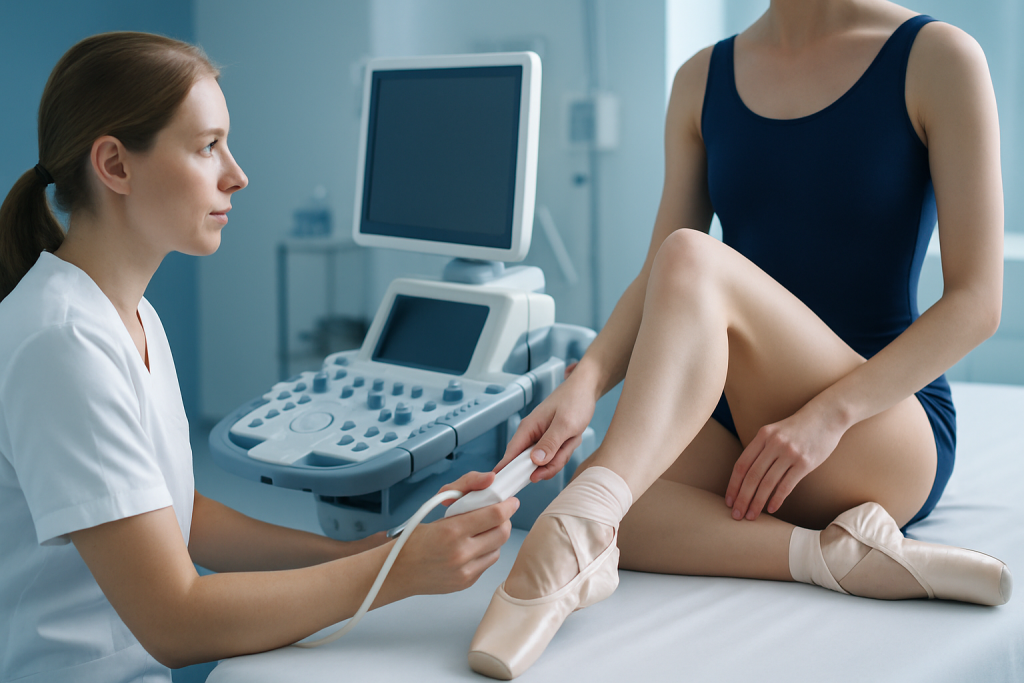
The human foot contains many small bones, joints, muscles, and ligaments that work together to support balance and movement. Ballet places unusually high demand on this system. Pointe work, in particular, shifts body weight toward the forefoot and toes while requiring extreme ankle and midfoot control.
With repeated training, some dancers develop strong intrinsic foot muscles and excellent flexibility. At the same time, repetitive loading can strain the forefoot, irritate tendons, compress nerves, and challenge ankle stability. If training increases too quickly or technique is imperfect, tissues may not have enough time to recover.
These stresses can affect several areas at once. A dancer may have calluses on the toes, pain under the ball of the foot, ankle weakness after repeated sprains, and irritation around the big toe joint. This is why a full foot and ankle assessment is often more helpful than focusing on a single painful spot.
In some cases, symptoms may overlap with recognized conditions such as hallux valgus or chronic tendon irritation. Understanding the pattern of loading in ballet helps clinicians choose the most appropriate treatment and prevention plan.
Common symptoms and foot changes
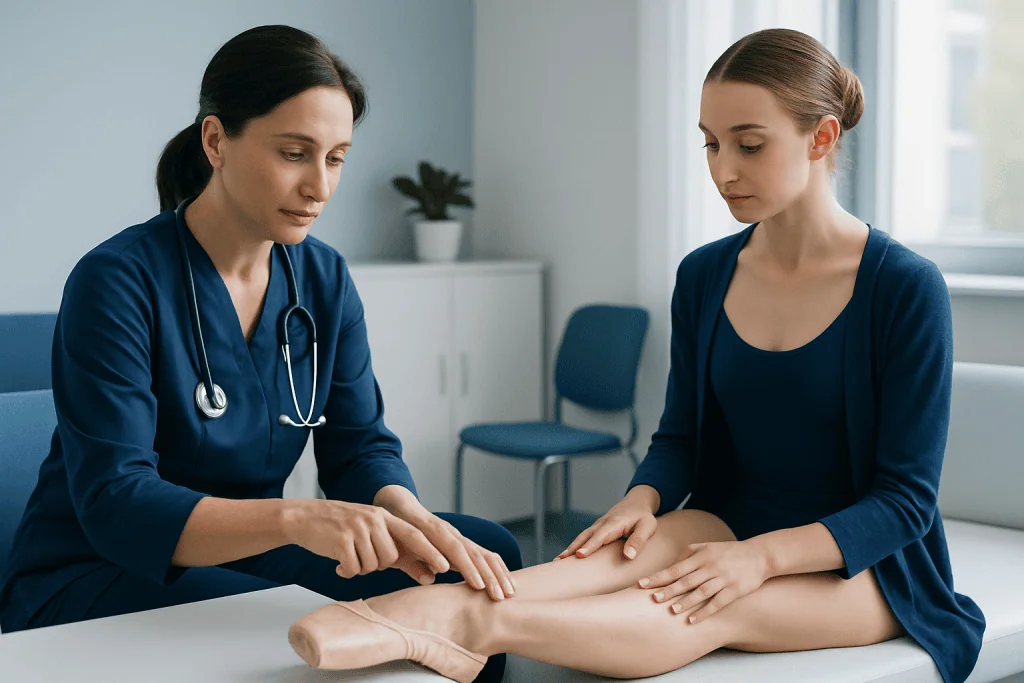
Ballerina feet can involve a wide range of symptoms. Some are mild and limited to the skin or nails, while others affect deeper structures such as bones, tendons, or joints. Pain may appear only during dancing at first, but later it can occur during walking, standing, or even at rest.
Common complaints include aching in the ball of the foot, pain in the big toe joint, swelling after class, ankle instability, toe cramping, blisters, and thickened skin. Toenail bruising or lifting can happen when the toes repeatedly press against the shoe box. Some dancers also notice numbness, tingling, or burning if a nerve becomes irritated.
Visible changes may include bunions, hammertoe-type deformities, clawing of the toes, calluses, nail changes, and a widening of the forefoot. A high arch may be natural or developed through training, but a very rigid or painful arch is not necessarily a sign of a “good” dance foot.
- Forefoot pain under the metatarsal heads
- Big toe pain or prominence at the first joint
- Repeated ankle sprains or a feeling of giving way
- Heel, arch, or tendon pain
- Swelling, bruising, or pain with hopping
- Skin and nail problems from pressure and friction
Causes and risk factors
The main cause of ballerina feet problems is repetitive mechanical stress. Pointe work, frequent rehearsals, hard landing surfaces, worn-out shoes, and insufficient rest can all increase strain on the forefoot and ankle. Even technically skilled dancers can develop symptoms if training volume exceeds the body’s capacity to adapt.
Foot shape also plays a role. A very high arch, increased ligament laxity, long second toe, bunion tendency, or ankle instability can change how force is distributed through the foot. These features do not automatically cause injury, but they may increase susceptibility when combined with intense training.
Other risk factors include beginning pointe too early, poor shoe fit, returning too quickly after injury, reduced calf strength, limited hip control, low energy availability, and nutritional problems that affect bone health. In adolescents, growth-related changes can add further stress to developing bones and joints.
Sometimes ballet-related pain may reveal an underlying orthopedic issue rather than simple overuse. Conditions involving the foot and ankle may require expert review, and some patients benefit from specialist evaluation similar to care used for foot deformities or complex overuse conditions.
Diagnosis: how doctors assess ballerina feet
Diagnosis begins with a detailed history. A doctor will ask where the pain is, when it started, whether it is linked to pointe work or jumping, and whether there has been recent change in training. Questions about prior sprains, footwear, menstrual and nutritional history, and symptoms at rest can help identify overuse patterns or bone stress risk.
The physical examination usually includes inspection of alignment, arch height, toe position, swelling, calluses, nail condition, and areas of tenderness. The clinician may assess ankle range of motion, calf tightness, ligament stability, balance, and walking pattern. In dancers, it is often useful to discuss technique demands and, when possible, observe relevant positions.
Imaging is not always necessary for minor soft tissue complaints, but it may be needed if there is persistent pain, deformity, or concern for fracture. X-rays can show alignment issues, bunions, arthritis, or some stress injuries. Ultrasound or MRI may be used when tendon injury, ligament damage, cartilage problems, or a stress fracture is suspected.
Because symptoms can overlap, the goal is not simply to label the foot as a “dancer’s foot,” but to identify the exact source of pain. For persistent symptoms, a structured evaluation by orthopedics, sports medicine, or rehabilitation specialists can guide safe treatment.
Treatment options
Treatment depends on the diagnosis and severity of symptoms. Many patients improve with conservative care, especially when problems are recognized early. Common first steps include reducing painful activities for a period, modifying class intensity, changing shoe fit or padding, icing after activity if advised, and using clinician-directed exercises to improve strength and control.
Physiotherapy is often central to recovery. A rehabilitation program may focus on intrinsic foot muscles, calf strength, ankle stability, balance, landing mechanics, and gradual return to pointe or jumping. If there is significant pain or structural concern, consultation for orthopedic rehabilitation may help restore function and reduce reinjury risk.
For bunions, toe deformities, chronic tendon issues, or unstable ankles, treatment may also include taping, orthotics when appropriate, temporary immobilization, or sports medicine follow-up. Some injuries, such as stress fractures, require a longer period of modified activity to allow healing. Persistent deformity or pain that does not respond to conservative treatment may need review by a specialist in orthopedics and traumatology.
Surgery is not the first option for most dancers, but it can be appropriate in selected cases, for example with severe bunion-related pain, recurrent instability, or certain fractures. The decision should be individualized and based on symptoms, imaging findings, functional goals, and the dancer’s overall health.
Prevention and self-care for dancers and non-dancers
Prevention starts with respecting training load. Sudden increases in class hours, rehearsal intensity, or pointe time can overload the foot before tissues have adapted. A gradual progression, adequate rest, and early reporting of symptoms are among the most effective ways to protect the foot and ankle.
Proper shoe fit matters. Pointe shoes and soft shoes should match foot shape and be replaced when they no longer provide appropriate support. Padding should reduce pressure without making the shoe too tight. Basic skin and nail care can also help prevent blisters, calluses, and nail trauma.
Strength and conditioning are just as important as technique. Helpful areas include calf endurance, balance, hip and core control, and foot intrinsic muscle work. Warm-up before dance, cool-down afterward, and flexibility routines guided by a qualified teacher or clinician may lower strain on vulnerable tissues.
- Increase training volume gradually
- Do not dance through persistent pain
- Check shoe fit regularly
- Support recovery with sleep and balanced nutrition
- Address repeated sprains or instability early
- Seek advice before returning after a significant injury
For patients with recurrent pain or complex structural issues, multidisciplinary assessment may be useful. Near the end of the care pathway, it can be appropriate to involve services such as physical therapy and rehabilitation to help coordinate recovery and return to activity.
When to seek medical care
Medical assessment is important when foot or ankle pain lasts more than a few days, keeps returning, or interferes with walking, standing, or dance training. Swelling, bruising, visible deformity, or pain in one specific bone area may suggest more than simple soreness. A dancer should also seek care if symptoms force changes in technique or cause repeated loss of balance.
Urgent evaluation is appropriate for inability to bear weight, sudden severe pain, obvious joint misalignment, rapidly increasing swelling, signs of infection around the skin or nail, or numbness that does not improve. These symptoms can indicate fracture, significant ligament injury, or another condition that needs prompt treatment.
Children and adolescents deserve special attention because growing bones may be more vulnerable to overuse injury. Early assessment can reduce the risk of chronic problems and support a safer return to activity.
Acibadem International’s multidisciplinary specialists and JCI-accredited hospitals evaluate and treat foot and ankle conditions for international patients, including dance-related overuse injuries and structural problems, when specialist care is needed.
Frequently asked questions
Are ballerina feet always unhealthy?
No. The term may simply describe a trained dancer’s foot shape, such as a high arch and strong instep. It becomes a medical concern when there is pain, swelling, instability, numbness, or visible deformity that affects function.
Can ballet cause bunions?
Ballet does not cause every bunion, because genetics and natural foot shape also matter. However, tight footwear, pointe work, and repeated forefoot loading can worsen big toe joint stress and may contribute to symptoms in people who are already predisposed.
What is the most common pain area in ballerina feet?
Many dancers report pain in the forefoot, especially under the ball of the foot or around the big toe joint. Ankle sprains, Achilles or other tendon pain, and toenail or skin problems are also common.
Should a dancer stop dancing if the foot hurts?
Not always, but persistent or worsening pain should not be ignored. A doctor or physiotherapist can help determine whether activity can be modified safely or whether rest and further evaluation are needed.
Do children need special evaluation for ballet foot pain?
Yes. In children and teenagers, growth plates and developing bones can be more sensitive to overuse. Early assessment is helpful if pain is recurrent, localized, or associated with limping, swelling, or difficulty bearing weight.
Can ballerina feet recover without surgery?
Often, yes. Many ballet-related foot problems improve with activity modification, shoe adjustments, physiotherapy, strengthening, and time for healing. Surgery is usually considered only when conservative treatment does not relieve significant symptoms or when there is a specific structural problem.
This article is for general information only and is not a substitute for professional medical advice. Please consult a qualified doctor about your individual situation.
Explore treatments in Turkey — costs, top hospitals & a free quote
JCI-accredited · board-certified surgeons · reply within 24h
Add us as a Preferred Source to see more of our trusted health content across Google Search, AI Overviews and Discover.

More from the Health Library

Crown of Head: An Evidence-Based Guide for Patients
Crooked Toe Gout: What Patients Need to Know

Cosmetic Dentist for Veneers: An Evidence-Based Guide for Patients

Popping Blisters: What Patients Need to Know

Neurotransmitters: A Complete Medical Overview