Neurotransmitters: A Complete Medical Overview

Neurotransmitters carry messages between nerve cells and help regulate both brain and body functions. Major neurotransmitters include serotonin, dopamine, acetylcholine, norepinephrine, GABA, and glutamate.
Key Takeaways
- Neurotransmitters carry messages between nerve cells and help regulate both brain and body functions.
- Major neurotransmitters include serotonin, dopamine, acetylcholine, norepinephrine, GABA, and glutamate.
- Too much or too little neurotransmitter activity may be linked to symptoms such as mood changes, sleep problems, tremors, pain, or memory difficulties.
- Doctors do not usually diagnose a “neurotransmitter imbalance” with a single simple test; evaluation focuses on symptoms, medical history, examination, and related causes.
- Treatment depends on the underlying condition and may include lifestyle changes, therapy, medications, or neurological care.
- Persistent, worsening, or sudden neurological or mental health symptoms should be assessed by a qualified doctor.
Neurotransmitters are chemical messengers that allow nerve cells to send signals to one another and to muscles and glands. They play a central role in mood, memory, movement, sleep, attention, digestion, and many other body functions, so changes in their signaling can contribute to a wide range of symptoms and medical conditions.
Overview: what neurotransmitters are and why they matter
Neurotransmitters are chemical messengers made by nerve cells. They help one nerve cell communicate with another across a tiny gap called a synapse, and they also help nerves signal muscles and glands. Without neurotransmitters, the brain and nervous system could not coordinate thoughts, emotions, movement, sleep, heartbeat, digestion, or responses to pain.
When an electrical signal reaches the end of a nerve cell, neurotransmitters are released into the synapse. They attach to receptors on the next cell, where they can either stimulate activity, reduce activity, or fine-tune the signal. Afterward, they are broken down, recycled, or taken back into the original nerve ending so communication can continue in a balanced way.
Because these signals are involved in many body systems, neurotransmitters are relevant to both brain health and general health. They influence mood and attention, but they also affect blood pressure, appetite, bowel function, stress responses, and muscle control. For this reason, neurotransmitter-related problems may show up as emotional, cognitive, physical, or mixed symptoms.
How neurotransmitters work in the nervous system
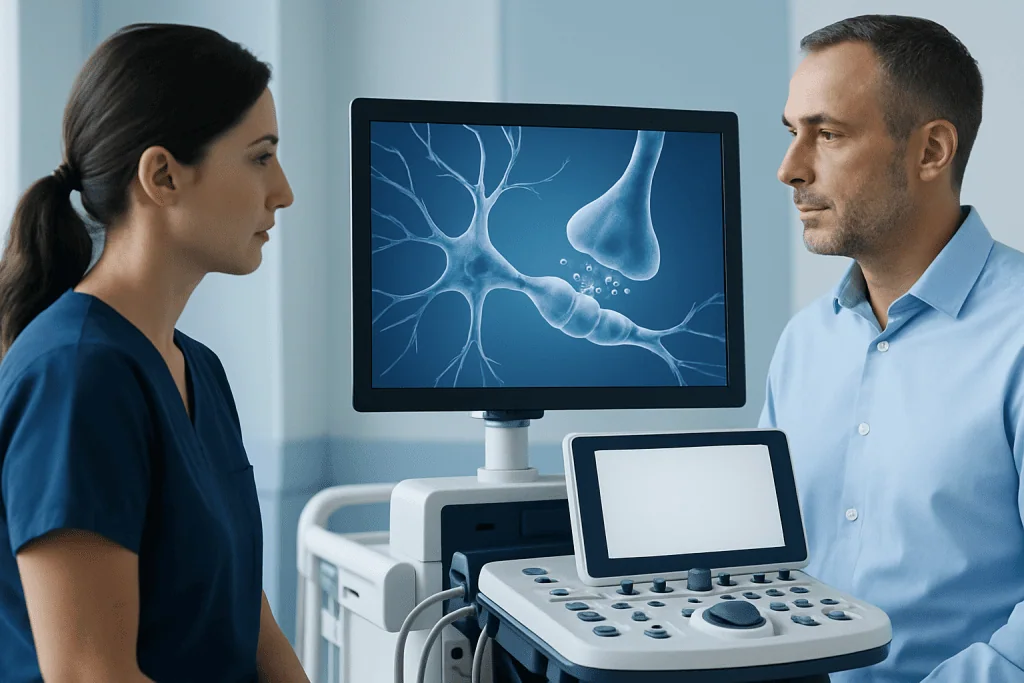
Each neurotransmitter has a specific pattern of action, but no single chemical works alone. Brain and nerve function depends on networks of many neurotransmitters acting together in different regions and at different times. This is why symptoms can overlap across conditions, and why doctors look at the whole clinical picture rather than one chemical in isolation.
Broadly, neurotransmitters can be described as excitatory, inhibitory, or modulatory. Excitatory neurotransmitters increase the chance that the next cell will send a signal. Inhibitory neurotransmitters reduce that chance. Modulatory neurotransmitters adjust how strongly other signals are processed, often shaping mood, alertness, reward, or pain perception.
The body also regulates neurotransmitter signaling very carefully. It controls how much is produced, how much is released, how sensitive the receptors are, and how quickly the signal is cleared away. Problems at any of these steps can affect communication in the nervous system, even when the amount of a neurotransmitter itself is not obviously abnormal.
Main types of neurotransmitters and their functions

Several neurotransmitters are especially important in everyday health and common medical conditions. Serotonin helps regulate mood, sleep, appetite, and some aspects of pain processing. Dopamine is involved in motivation, reward, movement, and attention. Norepinephrine supports alertness, concentration, and the body’s response to stress.
GABA is the main inhibitory neurotransmitter in the brain and helps calm nerve activity. Glutamate is the main excitatory neurotransmitter and is essential for learning and memory, but too much glutamate activity can be harmful to nerve cells. Acetylcholine supports memory, attention, and muscle contraction, and it also plays roles in the autonomic nervous system, which controls automatic body functions.
Other important chemical messengers include endorphins, which help modulate pain and pleasure, and histamine, which influences wakefulness as well as immune responses. Doctors may also consider related signaling molecules such as glycine and substance P depending on the symptoms involved.
- Serotonin: mood, sleep, appetite, pain modulation
- Dopamine: reward, motivation, movement, attention
- Norepinephrine: alertness, stress response, blood pressure regulation
- GABA: calming brain activity, reducing overexcitability
- Glutamate: learning, memory, excitatory signaling
- Acetylcholine: memory, attention, muscle activation
What can affect neurotransmitter balance and signaling
Many factors can influence neurotransmitter function. Genetics can affect how neurotransmitters are produced, transported, or broken down. Age-related changes may also alter signaling, especially in pathways related to memory and movement. Hormonal changes, stress, poor sleep, alcohol or drug use, certain medications, nutritional deficiencies, and chronic illnesses can all play a role.
Some neurological and psychiatric conditions are associated with changes in neurotransmitter systems. Examples include depression and anxiety disorders, attention-deficit/hyperactivity disorder, Parkinson’s disease, epilepsy, migraine, dementia, and some sleep disorders. In these cases, neurotransmitter changes are often part of a larger condition rather than a simple stand-alone problem.
It is also important to remember that symptoms sometimes come from issues outside the brain itself. Thyroid disease, vitamin deficiencies, infections, inflammation, liver or kidney disease, and medication side effects can mimic or worsen problems related to neurotransmitter signaling. A careful medical assessment helps identify the real cause.
Symptoms linked to altered neurotransmitter activity
There is no single symptom that proves a neurotransmitter problem, because these chemicals influence many body systems. Depending on which pathways are involved, symptoms may include low mood, anxiety, irritability, poor concentration, memory changes, fatigue, insomnia, excessive sleepiness, changes in appetite, reduced motivation, or altered pain sensitivity.
Physical symptoms may also occur. Some people experience tremor, slowed movement, stiffness, muscle weakness, headaches, dizziness, palpitations, sweating, digestive changes, or changes in sexual function. In severe neurological situations, symptoms can include confusion, seizures, severe agitation, loss of coordination, or sudden changes in consciousness.
These symptoms are not specific to neurotransmitters alone. For example, movement symptoms may be seen in Parkinson’s disease, while memory or language changes can occur in Alzheimer’s disease or other neurological conditions. Because the same symptom can have many causes, self-diagnosis is often unreliable.
How doctors evaluate neurotransmitter-related symptoms
Doctors do not usually diagnose a “neurotransmitter imbalance” with one routine blood test. Most neurotransmitters act mainly within the nervous system, and levels measured in blood, urine, or saliva do not always reflect what is happening in the brain. Instead, evaluation begins with a detailed medical history, review of symptoms, medication use, sleep patterns, stressors, and family history.
A physical and neurological examination helps identify signs that point toward a specific disorder. Depending on the situation, a doctor may order blood tests to look for thyroid problems, vitamin deficiencies, metabolic disorders, infection, or inflammation. Brain imaging or other neurological tests may be needed if there are concerning symptoms such as seizures, sudden cognitive changes, severe headaches, weakness, or movement problems.
If the symptoms suggest a mental health condition, assessment may include standardized screening tools and consultation with psychiatry or psychology. If neurological disease is suspected, specialized care may involve neurology evaluation and, when appropriate, tests such as EEG testing or MRI imaging to better understand how the brain and nervous system are functioning.
Treatment options and everyday support
Treatment focuses on the underlying condition rather than on trying to “boost” or “fix” a neurotransmitter in a general way. Depending on the diagnosis, care may include lifestyle measures, counseling or psychotherapy, treatment of sleep disorders, correction of vitamin deficiencies, adjustment of medications that may be contributing to symptoms, or drugs that affect specific neurotransmitter pathways.
For example, some medicines work by changing how serotonin, dopamine, norepinephrine, GABA, or acetylcholine signals are transmitted. These treatments can be helpful for the right condition, but they should be selected and monitored by a qualified clinician because benefits, side effects, and interactions vary from person to person. In some neurological disorders, rehabilitation and targeted therapies are also important alongside medication.
Daily habits can support healthy nervous system function even though they are not a cure for medical disease. Good sleep, regular physical activity, balanced meals, limiting alcohol and recreational drugs, stress management, social connection, and treatment adherence all matter. Near the end of a care pathway, some people may benefit from coordinated assessment by multidisciplinary specialists; Acibadem International’s JCI-accredited hospitals provide diagnosis and treatment for international patients when neurological or related symptoms need comprehensive evaluation.
When to seek medical care
Medical care is advisable when symptoms are persistent, worsening, or interfering with daily life. This includes ongoing low mood, severe anxiety, new memory problems, unexplained tremor, chronic insomnia, recurrent headaches, or concentration difficulties that affect work, school, or relationships. A doctor can help determine whether the cause is neurological, psychological, hormonal, metabolic, medication-related, or another health issue.
Urgent care is needed for sudden weakness, trouble speaking, seizures, fainting, severe confusion, chest pain, suicidal thoughts, hallucinations, or a sudden major change in behavior or consciousness. These symptoms should not be explained away as simple stress or a minor chemical imbalance. Prompt assessment helps identify serious causes and allows appropriate treatment to begin quickly.
People should also seek advice before starting supplements or stopping prescribed medicines based on claims about neurotransmitters. Products marketed for serotonin, dopamine, or brain chemistry may interact with medications or be unsuitable for some health conditions. A qualified doctor can recommend safe next steps based on the person’s symptoms and history.
Frequently asked questions
What are neurotransmitters in simple terms?
Neurotransmitters are chemical messengers that help nerve cells communicate with each other and with muscles and glands. They are essential for thinking, feeling, moving, sleeping, and many automatic body functions.
Can a neurotransmitter imbalance cause anxiety or depression?
Changes in neurotransmitter signaling can be involved in anxiety and depression, but these conditions are usually more complex than one chemical being too high or too low. Genetics, stress, sleep, hormones, physical illness, and life circumstances may all contribute.
Is there a test to measure neurotransmitters?
There is usually no single standard test that accurately shows neurotransmitter activity in the brain. Doctors mainly diagnose related conditions through symptoms, medical history, examination, and selected laboratory or imaging tests.
Which neurotransmitters affect sleep?
Several neurotransmitters influence sleep, including serotonin, GABA, norepinephrine, acetylcholine, histamine, and others. Sleep depends on a coordinated balance among these systems rather than one neurotransmitter alone.
Can food or lifestyle change neurotransmitters?
Healthy habits can support normal nervous system function, including regular sleep, exercise, balanced nutrition, and stress management. However, lifestyle changes are not a substitute for medical care when symptoms are severe, persistent, or caused by an underlying disorder.
Do neurotransmitters only affect the brain?
No. Neurotransmitters are central to brain function, but they also affect the rest of the nervous system and many body processes such as heart rate, digestion, sweating, and muscle movement.
References
- National Institute of Mental Health
- National Institute of Neurological Disorders and Stroke
- MedlinePlus
- Merck Manual Consumer Version
- World Health Organization
This article is for general information only and is not a substitute for professional medical advice. Please consult a qualified doctor about your individual situation.
Explore treatments in Turkey — costs, top hospitals & a free quote
JCI-accredited · board-certified surgeons · reply within 24h
Add us as a Preferred Source to see more of our trusted health content across Google Search, AI Overviews and Discover.
Check your numbers in seconds
BMI, calories, due date, blood pressure and 30+ more clinical calculators — free, instant, doctor-reviewed ranges.