Bar Soap Holder — Explained by Medical Evidence, Not Myths

Choose a bar soap holder with drainage or raised ridges so the bar does not sit in pooled water. Bar soap can carry microorganisms on its surface, but routine handwashing with soap remains effective for most daily hygiene needs.
Key Takeaways
- Choose a bar soap holder with drainage or raised ridges so the bar does not sit in pooled water.
- Bar soap can carry microorganisms on its surface, but routine handwashing with soap remains effective for most daily hygiene needs.
- Cleaning the holder regularly matters because soap residue, water and skin debris can form a slippery film.
- Avoid sharing bar soap when a person has an active skin infection, open wound or a clinician has advised infection-control precautions.
- People with significant immune suppression or certain skin conditions may benefit from individualized advice from a healthcare professional.
A bar soap holder is most useful when it allows water to drain away and air to circulate around the soap between uses. Medical evidence does not suggest that a properly used bar of soap commonly causes infection, but keeping the holder clean and the soap dry supports sensible household hygiene.
What Is a Bar Soap Holder and Why Does It Matter?
A bar soap holder, also called a soap dish or soap tray, is a small bathroom or kitchen accessory designed to keep a bar of soap in one place between uses. Its most practical purpose is to let excess water drain away. When soap remains in standing water, it softens quickly, becomes difficult to handle and leaves residue on surrounding surfaces.
From a health perspective, the best holder is not necessarily the most decorative one. A useful design keeps the bar elevated, allows water to escape and can be cleaned easily. This reduces persistent moisture and the build-up of soap residue, shed skin cells and environmental debris. It also makes the washing area safer by limiting slippery deposits on countertops, sink edges or shower shelves.
A soap holder is only one part of hand hygiene. Thorough handwashing technique, including rubbing all hand surfaces and rinsing under clean running water, has a far greater effect on reducing the spread of everyday germs than the particular style of holder used.
Do Bar Soap Holders Prevent Germs?
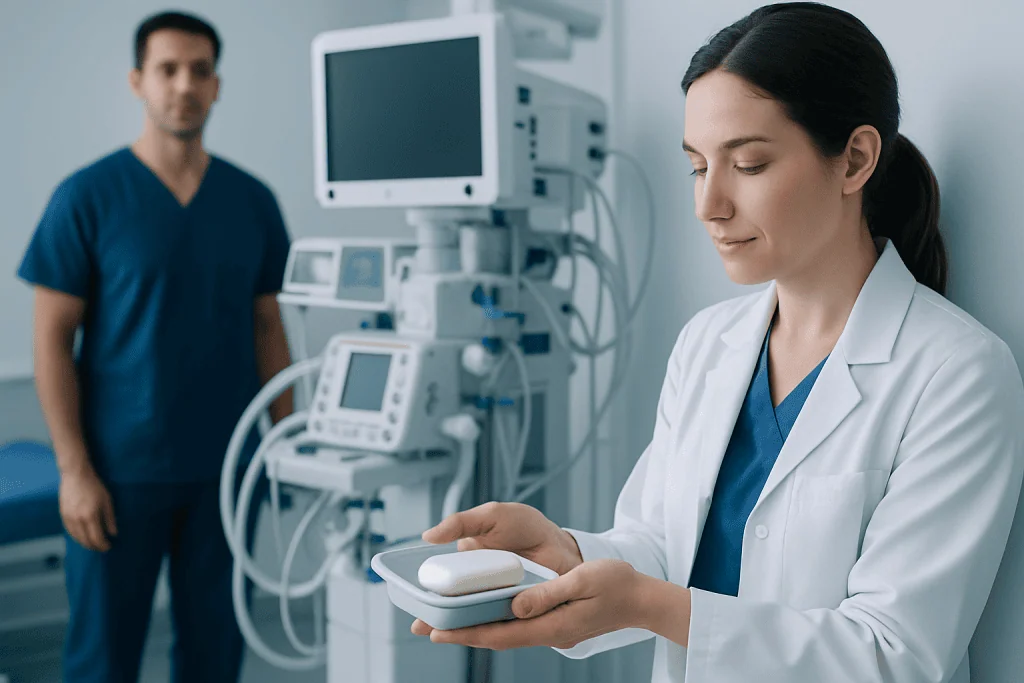
A draining bar soap holder can support cleanliness, but it should not be viewed as a medical disinfecting device. Studies have found that microorganisms may be present on used bar soap. However, available evidence indicates that bacteria transferred from a bar of soap during normal use are unlikely to cause infection in healthy people. Soap works mainly by helping lift oils, dirt and microbes from skin so they can be rinsed away.
Moist environments generally allow more microbial growth than dry ones. A holder that prevents the soap from sitting in water can therefore reduce prolonged wetness around the bar and tray. This is a reasonable hygiene measure, especially in a busy shared household, but it does not make a bar sterile and does not replace regular cleaning of bathroom surfaces.
Liquid soap from a dispenser may be a practical alternative in some settings, particularly where many unrelated people use the same washroom. Yet bar soap remains an acceptable option for routine personal use when it is stored cleanly, allowed to dry and not shared during an active contagious skin problem.
Features of a Hygienic Bar Soap Holder

The most important feature is drainage. Look for holes, slats, a removable draining insert or raised ridges that allow the bottom of the bar to dry. A solid shallow dish can work if it is emptied and wiped often, but it is more likely to collect water. A holder placed directly beneath a shower stream usually stays wet and may not allow the bar to dry fully.
Material matters less than maintenance. Plastic, stainless steel, ceramic, silicone and bamboo holders can all be used safely if they are intact and easy to wash. Smooth, nonporous surfaces are often easier to clean. Wooden holders should be allowed to dry completely and replaced if they crack, develop persistent discoloration or cannot be cleaned effectively.
Placement is also important. Keep the holder on a stable surface away from toilet splash zones and, where possible, away from direct spray. In a shower, a wall-mounted draining holder can be useful. In kitchens, keep soap intended for handwashing separate from dishwashing products and away from areas where food is prepared.
- Choose a holder that drains rather than traps water.
- Use one that can be removed and washed without difficulty.
- Make sure it is stable and does not create a slipping hazard.
- Use separate bars or holders for personal washing and household cleaning tasks.
How to Clean a Soap Holder Safely
Soap holders should be cleaned when visible residue appears and as part of routine bathroom or kitchen cleaning. In many homes, washing the holder at least weekly is a practical approach; it may need more frequent attention when several people use it, the room is humid or water collects quickly. The goal is to remove the slippery film rather than to sterilize the item.
Wash the holder with warm water and household detergent or dish soap, using a clean brush or cloth to reach grooves and drainage holes. Rinse it well and allow it to dry before returning the bar. If the manufacturer states that the item is dishwasher-safe, a dishwasher may be an appropriate option. Follow the product instructions for materials that can warp, corrode or be damaged by heat.
Routine use of strong disinfectants is not usually necessary for a soap holder in a healthy household. If a disinfectant is used after an illness or contamination event, it should be appropriate for the surface, used exactly as directed and kept away from children. Never mix cleaning products, as some combinations can produce harmful fumes.
Sharing Soap and Special Hygiene Situations
In most families, shared bar soap has a low risk of causing illness when everyone has intact skin and follows ordinary hygiene practices. Still, sharing is best avoided if someone has an active rash, a draining wound, a suspected fungal infection or another contagious skin condition. A separate bar, clean towel and personal grooming items can help reduce avoidable contact between skin and potentially contaminated objects.
People who have eczema, psoriasis or frequent skin irritation may find that fragrance-free, gentle cleansers are more comfortable than strongly scented products. The holder does not treat a skin condition, but preventing the soap from becoming soft and coated with residue may make bathing more pleasant. Persistent itching, scaling, pain or cracks in the skin should be assessed rather than attributed to the soap holder alone.
Extra caution may be appropriate for people with major immune suppression, those recovering from surgery or people receiving wound care. Their clinical team can advise whether liquid soap, single-user products or other precautions are preferable. For concerns about a contagious rash, clinician assessment can help distinguish problems such as fungal skin infections from noninfectious irritation.
Common Myths About Bar Soap and Soap Dishes
One common myth is that a wet bar of soap is automatically dangerous. Moisture can make soap deteriorate faster and can support residue on the holder, but it does not mean the soap will cause infection. Good handwashing technique and normal household cleaning are more important than trying to make a bathroom item completely germ-free.
Another myth is that antibacterial soap is always healthier than plain soap. For everyday use in the home, plain soap and water are generally effective. Public health guidance emphasizes washing hands correctly and at appropriate times, such as before preparing food, after using the toilet and after coughing, sneezing or handling waste. Antibacterial products are not a substitute for proper washing.
It is also incorrect to assume that all skin symptoms are caused by bacteria on a bar. Dryness, fragrance sensitivity, frequent washing, hot water and underlying dermatitis can all contribute to irritation. If a rash continues despite switching to a gentle cleanser and simplifying the skin-care routine, medical advice may be helpful.
When to Seek Medical Care
A soap holder does not usually require medical attention. However, a person should speak with a healthcare professional if they develop a spreading rash, painful redness, warmth, pus, fever, rapidly worsening swelling or sores that do not heal. These symptoms may suggest a skin infection or another condition that needs assessment.
Medical advice is also appropriate for recurrent skin cracking, persistent itch, severe dryness or a rash that affects sleep or daily activities. A clinician can identify possible triggers, such as irritant contact dermatitis, allergy, eczema or infection, and recommend suitable treatment. People with diabetes, poor circulation, immune suppression or chronic wounds should seek care promptly for new skin changes.
Acibadem International’s multidisciplinary specialists and JCI-accredited hospitals support international patients who need assessment and treatment for skin concerns. For minor irritation, it is still sensible to stop using any product that stings or worsens the skin and seek qualified advice if symptoms do not improve.
Frequently asked questions
What is the best type of bar soap holder?
A holder with drainage holes, slats or raised ridges is usually the most practical choice. It should keep the soap above pooled water and be easy to wash. The best material is one that remains stable, intact and simple to clean.
Can bacteria grow on a bar soap holder?
Microorganisms can be present on damp bathroom surfaces, including soap holders. Soap residue and standing water can also collect skin debris and environmental dirt. Regular washing and drying of the holder helps keep this build-up under control.
Is it safe for a family to share bar soap?
For most healthy household members, shared bar soap is generally considered low risk when used normally. It is sensible not to share a bar with someone who has a contagious rash, open wound or active skin infection. Separate personal products may also be preferred by people with sensitive skin.
How often should a bar soap holder be cleaned?
Cleaning it at least weekly is a reasonable routine for many households. It should be cleaned sooner if it develops visible film, pooled water, discoloration or an odor. High-use and humid environments may require more frequent cleaning.
Does bar soap need to be disinfected?
No, bar soap does not need routine disinfection in most homes. Allowing it to drain and dry, alongside correct handwashing, is generally sufficient. Strong disinfectants are unnecessary unless there is a specific contamination concern and should be used according to label directions.
Can a soap dish cause a skin rash?
A soap dish itself is not a common cause of rash, but a dirty holder may leave residue on the soap. More often, rashes are related to fragranced products, frequent washing, hot water, dry skin or an underlying skin condition. A persistent, painful or spreading rash should be assessed by a clinician.
This article is for general information only and is not a substitute for professional medical advice. Please consult a qualified doctor about your individual situation.
Explore treatments in Turkey — costs, top hospitals & a free quote
JCI-accredited · board-certified surgeons · reply within 24h
Add us as a Preferred Source to see more of our trusted health content across Google Search, AI Overviews and Discover.

More from the Health Library

Potassium Bicarbonate: An Evidence-Based Guide for Patients

Hypergamy — Explained by Medical Evidence, Not Myths

Lorazepam: A Complete Medical Overview

Parvovirus — Explained by Medical Evidence, Not Myths

Neurotypical: A Complete Medical Overview