Bathing in Oats: An Evidence-Based Guide for Patients

Bathing in oats usually means using finely ground oatmeal, often called colloidal oatmeal, in lukewarm bathwater. Oat baths may help reduce itching, dryness, and skin irritation by coating and protecting the skin.
Key Takeaways
- Bathing in oats usually means using finely ground oatmeal, often called colloidal oatmeal, in lukewarm bathwater.
- Oat baths may help reduce itching, dryness, and skin irritation by coating and protecting the skin.
- They are commonly used for eczema, mild contact irritation, dry skin, and some itchy rashes.
- Very hot water, harsh soaps, and long soaking times can worsen dryness and irritation.
- Medical advice is important if a rash is severe, widespread, infected, or not improving.
Bathing in oats can be a simple, evidence-based way to calm dry, itchy, or irritated skin. When used correctly, an oat bath may support the skin barrier and ease discomfort from common conditions such as eczema, mild rashes, and sensitive skin.
Overview: What bathing in oats can and cannot do
Bathing in oats is a home care approach used to soothe irritated skin. In most cases, this means adding finely ground oatmeal, especially colloidal oatmeal, to lukewarm bathwater. The goal is not to “treat everything,” but to help calm itch, reduce dryness, and support the skin’s natural barrier.
Oats contain compounds that can bind water, soften the skin surface, and help reduce irritation. This is why oat-based preparations are often included in skin care for people with dry or sensitive skin. Many patients use oat baths during flare-ups of itching or after skin has been irritated by environmental triggers, soaps, or friction.
At the same time, bathing in oats is supportive care rather than a substitute for diagnosis. It may relieve symptoms, but it does not replace treatment for infection, allergic reactions, severe inflammatory skin disease, or other medical problems. When symptoms are persistent or unusual, it is important to seek professional evaluation.
How oat baths work on the skin
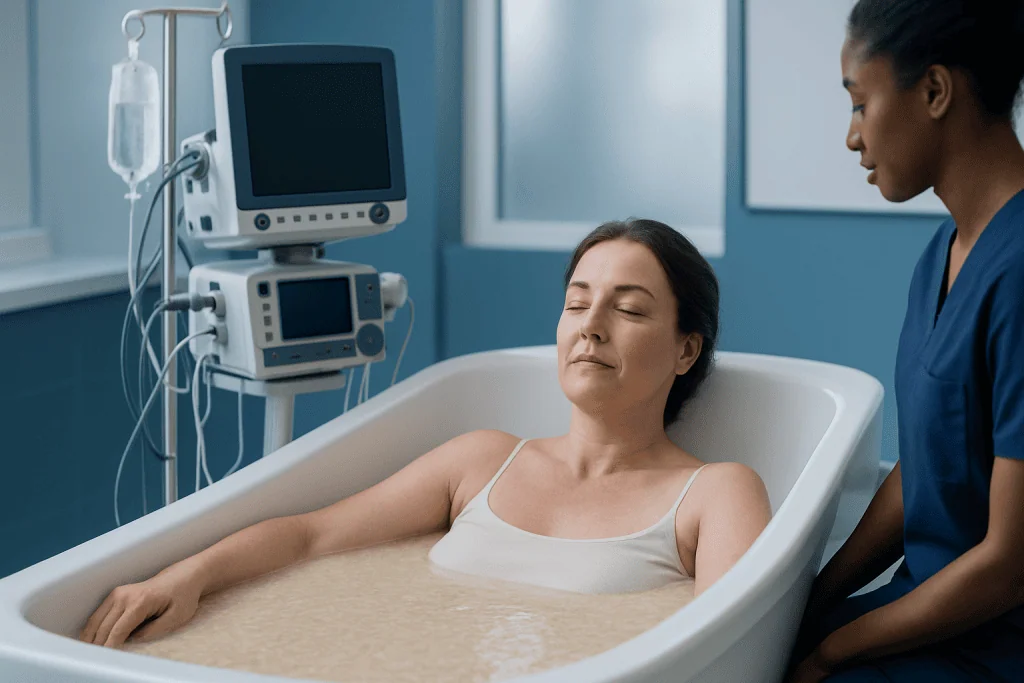
The skin barrier helps keep moisture in and irritants out. When that barrier is weakened, the skin can become dry, itchy, tight, or inflamed. Oat preparations may help by forming a gentle protective layer on the skin, which can reduce water loss and improve comfort after bathing.
Colloidal oatmeal also contains natural substances such as beta-glucans, starches, lipids, and antioxidant compounds. These ingredients are thought to contribute to moisturizing effects and to help calm minor inflammation. This is one reason oatmeal is often recommended as part of a skincare routine for people with eczema or sensitive skin.
Another practical benefit is that oat baths are generally easy to use and are often well tolerated. For many people, they can be added to a broader skin care plan that includes gentle cleansers, regular moisturizing, and avoidance of known triggers. If symptoms are more intense or recurrent, a doctor may also recommend dermatology care to identify the cause and guide treatment.
When bathing in oats may be helpful
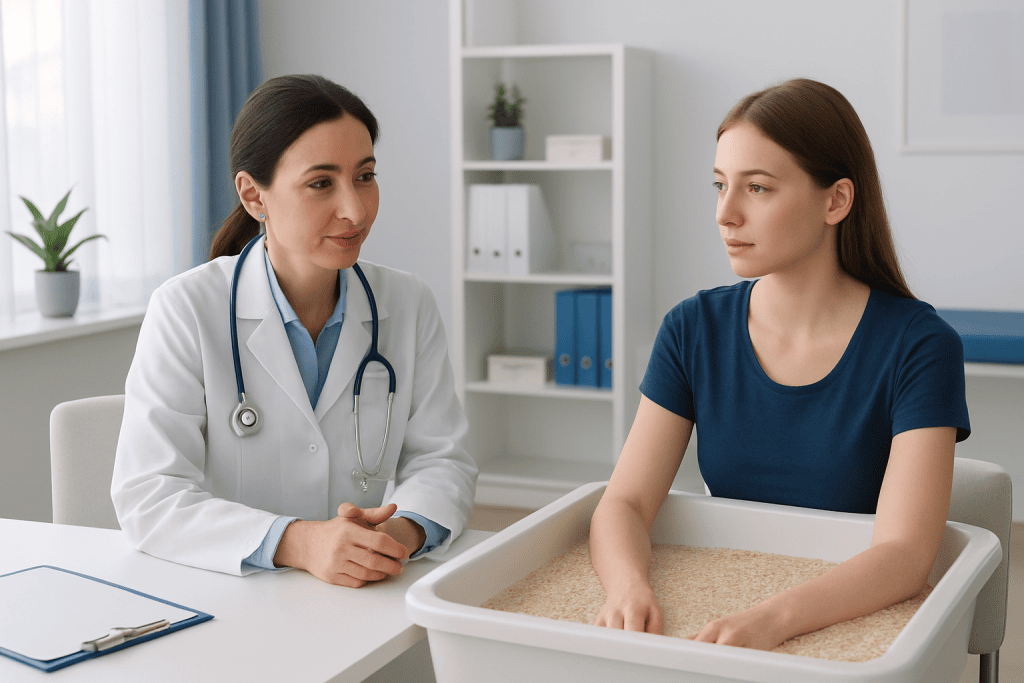
Bathing in oats is most commonly used for itchy, dry, or mildly inflamed skin. It may be helpful during eczema flare-ups, after minor contact irritation, or when the skin feels uncomfortable due to dryness. Some people also use it after sun exposure or for itch related to environmental triggers, provided the skin is not severely damaged.
Common situations where an oat bath may provide relief include:
- Dry, rough, or flaky skin
- Mild itching without broken skin
- Skin discomfort associated with eczema
- Minor irritation from soaps, fabrics, or personal care products
- Itchy rashes that have already been assessed by a clinician
For children and adults with sensitive skin, an oat bath can be a gentle option when ordinary bathing seems to worsen symptoms. However, it is still important to use fragrance-free products, avoid scrubbing, and apply moisturizer soon after the bath. If the symptoms suggest hives, a severe allergy, or a rapidly spreading rash, home care alone is not enough.
How to take an oat bath safely
The most suitable form for bathing is colloidal oatmeal or very finely ground plain oatmeal. It should disperse in water rather than settling in large clumps. Baths are usually prepared with lukewarm, not hot, water because hot water can strip natural oils and worsen itch and dryness.
Patients are often advised to soak for a short period rather than staying in the tub for a long time. Afterward, the skin should be patted dry gently instead of rubbed. A bland, fragrance-free moisturizer can then be applied while the skin is still slightly damp to help lock in moisture.
Basic safety tips include:
- Use plain oats or a product labeled for skin use
- Avoid very hot water
- Do not scrub the skin during or after the bath
- Moisturize promptly after bathing
- Take care getting out of the tub, as oatmeal can make surfaces slippery
If a person has a known oat allergy, bathing in oats should be avoided. A patch test or medical advice may be sensible for people with highly reactive skin or a history of multiple allergies.
What to avoid and common mistakes
One common mistake is assuming that more is better. Using very hot water, soaking for too long, or combining an oat bath with heavily fragranced products may irritate the skin further. The bath should be gentle and simple, especially when the skin barrier is already inflamed.
Another mistake is using coarse oats that have not been ground finely enough. Large particles may not disperse well and can feel abrasive on sensitive skin. Prepared colloidal oatmeal products are often easier to use because they are designed to suspend in water more evenly.
Patients should also avoid relying on oat baths for symptoms that may signal another condition. For example, painful skin, blisters, pus, fever, rapidly increasing redness, or a widespread rash may need medical evaluation. In some cases, itching can reflect a skin disease that requires prescription treatment, allergy review, or further testing in allergy testing.
When to seek medical care
Bathing in oats can be part of self-care, but it is not appropriate for every skin problem. Medical care is important when a rash is severe, unexplained, worsening, or associated with signs of infection. This includes warmth, swelling, oozing, crusting, pus, fever, or significant pain.
A doctor should also be consulted if itching interferes with sleep, if a child has a persistent rash, or if symptoms keep returning despite careful skin care. People with chronic inflammatory skin conditions may need a personalized plan that goes beyond bathing and moisturizers.
Immediate medical attention is needed for signs of a serious allergic reaction such as trouble breathing, swelling of the lips or tongue, faintness, or widespread hives that appear suddenly. If symptoms are recurring or difficult to identify, specialist assessment can help distinguish between eczema, contact dermatitis, infection, and other causes of itchy skin such as psoriasis.
How oat baths fit into a broader skin care plan
For many patients, the best results come when bathing in oats is combined with other evidence-based skin care steps. These include short lukewarm baths or showers, gentle cleansing, consistent moisturization, and avoiding triggers such as harsh detergents, fragranced products, or rough fabrics. This supportive routine can help reduce skin irritation over time.
If a clinician has prescribed topical treatments, oat baths are usually used alongside them rather than in place of them. The exact order and frequency depend on the diagnosis and the person’s skin type. Patients should follow their doctor’s instructions, especially if they are using medicated creams or have very inflamed skin.
For people whose symptoms are persistent, multidisciplinary care may be helpful. Acibadem International’s specialists in skin and allergy-related conditions, working in JCI-accredited hospitals, diagnose and treat international patients when more detailed evaluation is needed, including specialist skin assessment when appropriate.
Frequently asked questions
What does bathing in oats mean?
Bathing in oats usually means adding colloidal oatmeal or very finely ground plain oatmeal to bathwater. It is used to soothe dry, itchy, or irritated skin. The oats are intended for skin comfort, not as a substitute for medical treatment when a diagnosis is needed.
Is bathing in oats the same as using regular oatmeal?
Not exactly. Colloidal oatmeal is finely ground so it mixes better in water and coats the skin more evenly. Regular oatmeal can be used if it is ground very finely, but coarse flakes may not disperse well and can be less comfortable on sensitive skin.
Can an oat bath help eczema?
An oat bath may help relieve itching and dryness associated with eczema by supporting the skin barrier. It is often used as part of a broader care plan that includes moisturizers and trigger avoidance. People with moderate to severe eczema may still need medical treatment.
How long should someone soak in an oat bath?
A short soak in lukewarm water is generally preferred over a long bath. Staying in water too long can sometimes increase dryness, especially if the water is hot. After bathing, the skin should be gently patted dry and moisturized promptly.
Can bathing in oats cause a reaction?
Most people tolerate oat baths well, but a reaction is possible, especially in someone with an oat allergy or highly reactive skin. If redness, stinging, swelling, or worsening itch develops, use should stop and medical advice should be sought. New or severe symptoms should not be ignored.
When is an oat bath not enough?
An oat bath is not enough when there are signs of infection, severe inflammation, blistering, significant pain, fever, or rapidly spreading rash. It also should not delay care for possible allergic reactions or chronic symptoms that keep coming back. In those situations, a qualified doctor should assess the skin.
References
- American Academy of Dermatology
- National Eczema Association
- Mayo Clinic
- National Center for Complementary and Integrative Health
This article is for general information only and is not a substitute for professional medical advice. Please consult a qualified doctor about your individual situation.
Explore treatments in Turkey — costs, top hospitals & a free quote
JCI-accredited · board-certified surgeons · reply within 24h
Add us as a Preferred Source to see more of our trusted health content across Google Search, AI Overviews and Discover.

More from the Health Library

Fetal Heart Rate 158 Bpm Boy or Girl: What Patients Need to Know

Otorrhea: An Evidence-Based Guide for Patients

Sea Buckthorn Oil: A Complete Medical Overview

Sexual Intercourse: What Patients Need to Know

Physiatrist: A Complete Medical Overview