Bed Sores Ulcer: An Evidence-Based Guide for Patients

Bed sores ulcers usually develop over bony areas such as the heels, hips, tailbone, and elbows. Limited mobility, moisture, poor nutrition, reduced sensation, and chronic illness can increase risk.
Key Takeaways
- Bed sores ulcers usually develop over bony areas such as the heels, hips, tailbone, and elbows.
- Limited mobility, moisture, poor nutrition, reduced sensation, and chronic illness can increase risk.
- Early signs include persistent redness, pain, warmth, skin breakdown, or a blister.
- Treatment focuses on relieving pressure, caring for the wound, controlling infection, and supporting nutrition.
- Medical review is important if the sore is open, worsening, painful, or shows signs of infection.
A bed sores ulcer is an area of skin and underlying tissue damage caused by prolonged pressure, friction, or shear, most often in people who spend long periods in bed or in a chair. Early recognition, pressure relief, good skin care, and timely medical treatment can help prevent complications and support healing.
Overview: what a bed sores ulcer is
A bed sores ulcer, also called a pressure ulcer or pressure injury, is damage to the skin and sometimes the deeper tissue caused by prolonged pressure. It happens when blood flow to an area is reduced for too long, especially over bony parts of the body such as the tailbone, hips, heels, ankles, elbows, and shoulder blades. Friction and shear, which occur when skin rubs against bedding or when the body slides down in bed, can make the injury worse.
This condition is most common in people who have difficulty changing position on their own. That may include older adults, people recovering from surgery, those living with spinal cord injury or stroke, and anyone with a serious illness that limits movement. A bed sores ulcer can range from mild skin discoloration to a deep wound that involves muscle or bone.
Because these ulcers often begin subtly, early attention matters. A small area of redness that does not fade may be the first warning sign. When identified early, many pressure injuries can be stopped before they become deeper and harder to heal.
How bed sores ulcers develop and where they appear
Healthy skin depends on a steady blood supply. If a person remains in one position for long periods, pressure compresses small blood vessels between bone and an outside surface such as a mattress or wheelchair seat. Without enough oxygen and nutrients, the skin and underlying tissue begin to break down.
Shear is another important factor. It happens when the skin stays in place but deeper tissues shift, such as when a person slides down in bed with the head raised. Friction can remove the outer layer of skin, making it more vulnerable. Moisture from sweat, urine, or stool weakens the skin barrier and increases the risk of breakdown.
Common sites differ depending on position. In people lying on their back, ulcers often develop on the back of the head, shoulder blades, elbows, tailbone, and heels. In side-lying positions, the ears, shoulders, hips, knees, and ankles may be affected. In people who sit for long periods, the buttocks, tailbone, and backs of the thighs are frequent problem areas.
Symptoms and stages to watch for
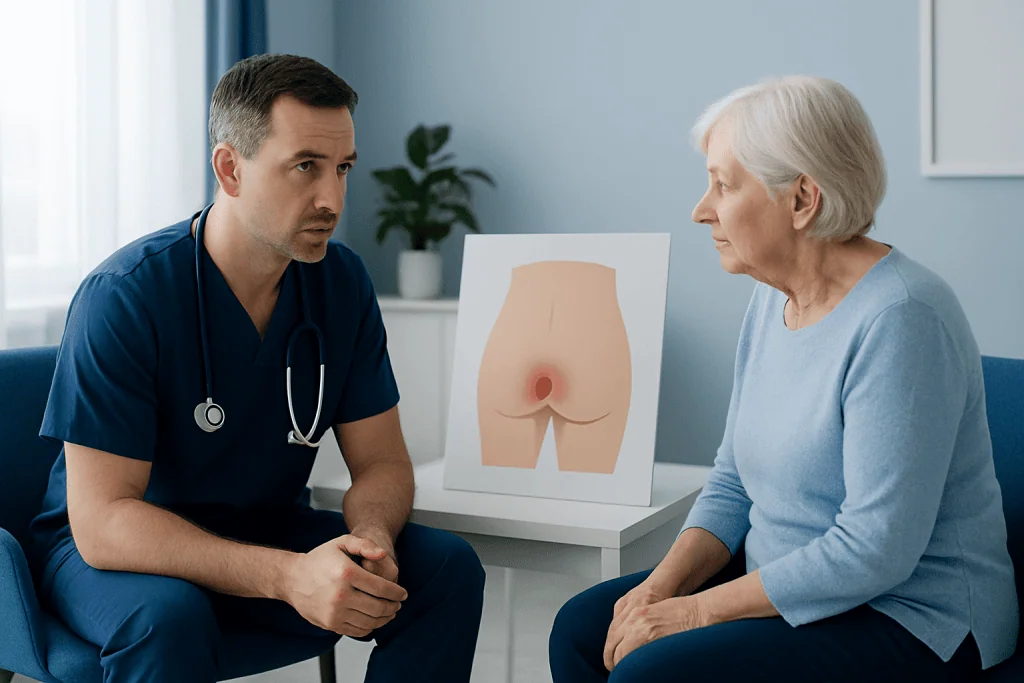
The earliest sign of a bed sores ulcer may be a patch of skin that looks different from nearby skin. It may appear red, purple, or darker than usual depending on skin tone. The area may feel warm, cool, firm, soft, itchy, or painful. In people with reduced sensation, pain may be absent even when injury is present.
Clinicians often describe pressure injuries in stages. In stage 1, the skin is intact but discolored and does not return to its usual color after pressure is relieved. In stage 2, there is partial-thickness skin loss, which may look like a shallow open sore or a blister. Stage 3 means deeper tissue loss into the fat layer, and stage 4 means extensive tissue loss that may expose muscle, tendon, or bone.
Some ulcers are described as unstageable when dead tissue covers the wound and the true depth cannot be seen. Others are called deep tissue pressure injuries when the skin may still be intact but the underlying tissues are already severely damaged. Warning signs that need prompt assessment include a foul odor, pus, fever, rapidly increasing redness, or blackened tissue.
- Persistent redness or discoloration
- Pain, tenderness, or burning
- Warmth, swelling, or hardness
- Blistering or open skin
- Drainage, odor, or signs of infection
Causes and risk factors
The main cause of a bed sores ulcer is sustained pressure, but several factors often act together. Limited mobility is the most important risk factor. People who cannot turn themselves in bed, stand regularly, or shift weight in a chair are at much higher risk. This may happen because of frailty, paralysis, sedation, pain, or recovery after illness or surgery.
Skin that is frequently exposed to moisture is more easily damaged. Incontinence, sweating, wound drainage, and poor hygiene can all affect skin integrity. Nutrition also matters. Inadequate protein, poor calorie intake, dehydration, and vitamin or mineral deficiencies can slow skin repair and make pressure injuries more likely.
Certain health conditions increase vulnerability. These include diabetes, vascular disease, anemia, kidney disease, and illnesses that reduce blood flow or immune function. Reduced sensation from nerve injury or stroke can prevent a person from noticing discomfort and changing position. Weight extremes can also contribute, as very low body weight reduces natural padding while obesity can make repositioning more difficult.
How doctors diagnose and assess a bed sores ulcer
Diagnosis usually begins with a careful skin examination and a review of symptoms, mobility, nutrition, continence, and underlying medical conditions. The clinician checks the size, depth, location, and appearance of the sore, as well as the surrounding skin. They may also look for signs of infection, dead tissue, tunneling under the skin, or pain with movement and dressing changes.
Assessment is not only about the wound itself. Doctors and nurses also try to identify why it developed so that the causes can be addressed. This may include evaluating the mattress or seating surface, the patient’s ability to reposition, hydration status, and any barriers to daily skin care. A structured risk assessment tool may be used in hospitals or long-term care settings.
If infection is suspected, tests may be needed. These can include blood tests, wound cultures in selected situations, or imaging when there is concern that the infection has spread to deeper tissue or bone. In some cases, specialist input from wound care, rehabilitation, dermatology, infectious diseases, or surgery may help guide treatment.
Treatment options and wound care
Treatment depends on the stage of the ulcer, the person’s overall health, and whether infection or dead tissue is present. The first step is always pressure relief. This means changing position regularly, using cushions or specialized mattresses, and protecting the affected area from further friction and moisture. Without pressure relief, even excellent wound dressings are unlikely to work well.
Wound care usually includes gentle cleaning, choosing the right dressing to maintain a moist healing environment, and protecting the surrounding skin. Some wounds need debridement, which is the removal of dead or damaged tissue so healthy tissue can heal. In more advanced cases, treatment may involve input from teams experienced in wound care and rehabilitation. If there are signs of severe infection, antibiotics or surgical treatment may be needed.
Nutrition support is another key part of care. Adequate calories, protein, fluids, and management of conditions such as diabetes can improve healing. Pain control also matters because pain can interfere with movement, sleep, and dressing changes. Some patients may benefit from physical therapy, occupational therapy, or physical therapy and rehabilitation to improve mobility and reduce recurrence risk.
For selected deep, complex, or nonhealing wounds, surgical closure may be considered after pressure is controlled and infection is treated. If poor circulation is contributing to delayed healing, doctors may also assess vascular health, including evaluation through cardiovascular surgery services when appropriate.
Prevention and self-care at home or in care settings
Preventing a bed sores ulcer often requires a daily routine rather than a single measure. Regular repositioning is central. People who are in bed may need help turning at scheduled intervals, while those who sit for long periods should shift weight frequently if they are able. Pillows, foam supports, heel protectors, and pressure-relieving mattresses or wheelchair cushions can reduce stress on vulnerable areas.
Skin should be checked every day, especially over bony areas. Early changes may be easier to feel than to see, particularly in darker skin tones, so caregivers should look for differences in warmth, firmness, swelling, or tenderness. Keeping the skin clean and dry, managing incontinence promptly, and avoiding harsh rubbing all help protect the skin barrier.
Good nutrition and hydration support prevention as well as healing. Meals should provide enough protein and energy, and swallowing problems or reduced appetite should be discussed with a clinician. Stopping smoking, improving mobility where possible, and managing long-term conditions are also helpful. In rehabilitation settings, some people may receive support after spinal cord injury or other conditions that make pressure relief more difficult.
- Reposition regularly and avoid staying in one position too long
- Use support surfaces such as pressure-relieving cushions or mattresses
- Inspect skin daily, especially the heels, hips, and tailbone
- Keep skin clean, dry, and protected from excess moisture
- Support healing with adequate nutrition, fluids, and management of chronic disease
When to seek medical care
Medical care is appropriate if a pressure-related skin change does not improve after pressure is relieved, or if the skin is broken. Prompt assessment is especially important for people with diabetes, poor circulation, reduced immunity, or reduced sensation, because wounds may worsen without causing much discomfort.
A doctor should be contacted urgently if there is spreading redness, swelling, pus, fever, a bad smell, increasing pain, black tissue, or signs that the person is becoming generally unwell. These symptoms may suggest infection or deeper tissue damage. A wound that is enlarging, not healing, or repeatedly returning also deserves professional review.
For international patients with complex wound needs, Acibadem International’s multidisciplinary specialists and JCI-accredited hospitals evaluate and treat pressure-related wounds with coordinated medical, surgical, and rehabilitation care when needed.
Frequently asked questions
Is a bed sores ulcer the same as a pressure ulcer?
Yes. A bed sores ulcer is another name for a pressure ulcer or pressure injury. All refer to skin and tissue damage caused by prolonged pressure, often combined with friction, shear, or moisture.
Can bed sores ulcers heal on their own?
Very early pressure injuries may improve when pressure is relieved quickly and the skin is protected. Open or deeper ulcers usually need structured wound care and medical follow-up. Healing may take time, especially if mobility, nutrition, or circulation problems are present.
Who is most at risk of developing a bed sores ulcer?
People who cannot move easily are at highest risk, including those confined to bed or a chair for long periods. Older age, incontinence, poor nutrition, reduced sensation, diabetes, vascular disease, and serious illness can all increase risk.
What is the first sign of a bed sores ulcer?
The first sign is often skin that stays red, purple, or darker than the surrounding area after pressure is removed. The area may also feel warmer, firmer, softer, or more painful than nearby skin. In darker skin tones, changes in texture or temperature may be more noticeable than color alone.
How can caregivers help prevent bed sores ulcers?
Caregivers can help by repositioning the person regularly, checking the skin daily, keeping the skin clean and dry, and using pressure-relieving supports. They can also encourage adequate food and fluid intake and report any early skin changes to a clinician promptly.
When does a bed sores ulcer become an emergency?
It can become urgent if there are signs of infection such as fever, spreading redness, pus, a foul smell, or rapidly worsening pain. Black tissue, deep wounds, or a person becoming confused or generally unwell also require prompt medical attention.
This article is for general information only and is not a substitute for professional medical advice. Please consult a qualified doctor about your individual situation.
Persistent digestive symptoms? Get evaluated in Turkey
JCI-accredited · board-certified surgeons · reply within 24h
Add us as a Preferred Source to see more of our trusted health content across Google Search, AI Overviews and Discover.
Check your numbers in seconds
BMI, calories, due date, blood pressure and 30+ more clinical calculators — free, instant, doctor-reviewed ranges.

More from the Health Library

Colles Fracture — Explained by Medical Evidence, Not Myths

Nuclear Cataract: An Evidence-Based Guide for Patients

Anti Aging Products: What Patients Need to Know

Thalamus: What Patients Need to Know

Adult Aspie: A Complete Medical Overview

Inner Child — Explained by Medical Evidence, Not Myths
Gastroenterology Specialists at Acibadem

Prof. Dr. Yaşar Çolak
Gastroenterology
Prof. Dr. Yusuf Serdar Sakin
Gastroenterology
Prof. Dr. Züleyha Akkan Çetinkaya
Gastroenterology
Assoc. Prof. Dr. Abdullah Okan
Gastroenterology