Being Deficient in Vitamin E: Causes and Effects

Vitamin E is a fat-soluble nutrient that helps protect cell membranes from oxidative damage and supports normal nerve and immune function. Vitamin E deficiency is rare in otherwise healthy adults and is more often linked to fat-malabsorption disorders, certain genetic conditions, or very premature birth.
Key Takeaways
- Vitamin E is a fat-soluble nutrient that helps protect cell membranes from oxidative damage and supports normal nerve and immune function.
- Vitamin E deficiency is rare in otherwise healthy adults and is more often linked to fat-malabsorption disorders, certain genetic conditions, or very premature birth.
- Possible long-term effects include nerve problems, muscle weakness, balance difficulties, vision changes and hemolytic anemia.
- Food sources such as nuts, seeds, plant oils, avocado and leafy green vegetables are usually the safest way to meet everyday needs.
- High-dose vitamin E supplements can increase bleeding risk and may interact with medicines, especially anticoagulant and antiplatelet drugs.
Being deficient in vitamin E usually means that the body is not absorbing enough dietary fat, rather than that a person has simply not eaten enough vitamin E-rich foods. Identifying the underlying cause is important, because supplements may be necessary for some people but high-dose vitamin E is not appropriate for everyone.
Overview: what it means to be deficient in vitamin E
Vitamin E is a group of fat-soluble compounds, with alpha-tocopherol being the form used preferentially by the human body. It acts as an antioxidant, helping protect fats in cell membranes from damage. It also has important roles in normal nerve, muscle, immune and red blood cell function.
A person who is deficient in vitamin E has too little vitamin E available in the body to support these functions. This is uncommon in people who eat a varied diet and absorb fat normally. Because vitamin E travels with dietary fat during digestion and absorption, deficiency most often points to a problem with fat digestion, absorption or transport rather than an ordinary dietary shortfall.
Vitamin E deficiency should not be confused with a general wish to take antioxidants for health. Correcting a confirmed deficiency can be important, but there is no clear evidence that high-dose vitamin E supplements improve health or prevent chronic disease in people who already have adequate levels.
Symptoms and possible effects
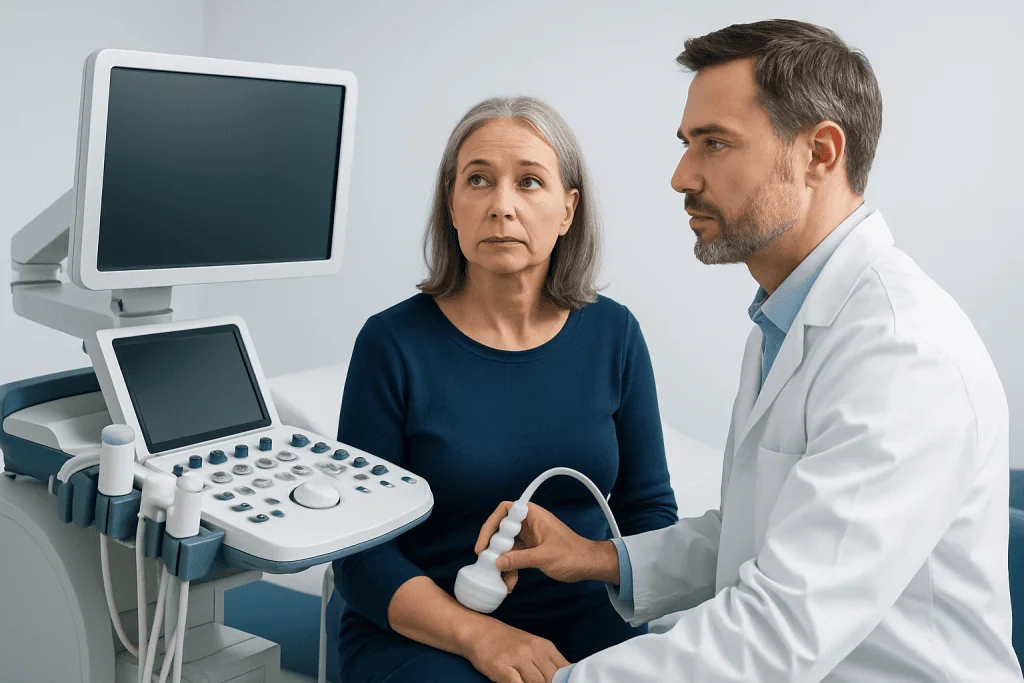
Symptoms usually develop gradually because the body can store vitamin E. In adults, persistent or severe deficiency may affect the nervous system. A person may notice muscle weakness, reduced reflexes, poor coordination, unsteadiness when walking, numbness or tingling, and difficulty sensing the position of their limbs.
Vision can also be affected in longstanding deficiency. Some people develop retinal changes, and infants or children with severe deficiency may have developmental or neurological concerns. Vitamin E helps protect red blood cells; low levels may therefore contribute to hemolytic anemia, a condition in which red blood cells break down earlier than normal.
These symptoms are not specific to vitamin E deficiency and can occur for many other reasons, including other nutritional deficiencies, neurological conditions and medication effects. New balance problems, weakness, changes in vision or persistent numbness deserve medical assessment rather than self-treatment with supplements.
Causes and who may be at higher risk

Conditions that reduce the absorption of fat are the leading causes of vitamin E deficiency. Examples include cholestatic liver or bile-duct disease, pancreatic insufficiency, cystic fibrosis, inflammatory bowel disease, coeliac disease and disorders affecting the small intestine. People who have had certain intestinal or bariatric operations may also need assessment for fat-soluble vitamin deficiencies.
Rare inherited conditions can interfere with how vitamin E is transported or metabolized. These include ataxia with vitamin E deficiency, which can cause progressive neurological symptoms without treatment. Very premature infants are another group at risk because their vitamin E stores are limited and their nutritional needs are specialized.
Restrictive diets can contribute when they severely limit calories or dietary fat, particularly if there is an additional digestive condition. However, a low-fat eating pattern alone does not commonly cause deficiency in otherwise healthy adults. A clinician will consider the whole nutritional picture, digestive symptoms, medical history and medicines before deciding why a level is low.
Diagnosis and the role of medical testing
Doctors usually diagnose vitamin E deficiency by measuring alpha-tocopherol in blood. Since vitamin E circulates with blood lipids, the result may be interpreted alongside cholesterol or other lipid measurements. A single result should be considered in context, as illness, nutritional status and laboratory methods can influence interpretation.
The clinical assessment also looks for signs of poor fat absorption, such as chronic diarrhea, pale or greasy stools, unintended weight loss, abdominal symptoms or poor growth in children. Depending on the situation, testing may include blood counts, liver tests, pancreatic assessment, coeliac testing or imaging and specialist review.
Finding the cause matters as much as replacing the vitamin. For example, someone with pancreatic insufficiency or a bile-flow disorder may need treatment for the underlying condition and a tailored plan for monitoring fat-soluble vitamins. People with complex digestive disease may benefit from coordinated gastroenterology and nutrition care.
Food sources, daily intake and safe consumption
For most people, food is the preferred source of vitamin E. Good sources include sunflower, safflower and wheat germ oils; almonds and other nuts; sunflower seeds; peanuts; avocado; spinach; and other green leafy vegetables. Including a modest amount of healthy dietary fat with meals can help the body absorb vitamin E from plant foods.
Nutrition guidance for adults generally recommends 15 mg of alpha-tocopherol daily. Needs vary by age and life stage, and infants, children, pregnant people and those with medical conditions should follow individualized advice. Foods naturally rich in vitamin E are not known to cause vitamin E toxicity when eaten as part of a balanced diet.
Many multivitamins contain vitamin E near the daily recommended amount. By contrast, single-ingredient products may provide much larger doses, sometimes expressed in international units rather than milligrams. Product labels can be difficult to compare because natural and synthetic forms are measured differently. A pharmacist, doctor or dietitian can help interpret a label and decide whether a supplement is needed.
What evidence supports—and does not support—supplements
Vitamin E supplementation is clinically useful when a deficiency has been confirmed or is strongly expected because of a condition that prevents normal absorption. In these circumstances, the form, amount and monitoring schedule should be selected by a clinician. People with malabsorption may require specialized preparations and follow-up blood tests rather than an over-the-counter product chosen independently.
For people without deficiency, research has not shown that vitamin E supplements reliably prevent heart disease, cancer, dementia or age-related decline. Supplements should therefore not replace a balanced diet, prescribed treatment, blood pressure control, smoking cessation or other proven preventive measures. Some eye-care regimens contain vitamin E as one component for specific stages of age-related macular degeneration, but these are condition-specific formulations and should be used only on an eye specialist’s advice.
Vitamin E is sometimes promoted for skin, hair, immunity, energy or general “detox” purposes. Current evidence does not establish high-dose oral vitamin E as a general treatment for these concerns. If fatigue, hair loss, frequent illness or skin symptoms persist, it is safer to seek an assessment for the underlying cause than to take escalating doses of supplements.
Side effects, interactions and who should avoid high doses
Vitamin E from food is generally safe. Supplements can cause nausea, diarrhea, stomach cramps, fatigue, headache or blurred vision in some people, particularly at higher amounts. Because vitamin E can affect blood clotting, high supplemental doses may increase the risk of bleeding.
People taking warfarin or other anticoagulants, antiplatelet medicines, or medicines that affect bleeding should ask their prescribing clinician before using vitamin E supplements. Medical advice is also important for people with a bleeding disorder, those preparing for surgery or dental procedures, and anyone receiving cancer treatment. Supplements can complicate care even when they are sold without a prescription.
Pregnant or breastfeeding people should avoid high-dose products unless a clinician specifically recommends them. Children should not receive adult-dose vitamin E supplements unless prescribed. A person should tell their healthcare team about all vitamins, herbal products and non-prescription medicines, as this helps prevent interactions and unnecessary duplication across products.
When to seek medical care
Medical care should be sought promptly for new or worsening weakness, poor coordination, trouble walking, persistent numbness, unexplained vision changes, marked fatigue or signs of anemia such as unusual breathlessness or paleness. These symptoms have many possible causes, and early evaluation can help identify conditions that need treatment.
People with cystic fibrosis, chronic pancreatitis, liver or bile-duct disease, coeliac disease, inflammatory bowel disease, a history of intestinal surgery, or long-lasting diarrhea should discuss nutritional monitoring with a doctor. They should not assume that a standard supplement will correct a possible absorption problem.
Acibadem International’s multidisciplinary specialists and JCI-accredited hospitals can assess nutritional deficiencies and the digestive, liver or inherited conditions that may contribute to them for international patients. A clinician can recommend an appropriate testing and treatment plan based on the individual’s symptoms, diet, medicines and medical history.
Frequently asked questions
Can a person be deficient in vitamin E despite eating healthy foods?
Yes. A person can eat vitamin E-rich foods and still develop deficiency if the body cannot digest or absorb fat effectively. This is why doctors often investigate digestive, pancreatic, liver, bile-duct or intestinal conditions when deficiency is found.
How common is vitamin E deficiency?
It is rare in otherwise healthy people with a varied diet. It is more likely in people with fat-malabsorption disorders, certain rare inherited conditions, or specialized nutritional needs such as very premature infants.
What are the best foods for vitamin E?
Nuts, seeds, vegetable oils, avocado and green leafy vegetables are useful food sources. Examples include almonds, sunflower seeds, sunflower oil, wheat germ oil and spinach. Eating these foods as part of regular meals usually provides vitamin E safely.
Should someone take vitamin E every day?
Not everyone needs a separate vitamin E supplement. Many people meet their needs through food, and a standard multivitamin may be appropriate for some individuals. A separate supplement is best reserved for a clinician-confirmed need or specific medical recommendation.
Can vitamin E supplements cause bleeding?
High supplemental amounts can affect blood clotting and may raise bleeding risk, particularly in people who use anticoagulant or antiplatelet medicines. Anyone taking these medicines should speak with their prescribing clinician before starting vitamin E.
How is vitamin E deficiency treated?
Treatment involves addressing the cause and replacing vitamin E when needed. The supplement type and amount depend on the person’s age, severity of deficiency and ability to absorb fat. Follow-up testing may be needed to ensure levels improve safely.
References
- National Institutes of Health Office of Dietary Supplements
- Merck Manual Professional Edition
- World Health Organization
- European Society for Clinical Nutrition and Metabolism
- National Health Service
This article is for general information only and is not a substitute for professional medical advice. Please consult a qualified doctor about your individual situation.
Explore treatments in Turkey — costs, top hospitals & a free quote
JCI-accredited · board-certified surgeons · reply within 24h
Add us as a Preferred Source to see more of our trusted health content across Google Search, AI Overviews and Discover.
Check your numbers in seconds
BMI, calories, due date, blood pressure and 30+ more clinical calculators — free, instant, doctor-reviewed ranges.

More from the Health Library



Related Specialists
Prof. Dr. Koray Güven
Radiology
Prof. Dr. Bülent Karabulut
Medical Oncology
Dr. Nazife Kartal Kara
Gynecology & Obstetrics
Assoc. Prof. Dr. Onur Tunalı
Orthopedic Surgery & Traumatology