Benign benign: Symptoms, Causes, and Treatment — Complete Patient Guide

Benign means noncancerous, but it does not always mean harmless or symptom-free. A benign finding can include cysts, polyps, tumors, enlarged tissue, or imaging changes.
Key Takeaways
- Benign means noncancerous, but it does not always mean harmless or symptom-free.
- A benign finding can include cysts, polyps, tumors, enlarged tissue, or imaging changes.
- Diagnosis often relies on a physical exam, imaging, lab tests, and sometimes biopsy.
- Treatment depends on the type, location, symptoms, and whether the finding changes over time.
- New, growing, painful, or unexplained lumps should be assessed by a qualified doctor.
Benign benign usually describes a noncancerous change, lump, tumor, or test result. In most cases, it means the finding does not invade nearby tissues like cancer, but it can still cause symptoms, require monitoring, or need treatment depending on its size, location, and effect on health.
Overview: what “benign benign” means
The phrase benign benign is not a formal medical diagnosis. People often search it after seeing the word benign in a report, hearing it during a consultation, or trying to understand whether a lump, cyst, or tumor is serious. In medicine, benign generally means noncancerous. It describes a change that does not have the typical behavior of cancer, such as uncontrolled invasion into nearby tissues or spread to distant parts of the body.
Even so, a benign finding is not always insignificant. Some benign growths can press on nearby structures, cause pain, bleeding, blockage, cosmetic concerns, or changes in organ function. Others remain stable and never need treatment. The most important point is that benign does not automatically mean “nothing to worry about”; it means the condition should be understood in context.
Doctors use the term benign in many situations, including skin lumps, breast changes, thyroid nodules, uterine fibroids, colon polyps, cysts, and imaging findings. Whether a benign condition needs treatment depends on what it is, where it is located, how large it is, and whether it is causing symptoms. If there is uncertainty, additional evaluation may be recommended to confirm the diagnosis.
How benign conditions differ from cancer
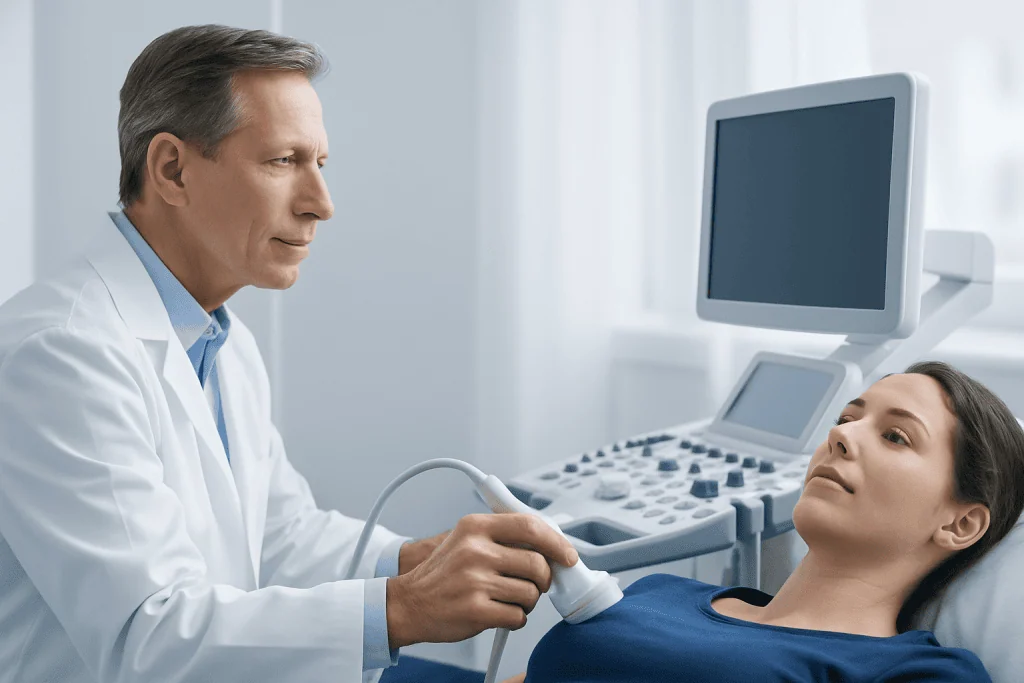
A benign growth is made of cells that usually grow more slowly and remain localized. It typically has clearer borders and does not spread to distant organs. By contrast, malignant growths are cancerous, may invade surrounding tissues, and can sometimes metastasize. This difference is why hearing that a finding is benign is often reassuring.
However, some benign conditions can look similar to cancer at first. For example, a lump in the breast, thyroid, skin, or soft tissue may need imaging or biopsy before it can be confidently labeled benign. In other cases, a finding starts as uncertain or indeterminate and is clarified only after follow-up. This is one reason doctors may recommend repeat scans, blood tests, or tissue sampling.
It is also important to know that benign and malignant are not the only possibilities. Some findings are described as precancerous, atypical, or borderline, meaning they are not cancer but may carry a higher future risk. If a report mentions terms such as breast cancer or concern for a possible tumor, a specialist may explain what the result means and whether more testing is needed.
Possible symptoms and when benign findings cause problems
Many benign conditions cause no symptoms and are found by chance during a routine exam or imaging test. Others become noticeable because they form a lump, create pressure, or affect nearby tissues. Symptoms vary widely depending on the body part involved. A skin cyst may be visible and tender, while a benign growth inside the abdomen may cause fullness or discomfort.
Common symptoms that can occur with benign conditions include:
- A lump or swelling
- Pain, tenderness, or pressure
- Bleeding or discharge
- Changes in skin color or texture
- Changes in bowel, bladder, or menstrual patterns
- Difficulty swallowing, breathing, or moving, depending on location
Sometimes the symptoms come not from the growth itself but from its size or position. For instance, a benign thyroid nodule can affect swallowing, a uterine fibroid may contribute to heavy periods, and a nasal polyp can block airflow. A benign brain lesion or growth near nerves may cause headaches, numbness, or weakness even though it is not cancerous. Symptom severity does not always indicate whether a condition is benign or malignant, which is why proper assessment matters.
Causes and risk factors
There is no single cause of all benign conditions. Some develop from normal tissue overgrowth, hormone-related changes, blocked glands, inflammation, inherited traits, or age-related changes. Examples include lipomas made of fatty tissue, cysts that form when fluid collects, fibroids influenced by hormones, and certain moles related to sun exposure or genetics.
Risk factors depend on the specific condition. They may include family history, age, sex, hormonal factors, long-term irritation, infections, prior injury, obesity, or smoking. In some cases, doctors do not identify a clear cause. A benign finding can appear in otherwise healthy people with no obvious risk factors.
Because the term benign covers many different conditions, understanding the exact diagnosis matters more than the label alone. For example, a simple cyst is very different from a benign thyroid nodule or a noncancerous colon polyp. If the finding is in the digestive tract and further evaluation is needed, tests such as colonoscopy may help determine what it is and whether it should be removed or monitored.
How doctors diagnose a benign finding
Diagnosis begins with a medical history and physical examination. The doctor asks when the change was first noticed, whether it is growing, whether it is painful, and whether there are related symptoms such as bleeding, weight loss, fever, or fatigue. The examination helps assess size, consistency, mobility, and whether nearby structures are affected.
Imaging tests are often used to learn more. Ultrasound can help distinguish solid from fluid-filled lesions. Mammography, X-ray, CT, or MRI may be recommended depending on the location. Blood tests can sometimes support the evaluation, especially if hormone-producing organs or inflammation are involved. In many situations, imaging strongly suggests that a finding is benign, but sometimes tissue confirmation is still needed.
A biopsy may be advised if the diagnosis is unclear, if the lump is enlarging, or if there are features that need closer analysis. During a biopsy, a small sample is taken and examined under a microscope. This is often the most reliable way to confirm whether tissue is benign. If specialists need to remove the entire growth or examine a difficult area in more detail, biopsy or a minor procedure may be part of the diagnostic plan.
Treatment options and follow-up
Not every benign condition needs active treatment. If it is small, clearly harmless, and not causing symptoms, the doctor may recommend watchful waiting. This usually means monitoring for changes in size, appearance, or symptoms over time. Follow-up can involve repeat examinations or imaging at intervals based on the specific condition.
When treatment is needed, the approach depends on the underlying diagnosis. Options may include medications to reduce symptoms, draining a cyst, removing a polyp, or surgically excising a benign tumor that is painful, growing, or affecting function. For example, a troublesome skin lesion may be removed for comfort or cosmetic reasons, while a benign breast lump may be monitored or sampled depending on imaging findings and symptoms. In some cases, treatment also helps ensure the diagnosis is correct and complete.
If a procedure is advised, the doctor explains the reason, expected benefits, and possible risks. Benign conditions can usually be managed successfully, but follow-up remains important because some can recur or change over time. Near the end of the care pathway, patients may also seek multidisciplinary evaluation; Acibadem International’s specialists in JCI-accredited hospitals diagnose and treat benign and suspicious findings for international patients when advanced assessment or coordinated care is needed.
Self-care, monitoring, and prevention
There is no universal way to prevent all benign conditions, because they arise from many different causes. Still, general health habits can support early detection and overall well-being. These include attending routine checkups, being aware of one’s normal body changes, and following age-appropriate screening advice. Skin protection from excessive sun exposure, smoking cessation, and maintaining a healthy weight may also lower risk for some conditions.
At home, people should avoid repeatedly squeezing, puncturing, or manipulating a lump or cyst, because this can cause irritation, infection, or scarring. It may be helpful to note when the change first appeared, whether it is growing, and whether symptoms occur with activity, menstrual cycles, or certain foods. This information can help a doctor interpret the finding more accurately.
Self-monitoring should not replace medical advice when a new lump or unexplained symptom appears. If the doctor recommends observation, patients should follow the suggested schedule and report any changes promptly. Even when a condition is believed to be benign, new symptoms such as rapid growth, skin ulceration, persistent pain, or unexplained bleeding should be reassessed.
When to seek medical care
Medical review is advisable for any new lump, swelling, or unexplained body change that lasts more than a short time. A doctor should also assess findings that are enlarging, painful, firm, fixed in place, or associated with bleeding, discharge, fever, or unexplained weight loss. While these symptoms do not necessarily mean cancer, they deserve professional evaluation.
More urgent care may be needed if a benign-appearing condition suddenly causes severe pain, signs of infection, breathing difficulty, trouble swallowing, weakness, or changes in vision or speech. These symptoms may indicate pressure on important structures or another problem that requires timely treatment. If there is doubt, it is safest to seek medical advice rather than assume a finding is harmless.
People with a personal or family history of cancer, a previous abnormal biopsy, or ongoing concerns after imaging may benefit from specialist review. Depending on the location, this may involve a dermatologist, surgeon, gynecologist, gastroenterologist, endocrinologist, or radiologist. The goal is not to create alarm, but to make sure a benign diagnosis is accurate and that the best plan for follow-up or treatment is in place.
Frequently asked questions
What does benign benign mean?
It usually means a person is trying to understand the word benign in a medical context. Benign generally means noncancerous. It does not always mean the finding is unimportant, because some benign conditions can still cause symptoms or need monitoring.
Can a benign tumor become cancerous?
Most benign tumors do not turn into cancer. However, some conditions may be misclassified at first, and some abnormal or precancerous changes can increase future risk. That is why doctors sometimes recommend biopsy or follow-up imaging.
Do all benign lumps need to be removed?
No. Many benign lumps can simply be observed if they are small, stable, and not causing symptoms. Removal may be recommended if the lump is painful, growing, affecting function, cosmetically troubling, or unclear in diagnosis.
How can a doctor tell if a growth is benign?
Doctors use a combination of medical history, physical examination, imaging, and sometimes biopsy. In some cases, scans strongly suggest a benign process. When the appearance is uncertain, tissue analysis provides the clearest answer.
Is benign the same as harmless?
Not always. Benign means noncancerous, but a benign condition can still bleed, become infected, press on nearby tissues, or interfere with normal function. The impact depends on the location and size of the finding.
Should a benign finding still be followed over time?
Sometimes, yes. Follow-up is common when a lesion is new, when symptoms are present, or when doctors want to confirm that it stays stable. The follow-up plan depends on the type of benign condition and the level of certainty in the diagnosis.
References
This article is for general information only and is not a substitute for professional medical advice. Please consult a qualified doctor about your individual situation.
Oncology care in Turkey — second opinion and treatment plan
JCI-accredited · board-certified surgeons · reply within 24h
Add us as a Preferred Source to see more of our trusted health content across Google Search, AI Overviews and Discover.