Best Exercises for Posture: An Evidence-Based Guide for Patients
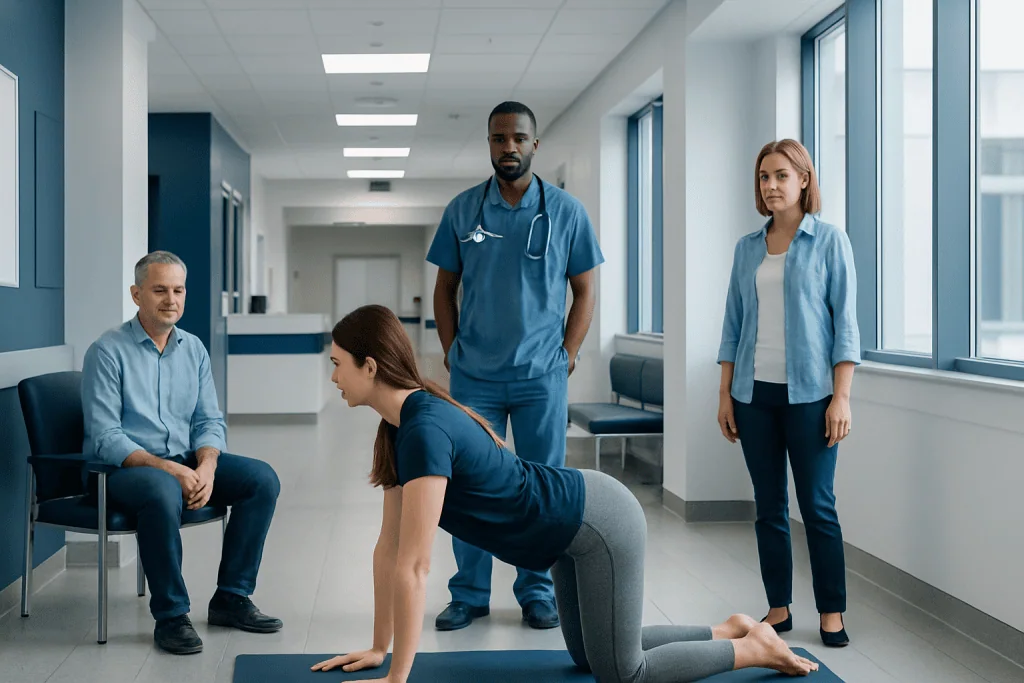
The best exercises for posture usually combine strengthening, mobility, and breathing practice. Posture is dynamic, so changing positions often is as important as exercising.
Key Takeaways
- The best exercises for posture usually combine strengthening, mobility, and breathing practice.
- Posture is dynamic, so changing positions often is as important as exercising.
- Upper back, deep core, glute, and neck endurance all support better alignment.
- Exercise should be gentle and progressive, especially if pain, stiffness, or deconditioning is present.
- Persistent pain, numbness, weakness, or balance problems should be assessed by a clinician.
The best exercises for posture are those that improve body awareness, strengthen the upper back and core, and restore mobility in the chest, shoulders, hips, and thoracic spine. For many people, a simple, consistent routine works better than aggressive stretching or intense workouts.
Overview: Which exercises help posture most?
The best exercises for posture are typically not a single “perfect” movement. They are a small group of exercises that strengthen the muscles that hold the body upright, improve flexibility where the body has become stiff, and retrain everyday movement patterns. In practice, this often means combining upper-back strengthening, core control, hip work, chest and hip-flexor stretching, and gentle neck positioning drills.
Good posture does not mean staying rigidly straight all day. Healthy posture is the ability to change positions comfortably, keep the head, trunk, and pelvis reasonably aligned for the task at hand, and avoid unnecessary strain on joints and muscles. A person can have a generally neutral posture and still sit, stand, bend, and reach in different ways throughout the day.
Evidence from rehabilitation and musculoskeletal care supports a practical approach: regular movement, muscle endurance, and mobility matter more than trying to “force” the body into one ideal shape. This is especially relevant for people who spend long hours at a desk, use phones frequently, carry stress in the shoulders, or have become less active over time.
How posture changes and why exercise can help
Posture is influenced by muscle strength, flexibility, joint mobility, pain, vision, breathing patterns, fatigue, mood, and daily habits. Long periods of sitting, repetitive forward-reaching tasks, or reduced physical activity can contribute to rounded shoulders, forward head position, stiff hips, and a less active core and upper back. These changes do not always cause symptoms, but they can increase muscular strain in some people.
Exercise helps by improving the body systems that support alignment. Strengthening exercises build endurance in the deep abdominal muscles, gluteal muscles, and the muscles between the shoulder blades. Mobility work can reduce tightness in the chest, front of the shoulders, upper back, and hip flexors. Breathing practice can also help, because shallow chest breathing may reinforce tension in the neck and shoulders.
It is also important to recognize that posture-related discomfort can overlap with other conditions. Neck pain, back pain, shoulder impingement, or spinal curvature problems may contribute to symptoms and sometimes need a more tailored plan. When pain is ongoing, evaluation for scoliosis or other bone, joint, or nerve-related causes may be appropriate.
Best exercises for posture
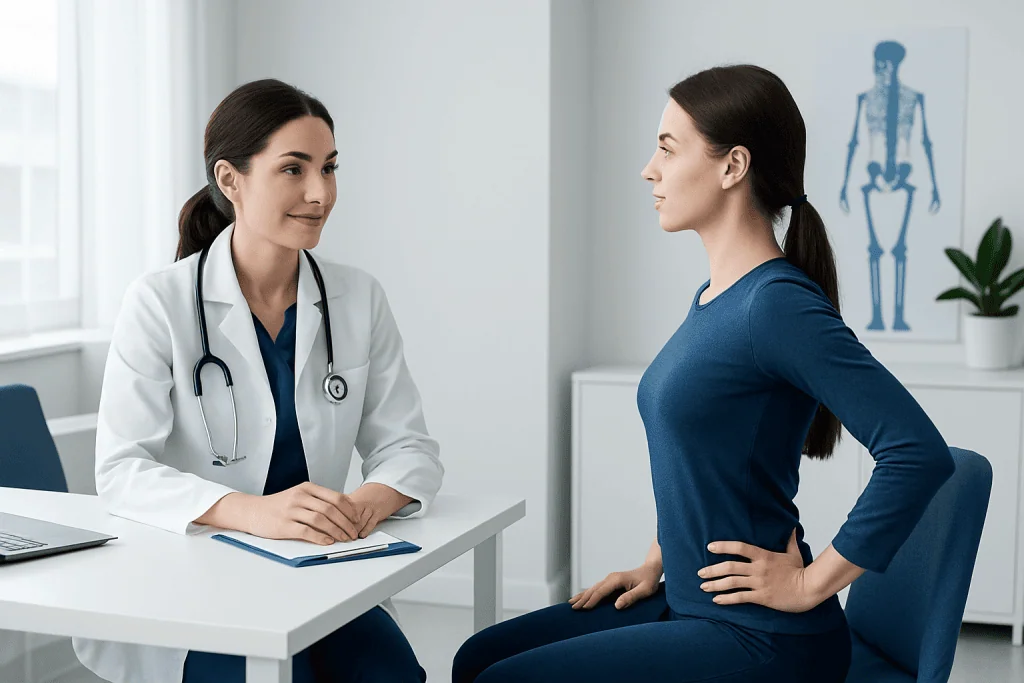
A useful posture routine usually includes both strengthening and mobility. The exercises below are commonly recommended because they address the areas that most often need support: the upper back, neck, chest, core, hips, and pelvis. Movements should be controlled and comfortable, with steady breathing and no forced range of motion.
- Chin tuck: Gently draw the head backward as if making a “double chin,” keeping the eyes level. This can improve awareness of head and neck position and build endurance in the deep neck flexor muscles.
- Wall angels or wall slides: Standing with the back near a wall, slowly slide the arms upward and downward while keeping the ribs relaxed. This helps shoulder mobility and upper-back control.
- Scapular retraction: Pull the shoulder blades gently down and back without shrugging. This strengthens the mid-back muscles that support the shoulders.
- Thoracic extension over a chair or rolled towel: A gentle extension movement through the upper back can counter prolonged slouching and improve chest opening.
- Doorway chest stretch: A mild stretch across the chest and front shoulders may reduce tightness from desk work or device use.
- Pelvic tilt and dead bug variations: These train abdominal control and help coordinate the spine and pelvis during movement.
- Glute bridge: Strengthens the gluteal muscles and posterior chain, which support the pelvis and lower back.
- Hip flexor stretch: A kneeling or standing stretch can ease front-of-hip tightness that may contribute to an anterior pelvic tilt in some people.
- Bird-dog: Builds trunk stability while training the body to control movement through the spine and hips.
- Rowing movements with a band: Band rows strengthen the upper back and can be a practical home exercise for rounded-shoulder posture.
These exercises are often more effective when performed in a balanced way instead of focusing only on stretching. For example, repeatedly stretching the chest without also strengthening the upper back may provide only temporary relief. Likewise, strengthening the core without improving upper-back mobility may not change the way a person sits or stands.
For people with persistent neck or back symptoms, a clinician may recommend a more structured rehabilitation plan, such as physical therapy and rehabilitation, to match exercises to the person’s pain pattern, mobility, and daily activities.
How to build a safe and effective posture routine
Consistency usually matters more than intensity. A short routine done most days often works better than a long session performed only occasionally. Many people benefit from 10 to 20 minutes of posture-focused exercise, along with frequent movement breaks during the day. For office workers, even standing, walking, or gently resetting posture every 30 to 60 minutes can reduce stiffness and muscle fatigue.
A balanced routine often follows a simple sequence: first, gentle mobility work for the chest, upper back, and hips; second, strengthening for the core, glutes, and upper back; third, a brief posture reset in sitting or standing. Breathing should stay calm and steady. If a movement increases pain sharply, causes tingling, or leads to dizziness, it should be stopped and reviewed with a qualified professional.
Progression should also be gradual. Starting with low repetitions and shorter holds helps the body adapt without flaring symptoms. Over time, the goal is not just to perform exercises well, but to carry those movement patterns into daily life: screen height, sitting support, lifting technique, walking posture, and sleep setup all influence results.
Daily habits that support better posture
Exercise works best when paired with practical changes in everyday routines. Desk and device habits are common contributors to neck, shoulder, and back strain. Helpful adjustments include keeping screens close to eye level, supporting the feet on the floor when sitting, keeping elbows near the body, and avoiding long periods with the neck bent forward over a phone.
Sleep and carrying habits can matter too. A pillow that keeps the neck in a neutral position may be more comfortable than one that pushes the head too far forward. Carrying heavy bags on one side for long periods can strain the neck and shoulders, so distributing weight evenly is preferable. Stress management can also help, because stress may increase jaw clenching and shoulder elevation.
Regular general exercise supports posture indirectly by improving endurance, joint mobility, circulation, mood, and body awareness. Walking, swimming, yoga, Pilates, and resistance training can all complement a posture program when chosen appropriately. If joint pain or spinal symptoms are limiting activity, a specialist in orthopedics and traumatology may help identify contributing musculoskeletal issues.
What posture exercises can and cannot do
Posture exercises can improve comfort, body awareness, muscular endurance, and movement quality. In many people, they reduce the sense of tightness in the neck, shoulders, and lower back and help daily tasks feel easier. They may also improve the appearance of rounded shoulders or slumped sitting over time, especially when paired with healthier work and activity habits.
However, posture exercises are not a cure-all. Not every ache is caused by posture, and there is no single ideal posture that guarantees a pain-free life. Some people with “poor” posture have no pain, while some with seemingly good posture do have pain. Symptoms can also come from arthritis, disc problems, nerve compression, inflammatory conditions, or structural differences in the spine.
If the posture change is pronounced, asymmetrical, or associated with pain or neurologic symptoms, medical assessment is important. In selected cases, evaluation with spine surgery teams may be considered when structural spinal disorders are suspected, though most posture-related concerns are managed conservatively and do not require surgery.
When to seek medical care
Posture-related stiffness is common, but some symptoms should not be dismissed. Medical care is appropriate if pain is persistent, worsening, or interfering with sleep, work, or daily function. A clinician should also assess symptoms that do not improve with rest, activity changes, and a gradual exercise program.
Prompt evaluation is especially important if there is numbness, tingling, weakness, loss of coordination, balance problems, pain after an injury, unexplained weight loss, fever, or changes in bladder or bowel control. These symptoms may point to something more than simple muscular strain.
Children and adolescents with visible spinal asymmetry, one shoulder higher than the other, or rib prominence may need assessment for structural conditions such as spinal curvature problems. Adults with severe or recurring neck and back pain may also benefit from rehabilitation or specialist evaluation. Near the end of the care pathway, Acibadem International’s multidisciplinary specialists in JCI-accredited hospitals diagnose and treat musculoskeletal and spine conditions for international patients.
Frequently asked questions
What are the best exercises for posture at home?
Common home exercises for posture include chin tucks, wall slides, doorway chest stretches, glute bridges, bird-dog, and band rows. The best mix usually combines mobility for tight areas with strengthening for the upper back, core, and hips.
How long does it take for posture exercises to work?
Some people notice less stiffness or better body awareness within a few weeks of regular practice. Visible or lasting changes often take longer and depend on consistency, work habits, overall activity level, and whether pain or an underlying condition is present.
Can posture exercises reduce back and neck pain?
They can help many people, especially when discomfort is related to muscle fatigue, reduced mobility, or prolonged sitting. Still, not all pain is caused by posture, so persistent or severe symptoms should be assessed by a clinician.
Should posture exercises be done every day?
Light posture exercises and movement breaks are often appropriate daily, especially for desk-based routines. More demanding strengthening exercises may be alternated depending on fatigue, soreness, and individual guidance.
Are posture correctors better than exercise?
Posture correctors may provide short-term feedback or support for some people, but they do not replace active muscle control. Exercise is usually more helpful for building strength, endurance, and long-term movement habits.
Can poor posture cause headaches?
Neck and shoulder tension related to sustained positions may contribute to some headaches in certain people. Because headaches can have many causes, frequent, severe, or unusual headaches should be discussed with a doctor.
This article is for general information only and is not a substitute for professional medical advice. Please consult a qualified doctor about your individual situation.
Joint and spine care in Turkey — expert assessment & treatment
JCI-accredited · board-certified surgeons · reply within 24h
Add us as a Preferred Source to see more of our trusted health content across Google Search, AI Overviews and Discover.

More from the Health Library

Skin Tag: A Complete Medical Overview

Catarrhalis Bacteria: An Evidence-Based Guide for Patients

Fast metabolism: A Complete Medical Guide for Patients

Gotu Kola: A Complete Medical Overview

Pancoast Tumor — Explained by Medical Evidence, Not Myths