Best Migraine Medicine for Your Symptoms: Pain, Nausea, or Aura?

The best migraine medicine depends on the person’s symptoms, how often attacks happen, and any other health conditions. Acute migraine medicines aim to stop or reduce an attack once it starts, while preventive medicines reduce how often migraines happen.
Key Takeaways
- The best migraine medicine depends on the person’s symptoms, how often attacks happen, and any other health conditions.
- Acute migraine medicines aim to stop or reduce an attack once it starts, while preventive medicines reduce how often migraines happen.
- Pain, nausea, vomiting, light sensitivity, and aura may each need a slightly different treatment approach.
- Early treatment often works better, especially when taken at the first signs of a migraine attack.
- A doctor should review frequent headaches, new neurological symptoms, or overuse of pain medicines.
Migraine medicine is not one-size-fits-all. The best option depends on whether the main problem is pain, nausea, aura, frequent attacks, or a combination of symptoms.
Overview: How Migraine Medicine Is Chosen
Migraine is a neurological condition that can cause throbbing or pulsating head pain, sensitivity to light or sound, nausea, vomiting, and visual or sensory changes called aura. Because migraine symptoms vary widely from one person to another, the best migraine medicine is usually selected based on the person’s main symptoms, the severity of attacks, and how often they occur.
In general, migraine treatment falls into two groups. Acute, or rescue, medicines are taken during a migraine attack to reduce pain and other symptoms. Preventive medicines are taken regularly to lower the number of migraine days and make attacks less severe over time. Some people need only occasional acute treatment, while others benefit from a prevention plan as well.
Choosing migraine medicine also depends on age, pregnancy status, other medical conditions, and the risk of side effects. A treatment that works well for one person may not be suitable for another. A doctor can help tailor therapy so that treatment is both effective and safe.
Medicines for Migraine Pain
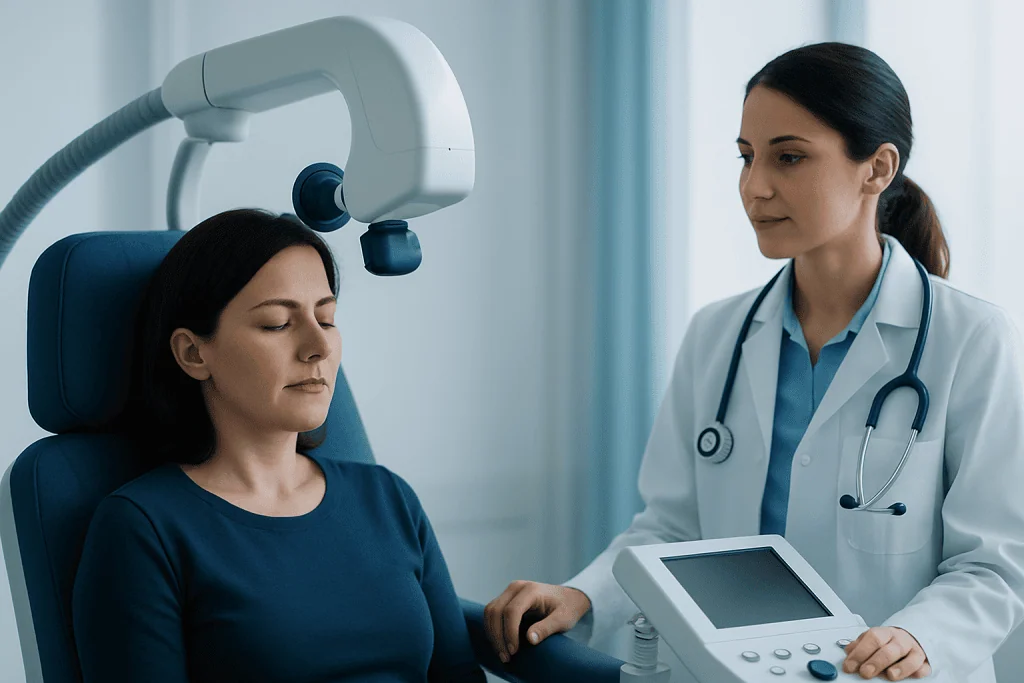
When pain is the main symptom, mild to moderate migraine attacks may improve with common pain relievers. These can include acetaminophen or nonsteroidal anti-inflammatory drugs, often called NSAIDs, such as ibuprofen or naproxen. These medicines may work best when taken early in the attack, before the pain becomes severe.
For moderate to severe migraine, doctors may prescribe migraine-specific medicines such as triptans. These medicines are designed to target migraine pathways and can reduce pain as well as sensitivity to light and sound. For some people, newer acute treatments such as gepants or ditans may be considered, especially if triptans are not effective or are not appropriate because of other health issues.
Not every pain medicine is ideal for migraine. Opioid pain medicines are generally avoided unless there is a very specific reason, because they can lead to dependence, reduced effectiveness over time, and medication-overuse headache. If migraine attacks are frequent, relying on pain medicine too often can actually make headaches harder to control.
- Mild attacks: simple pain relievers may help
- Moderate to severe attacks: migraine-specific medicines may be needed
- Frequent use of acute medicines can cause rebound or medication-overuse headache
Medicines for Nausea, Vomiting, and Sensitivity

Nausea and vomiting are common migraine symptoms, and for some people they are as disabling as the head pain itself. If nausea is prominent, a doctor may recommend an anti-nausea medicine. These medicines can help settle the stomach and may also improve the body’s ability to absorb oral migraine medicines.
When vomiting makes it hard to keep tablets down, non-oral options may be more helpful. Depending on the medicine, this can include nasal sprays, dissolvable forms, injections, or other delivery methods. This can be especially useful for people whose migraine attacks escalate quickly.
Light sensitivity, sound sensitivity, and motion sensitivity often improve as the migraine itself is treated. Resting in a quiet, dark room and staying hydrated may provide additional support. If nausea or vomiting is severe, repeated, or causing dehydration, medical care may be needed promptly.
What About Migraine Aura?
Aura refers to temporary neurological symptoms that can happen before or during a migraine. These symptoms may include flashing lights, zigzag lines, blind spots, tingling, numbness, or difficulty speaking. Aura usually develops gradually and then resolves, but it can be frightening, especially when it happens for the first time.
There is no single medicine that specifically stops aura in every case. In many people, the focus is still on treating the overall migraine attack. Some acute migraine medicines may help if taken early, but they may not reliably prevent the aura itself. Preventive treatment may be recommended if aura is frequent, prolonged, or especially disruptive.
Because some symptoms of aura can resemble stroke, sudden new neurological symptoms should not be assumed to be migraine. A first episode of aura, a major change in usual aura pattern, weakness on one side of the body, or speech difficulty that is unusual for the person should be assessed urgently. In some cases, doctors may evaluate for related neurological conditions such as migraine or other headache disorders before confirming the diagnosis.
When Preventive Migraine Medicine May Help
Preventive migraine medicine is considered when attacks are frequent, severe, long-lasting, or difficult to control with acute treatment alone. The goal is not only to reduce the number of migraines but also to improve daily functioning and reduce reliance on rescue medicine.
Several types of medicines can be used for prevention. Depending on the person’s needs, these may include blood pressure medicines such as certain beta blockers, anti-seizure medicines, some antidepressants, calcitonin gene-related peptide, or CGRP, targeted therapies, and in selected situations botulinum toxin injections for chronic migraine. The best option depends on the migraine pattern, side effect profile, and any coexisting conditions.
Prevention usually takes time to assess. Many medicines need several weeks before their full benefit becomes clear. People with frequent or complex migraine may benefit from specialist review and a structured plan that can include lifestyle strategies along with medical treatment, including options sometimes used in advanced neurology care or targeted pain management programs.
How Doctors Diagnose Migraine and Match the Right Treatment
Migraine is usually diagnosed from the person’s symptoms and headache history. A doctor will ask how the pain feels, how long attacks last, whether there is nausea or aura, what triggers may be involved, and how often medicine is being used. Keeping a headache diary can be very helpful when choosing the best migraine medicine.
Tests are not always needed, but they may be recommended if the headache pattern is unusual or if there are warning signs. These warning signs can include a sudden explosive headache, fever, fainting, confusion, seizures, a new headache after age 50, or neurological symptoms that do not fit the usual migraine pattern. In those situations, doctors may order imaging or other evaluations to rule out other causes.
The treatment plan is then tailored to the individual. For example, someone with occasional migraine and little nausea may do well with a simple acute medicine, while someone with frequent attacks, vomiting, or aura may need a combination approach. In some cases, multidisciplinary assessment may include brain and nerve check-up services to help clarify symptoms and treatment needs.
Self-care, Trigger Management, and Safe Medicine Use
Migraine medicine works best when it is part of a broader management plan. Regular sleep, good hydration, balanced meals, stress management, and consistent exercise can help reduce attacks in some people. Common triggers may include missed meals, hormonal changes, alcohol, certain foods, dehydration, or changes in sleep routine, though triggers are different for each individual.
Taking acute migraine medicine early, according to medical advice, often improves results. At the same time, it is important not to overuse pain relievers or migraine-specific acute medicines. Frequent use can lead to medication-overuse headache, in which headaches become more frequent and harder to treat.
People should also review all medicines and supplements with a doctor or pharmacist, especially if they are pregnant, breastfeeding, have heart disease, uncontrolled blood pressure, liver or kidney disease, or take antidepressants or blood thinners. Safe treatment depends on the whole health picture, not only the headache symptoms.
When to See a Doctor
A doctor should be consulted if migraines are frequent, disabling, changing in pattern, or not improving with usual treatment. Medical review is also important when nausea and vomiting are severe, when over-the-counter medicines are being used often, or when headaches interfere with work, school, sleep, or family life.
Urgent medical attention is needed for a sudden severe headache that peaks quickly, a new headache with weakness, confusion, fainting, seizure, fever, stiff neck, or vision loss, or a headache after a head injury. These symptoms may point to a condition other than migraine and should be evaluated promptly.
For international patients seeking specialist assessment, Acibadem International’s multidisciplinary teams in JCI-accredited hospitals diagnose and treat migraine and related neurological conditions. A personalized plan can help match the right medicine to symptoms such as pain, nausea, aura, or frequent attacks.
Frequently asked questions
What is the best migraine medicine for severe pain?
The best migraine medicine for severe pain often differs from person to person. While simple pain relievers may help mild attacks, severe migraines may need prescription migraine-specific medicines such as triptans or other newer acute treatments. A doctor can decide which option is safest based on symptoms and medical history.
What helps migraine nausea the most?
Migraine nausea may improve when the migraine itself is treated, but some people also need an anti-nausea medicine. If vomiting makes it hard to swallow tablets, non-oral treatments such as nasal or injectable options may be more helpful. Persistent vomiting or signs of dehydration should be assessed by a doctor.
Can migraine aura be treated with medicine?
Aura can be difficult to stop once it begins, and no single medicine works for everyone. Treatment usually focuses on the migraine attack as a whole, and preventive medicines may help if aura happens often. Any new or unusual aura symptoms should be medically evaluated.
When should someone take migraine medicine?
Many acute migraine medicines work best when taken early in the attack, ideally when symptoms first begin. Waiting until pain becomes severe can make treatment less effective. The exact timing depends on the medicine and the person’s migraine pattern, so medical guidance is helpful.
Can taking too much migraine medicine make headaches worse?
Yes. Frequent use of acute headache medicines can lead to medication-overuse headache, sometimes called rebound headache. This can make headaches more frequent and harder to control, which is why regular review with a doctor is important if medicines are needed often.
Do all people with migraine need preventive medicine?
No. Preventive medicine is usually considered when migraines are frequent, prolonged, disabling, or not well controlled with rescue treatment alone. People with occasional attacks may only need acute treatment and lifestyle measures.
References
- World Health Organization
- National Institute of Neurological Disorders and Stroke
- American Migraine Foundation
- International Headache Society
- National Institute for Health and Care Excellence
This article is for general information only and is not a substitute for professional medical advice. Please consult a qualified doctor about your individual situation.
Migraine in Turkey — costs, top hospitals & a free quote
JCI-accredited · board-certified surgeons · reply within 24h
Add us as a Preferred Source to see more of our trusted health content across Google Search, AI Overviews and Discover.