Best Skin Care for Aging Skin: Ingredients, Routines, and Results

Daily broad-spectrum sunscreen is one of the most effective steps for aging skin. Retinoids, moisturizers, antioxidants, and exfoliating acids can support healthier-looking skin when used correctly.
Key Takeaways
- Daily broad-spectrum sunscreen is one of the most effective steps for aging skin.
- Retinoids, moisturizers, antioxidants, and exfoliating acids can support healthier-looking skin when used correctly.
- A simple routine is often more effective and better tolerated than using many products at once.
- Results usually develop gradually over weeks to months, not overnight.
- Sensitive or very dry aging skin may need slower introduction of active ingredients.
- A dermatologist can help with persistent concerns such as pigmentation, rosacea, or skin cancer warning signs.
Skin care for aging skin works best when it is consistent, gentle, and based on proven ingredients. Daily sun protection, moisturization, and carefully chosen active ingredients can help improve texture, tone, fine lines, and overall skin comfort over time.
Overview: What Aging Skin Needs
Aging skin changes gradually over time. Natural processes in the skin slow down, and long-term sun exposure, pollution, smoking, stress, and sleep habits can add to these changes. Common concerns include dryness, fine lines, wrinkles, uneven tone, rough texture, loss of firmness, and increased sensitivity.
Good skin care for aging skin does not aim to stop aging. Instead, it supports the skin barrier, protects against further damage, and improves the skin’s appearance and comfort. The most helpful routines are usually simple, consistent, and suited to a person’s skin type, lifestyle, and goals.
Healthy aging skin care often focuses on four basics: gentle cleansing, regular moisturizing, daily sun protection, and one or two evidence-based treatment ingredients. This balanced approach can help skin look brighter, smoother, and more even while reducing irritation from overuse of products.
Common Signs of Aging Skin
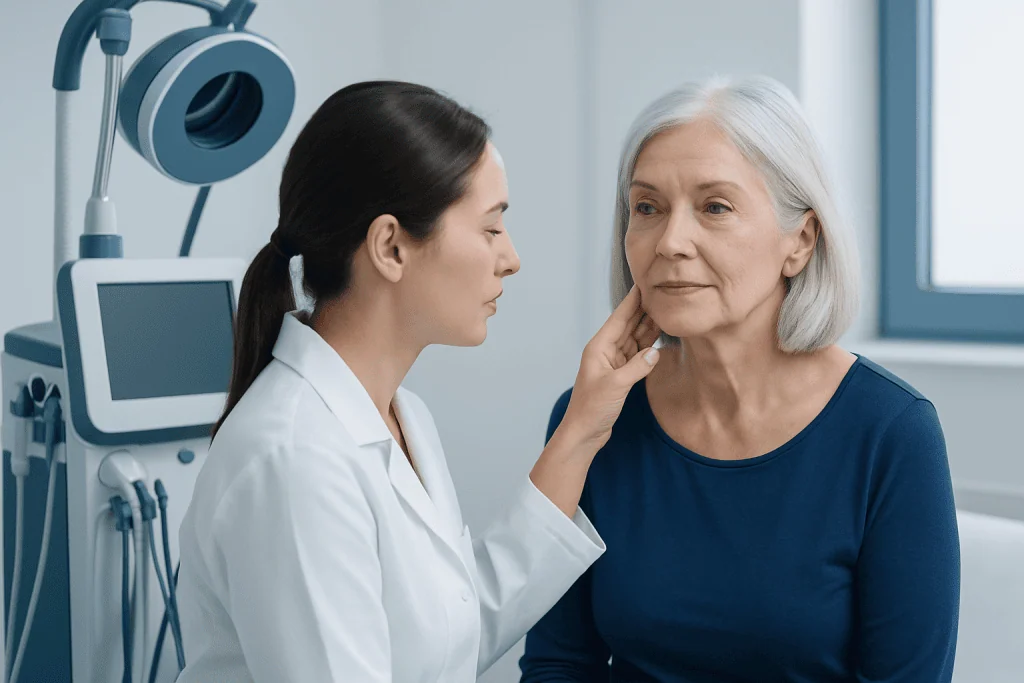
The signs of aging skin can vary from person to person. Genetics play a role, but environmental exposure and daily habits also matter. Some changes develop slowly and may become more noticeable after the 30s and 40s, while others appear earlier with significant sun exposure.
Common signs include:
- Fine lines and deeper wrinkles
- Dryness or tightness
- Rough or dull texture
- Uneven pigmentation, including sun spots
- Loss of elasticity or firmness
- More visible pores
- Thinner, more delicate skin
- Increased sensitivity or redness
Not every sign needs treatment, and many are a normal part of aging. However, changes such as new dark spots, non-healing lesions, or rapidly changing moles should not be treated as cosmetic concerns alone. These need medical assessment to rule out other skin conditions.
Key Ingredients That Can Help

Evidence-based ingredients can improve aging skin when they are used correctly and consistently. Retinoids are among the most widely recommended options. These vitamin A derivatives can support cell turnover, improve fine lines, help smooth texture, and reduce the appearance of uneven pigmentation. Because they may cause dryness or peeling at first, they are often introduced gradually.
Moisturizing ingredients are also essential. Ceramides, glycerin, hyaluronic acid, and squalane help support the skin barrier and reduce water loss. A healthy barrier can make aging skin feel more comfortable and can improve how well active treatments are tolerated.
Antioxidants such as vitamin C may help brighten skin and defend against environmental stress. Niacinamide can support the barrier, reduce the look of uneven tone, and improve tolerance in some routines. Alpha hydroxy acids, such as glycolic or lactic acid, can gently exfoliate and improve texture, but overuse may irritate sensitive skin.
Ingredient choice should be guided by skin type and concerns. Someone with dryness may benefit most from barrier-repairing products, while someone focused on texture and fine lines may add a retinoid. For deeper changes such as volume loss or more pronounced wrinkles, some people discuss office-based options with specialists in dermatology care or cosmetic procedures like Botox treatment when appropriate.
Building a Simple Morning and Evening Routine
Aging skin usually benefits from routines that are steady rather than complicated. In the morning, a gentle cleanser or a simple rinse may be enough, followed by a moisturizer and broad-spectrum sunscreen with adequate SPF. If desired, an antioxidant serum such as vitamin C can be applied before moisturizer.
In the evening, the skin should be cleansed gently to remove sunscreen, makeup, and daily buildup. A treatment product such as a retinoid can be used on dry skin, followed by moisturizer. Those with very sensitive skin sometimes do better by applying moisturizer before and after the retinoid, sometimes called the “sandwich” method.
Example routine steps may include:
- Morning: gentle cleanse, antioxidant or niacinamide, moisturizer, sunscreen
- Evening: cleanse, retinoid or other treatment, moisturizer
- Optional: exfoliating acid on a different night from retinoids if well tolerated
Adding products one at a time is often the safest way to see what helps and what irritates. More products do not necessarily mean better results. A simple routine is easier to maintain and may give the skin time to adjust.
The Role of Sun Protection and Lifestyle
Sun protection is one of the most important parts of skin care for aging skin. Ultraviolet exposure contributes to premature aging, including wrinkles, pigmentation changes, roughness, and loss of elasticity. Broad-spectrum sunscreen used daily helps reduce ongoing damage, even on cloudy days or when spending most of the day indoors near windows.
Protective habits strengthen the effect of skincare products. Wearing hats, sunglasses, and sun-protective clothing can help, especially during long outdoor exposure. Avoiding tanning beds is also important, as they can accelerate skin aging and increase the risk of skin cancer.
Lifestyle choices affect skin as well. Smoking can worsen signs of aging, while poor sleep and chronic stress may affect overall skin health. A balanced diet, regular hydration, physical activity, and consistent sleep all support general well-being and may contribute to healthier-looking skin over time.
When to Expect Results and What Is Realistic
Most skin care results appear gradually. Moisturizers may improve comfort and softness quite quickly, sometimes within days. Brightening ingredients and exfoliants can show visible effects over several weeks. Retinoids often require patience, with clearer improvements in texture and fine lines taking a few months of regular use.
Realistic expectations are important. Skin care can improve dryness, texture, mild discoloration, and the appearance of early lines, but it cannot fully reverse all age-related changes. Deeper wrinkles, significant laxity, and volume loss may respond better to procedures rather than creams alone.
Patience matters because changing products too often can make it difficult to judge whether they are working. If a product causes persistent burning, marked redness, or flaking, it may be too strong or too frequent for the skin. Adjusting the routine often helps more than pushing through irritation.
People seeking more noticeable rejuvenation sometimes ask about options such as dermal fillers or chemical peel treatment. These approaches should be discussed with qualified professionals who can explain potential benefits, limitations, and recovery needs.
Common Mistakes to Avoid
One common mistake is using too many active ingredients at the same time. Combining retinoids, exfoliating acids, and strong vitamin C products without a plan can overwhelm the skin barrier. This may lead to dryness, stinging, redness, or breakouts that make the skin look and feel worse.
Another frequent issue is skipping sunscreen while using anti-aging products. Treatments such as retinoids and exfoliating acids may make skin more sensitive to sunlight, so daily protection becomes even more important. Without it, progress can be slower and sun damage may continue.
Harsh scrubs, very hot water, and strongly fragranced products may also irritate aging skin. Choosing gentle, fragrance-free or low-irritant formulations can be especially helpful for people with dry or sensitive skin. Patch testing new products is a sensible step when reactivity is a concern.
When to See a Dermatologist
Professional advice can be useful when over-the-counter products are not meeting a person’s needs or are causing irritation. A dermatologist can help identify whether dryness, redness, pigmentation, or breakouts are related to aging alone or to another condition such as eczema, rosacea, or skin cancer.
Medical review is especially important for new or changing moles, bleeding spots, sores that do not heal, or patches that repeatedly crust or scab. These changes need proper evaluation rather than self-treatment with cosmetic products. Early assessment helps guide the most appropriate care.
A specialist can also create a personalized routine for concerns such as stubborn pigmentation, acne in mature skin, or sensitivity that limits treatment choices. Near the end of the care journey, some people also explore clinic-based treatments for texture, discoloration, or laxity under expert supervision. Acibadem International’s multidisciplinary specialists and JCI-accredited hospitals diagnose and treat skin concerns for international patients.
Frequently asked questions
What is the best skin care for aging skin?
The best skin care for aging skin usually includes a gentle cleanser, a moisturizer, daily broad-spectrum sunscreen, and one evidence-based treatment such as a retinoid. The ideal routine depends on whether the main concerns are dryness, wrinkles, pigmentation, or sensitivity.
Which ingredients are most helpful for aging skin?
Retinoids, ceramides, hyaluronic acid, glycerin, niacinamide, and vitamin C are commonly recommended for aging skin. These ingredients can support hydration, improve texture, brighten tone, and reduce the appearance of fine lines when used consistently.
How long does it take to see results from an anti-aging skin care routine?
Some benefits, such as better hydration and softness, may appear within days to weeks. Changes in fine lines, texture, and uneven tone often take several weeks to a few months, especially with retinoids and pigment-targeting products.
Can sensitive skin use anti-aging products?
Yes, but it often helps to start slowly and choose gentler formulations. Using a small amount, applying products on alternate nights, and pairing them with a barrier-supporting moisturizer can improve tolerance.
Is sunscreen really necessary if someone stays indoors most of the day?
Yes, sunscreen is still important because ultraviolet light can reach the skin during routine daily exposure, including through windows in some settings. Regular use helps protect against premature skin aging and supports the benefits of other skincare products.
Do expensive anti-aging products work better?
Not necessarily. The effectiveness of a product depends more on its ingredients, formulation, and how well it suits the skin than on its price. Many affordable products contain well-studied ingredients and can work very well.
References
- American Academy of Dermatology
- National Institute on Aging
- British Association of Dermatologists
- Mayo Clinic
- World Health Organization
This article is for general information only and is not a substitute for professional medical advice. Please consult a qualified doctor about your individual situation.
Explore treatments in Turkey — costs, top hospitals & a free quote
JCI-accredited · board-certified surgeons · reply within 24h
Add us as a Preferred Source to see more of our trusted health content across Google Search, AI Overviews and Discover.