Big Intestine Cancer Treatment: How It Works, Results and What to Expect

Treatment is individualized and commonly combines surgery with medicines such as chemotherapy, targeted therapy, or immunotherapy. Early-stage cancer in the large intestine can often be treated with curative intent.
Key Takeaways
- Treatment is individualized and commonly combines surgery with medicines such as chemotherapy, targeted therapy, or immunotherapy.
- Early-stage cancer in the large intestine can often be treated with curative intent.
- Testing of the tumor and imaging results help the care team select the most appropriate approach.
- Recovery depends on the operation and any additional treatment, but most people need structured follow-up and support.
- New or persistent bowel changes, rectal bleeding, unexplained anemia, or abdominal symptoms should be medically assessed.
Big intestine cancer treatment is planned according to where the cancer started, how far it has spread, its molecular features, and the person’s overall health. Surgery is often the main treatment for localized colon cancer, while systemic medicines and, in some cases, radiation are used before or after surgery or to control advanced disease.
Big Intestine Cancer Treatment: How It Works
Big intestine cancer treatment aims to remove or destroy cancer, lower the chance that it returns, and manage symptoms when the disease has spread. The large intestine includes the colon and rectum. Although these cancers are often discussed together as colorectal cancer, their treatment plans can differ because rectal tumors may be treated with radiation and medicines before surgery more often than colon tumors.
The treatment team considers the cancer stage, its exact location, biopsy findings, scan results, molecular tests, general health, and personal priorities. For cancer limited to the bowel, surgery may be the main treatment. For higher-risk or more advanced disease, treatment may combine surgery with chemotherapy, targeted medicines, immunotherapy, radiation therapy, or carefully selected local treatments for spread to organs such as the liver or lungs.
Care is usually coordinated by specialists in colorectal surgery, medical oncology, radiation oncology, gastroenterology, pathology, radiology, nursing, nutrition, and supportive care. A multidisciplinary discussion helps ensure that each part of treatment is timed appropriately and that symptom control, recovery, and quality of life are addressed alongside cancer control.
Who May Be a Candidate for Treatment?
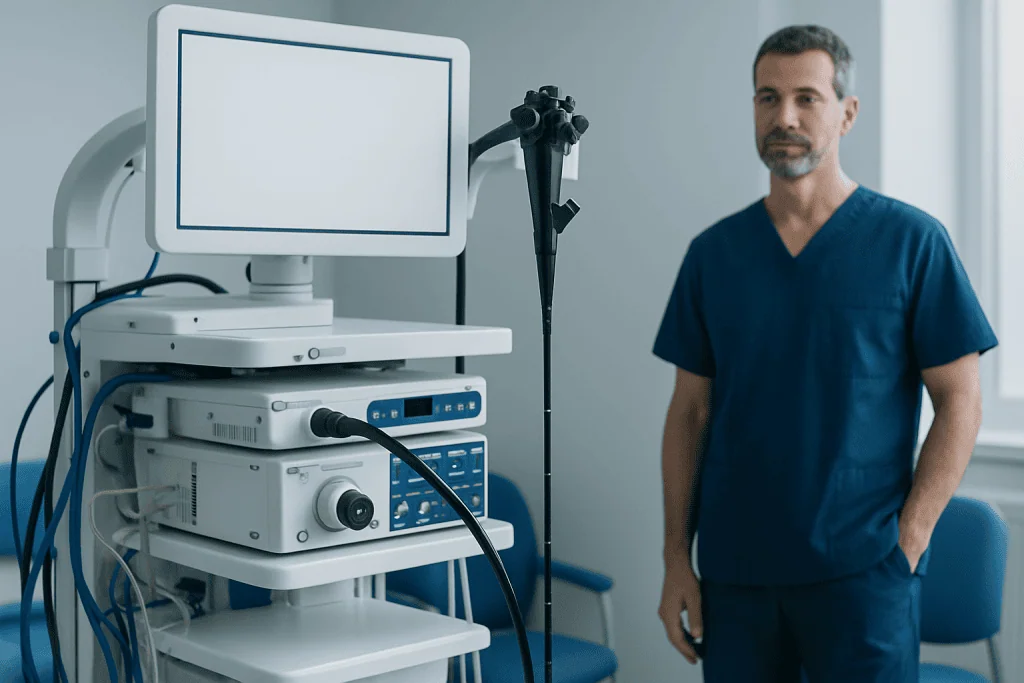
Nearly everyone diagnosed with cancer of the colon or rectum can benefit from an individualized treatment plan, although the goals of care vary. A person with a small, early tumor may be treated with endoscopic removal or surgery alone. Someone with cancer involving nearby lymph nodes may be offered chemotherapy after surgery, while a person with rectal cancer may receive chemotherapy and radiation before an operation to shrink the tumor and improve local control.
For cancer that has spread to distant sites, treatment may still be active and highly personalized. In some situations, metastases can be removed or ablated when they are limited in number and location. In other situations, medicines are used to slow cancer growth, relieve symptoms, and preserve daily function. A person’s fitness for treatment, nutritional status, bowel function, kidney and liver function, and other medical conditions are all important considerations.
Before recommending therapy, clinicians commonly review a colonoscopy and biopsy, blood tests, chest and abdominal imaging, and tumor marker testing such as carcinoembryonic antigen (CEA). Tumor testing may look for mismatch repair deficiency or microsatellite instability and gene changes including RAS and BRAF, which can influence whether immunotherapy or particular targeted medicines are appropriate.
Step by Step: Tests, Surgery, and Additional Treatment
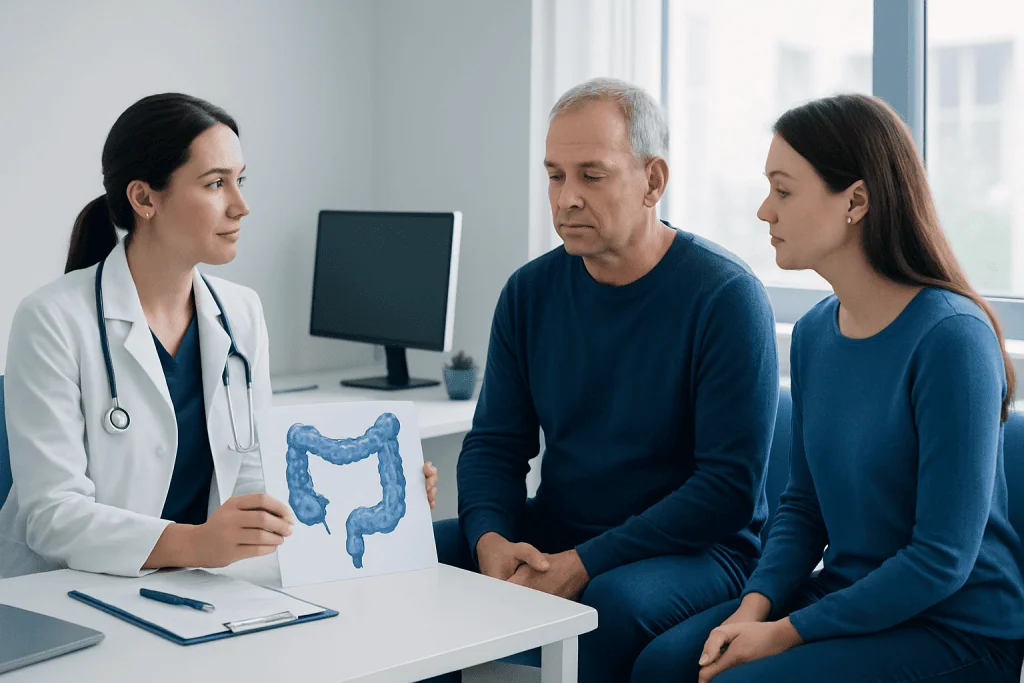
The process begins with confirming the diagnosis through a biopsy, usually taken during colonoscopy. Staging scans show whether cancer is confined to the bowel, has reached nearby lymph nodes, or has spread elsewhere. The team then explains the recommended plan, likely benefits and side effects, alternatives, and the practical preparation needed for each stage of care.
For many colon cancers, the surgeon removes the segment of bowel containing the tumor together with nearby lymph nodes. The remaining healthy ends of bowel are often joined together, called an anastomosis. This may be performed through open surgery or minimally invasive approaches such as laparoscopic or robotic surgery when suitable. Some people need a temporary or permanent stoma, an opening on the abdomen that directs stool into a pouch; this depends on tumor location, surgical safety, and the type of operation.
Chemotherapy may be used after surgery to reduce recurrence risk, before surgery in selected situations, or as the main treatment for metastatic disease. Radiation therapy is more commonly part of rectal cancer care, where it can be combined with chemotherapy before surgery. Targeted therapy and immunotherapy are used for specific tumor characteristics and stages. The primary treatment pathway should be discussed with an oncology team experienced in colon cancer treatment.
During treatment, appointments include regular symptom reviews, physical examinations, blood tests, and sometimes repeat scans. The care team may adjust treatment if side effects occur or if scans show that the cancer is responding differently than expected.
Benefits, Risks, and Recovery Timeline
The principal benefit of treatment for localized disease is the possibility of removing all visible cancer and achieving long-term remission or cure. For advanced disease, treatment can sometimes make surgery possible, reduce tumor burden, prolong survival, and improve symptoms such as pain, bleeding, or bowel obstruction. The likely benefit is different for every stage, so patients should ask their team what the intended goal is for their specific plan.
Surgery has risks including bleeding, infection, blood clots, injury to nearby structures, leakage at a bowel connection, changes in bowel habits, and temporary or longer-term need for a stoma. Chemotherapy can cause fatigue, nausea, diarrhea or constipation, mouth soreness, lowered blood counts, nerve symptoms in the hands or feet, and increased infection risk. Radiation can irritate the bowel, bladder, skin, and sexual or reproductive organs, particularly during treatment for rectal cancer. Targeted and immune therapies have their own potential effects and require close monitoring.
Hospital recovery after uncomplicated bowel surgery varies according to the procedure and individual health. People are encouraged to begin gentle movement, breathing exercises, and gradual eating as advised by the surgical team. Energy, appetite, and bowel regularity may take several weeks to improve. Full recovery can take longer when surgery is extensive or is followed by chemotherapy or radiation.
After treatment, follow-up may include visits, CEA blood tests, imaging, and colonoscopy at intervals recommended by the treating team. These checks look for recurrence, new polyps, treatment effects, and nutritional or emotional needs. Prompt reporting of new symptoms helps clinicians investigate concerns early.
Is Cancer in the Large Intestine Curable?
Yes, cancer in the large intestine can often be curable when it is found before it has spread to distant organs. Surgery that completely removes the tumor and involved lymph nodes is central to curative treatment for many colon cancers. Additional chemotherapy may be recommended when there is a higher risk of microscopic cancer cells remaining after surgery.
Some cancers that have spread to a limited number of sites, especially in the liver or lungs, may also be treated with curative intent in carefully selected cases. This can involve a combination of systemic treatment and procedures to remove or destroy all known disease. However, cure cannot be promised, and the outlook depends on tumor biology, stage, response to treatment, and whether all cancer can be effectively treated.
Regular screening can identify precancerous polyps and early cancers before symptoms develop. Removing polyps during colonoscopy can prevent some colorectal cancers, while early diagnosis generally provides more treatment options.
How Long Do People With Intestine Cancer Live?
Life expectancy with intestine cancer varies widely and cannot be reliably predicted from the diagnosis alone. The most important factors include the cancer stage, whether surgery can remove all visible disease, molecular features of the tumor, response to treatment, age, other health conditions, and access to appropriate follow-up care.
In general, people with cancer that is confined to the bowel have a more favorable outlook than people whose cancer has spread to distant organs. Even in metastatic disease, modern combinations of chemotherapy, targeted therapy, immunotherapy for selected tumors, and local treatments can help many people live longer with meaningful quality of life. The treating oncologist is best placed to explain prognosis using the individual’s pathology and scan results.
It can be helpful to ask whether treatment is being given with curative intent, to reduce recurrence risk, to control cancer, or to relieve symptoms. Discussing goals openly also helps ensure that supportive care for nutrition, pain, fatigue, mental well-being, and practical needs is included throughout treatment.
How Treatable Is Intestinal Cancer?
Intestinal cancer is treatable at every stage, but the purpose and intensity of treatment change as the disease advances. Early cancers may be removed completely through endoscopic techniques or surgery. Cancers that involve nearby lymph nodes often receive surgery plus chemotherapy, while rectal cancers may need a planned sequence of chemotherapy, radiation, and surgery.
Advanced cancer is also treatable, even when it is not considered curable. Treatment may control growth, reduce symptoms, and sometimes shrink tumors enough to allow additional procedures. Molecular testing is especially important in advanced disease because it can identify people who may benefit from targeted medicines or immunotherapy.
Supportive and palliative care are valuable at any stage and do not mean that cancer-directed treatment has stopped. They focus on controlling symptoms, supporting nutrition and sleep, addressing emotional concerns, and helping patients remain as active and comfortable as possible. At Acibadem International, multidisciplinary specialists in JCI-accredited hospitals diagnose and treat colorectal cancer for international patients.
How to Tell if a Tumor Is Growing in Your Intestines and When to Seek Medical Care
A growing tumor in the intestines does not always cause symptoms, especially early on. When symptoms occur, they may include a persistent change in bowel habits, blood in or on the stool, darker stools, abdominal discomfort or bloating, unexplained iron-deficiency anemia, fatigue, unintentional weight loss, or a feeling that the bowel does not empty completely. These symptoms can also result from noncancerous conditions, so they should not be used to diagnose cancer without medical assessment.
Medical care should be sought promptly for rectal bleeding, black or tar-like stool, persistent or worsening abdominal pain, new constipation or diarrhea that does not settle, unexplained anemia, unexplained weight loss, or a persistent change in normal bowel habits. Urgent evaluation is important for severe abdominal pain, repeated vomiting, marked swelling of the abdomen, inability to pass stool or gas, fainting, or heavy bleeding.
Assessment may include a medical history, physical examination, blood tests, stool testing, and colonoscopy. People without symptoms should also discuss colorectal cancer screening with a qualified clinician based on their age, family history, personal history of polyps or inflammatory bowel disease, and local screening recommendations.
Frequently asked questions
What is the main treatment for big intestine cancer?
Surgery is commonly the main treatment for cancer that is limited to the colon or nearby lymph nodes. Depending on the stage and tumor location, chemotherapy, radiation therapy, targeted therapy, or immunotherapy may also be used.
Will I need a stoma after colon cancer surgery?
Not everyone needs a stoma after surgery. The need depends on where the tumor is located, the type of bowel operation, and whether the surgeon can safely reconnect the bowel. Some stomas are temporary and can be reversed after healing.
Is chemotherapy always needed after colon cancer surgery?
No. Chemotherapy is not routinely needed for every early-stage colon cancer. It is more often recommended when lymph nodes contain cancer or when pathology findings suggest a higher risk of recurrence.
Can immunotherapy treat large intestine cancer?
Immunotherapy can be effective for selected colorectal cancers, particularly those with mismatch repair deficiency or high microsatellite instability. Tumor testing is needed to determine whether this approach may be suitable.
How is colon cancer monitored after treatment?
Follow-up commonly includes scheduled clinical visits, blood tests such as CEA when appropriate, imaging, and colonoscopy. The exact schedule depends on the cancer stage, treatment received, and individual risk factors.
Can diet prevent colon cancer from returning?
No diet can guarantee that cancer will not return. However, a balanced diet, regular activity as tolerated, maintaining a healthy weight, avoiding tobacco, and limiting alcohol can support overall health and may reduce colorectal cancer risk.
References
- National Cancer Institute
- American Cancer Society
- National Comprehensive Cancer Network
- European Society for Medical Oncology
- World Health Organization
This article is for general information only and is not a substitute for professional medical advice. Please consult a qualified doctor about your individual situation.
Persistent digestive symptoms? Get evaluated in Turkey
JCI-accredited · board-certified surgeons · reply within 24h
Add us as a Preferred Source to see more of our trusted health content across Google Search, AI Overviews and Discover.

More from the Health Library


Related Specialists

Assoc. Prof. Dr. Nicel Taşdemir
Gynecology & Obstetrics
Dr. Mehmed Fatih Yumrutaş
Inpatient Clinic Physicians Clinical Service
Prof. Dr. Nadir Kaya
Gastroenterology
Dyt. Beyza Erdoğan Aksan
Nutrition & Diet