Biopsy for Skin Cancer: Procedure, Recovery and Results
A skin biopsy confirms or rules out skin cancer by examining a tissue sample under a microscope. Most biopsies are performed with local anaesthetic and take only a short time.
Key Takeaways
- A skin biopsy confirms or rules out skin cancer by examining a tissue sample under a microscope.
- Most biopsies are performed with local anaesthetic and take only a short time.
- Healing often takes about one to two weeks, although larger or deeper biopsy sites may take longer.
- Biopsy results help identify the cancer type, depth, and features that guide next steps.
- Basal cell carcinoma is highly treatable, especially when diagnosed early, but follow-up skin checks remain important.
A biopsy for skin cancer is the only way to confirm whether a suspicious mole, sore, patch, or lump is cancerous. It is usually a short outpatient procedure performed with local anaesthetic, followed by laboratory analysis of the skin sample.
Overview: What Is a Biopsy for Skin Cancer?
A biopsy for skin cancer is a procedure in which a doctor removes all or part of an unusual area of skin and sends it to a laboratory for examination. A specialist called a pathologist studies the sample under a microscope to determine whether cancer cells are present and, if so, which type of skin cancer it is.
A dermatologist may recommend a biopsy when a mole changes in size, shape or colour; when a spot repeatedly bleeds or crusts; or when a sore does not heal. The procedure is the most reliable way to diagnose skin cancer, including skin cancer, because appearance alone cannot always provide a definite answer.
Most biopsies are carried out in an outpatient clinic using local anaesthetic. The patient remains awake, but the area is numbed first. A biopsy is a diagnostic step rather than a treatment decision by itself, although removing a very small lesion completely may sometimes also remove all visible abnormal tissue.
Who May Need a Skin Cancer Biopsy?
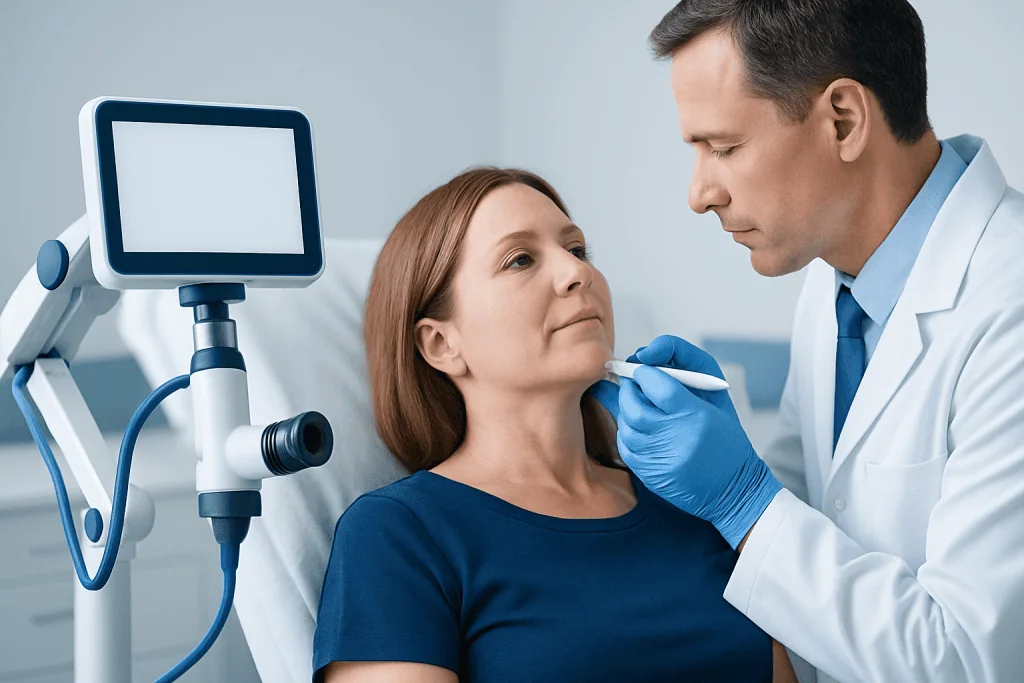
A doctor may advise a skin biopsy after examining a lesion with the naked eye or with dermoscopy, a device that magnifies and illuminates the skin. Features that can prompt assessment include an asymmetrical mole, irregular border, changing colour, increase in size, a persistent scaly patch, or a pearly, shiny or non-healing bump.
People with fair skin, substantial lifetime sun exposure, a history of sunburn, indoor tanning use, a weakened immune system, or a personal or family history of skin cancer may have a higher likelihood of developing suspicious lesions. However, skin cancer can affect people of every skin tone and age group.
A biopsy may also be appropriate for a lesion that causes ongoing itching, tenderness, bleeding or repeated ulceration. The doctor considers the lesion’s location, size, appearance, medical history and any medicines that may affect bleeding or healing before choosing the most suitable biopsy technique.
How Does a Skin Cancer Biopsy Work?
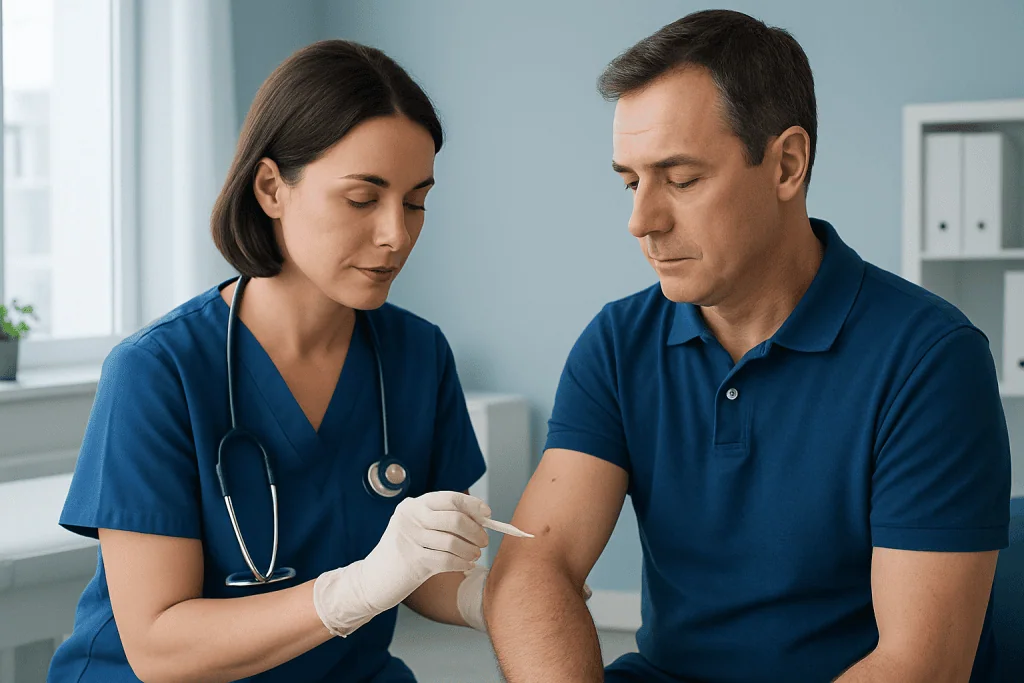
The goal of the procedure is to collect a sample that represents the most important part of the lesion while minimizing scarring and supporting accurate diagnosis. The method depends on whether the doctor suspects basal cell carcinoma, squamous cell carcinoma, melanoma, or another non-cancerous skin condition.
Common methods include shave biopsy, punch biopsy, incisional biopsy and excisional biopsy. A shave biopsy removes a thin layer from the surface of the skin. A punch biopsy uses a circular tool to remove a small, deeper core of skin. An incisional biopsy removes part of a larger lesion, while an excisional biopsy removes the whole lesion along with a small surrounding margin when appropriate.
For a suspected melanoma, doctors often aim to remove the entire visible lesion with a narrow margin whenever this can be done safely. This helps the pathologist assess tumour thickness and other features that are important for planning care. The initial biopsy approach should be individualized by an experienced clinician.
Skin Cancer Biopsy: Step-by-Step Procedure
Before the biopsy, the clinician examines and marks the area. Patients should tell the care team about allergies, pregnancy, bleeding disorders, implanted medical devices and all prescription medicines, supplements and over-the-counter medicines. In particular, medicines that affect clotting should only be adjusted with advice from the prescribing clinician.
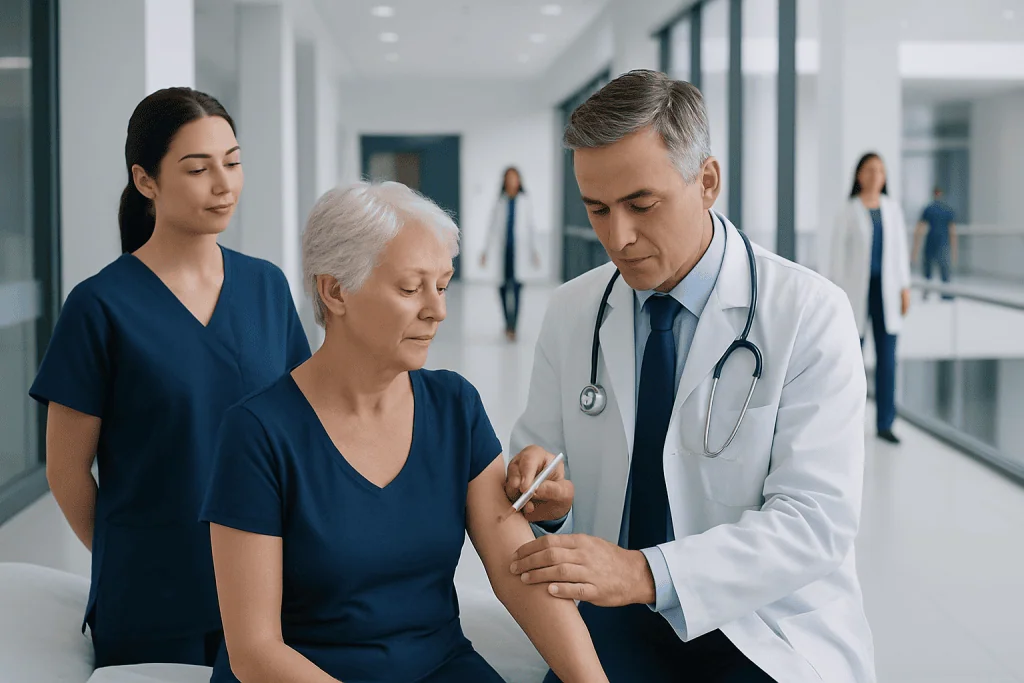
The skin is cleaned, and local anaesthetic is injected around the lesion. The injection may briefly sting, but the biopsy itself should not be painful once the area is numb. The clinician then removes the selected skin sample using the planned technique. The sample is placed in a container and sent to a pathology laboratory.
Bleeding is controlled with pressure, a topical agent, cautery or stitches if needed. The wound is covered with a dressing, and the patient receives instructions for cleaning and protecting it at home. Many small shave and punch biopsy sites do not require stitches, while excisional biopsies often do.
Pathology reporting can take several days and sometimes longer if specialized testing or an expert review is needed. Results may identify a benign condition, a precancerous change, or a cancer such as basal cell carcinoma, squamous cell carcinoma or melanoma. The doctor explains what the report means and whether further care is recommended.
Benefits, Risks and Recovery Timeline
The main benefit of a biopsy for skin cancer is diagnostic certainty. It can distinguish cancer from harmless conditions that may look similar and can provide details needed to select appropriate treatment. Early diagnosis may allow treatment while a cancer is small and localized.
Risks are generally minor but can include temporary pain, bruising, bleeding, infection, delayed healing, changes in skin colour, numbness and scarring. People who smoke, have diabetes, take immune-suppressing medicines or have circulation problems may need additional wound-care guidance. Contact the clinical team if redness spreads, pain increases, pus develops, fever occurs, or bleeding does not stop with firm pressure.
During the first day, the biopsy site may feel tender and may ooze slightly. Keeping the wound clean, following dressing instructions and avoiding rubbing or stretching the area can support healing. Patients should ask when they can resume swimming, vigorous exercise or other activities that may pull on stitches.
Most small biopsy wounds close in about one to two weeks. Sites on the lower legs, larger excisions and wounds closed with stitches may take longer. If stitches are used, the clinician will arrange their removal or explain whether they will dissolve. Once healed, protecting the scar from sun exposure can help reduce long-term colour changes.
What Happens if the Biopsy Shows Skin Cancer?
A positive result does not always mean extensive treatment is needed. The next step depends on the cancer type, size, location, depth, border features and whether the biopsy appears to have removed the entire lesion. A doctor may recommend observation, a further excision, topical therapy, destructive treatment, radiation therapy, or another approach based on the individual diagnosis.
Basal cell carcinoma is the most common form of skin cancer and seldom spreads to distant parts of the body. However, it can grow into nearby tissue if left untreated, particularly in areas such as the face, ears or scalp. Squamous cell carcinoma and melanoma can require different treatment plans and follow-up intensity.
For lesions that require complete removal, skin cancer treatment may include surgical excision or other specialist-led options. A pathology report is central to treatment planning, and patients should feel comfortable asking which cancer type was found, whether margins are clear, and what follow-up is recommended.
Acibadem International’s multidisciplinary specialists and JCI-accredited hospitals support international patients with diagnosis, pathology review and treatment planning for skin cancer. Care plans should always be based on the person’s pathology findings, health needs and preferences.
Can You Live a Normal Life With Skin Cancer?
Many people can continue to live active, normal lives with skin cancer, particularly when it is diagnosed and treated early. Common skin cancers are often managed successfully with a focused procedure and regular follow-up, although the experience can understandably cause worry.
Daily life after diagnosis may include attending follow-up appointments, checking the skin for new or changing lesions and using sun-protection habits consistently. The care team can advise on returning to work, exercise and hobbies after a biopsy or treatment, based on the wound location and the specific procedure.
A previous skin cancer can increase the chance of developing another one in the future. This makes ongoing surveillance important, but it does not mean that every new spot is cancer. Regular professional skin examinations and prompt review of changing lesions offer a practical, reassuring approach.
How Long Does It Take for a Skin Cancer Biopsy to Heal?
Most uncomplicated skin cancer biopsy sites heal in around one to two weeks. Shave biopsies often form a small scab and heal from the base upward, while punch or excisional biopsies may need stitches and can take longer, especially if the sample was deep or the site is under tension.
Healing time varies by body area. The face and scalp often have a good blood supply and may heal relatively quickly, while the lower legs and feet may heal more slowly. Larger wounds, infection, friction from clothing, smoking and certain long-term health conditions can also delay healing.
The wound should be kept clean and protected according to the clinician’s instructions. It is important not to pick at a scab or remove stitches independently. A doctor should review increasing pain, warmth, swelling, discharge, worsening redness or a wound that is not progressing as expected.
What Is the Life Expectancy for Someone With Basal Cell Carcinoma?
For most people, basal cell carcinoma has an excellent outlook because it grows slowly and very rarely spreads beyond the skin. When it is diagnosed and treated appropriately, it generally does not reduce life expectancy.
The condition still needs timely medical care. Without treatment, a basal cell carcinoma can gradually enlarge and damage nearby skin, cartilage, muscle or bone, especially in sensitive locations. Rare advanced cases may be more complex and need specialist management.
Outlook is influenced by factors such as the tumour’s size, location, subtype, whether it has recurred, immune status and whether treatment has fully removed it. A dermatologist can explain the individual pathology results and the recommended schedule for follow-up examinations.
What Is Life Like After Having Basal Cell Carcinoma?
Life after basal cell carcinoma usually includes a period of wound healing and continued skin monitoring. Many people return to usual routines after their treatment site has healed, although a scar or temporary change in skin texture or colour may remain.
Follow-up appointments help clinicians check the treated area and look for new lesions elsewhere on the body. The recommended interval varies according to personal history, the number and type of cancers, immune status and the treatment received. Self-checks between appointments can help a person notice changes early.
Sun protection becomes an important long-term habit. This includes seeking shade when practical, wearing protective clothing and a broad-brimmed hat, using broad-spectrum sunscreen as advised, and avoiding tanning beds. These measures lower cumulative ultraviolet exposure but do not replace professional skin checks.
When to Seek Medical Care
Medical assessment is advisable for a mole or skin mark that changes in size, shape, colour or sensation, as well as for a sore that does not heal, a spot that repeatedly bleeds, or a new persistent growth. People should not attempt to remove suspicious lesions at home, as this can delay diagnosis and may make later assessment more difficult.
After a biopsy, urgent medical advice is appropriate for persistent bleeding, signs of infection, severe or worsening pain, fever, or an allergic reaction to a dressing or medication. Patients should also contact their clinician if they have not received results within the expected timeframe.
Routine skin checks are particularly valuable for those with a previous skin cancer, significant sun exposure or a weakened immune system. A qualified dermatologist can advise whether a changing lesion needs dermoscopy, biopsy or monitoring.
Frequently asked questions
Does a skin cancer biopsy hurt?
The local anaesthetic injection can sting briefly, but the biopsy area should become numb before tissue is removed. Mild soreness or tenderness after the procedure is common and usually improves over the next few days.
How long do skin cancer biopsy results take?
Results often return within several days to around two weeks, depending on the laboratory and the testing needed. Some samples require additional staining or specialist review, which can take longer. The clinic should explain when and how results will be shared.
Can a biopsy spread skin cancer?
There is no evidence that a properly performed skin biopsy causes skin cancer to spread. Biopsy is a standard, essential diagnostic procedure that helps doctors choose the safest and most effective next steps.
Will a skin biopsy leave a scar?
Any procedure that breaks the skin can leave some degree of scarring. The size and appearance of a scar depend on the biopsy method, body location, wound healing and individual skin characteristics. The clinician selects a technique that balances accurate diagnosis with cosmetic and functional considerations.
What should someone do while waiting for a skin biopsy result?
The biopsy site should be cared for according to the clinician's instructions, and normal activities can usually continue with reasonable wound protection. It can help to write down questions for the follow-up discussion. A person should contact the clinic if the wound develops concerning symptoms or if results are delayed beyond the expected date.
Does basal cell carcinoma come back after treatment?
A basal cell carcinoma can sometimes recur at or near a treated site, particularly if it was large, located in a high-risk area or had difficult-to-see borders. A person who has had basal cell carcinoma also has a higher chance of developing a new skin cancer elsewhere. Regular follow-up and sun protection are therefore important.
References
- American Academy of Dermatology
- National Cancer Institute
- American Cancer Society
- National Health Service
- World Health Organization
This article is for general information only and is not a substitute for professional medical advice. Please consult a qualified doctor about your individual situation.
Skin Cancer in Turkey — costs, top hospitals & a free quote
JCI-accredited · board-certified surgeons · reply within 24h
Add us as a Preferred Source to see more of our trusted health content across Google Search, AI Overviews and Discover.