Biospecimen Cost: What Patients Really Pay

A biospecimen is a human biological sample, such as blood, tissue, saliva, urine, or cells, collected for medical care or research. The cost of a biospecimen-related service depends more on the purpose and testing than on the sample itself.
Key Takeaways
- A biospecimen is a human biological sample, such as blood, tissue, saliva, urine, or cells, collected for medical care or research.
- The cost of a biospecimen-related service depends more on the purpose and testing than on the sample itself.
- Patients can ask for an itemized estimate that separates clinician, facility, laboratory, pathology, and storage charges.
- Collection is usually straightforward, but the risks depend on the sample type and whether an invasive procedure is needed.
- Consent, privacy protections, and the future use of samples should be discussed before research collection or long-term storage.
A biospecimen price is not a single standard fee. What a patient pays may reflect sample collection, laboratory processing, diagnostic testing, storage, insurance coverage, and any related medical visit or procedure.
Overview: What Does a Biospecimen Price Include?
Biospecimen price usually refers to the total charges connected with obtaining and using a biological sample, rather than a price for the sample alone. A patient may have a blood tube, tissue fragment, saliva sample, urine sample, swab, bone marrow sample, or other material collected for diagnosis, treatment planning, monitoring, or research.
There is no universal price because the cost depends on what is collected, where collection takes place, whether a clinician performs a procedure, and which laboratory analyses are requested. For example, a routine blood draw and a tissue sample obtained during a surgical procedure involve very different resources, care settings, and possible charges.
When planning care, patients can ask the clinic or hospital for a written estimate before non-urgent testing. It is helpful to ask whether the estimate includes sample collection, pathology, laboratory processing, genetic or molecular testing, anesthesia or imaging when relevant, storage, and follow-up appointments.
What Is a Biospecimen?
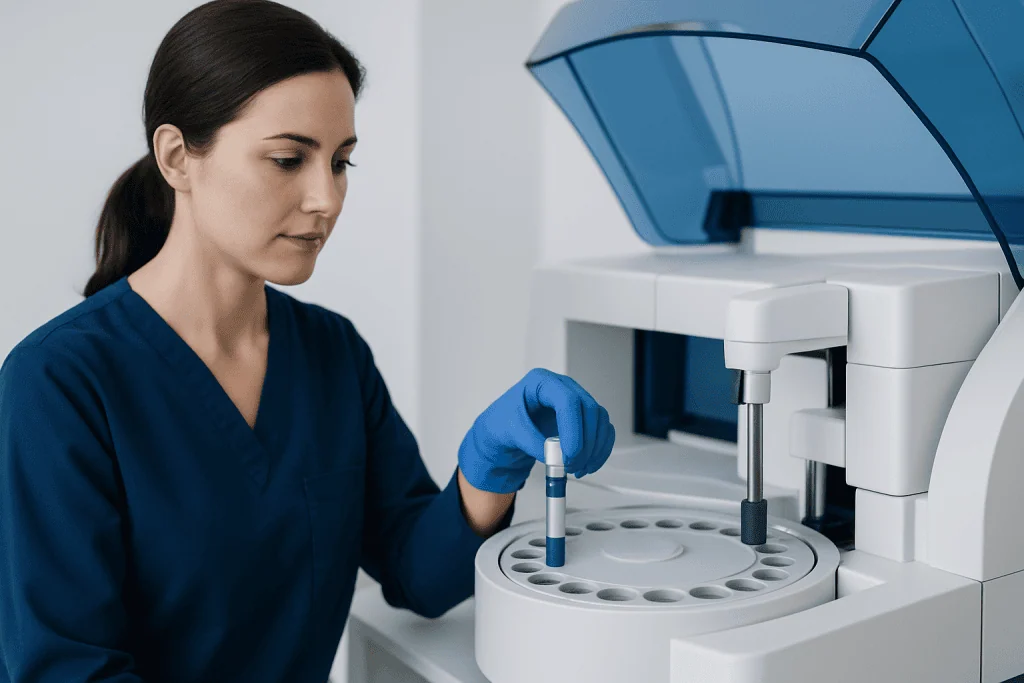
A biospecimen is a sample of human biological material collected for healthcare or scientific research. Common biospecimens include blood, urine, saliva, stool, sputum, skin cells, tissue obtained through biopsy or surgery, and cells collected with a swab.
In clinical care, a biospecimen can help a healthcare professional identify an infection, assess organ function, confirm or rule out a condition, evaluate inflammation, detect cancer-related changes, or choose an appropriate treatment. The same type of sample may be used for more than one laboratory test, depending on the patient’s consent and the clinical need.
In research, donated biospecimens may be stored in a biobank and studied with health information that has been protected, coded, or de-identified according to applicable rules. Research use should be explained in an informed-consent process, including whether samples may be stored for future studies and whether a patient may withdraw permission where allowed.
How Biospecimen Collection Works

The collection method is chosen according to the question the medical team needs to answer. Blood is generally taken from a vein, urine is collected in a sterile container, and saliva or cheek-cell samples are often collected with a container or swab. These methods are commonly completed in an outpatient clinic or laboratory.
Some samples require a more involved procedure. A biopsy may use a needle, endoscope, or minor surgery to remove a small amount of tissue. Imaging may guide a needle biopsy when the tissue is in an organ or deeper area of the body. The specimen is then labeled carefully, transported under appropriate conditions, and sent to a laboratory.
At the laboratory, professionals may prepare the specimen for microscopy, culture, chemical analysis, genetic testing, or molecular testing. A pathology service may examine tissue and produce a report for the treating clinician. The type and complexity of these steps are important drivers of the eventual bill.
Who May Need Biospecimen Collection?
Many people provide biospecimens as part of ordinary preventive care, evaluation of symptoms, ongoing treatment monitoring, or preparation for a procedure. A clinician may recommend testing to investigate fatigue, pain, fever, bleeding, infection symptoms, hormone concerns, changes seen on imaging, or other health questions.
Tissue sampling may be considered when an examination or scan identifies an area that needs clarification. A biopsy is not automatically a sign of a serious diagnosis; it is a way to obtain more precise information. The clinician should explain why the sample is recommended, what alternatives may exist, and how the result could influence next steps.
Research biospecimen donation is voluntary. People considering donation should receive clear information about the study purpose, sample handling, privacy practices, potential future research use, and whether they will receive individual results. Participation or refusal should not affect access to routine medical care.
Step by Step: Collection, Testing, and Results
Before collection, the healthcare team confirms the patient’s identity, reviews the request, and checks whether preparation is needed. Some blood tests require fasting or timing around medicines, while many others do not. Patients should not stop prescribed medicines unless their clinician specifically advises it.
During collection, the clinician or trained staff member uses the appropriate method and takes steps to reduce infection risk. A blood draw commonly takes only a few minutes. A biopsy or endoscopic sample may involve local anesthesia, sedation, recovery observation, and additional instructions for travel home or activity restrictions.
After collection, the sample is labeled and tracked to reduce the risk of identification errors. Results may return quickly for simple tests, while cultures, pathology interpretation, and specialized genetic or molecular analyses can take longer. The ordering clinician should explain what the result means in the context of the patient’s symptoms, examination, and other tests.
If a tissue sample is being evaluated for a possible cancer diagnosis, pathology results may guide further assessment and care planning. cancer information and support can help patients understand the wider diagnostic process, but results should always be reviewed with the treating medical team.
Costs, Billing, and Questions to Ask Before Testing
A biospecimen-related bill can contain separate charges from the clinic, hospital, laboratory, pathologist, imaging center, anesthesiology team, or specialist. The amount can also vary based on whether the service is considered preventive, diagnostic, medically necessary, in-network, or subject to insurance authorization requirements.
For planned testing, patients may ask for an itemized estimate and contact their insurer or payer to confirm coverage. Useful questions include whether prior authorization is required, whether the laboratory is in network, whether pathology interpretation is billed separately, and what out-of-pocket responsibility may apply. A hospital financial counselor may also help explain billing processes.
Research samples are handled differently from samples collected for medical care. A participant should ask whether any research-related procedures could create a charge, whether travel costs are reimbursed, and whether routine clinical testing is billed through insurance. Research consent forms should describe financial considerations in understandable terms.
Patients should also ask whether a sample will be stored and, if so, for how long and for what purposes. Storage, retrieval, shipment, and specialized testing may carry separate fees in some settings. Receiving a clear explanation in advance can make financial planning easier.
Benefits, Risks, Recovery, and Privacy Considerations
The main benefit of biospecimen collection is more accurate information for medical decision-making. Laboratory testing can help avoid unnecessary treatment, identify a condition earlier, monitor response to treatment, or support personalized care. In research, biospecimens may contribute to better understanding of diseases and future therapies.
Risks are usually minor for noninvasive samples and routine blood collection. A blood draw may cause brief discomfort, bruising, lightheadedness, or rarely infection. More invasive procedures, such as needle or surgical biopsies, may carry additional risks including bleeding, pain, infection, injury to nearby structures, or reactions to sedation; these depend on the body area and technique used.
Recovery after a blood draw, swab, or urine collection is generally immediate. After a biopsy, patients may need a short observation period and instructions about wound care, activity, pain relief, bathing, or warning signs. The care team should provide personalized aftercare information before discharge.
Privacy is also an important consideration. Patients can ask how their sample and health information will be labeled, who may access them, whether data are coded or de-identified, and what happens if they choose not to allow future research use. These questions are especially relevant for genetic testing and biobanking.
When to Seek Medical Care
Patients should seek prompt medical advice if they develop increasing pain, persistent bleeding, spreading redness, warmth, swelling, fever, drainage from a biopsy site, fainting, shortness of breath, or any symptom that feels severe or concerning after a procedure. Emergency services may be appropriate for heavy bleeding, severe breathing difficulty, chest pain, or signs of a serious allergic reaction.
Before a planned collection procedure, patients should tell the medical team about blood-thinning medicines, bleeding disorders, allergies, pregnancy, implanted devices, previous reactions to anesthesia or sedation, and any current infection or illness. This information helps the team prepare safely and determine whether testing should be delayed or adjusted.
For international patients seeking assessment, Acibadem International’s multidisciplinary specialists and JCI-accredited hospitals can coordinate diagnostic evaluation and treatment planning. Patients should bring previous test reports, imaging, medication lists, and insurance or payment information where available.
Frequently asked questions
What is a biospecimen?
A biospecimen is a sample of human biological material used in healthcare or research. It may include blood, urine, saliva, tissue, cells, stool, or a swab sample. The sample can help clinicians investigate symptoms, diagnose conditions, monitor treatment, or support research.
What determines biospecimen price?
Biospecimen price depends on the collection method, location of care, laboratory methods, and the number and type of tests ordered. Charges may also include pathology review, imaging guidance, anesthesia or sedation, sample storage, and follow-up care. Insurance coverage and network status can affect what a patient pays directly.
Is collecting a biospecimen painful?
Many collections, such as urine, saliva, and swab samples, cause little or no discomfort. A blood draw may cause a brief pinch and minor bruising. Biopsies can involve more discomfort, but the team may use local anesthesia, sedation, or other measures appropriate for the procedure.
How long does it take to get biospecimen test results?
Timing varies by test. Routine laboratory tests may be available relatively quickly, while cultures, tissue pathology, and advanced genetic or molecular testing may take longer. The ordering clinician can provide the most relevant timeline and explain when results will be discussed.
Can a biospecimen be used for research without permission?
Rules differ by country, institution, and the type of sample, but research use is generally governed by consent, ethics review, and privacy requirements. Patients should receive information about whether a sample may be stored or used in future research. They can ask questions before agreeing to participation.
What should a patient ask before a biopsy or specialized test?
Patients can ask why the test is needed, what information it may provide, what alternatives exist, and what risks or recovery are expected. They should also ask for an itemized cost estimate and whether separate laboratory, pathology, imaging, or anesthesia bills may apply. It is reasonable to discuss insurance authorization and out-of-pocket responsibility before a non-urgent procedure.
References
- World Health Organization
- National Cancer Institute
- U.S. Food and Drug Administration
- National Institutes of Health
- College of American Pathologists
This article is for general information only and is not a substitute for professional medical advice. Please consult a qualified doctor about your individual situation.
Explore treatments in Turkey — costs, top hospitals & a free quote
JCI-accredited · board-certified surgeons · reply within 24h
Add us as a Preferred Source to see more of our trusted health content across Google Search, AI Overviews and Discover.