Bipoc — Explained by Medical Evidence, Not Myths

BIPOC means Black, Indigenous, and People of Color. The term is used in public health and social discussions, not as a medical condition or diagnosis.
Key Takeaways
- BIPOC means Black, Indigenous, and People of Color.
- The term is used in public health and social discussions, not as a medical condition or diagnosis.
- It can help highlight health inequities, especially those affecting Black and Indigenous communities.
- BIPOC is a broad umbrella term and may not reflect how every individual prefers to identify.
- Good healthcare should be culturally respectful, individualized, and based on a person’s symptoms, history, and needs.
- Medical care should be sought for concerning symptoms, not because of a label or identity term.
BIPOC stands for Black, Indigenous, and People of Color. In healthcare, the term is used to discuss health equity and systemic barriers, but it is not a medical diagnosis and should be used thoughtfully because people’s identities, experiences, and health needs are not all the same.
Overview: what BIPOC means
BIPOC stands for Black, Indigenous, and People of Color. It is a social and cultural term, not a disease, symptom, or medical diagnosis. In health discussions, it is often used to describe communities that may experience inequities in access to care, quality of treatment, environmental exposures, and health outcomes.
The term gained wider use because some people felt that older umbrella phrases, such as “people of color,” did not always make the distinct experiences of Black and Indigenous communities visible. In public health, this can be helpful when discussing patterns such as higher burdens of certain illnesses, barriers to screening, or the effects of racism and social disadvantage on well-being.
At the same time, BIPOC is very broad. It includes many populations with different languages, cultures, migration histories, genetic backgrounds, and lived experiences. For that reason, healthcare professionals should avoid treating BIPOC as a single medical group and should instead focus on the individual person in front of them.
How the term is used in healthcare
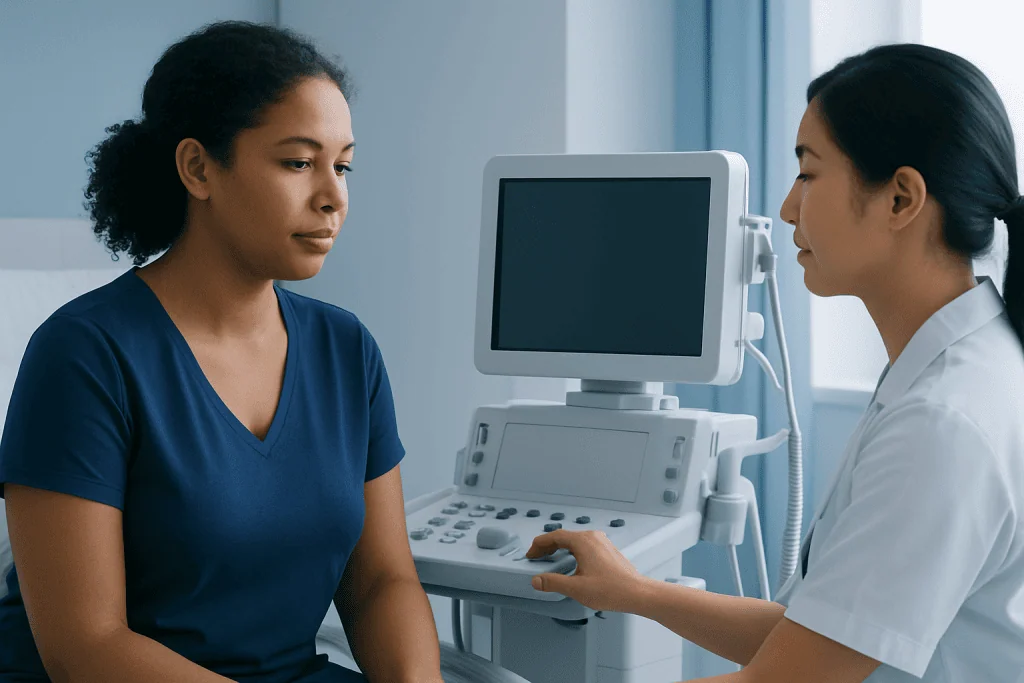
In medicine and public health, BIPOC is most useful when talking about health equity. Health equity means that everyone should have a fair opportunity to achieve the best possible health. When clinicians, researchers, or educators use the term BIPOC, they are often referring to the ways discrimination, structural racism, poverty, housing conditions, food access, occupational risk, and reduced access to healthcare can affect health.
For example, differences in rates of high blood pressure, diabetes, pregnancy complications, asthma, mental health burden, or delayed cancer diagnosis are often discussed in the context of racial and ethnic inequities. These differences are not explained by race alone. They are shaped by many factors, including social conditions, stress, bias in healthcare systems, and unequal access to prevention and treatment.
Language matters. Some patients prefer identity-specific terms such as Black, Indigenous, Latino, Asian, Arab, or another community name instead of BIPOC. In patient-centered care, it is respectful to ask how a person identifies and to use the language they prefer whenever possible.
- BIPOC is a communication term, not a clinical category.
- It can be helpful for discussing inequities at a population level.
- It should not replace individualized medical assessment.
- Personal identity and health needs may not fit neatly into umbrella terms.
Why BIPOC is discussed in relation to health inequities
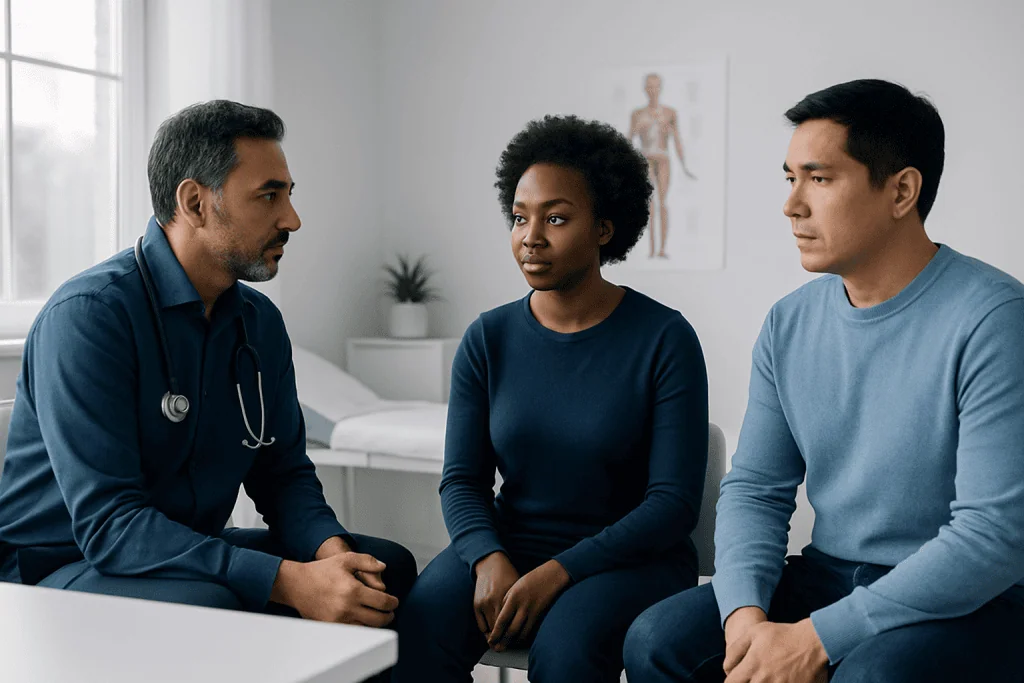
Health outcomes are influenced by more than biology. A person’s neighborhood, education, income, insurance status, work conditions, nutrition, transportation, language access, and previous experiences with healthcare all play a role. For many BIPOC communities, these factors have been shaped by long-standing social and institutional inequities. This is why public health experts often discuss BIPOC populations when addressing disparities in disease prevention and treatment.
Examples may include reduced access to routine checkups, delays in specialist referral, under-treatment of pain, lower screening rates for some cancers, and a higher burden of chronic stress. These patterns do not mean that any condition is caused by identity itself. Rather, they reflect the effects of unequal systems and conditions over time.
Social stress can also affect health. Repeated exposure to discrimination or marginalization may contribute to anxiety, depression, sleep problems, and stress-related physical symptoms. This does not mean every BIPOC person will have these experiences, but it helps explain why culturally informed and trauma-aware care is important.
Understanding inequities also supports prevention. When clinicians identify barriers early, they can recommend services such as nutrition support, mental health care, language assistance, screening programs, or targeted follow-up. In some cases, this may include evaluation for common chronic conditions such as high blood pressure or diabetes when symptoms or risk factors are present.
Limitations of the term and common misunderstandings
One common misunderstanding is that BIPOC refers to a biologically meaningful medical group. It does not. Race and ethnicity can sometimes relate to ancestry, environment, or inherited risks, but they are not precise substitutes for genetics, lifestyle, or socioeconomic conditions. A doctor should never make assumptions about symptoms, pain, risk, or treatment preference based only on whether someone is described as BIPOC.
Another misunderstanding is that everyone included under the term shares the same experience. In reality, there is enormous diversity within and between communities. The health concerns of an Indigenous person living in a rural setting may differ greatly from those of a Black person in an urban area or an immigrant family navigating a new healthcare system.
The term can also feel too broad or impersonal for some people. Some may prefer more specific language, while others may not identify with BIPOC at all. Respectful healthcare communication allows room for self-identification and recognizes that broad social terms are not always the best language in one-to-one clinical care.
Finally, discussing inequities should not lead to alarm. Many health risks can be reduced with preventive care, timely diagnosis, treatment adherence, and supportive medical relationships. The goal of using terms like BIPOC in health education is to improve fairness and outcomes, not to label people or predict illness.
How clinicians provide respectful, individualized care
Good care begins with listening. A clinician should take a full medical history, ask about symptoms, review family history, and understand social factors that may affect health. This approach is more accurate and more respectful than relying on stereotypes or broad assumptions linked to race or ethnicity.
Culturally responsive care may include using a qualified medical interpreter, discussing beliefs about illness and treatment, exploring barriers such as transportation or work schedules, and building trust through clear explanations. This can improve communication, help patients take part in decisions, and support follow-up care.
Preventive care should also be individualized. Depending on age, sex, family history, and risk factors, a doctor may recommend blood pressure checks, cholesterol testing, blood sugar screening, cancer screening, mental health evaluation, or vaccinations. Some people may need further assessment through services such as check-up and screening or diagnostic imaging if symptoms or exam findings suggest a specific problem.
When specialty care is needed, referral should be based on the person’s condition rather than identity labels. For example, someone with persistent emotional distress may benefit from psychiatric care, while a person with long-term blood sugar concerns may need support for diabetes treatment. Near the end of the care pathway, some international patients may choose centers such as Acibadem International, where multidisciplinary specialists in JCI-accredited hospitals evaluate and treat a wide range of conditions.
What individuals can do to support their health
People who identify as BIPOC, like all patients, can take practical steps to protect their health. These include having a primary care clinician, keeping vaccinations up to date, attending routine screenings, and seeking medical advice early when new symptoms appear. Personal medical history and family history remain important, regardless of identity terms.
It can help to prepare for appointments. Patients may wish to write down symptoms, medications, allergies, questions, and family history before visiting a doctor. If communication has been difficult in the past, bringing a trusted support person or asking for an interpreter may improve understanding and comfort.
Mental and emotional well-being matter too. Ongoing stress, discrimination, grief, or burnout can affect sleep, concentration, appetite, mood, and physical symptoms. Reaching out for mental health support is a valid part of healthcare, not a sign of weakness.
- Schedule regular preventive visits.
- Ask questions if instructions are unclear.
- Share concerns about access, cost, transportation, or language.
- Discuss family history and chronic disease risks openly.
- Seek support for mental health as well as physical health.
When to seek medical care
BIPOC itself is not a reason to seek treatment, because it is not a medical problem. Medical care should be sought for symptoms, health concerns, or preventive needs. A routine appointment is appropriate for checkups, screening, questions about family history, stress, sleep problems, or concerns about conditions such as blood pressure, diabetes, asthma, or depression.
Prompt medical attention is important for symptoms such as chest pain, severe shortness of breath, signs of stroke, heavy bleeding, fainting, severe dehydration, sudden confusion, or thoughts of self-harm. These symptoms need urgent evaluation regardless of a person’s background or identity.
It is also reasonable to seek care if someone feels their concerns have not been heard, their symptoms have been dismissed, or they are struggling to understand a diagnosis or treatment plan. A second opinion can sometimes help clarify next steps and improve confidence in care.
Frequently asked questions
Is BIPOC a medical term?
No. BIPOC is a social and public health term that stands for Black, Indigenous, and People of Color. It may be used to discuss health inequities, but it is not a diagnosis, symptom, or disease category.
Why do health professionals use the term BIPOC?
They often use it when discussing patterns of unequal access, treatment, or outcomes across populations. The term can help frame conversations about health equity, although it should not replace specific, person-centered language in clinical care.
Does being BIPOC mean someone is more likely to get certain diseases?
Identity alone does not determine health. Risk is shaped by many factors, including family history, living conditions, stress, environmental exposures, access to care, and income. Doctors assess risk using the whole clinical picture rather than a label by itself.
Do all people included under BIPOC have the same healthcare needs?
No. BIPOC includes many different communities with varied cultures, histories, and medical risks. Good healthcare avoids assumptions and focuses on the individual patient’s symptoms, background, and preferences.
Can the term BIPOC be inappropriate in some situations?
Yes. Some people prefer more specific identity terms, and broad umbrella language may feel too general in one-to-one conversations. In healthcare, asking patients how they identify is often the most respectful approach.
When should someone seek medical help?
A person should seek care for symptoms, preventive checkups, mental health concerns, or questions about chronic disease risk. Urgent care is needed for serious symptoms such as chest pain, trouble breathing, stroke-like signs, severe bleeding, or thoughts of self-harm.
References
- World Health Organization
- Centers for Disease Control and Prevention
- National Institutes of Health
- American Public Health Association
This article is for general information only and is not a substitute for professional medical advice. Please consult a qualified doctor about your individual situation.
Explore treatments in Turkey — costs, top hospitals & a free quote
JCI-accredited · board-certified surgeons · reply within 24h
Add us as a Preferred Source to see more of our trusted health content across Google Search, AI Overviews and Discover.
Check your numbers in seconds
BMI, calories, due date, blood pressure and 30+ more clinical calculators — free, instant, doctor-reviewed ranges.