Black Scab: What Patients Need to Know
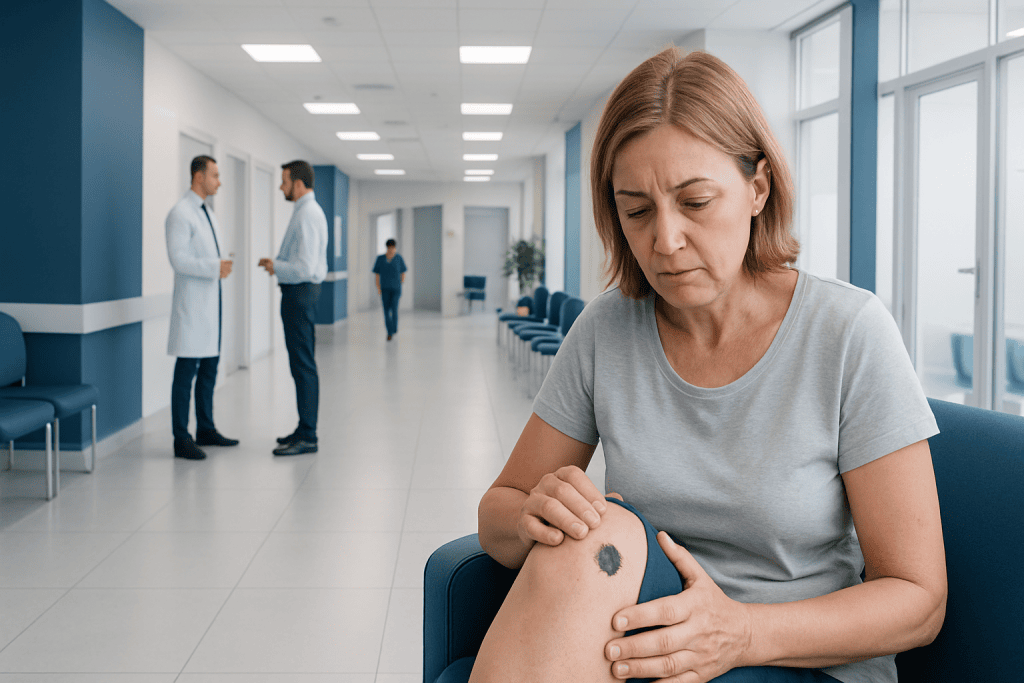
Most black scabs develop after minor skin injury, such as a cut, scrape, insect bite, or blister. A scab should generally be left in place; picking it can reopen the wound and increase the risk of infection or scarring.
Key Takeaways
- Most black scabs develop after minor skin injury, such as a cut, scrape, insect bite, or blister.
- A scab should generally be left in place; picking it can reopen the wound and increase the risk of infection or scarring.
- Increasing redness, warmth, swelling, pus, fever, or worsening pain may indicate an infection.
- A black wound or skin patch can be more concerning in people with diabetes, circulation problems, immune suppression, or reduced sensation in the feet.
- Urgent evaluation is important for rapidly spreading dark skin, severe pain, numbness, fever, or a wound that does not heal.
A black scab is most often a protective layer of dried blood and damaged tissue that forms as a wound heals. Its appearance alone does not confirm a serious problem, but a black area that is spreading, painful, numb, foul-smelling, or slow to heal needs medical assessment.
What does a black scab mean?
A black scab is usually a crust that forms over an injured area of skin. It may look dark brown or black because blood has dried and clotted at the surface, mixed with skin cells and fluid from the wound. In many cases, this is a normal part of healing and the scab gradually loosens as new skin develops underneath.
However, not every dark area on the skin is a routine scab. Black tissue may sometimes represent dead tissue, called necrosis, or a firm dry layer known clinically as eschar. This can occur when blood supply to an area is reduced, after a deep burn or pressure injury, or with certain infections. The surrounding skin, the cause of the injury, symptoms, and healing progress are more informative than color alone.
It is sensible to monitor a black scab rather than remove it. A small, dry scab following a known minor injury and improving day by day is usually reassuring. A clinician should assess a dark lesion with no clear cause, one that changes quickly, or one that does not begin to improve within a reasonable period.
How a normal scab forms and heals
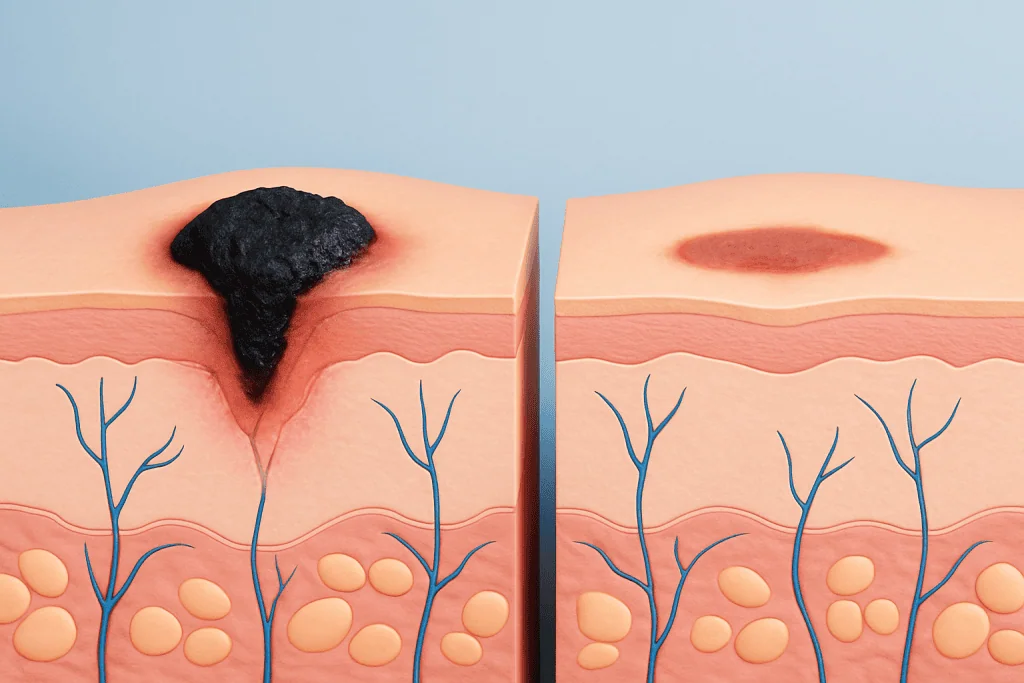
When skin is cut, scraped, or damaged, the body starts clotting blood to stop bleeding. The clot dries at the surface and becomes a scab. Underneath, immune cells clear damaged material and new skin cells grow across the wound. A scab acts as a temporary cover while these processes take place.
Scabs can be red-brown, dark brown, or black. They may feel firm, dry, itchy, or mildly tender, especially during the early healing stages. Itching often occurs as skin repairs itself, but scratching can damage fragile new skin and introduce germs from the hands.
Uncomplicated wounds usually become less painful and less red over time. The scab may shrink, crack at the edges, and fall off on its own. Healing can take longer when the wound is deep, repeatedly rubbed, located over a joint, or affected by smoking, poor nutrition, diabetes, circulation problems, or certain medicines.
- Healing trend: less pain, redness, swelling, and drainage over time.
- Possible concern: increasing pain, spreading redness, warmth, swelling, or new discharge.
- Do not pull off a scab before it releases naturally.
Common causes of a black scab

Minor injuries are the most common explanation. A black scab may follow a shaving cut, scratch, fall, sports injury, insect bite, popped blister, or a spot that has been scratched. It may also appear after some dermatology procedures, when a superficial treated area forms a protective crust during recovery.
Friction and pressure can cause blisters or skin breakdown that later scab over. This is particularly relevant on the feet, heels, toes, or hands. People who cannot easily feel pain or pressure due to nerve damage may not notice an injury immediately, allowing it to become more severe before treatment begins.
Occasionally, a dark crust is related to an infection, a burn, reduced circulation, or a chronic wound. Pressure injuries can develop in people who spend long periods in one position. Foot wounds require special attention in people with diabetes because reduced sensation, circulation changes, and infection can make healing more difficult. Related problems may need assessment as part of diabetic foot care.
A dark crust should not automatically be assumed to be a scab if there was no injury. Some skin growths, inflammatory conditions, and rarely skin cancers can bleed, ulcerate, or become crusted. A dermatologist can examine a persistent or changing lesion and decide whether tests are needed.
Signs a black scab may need assessment
Color is only one feature of a wound. More important warning signs include worsening symptoms, a change in the surrounding skin, unusual drainage, and failure to heal. Infection can cause redness that spreads away from the wound, warmth, swelling, throbbing pain, yellow or green pus, or an unpleasant smell.
Black, gray, or leathery tissue that seems fixed to a deeper wound may indicate tissue damage rather than a superficial scab. This deserves professional assessment, particularly if the area is cold, numb, very painful, enlarging, or surrounded by pale, purple, blue, or red skin. Reduced blood supply can delay healing and needs prompt evaluation.
People with diabetes, peripheral artery disease, immune system conditions, or poor circulation should seek advice early for new wounds, especially on the feet. A small injury can be harder to notice and more difficult to heal in these circumstances. Clinicians may assess circulation, sensation, blood glucose control, wound depth, and evidence of infection.
It is also important to have a lesion checked if it repeatedly bleeds, returns after healing, changes in size or color, develops irregular borders, or remains crusted without an obvious injury. These features do not necessarily mean cancer, but examination helps identify the cause safely.
Safe care for a minor scab at home
For a minor, clean wound, gentle care can support healing. Wash hands before touching the area. Rinse the wound with clean running water and mild soap around, rather than inside, the wound. Pat it dry with a clean material. Avoid harsh scrubbing, which can disturb healing tissue.
In general, it is best not to pick, squeeze, scratch, or cut away a black scab. Reopening the skin can cause bleeding, prolong healing, leave a scar, and increase infection risk. If a dressing is needed to protect the area from dirt or friction, use a clean non-stick dressing and change it according to healthcare advice or when it becomes wet or dirty.
A healthcare professional may recommend a suitable wound-care approach depending on the wound type and location. Deep, contaminated, bite-related, burn-related, or puncture wounds should not be managed solely at home. Tetanus vaccination status may also need to be reviewed after certain injuries.
Avoid applying strong antiseptics, alcohol, hydrogen peroxide, or unprescribed creams repeatedly to an open wound unless a clinician recommends them. These products can irritate tissue or interfere with healing in some situations. Seek tailored advice for wounds on the face, genitals, hands, feet, or near the eyes.
Medical evaluation and treatment options
A clinician usually begins by asking how and when the wound developed, whether it has changed, and whether there are symptoms such as pain, fever, drainage, or numbness. Examination may include checking the size and depth of the wound, the tissue at its base, surrounding skin, blood supply, and sensation. Blood tests, wound cultures, imaging, or specialist review may be considered when infection, a deep injury, or circulation problems are suspected.
Treatment depends on the underlying cause. Minor wounds may need only cleaning, protection, and observation. An infected wound may require professional cleaning and, when appropriate, medication. A wound containing dead tissue may need specialist wound management; attempts to remove tissue at home can cause harm.
For wounds affected by circulation problems, diabetes, pressure, or nerve damage, care may include relieving pressure, improving protection of the area, managing underlying health conditions, and coordinated wound follow-up. Some patients benefit from specialist wound care to support safe cleaning, dressing selection, and monitoring.
Acibadem International’s multidisciplinary specialists and JCI-accredited hospitals diagnose and treat wound and skin concerns for international patients. A personalized plan is based on the cause of the lesion, the person’s general health, and the need for dermatology, vascular, diabetes, infectious disease, or wound-care expertise.
When to seek medical care
Seek urgent medical care if black or dark skin is spreading quickly, severe pain develops, the area becomes numb or cold, or there is a fever with worsening wound symptoms. Urgent assessment is also important for rapidly increasing swelling, red streaks extending from the wound, confusion, weakness, or a person who appears very unwell.
Arrange a medical appointment promptly if a black scab follows a deep cut, animal or human bite, puncture wound, significant burn, or injury contaminated with soil. Medical review is also advisable if the wound is on a foot in someone with diabetes, if circulation is known to be poor, or if the person takes medicines that suppress the immune system.
A non-urgent assessment is appropriate for a scab that persists, repeatedly breaks down, has no clear cause, or does not show steady healing. It is always reasonable to consult a qualified doctor when there is uncertainty about whether a dark area is a simple scab or another skin problem.
Frequently asked questions
Is a black scab normal?
A black or very dark scab can be normal after a minor cut, scrape, blister, or other skin injury because dried blood darkens as it clots. It should generally become less tender and gradually heal. If it is enlarging, painful, foul-smelling, or surrounded by spreading redness, it should be assessed.
Should a black scab be removed?
No, a scab should usually be allowed to come off naturally. Pulling it off can reopen the wound, cause bleeding, increase infection risk, and delay repair. A clinician should decide whether any wound tissue needs to be removed.
Why is my scab black and hard?
A scab may be black and hard when dried blood and wound fluid have formed a firm crust. This can be part of normal healing after a superficial injury. A hard black area that is deep, expanding, numb, very painful, or not healing may represent damaged tissue and needs medical evaluation.
Can an infected wound have a black scab?
Yes. A wound can have a scab and still become infected underneath or around its edges. Watch for increasing redness, warmth, swelling, worsening pain, pus, odor, or fever, and seek medical advice if these occur.
How long should a black scab take to heal?
Healing time depends on the size, depth, location, and cause of the wound. Small superficial wounds often improve over days to a few weeks, while deeper wounds may take longer. A wound that is not steadily improving, or that worsens at any point, should be reviewed by a healthcare professional.
Is a black scab on the foot more serious?
A black scab on the foot should be treated with extra caution, especially in people with diabetes, reduced feeling in the feet, or circulation problems. Pressure, unnoticed injury, infection, and poor blood flow can delay healing. Prompt clinical assessment is recommended if there is any uncertainty or change in the wound.
This article is for general information only and is not a substitute for professional medical advice. Please consult a qualified doctor about your individual situation.
Explore treatments in Turkey — costs, top hospitals & a free quote
JCI-accredited · board-certified surgeons · reply within 24h
Add us as a Preferred Source to see more of our trusted health content across Google Search, AI Overviews and Discover.

More from the Health Library

Esophageal Varices: A Complete Medical Overview

Red Blotches on Skin: What Patients Need to Know

Beta Glucan: An Evidence-Based Guide for Patients

Acid Reflux Tongue: A Complete Medical Overview

Autonomic Neural System — Explained by Medical Evidence, Not Myths