Blackhead Removal: What Patients Need to Know

Blackheads are open clogged pores, not dirt trapped in the skin. Safe blackhead removal usually involves gentle cleansing, chemical exfoliants, and avoiding picking.
Key Takeaways
- Blackheads are open clogged pores, not dirt trapped in the skin.
- Safe blackhead removal usually involves gentle cleansing, chemical exfoliants, and avoiding picking.
- Squeezing blackheads at home can irritate skin and increase the risk of marks or infection.
- A dermatologist may recommend extraction, prescription retinoids, or other acne treatments for persistent cases.
- Regular, non-comedogenic skincare can help reduce new blackheads from forming.
Blackhead removal is usually safest and most effective when it focuses on unclogging pores gently rather than squeezing the skin. Many blackheads improve with consistent skincare, while stubborn or widespread cases may benefit from professional treatment.
Overview: What blackhead removal means
Blackhead removal means clearing open clogged pores in a way that protects the surrounding skin. In most cases, the best approach is not aggressive squeezing but a combination of gentle daily care, pore-unclogging ingredients, and professional help when blackheads are stubborn, widespread, or leaving marks.
Blackheads are a mild form of acne called open comedones. They develop when dead skin cells and oil collect inside a hair follicle and the surface stays open to air. The dark color is not caused by poor hygiene; it happens when the material in the pore oxidizes.
Because blackheads are common on the nose, chin, forehead, chest, and back, many people try to remove them quickly. However, skin usually responds better to a steady routine than to harsh scrubbing or repeated picking. A patient-friendly plan focuses on reducing blockage, calming inflammation, and preventing new clogged pores.
How to recognize blackheads
Blackheads look like small dark dots on the skin surface, especially in oilier areas. They are usually flat or only slightly raised and do not typically feel tender. Unlike inflamed pimples, they often do not have redness, swelling, or pain unless the skin has been irritated.
It can help to distinguish blackheads from other common skin concerns. Sebaceous filaments, for example, are normal structures that can look similar but often appear as tiny gray or yellow dots and tend to return quickly even after cleansing. Whiteheads are closed comedones, meaning the pore opening is covered rather than open.
People may also notice enlarged pores, oily skin, or other acne lesions at the same time. If blackheads are part of broader acne, a clinician may consider whether treatment for acne as a whole would be more effective than focusing only on individual spots.
Why blackheads form: causes and risk factors

Blackheads form when the skin produces oil and sheds cells faster than pores can clear them. This material builds up inside a follicle, and if the top remains open, air exposure darkens the surface. Hormonal changes, naturally oily skin, and a family tendency toward acne can all contribute.
Several everyday factors may make blackheads more likely. Heavy or pore-clogging cosmetics, infrequent removal of makeup, friction from tight clothing or helmets, and humid environments can all play a role. Some hair products and sunscreens may also worsen congestion if they are not labeled non-comedogenic.
Stress does not directly create blackheads, but it may influence skin oil production and habits such as touching the face. Certain medications can affect acne patterns as well. In many people, blackheads are simply a common skin response rather than a sign that they are doing something wrong.
Safe blackhead removal at home
At-home blackhead removal is usually most successful when it focuses on prevention and gradual clearing. A gentle cleanser used twice daily can help remove excess oil and surface debris without stripping the skin. Cleansing should feel comfortable; skin that becomes tight, burning, or very dry may be overtreated.
Ingredients that help unclog pores are often more effective than physical scrubs. Salicylic acid can loosen dead skin cells inside pores, while retinoids can help normalize cell turnover and reduce new comedones over time. Some people also benefit from clay masks used occasionally to absorb excess oil, though these should not replace a consistent routine.
It is usually best to avoid forceful squeezing, metal tools used without training, abrasive scrubs, and frequent pore strips. These methods may remove some surface material temporarily but can also irritate the skin, enlarge the appearance of pores, or cause broken capillaries and post-inflammatory marks. If blackheads are persistent, a doctor may advise whether stronger options such as chemical peel treatment or prescription therapies are appropriate.
- Wash with a mild cleanser morning and evening.
- Choose oil-free or non-comedogenic moisturizers and sunscreen.
- Consider salicylic acid or a clinician-recommended retinoid.
- Avoid picking, over-scrubbing, or using many active products at once.
Professional blackhead removal and related treatments
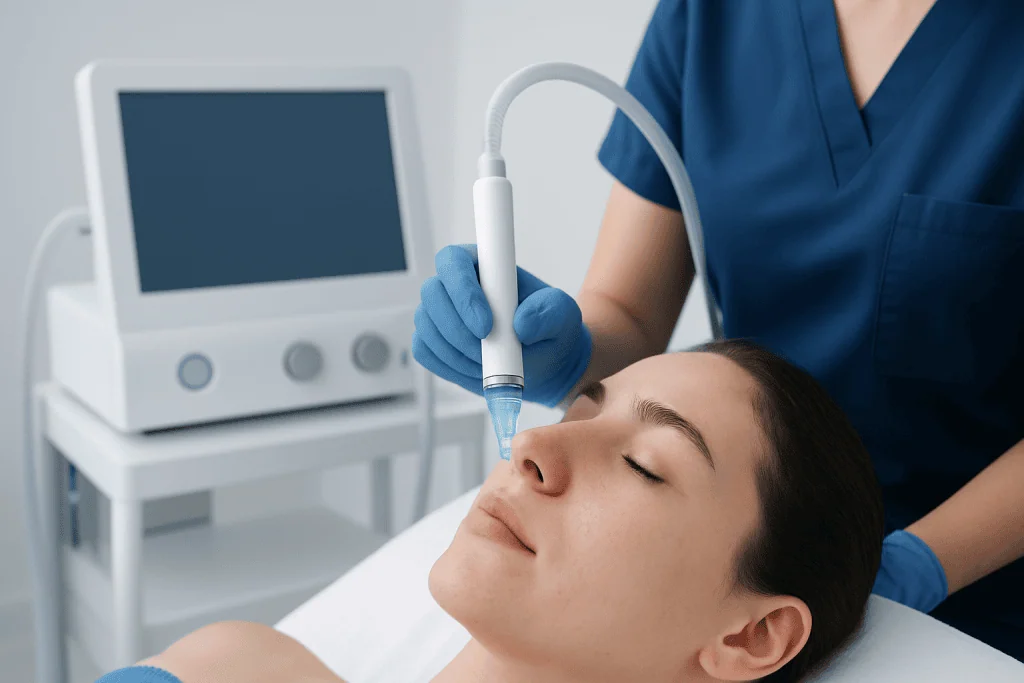
When blackheads do not improve with home care, professional treatment can help clear pores more safely. A dermatologist or trained skin specialist may perform comedone extraction using sterile technique and controlled pressure. This can be useful for stubborn areas, but it is usually combined with longer-term treatment to reduce recurrence.
Depending on the skin type and severity, clinicians may also recommend prescription retinoids, topical acne medications, or in-office procedures. Superficial peels can help improve clogged pores and uneven texture, while some patients with broader acne concerns may need a more comprehensive plan. In selected cases, supportive options used in dermatology settings may include acne treatment or other tailored therapies.
If blackheads are accompanied by visible acne scars, texture changes, or repeated inflammation, a doctor may discuss treatments aimed at skin resurfacing as well as pore control. For example, some patients later consider laser treatment for residual marks after active acne is under better control. The right choice depends on skin sensitivity, acne type, and overall treatment goals.
Daily habits that help prevent blackheads
Preventing blackheads usually depends on a simple, sustainable skincare routine. Gentle cleansing, regular moisturizing, and daily sunscreen use support the skin barrier while reducing oil and debris buildup. Moisturizer remains important even for oily skin, because over-drying can lead to irritation and make treatment harder to tolerate.
Product choice matters. Non-comedogenic makeup, sunscreen, and hair products are less likely to clog pores. People who exercise regularly may benefit from washing the face after sweating and changing out of tight, damp clothing to reduce friction on the chest and back.
Consistency is more important than intensity. Blackhead care often takes several weeks to show visible improvement, especially with retinoids or exfoliating acids. Starting too many products at once can make it difficult to tell what is helping and may increase dryness or peeling.
Patients with recurrent blackheads on the face or body may also benefit from medical evaluation if there are signs of more extensive skin disease or if over-the-counter care repeatedly fails. Near the end of the care journey, some people choose assessment at centers such as Acibadem International, where multidisciplinary specialists in JCI-accredited hospitals evaluate and treat skin conditions for international patients.
When to seek medical care
Most blackheads are not urgent, but medical care is helpful when they are persistent, widespread, or causing emotional distress. A doctor can confirm that the spots are truly blackheads and not another skin condition such as inflamed acne, milia, or irritation from products.
Evaluation is also reasonable if home treatment has been used consistently for several weeks without improvement, or if the skin becomes red, painful, swollen, or scarred. Repeated picking, squeezing, or use of harsh products can damage the skin barrier and make symptoms worse.
People should seek professional advice sooner if blackheads appear together with deeper painful acne, significant discoloration, signs of infection, or sudden severe breakouts. A clinician can build a safer plan and decide whether prescription medication or procedures are needed.
Frequently asked questions
What is the safest way to do blackhead removal?
The safest approach usually combines gentle cleansing, non-comedogenic skincare, and pore-unclogging ingredients such as salicylic acid or retinoids. If blackheads are stubborn, professional extraction by a trained clinician is generally safer than squeezing them at home.
Can blackheads go away on their own?
Some blackheads may improve over time, especially if the skin routine changes and fewer pores become clogged. However, many tend to persist or recur unless oil, dead skin buildup, and contributing products are addressed consistently.
Is it bad to squeeze blackheads?
Squeezing can irritate the skin and may push material deeper into the pore. It can also lead to redness, broken skin, infection, or lingering dark marks, particularly in sensitive or darker skin tones.
Do pore strips remove blackheads permanently?
Pore strips may remove some surface debris temporarily, but they do not treat the underlying cause of clogged pores. Because of that, blackheads often return, and frequent use can irritate the skin.
Which products help with blackhead removal?
Products with salicylic acid, retinoids, and non-comedogenic moisturizers are commonly used to reduce clogged pores. The best choice depends on skin sensitivity, age, pregnancy status, and whether other forms of acne are present.
When should someone see a dermatologist for blackheads?
A dermatologist visit is sensible if blackheads are widespread, recurring, or not improving after several weeks of careful home treatment. Medical advice is also helpful if there is pain, redness, scarring, or uncertainty about the diagnosis.
References
- American Academy of Dermatology
- National Institute of Arthritis and Musculoskeletal and Skin Diseases
- Mayo Clinic
- NHS
- Merck Manual
This article is for general information only and is not a substitute for professional medical advice. Please consult a qualified doctor about your individual situation.
Hair transplant in Turkey — costs, graft counts & a free assessment
JCI-accredited · board-certified surgeons · reply within 24h
Add us as a Preferred Source to see more of our trusted health content across Google Search, AI Overviews and Discover.