Bladder Tumour Removal: Procedure, Recovery and Results

Most bladder tumours are initially removed with transurethral resection of bladder tumour (TURBT), using instruments passed through the urethra. The pathology report determines whether a tumour is cancerous, how deeply it has grown and whether further treatment is needed.
Key Takeaways
- Most bladder tumours are initially removed with transurethral resection of bladder tumour (TURBT), using instruments passed through the urethra.
- The pathology report determines whether a tumour is cancerous, how deeply it has grown and whether further treatment is needed.
- Recovery after a TURBT is often measured in days to a few weeks; recovery after bladder removal surgery is longer and more individualized.
- Blood in the urine, burning during urination and increased urinary frequency can occur briefly after treatment, but worsening symptoms need medical advice.
- Regular cystoscopy follow-up is important because some bladder tumours can return after removal.
Bladder tumour removal is a procedure used to take out abnormal tissue from the bladder, confirm the diagnosis under a microscope and guide further care. Most small or surface-level tumours are removed through the urethra without an abdominal incision, while more extensive surgery may be needed for cancer that has grown into the bladder muscle.
Overview: how bladder tumour removal works
Bladder tumour removal is performed to remove a growth from the lining or wall of the bladder. It is often both a diagnostic and a treatment procedure: the removed tissue is examined by a pathologist to establish whether cancer is present, the tumour type, its grade and how far it extends into the bladder wall.
The most common approach is transurethral resection of bladder tumour, often called TURBT. A urologist passes a narrow camera and surgical instrument through the urethra, the natural channel that carries urine out of the body. The tumour is removed or shaved away without an incision in the abdomen. This is commonly used for tumours that appear limited to the bladder lining or the layer beneath it.
If testing shows a muscle-invasive cancer, or if the tumour cannot be safely or completely managed by TURBT, treatment may involve a more extensive operation. This can include partial removal of the bladder in selected cases or removal of the whole bladder, called radical cystectomy. The appropriate plan depends on the pathology findings, imaging results, overall health and personal priorities.
Who may need bladder tumour removal?
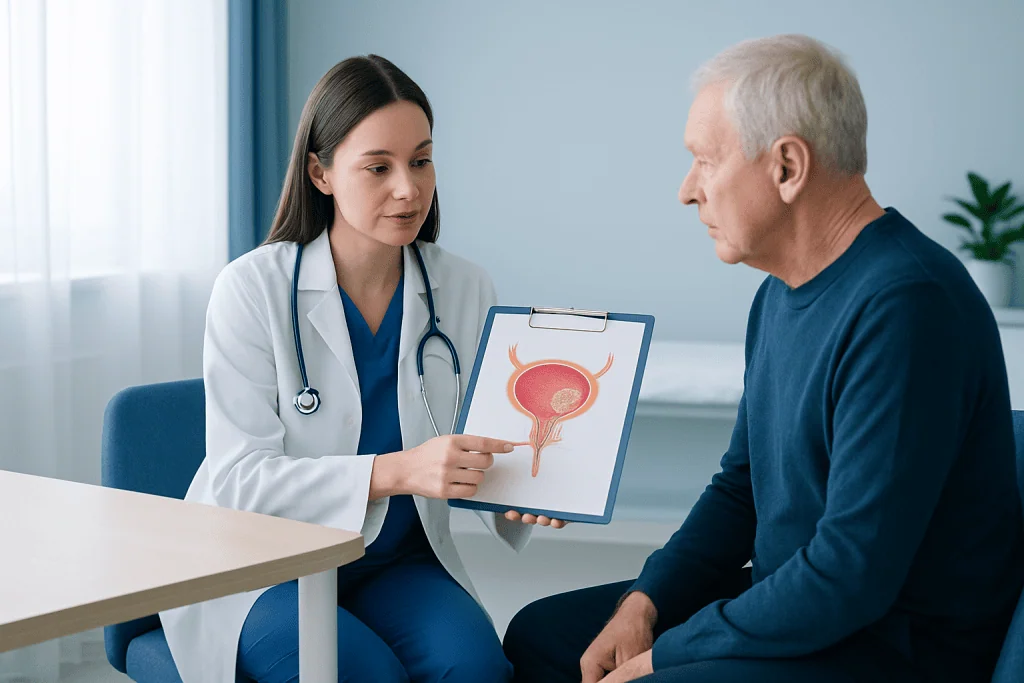
A clinician may recommend bladder tumour removal when cystoscopy, imaging or urine testing suggests an abnormal area in the bladder. Visible blood in the urine is a common reason for assessment, although blood in urine has several possible causes and does not always indicate cancer. Other symptoms may include frequent urination, urgency, burning with urination or pelvic discomfort.
Not every bladder growth is cancerous. Some lesions are benign, while others are low-grade cancers that tend to grow slowly or high-grade cancers that have a greater chance of returning or progressing. Removing and testing the tissue is the most reliable way to clarify the diagnosis and determine what care is needed next.
Before surgery, the urology team reviews medical history, medications, allergies and anaesthesia risks. Blood tests, urine tests, cystoscopy and scans of the urinary tract may be used to plan treatment. People taking anticoagulants, antiplatelet medicines or certain diabetes medicines should ask the clinical team whether temporary adjustments are needed; they should not stop prescribed medication on their own.
Step by step: what happens during the procedure?
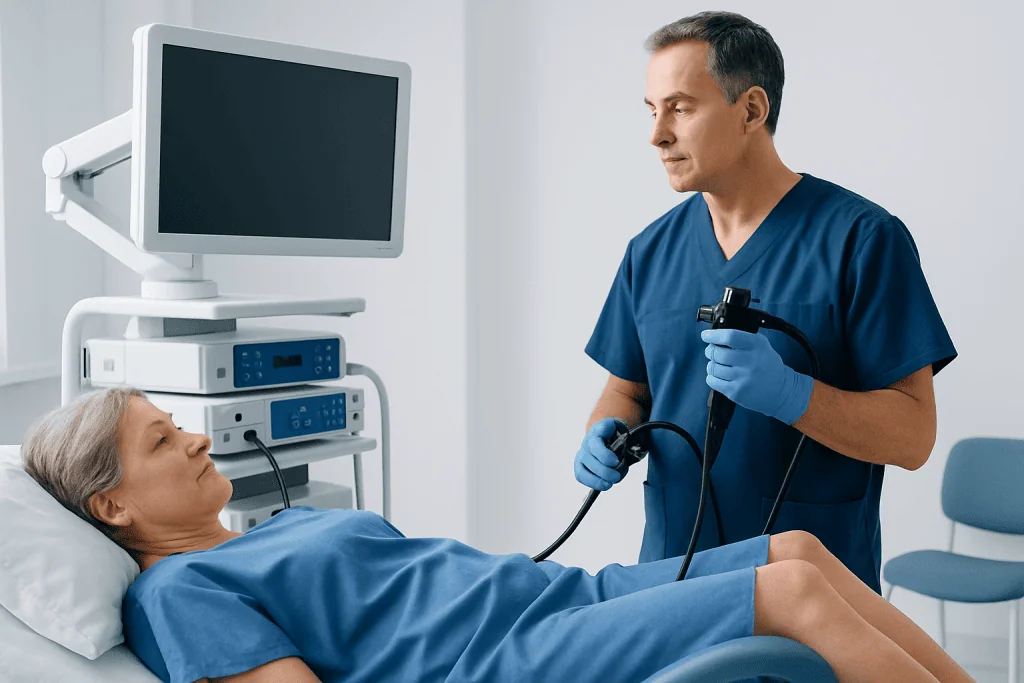
TURBT is usually performed under general anaesthesia or spinal anaesthesia, so the person is asleep or numb from the waist down. A cystoscope is guided through the urethra into the bladder. Sterile fluid expands the bladder, allowing the urologist to inspect the lining and identify the tumour or suspicious areas.
A small wire loop, laser or other instrument is used to remove visible tumour tissue and, when appropriate, a sample from the tissue beneath it. The tissue is sent to the laboratory. The surgeon may also cauterize the treatment area to control bleeding. In some situations, a medicine may be placed in the bladder soon after surgery to reduce the chance of early tumour cells attaching to the bladder lining.
A urinary catheter may be left in place temporarily to drain urine and monitor bleeding. Many people go home the same day or after an overnight stay, depending on the extent of treatment and their recovery from anaesthesia. Larger, multiple or difficult-to-reach tumours can require a longer procedure, repeat TURBT or additional treatment after pathology results are available.
For muscle-invasive disease, surgery may be more complex. Radical cystectomy removes the bladder and typically involves creating a new way for urine to leave the body, known as urinary diversion. This operation requires detailed preparation and recovery support from a multidisciplinary team.
What to expect after having a tumor removed from your bladder?
After a transurethral procedure, mild burning when passing urine, urinary urgency, frequency and small amounts of blood in the urine are common for a short period. These symptoms should gradually settle. Drinking fluids as advised by the care team can help keep urine flowing, unless fluid intake is restricted for another medical reason.
People are generally advised to rest at first and avoid heavy lifting, strenuous exercise and activities that strain the abdomen until their urologist says it is safe. The exact instructions vary according to the procedure, bleeding risk and individual health. A follow-up appointment is arranged to discuss the pathology report and whether further bladder treatment is recommended.
Prompt medical advice is important for heavy or persistent bleeding, large blood clots, inability to pass urine, fever, chills, worsening pain, vomiting or signs of an allergic reaction to medication. These symptoms can indicate bleeding, infection, urinary blockage or another issue that needs assessment.
How long does it take to recover from bladder tumor removal?
Bladder tumor removal recovery time depends mainly on the type and extent of surgery. After an uncomplicated TURBT, many people return to light daily activities within several days, though urinary irritation and tiredness may last for one to two weeks. Returning to demanding physical work, vigorous exercise or sexual activity may take longer and should follow the treating clinician’s guidance.
If a catheter is needed, the team will explain how long it is expected to remain in place and how to care for it. Urine may look pink or slightly red while the treatment site heals. It should become lighter over time; new heavy bleeding or clots should be reported promptly.
Bladder cancer removal surgery recovery time is considerably longer after partial or radical cystectomy. A hospital stay is usually required, and recovery commonly takes weeks to months. Adjustment to a urinary diversion, nutrition, bowel function, fatigue and emotional wellbeing are all important parts of recovery. Follow-up with urology, oncology, nursing and rehabilitation professionals can support a safer return to usual activities.
Is bladder tumor removal a major surgery?
TURBT is a surgical procedure, but it is generally less invasive than open abdominal surgery because instruments are passed through the urethra. It is commonly performed as day surgery or with a short hospital stay. Even so, it requires anaesthesia and carries risks, so it should be approached with the same careful preparation and follow-up as other operations.
Partial cystectomy and radical cystectomy are major surgeries. They involve an abdominal operation, a longer hospital stay and more extensive recovery. Radical cystectomy also requires urinary reconstruction or diversion, making preoperative counselling and specialist aftercare especially important.
Potential benefits of bladder tumour removal include establishing an accurate diagnosis, removing visible disease, relieving bleeding or blockage and helping prevent progression where possible. Potential risks include bleeding, urinary tract infection, bladder perforation, scarring, pain, anaesthesia-related complications and recurrence of the tumour. The care team explains how these risks apply to the individual procedure.
How serious is a tumor in the bladder?
A tumour in the bladder should always be assessed, but its seriousness varies widely. Important factors include whether it is cancerous, its grade, the number and size of tumours, whether it has invaded the bladder muscle and whether it has spread beyond the bladder. A pathology report after removal provides much of this essential information.
Non-muscle-invasive bladder cancers are confined to the inner lining or nearby tissue layers. They may often be managed with TURBT and, in some cases, medicines placed directly into the bladder. However, they can recur, which is why planned cystoscopy surveillance is a central part of long-term care.
Muscle-invasive bladder cancer needs prompt specialist evaluation because it has a higher risk of spreading. Treatment may involve surgery, chemotherapy, radiation therapy or a combination of these approaches. Decisions are individualized, and discussing the findings with a urologist and oncology team can help a person understand both the diagnosis and the available options.
When to seek medical care
Anyone who notices blood in the urine, particularly visible blood that is unexplained or recurring, should arrange medical assessment. Urinary symptoms such as persistent urgency, pain while urinating, frequent infections or difficulty emptying the bladder also deserve evaluation. These symptoms are common in non-cancerous conditions, but testing is important to identify the cause.
After bladder tumour removal, urgent care is appropriate for inability to urinate, heavy bleeding or clots, fever or chills, severe pain, shortness of breath, chest pain or rapidly worsening symptoms. It is better to contact the surgical team early if there is uncertainty about a new symptom during recovery.
Ongoing follow-up is not optional after a bladder tumour has been removed. Surveillance cystoscopy, urine testing and scans may be scheduled according to the tumour’s risk features. Acibadem International’s multidisciplinary specialists and JCI-accredited hospitals diagnose and treat bladder conditions for international patients, with care plans guided by pathology and individual clinical needs.
Frequently asked questions
What is the most common bladder tumour removal procedure?
The most common procedure is transurethral resection of bladder tumour, or TURBT. A urologist passes a camera and instruments through the urethra to remove the visible tumour without making an abdominal incision. The tissue is then tested in a laboratory.
Will there be pain after bladder tumor removal?
Mild burning during urination, bladder discomfort and cramping can occur after TURBT. These symptoms usually improve as the bladder heals. Severe or worsening pain, fever, or difficulty urinating should be reported to the clinical team promptly.
Can a bladder tumour return after removal?
Yes. Some bladder tumours can recur after they have been removed, particularly non-muscle-invasive tumours. Regular follow-up cystoscopy helps detect new or returning tumours early, when they may be easier to manage.
When can someone return to work after TURBT?
Many people can return to light work within a few days to one or two weeks, depending on symptoms and the nature of their job. Jobs involving heavy lifting or strenuous activity may require more recovery time. The treating urologist can provide individualized advice.
Does bladder tumour removal mean a person has bladder cancer?
No. A bladder growth can be benign or cancerous, and its appearance alone cannot provide a final diagnosis. Examination of the removed tissue by a pathologist determines whether cancer is present and describes its characteristics.
Why might a second TURBT be recommended?
A second procedure may be advised if the first sample did not include enough bladder muscle for accurate staging, if a high-grade tumour was found, or if the initial removal may not have been complete. It helps confirm the stage and can remove any remaining tumour tissue.
References
- American Urological Association
- European Association of Urology
- National Cancer Institute
- American Cancer Society
- National Health Service
This article is for general information only and is not a substitute for professional medical advice. Please consult a qualified doctor about your individual situation.
Oncology care in Turkey — second opinion and treatment plan
JCI-accredited · board-certified surgeons · reply within 24h
Add us as a Preferred Source to see more of our trusted health content across Google Search, AI Overviews and Discover.

More from the Health Library



Related Specialists

Assoc. Prof. Dr. Berkin Toker
Orthopedic Surgery & Traumatology
Prof. Dr. Hakan Ağır
Aesthetic Plastic & Reconstructive Surgery
Dt. Memduha Merve Kara
Oral & Dental Health
Pdg. Gizem Sencer
Podiatry & Foot Health