Blakemore Tube: A Complete Medical Overview
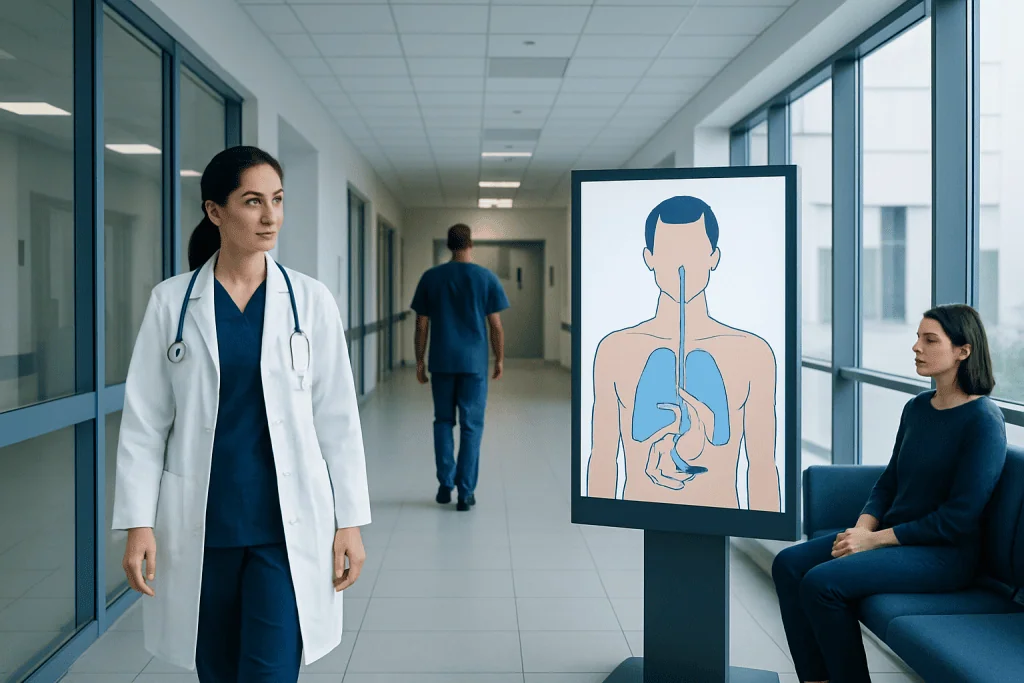
A blakemore tube is used in emergencies, not as a routine long-term treatment. It most often helps control bleeding from esophageal varices linked to advanced liver disease.
Key Takeaways
- A blakemore tube is used in emergencies, not as a routine long-term treatment.
- It most often helps control bleeding from esophageal varices linked to advanced liver disease.
- Placement usually happens in intensive care or emergency settings with close monitoring.
- The tube can be lifesaving, but it also carries important risks and requires expert care.
- Definitive treatment usually includes endoscopy, medicines, and management of the underlying cause.
A blakemore tube is a specialized emergency tube used to temporarily stop severe bleeding in the esophagus or stomach, most often from ruptured varices. It is a bridge treatment used in critical care while doctors stabilize the patient and arrange definitive therapy.
Overview: What a Blakemore Tube Is
A blakemore tube, also called a Sengstaken-Blakemore tube, is a medical device used to temporarily control severe upper gastrointestinal bleeding. It is most commonly used when bleeding comes from enlarged veins in the esophagus, known as esophageal varices. These varices often develop in people with significant liver disease and can bleed heavily.
The tube is passed through the mouth or nose into the stomach. It has inflatable balloons that apply pressure inside the digestive tract. This pressure can help compress bleeding veins and reduce blood loss while the care team stabilizes the patient.
A blakemore tube is considered a rescue or bridge treatment rather than a cure. In most cases, doctors use it when medicines and urgent endoscopy are not immediately enough, are not yet available, or while preparing for the next step of treatment. Because it is an intensive procedure, it is usually performed in emergency departments, intensive care units, or specialized hospital settings.
Why It Is Used and When Doctors Consider It
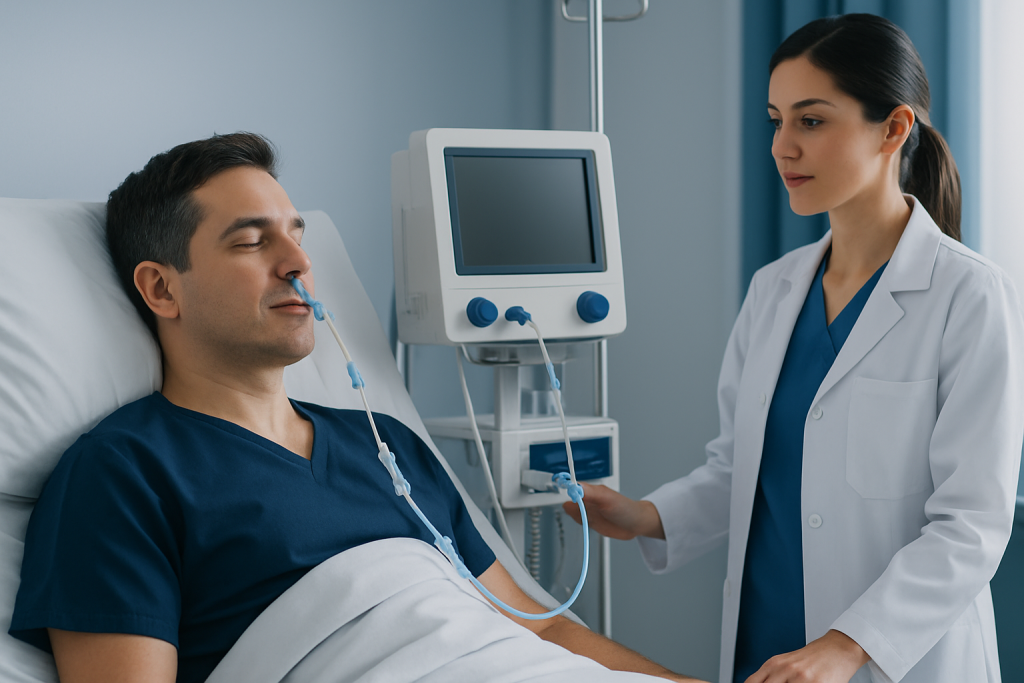
The main reason to use a blakemore tube is uncontrolled or high-risk bleeding from varices in the esophagus or stomach. This kind of bleeding can be life-threatening because it may cause rapid blood loss, vomiting of blood, black stools, low blood pressure, dizziness, confusion, or shock.
Doctors generally consider the tube when immediate bleeding control is needed. It may be used if a patient continues to bleed despite medications, if endoscopy is delayed, or if bleeding returns before a definitive procedure can be completed. In this sense, the tube helps buy time while the team plans more durable treatment.
Many patients who need a blakemore tube have underlying portal hypertension related to cirrhosis or other serious liver conditions. When variceal bleeding is suspected, specialists also evaluate the broader cause, which may include cirrhosis or advanced digestive system disease requiring ongoing hepatology and gastroenterology care.
How the Procedure Works
Before placement, the medical team focuses on airway protection, circulation, and stabilization. Because severe bleeding can affect breathing and consciousness, some patients need sedation or breathing support before the tube is inserted. Blood tests, intravenous fluids, blood products, and medications are also commonly used at the same time.
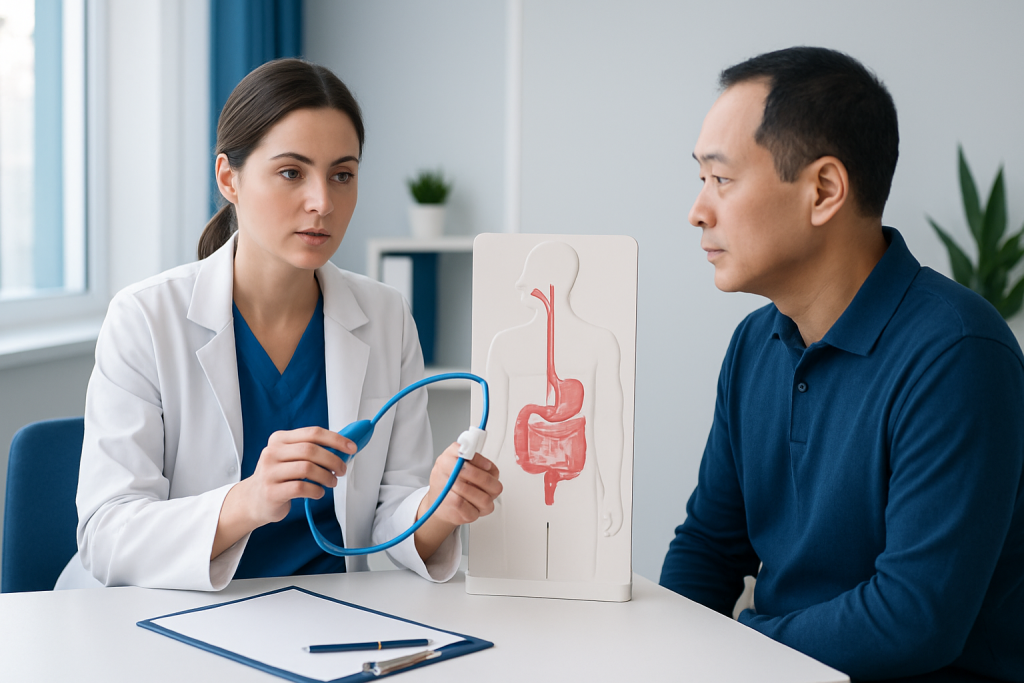
Once inserted into the stomach, the tube’s gastric balloon is inflated first to anchor the device. Gentle traction may then be applied. If bleeding from the esophagus continues, the esophageal balloon may also be inflated to increase pressure on the bleeding veins. The exact steps depend on the patient’s anatomy, bleeding pattern, and response to treatment.
The tube is not left in place longer than necessary. While it is working, the patient is closely monitored in a high-acuity setting for breathing, circulation, balloon pressure, discomfort, and signs of ongoing bleeding. The goal is to transition as soon as possible to more definitive treatment, often including urgent endoscopy or, in selected cases, more advanced liver and vascular procedures.
Conditions Linked to Blakemore Tube Use
The device is most closely associated with bleeding varices. Varices form when pressure builds up in veins that drain the digestive organs, usually because blood cannot flow normally through the liver. This increased pressure, called portal hypertension, causes veins in the esophagus or stomach to enlarge and become fragile.
People at highest risk often have chronic liver disease, especially cirrhosis. Alcohol-related liver disease, viral hepatitis, fatty liver disease, and some vascular disorders can all contribute. In many cases, the blakemore tube is part of emergency management for esophageal varices rather than treatment of the underlying liver problem itself.
Not all upper gastrointestinal bleeding is caused by varices. Ulcers, tears in the esophagus, gastritis, or other sources may also cause bleeding, but a blakemore tube is not the usual treatment for those conditions. Doctors therefore use history, examination, blood tests, and imaging or endoscopy to identify the most likely cause and choose the safest approach.
Benefits, Limits, and Possible Risks
The main benefit of a blakemore tube is speed. In a major bleeding emergency, it can help reduce blood loss when every minute matters. This may improve stability long enough for endoscopic therapy, interventional procedures, or surgery if needed.
Its limits are equally important. The tube is temporary, and bleeding can return after it is deflated or removed. It does not treat portal hypertension, liver disease, or the underlying reason the varices formed. For this reason, additional treatment is almost always required.
Like any invasive emergency measure, it carries risks. Possible complications include aspiration, breathing problems, ulceration or pressure injury to the esophagus, pain, balloon misplacement, or rarely rupture of the esophagus. Because of these risks, placement and monitoring should be performed by experienced clinicians with careful imaging, examination, and ongoing reassessment.
- Possible short-term benefits: rapid bleeding control, time for stabilization, bridge to definitive care
- Main limitations: temporary effect, discomfort, need for intensive monitoring
- Key risks: airway compromise, aspiration, tissue injury, recurrent bleeding
Diagnosis and Definitive Treatment After Stabilization
Once the patient is more stable, doctors focus on confirming the source of bleeding and providing definitive treatment. Endoscopy is central because it allows both diagnosis and therapy. During endoscopy, specialists may treat varices using band ligation or other techniques to stop bleeding and reduce the chance of early recurrence.
Medications also play an important role. Depending on the situation, doctors may use medicines that reduce portal pressure, antibiotics if infection risk is present, acid suppression when appropriate, and blood products guided by the clinical picture and laboratory results. Treatment decisions are individualized and depend on the cause of bleeding, the patient’s liver function, and overall health.
Some patients need further interventions if bleeding cannot be controlled or comes back. These may include interventional radiology procedures or surgery in selected cases. In hospitals such as Acibadem International, multidisciplinary specialists in gastroenterology, intensive care, surgery, and radiology work together in JCI-accredited settings to diagnose and treat complex bleeding emergencies for international patients.
Recovery, Prevention, and Long-Term Care
Recovery depends largely on the cause and severity of the bleeding episode. After the immediate crisis, patients often need follow-up for liver health, repeat endoscopy, and medicines aimed at lowering the risk of future variceal bleeding. Nutrition, alcohol avoidance when relevant, vaccination advice, and management of chronic liver disease are also important parts of care.
People with known cirrhosis or portal hypertension benefit from regular medical follow-up. Screening endoscopy may identify varices before they bleed, and doctors can recommend preventive measures based on the size of the varices and the person’s overall condition. Preventing the first or next bleed is a major goal.
Self-care at home cannot replace emergency treatment for active bleeding, but it can support long-term health. Patients should take prescribed medicines as directed, attend follow-up visits, avoid non-prescribed drugs that may worsen bleeding risk unless approved by a clinician, and discuss symptoms such as black stools, fatigue, abdominal swelling, or jaundice promptly with their doctor.
When to Seek Medical Care
Immediate medical care is needed for vomiting blood, black tarry stools, fainting, severe weakness, shortness of breath, confusion, or signs of shock such as cold clammy skin and a very fast pulse. These symptoms can indicate major internal bleeding and should be treated as an emergency.
People with known liver disease, portal hypertension, or prior varices should also seek urgent advice for new dizziness, a rapid drop in energy, worsening abdominal swelling, or any sign of gastrointestinal bleeding. Even if symptoms seem brief, bleeding can recur or worsen quickly.
A blakemore tube is not something a person requests or manages outside the hospital. It is an emergency intervention used by specialists after urgent assessment. Anyone with suspected internal bleeding should call emergency services or go to the nearest emergency department without delay.
Frequently asked questions
What is a blakemore tube used for?
A blakemore tube is used to temporarily control severe bleeding in the upper digestive tract, especially bleeding from esophageal varices. It is usually a short-term emergency measure while doctors stabilize the patient and arrange definitive treatment.
Is a blakemore tube the same as treatment for the underlying problem?
No. The tube helps control active bleeding, but it does not treat the underlying cause such as portal hypertension or liver disease. Most patients still need endoscopic therapy, medicines, and follow-up care for the condition that led to the bleeding.
Is placement of a blakemore tube painful?
The procedure can be uncomfortable, which is why it is done in closely monitored hospital settings with supportive care. Some patients may need sedation or airway protection depending on their condition and the severity of bleeding.
How long does a blakemore tube stay in place?
It is usually kept in place only as long as necessary to control bleeding and bridge the patient to definitive therapy. Because the tube can cause complications if left in too long, doctors aim to remove it as soon as it is safe.
What are the risks of a blakemore tube?
Important risks include aspiration, breathing problems, pressure injury to the esophagus, incorrect placement, and recurrent bleeding after removal. For this reason, placement requires experienced clinicians and continuous monitoring.
Who is most likely to need a blakemore tube?
People with severe variceal bleeding are the most likely candidates. This often includes patients with cirrhosis, portal hypertension, or other advanced liver conditions that cause enlarged fragile veins in the esophagus or stomach.
References
- American College of Gastroenterology
- National Institute of Diabetes and Digestive and Kidney Diseases
- Merck Manual Professional Edition
- European Association for the Study of the Liver
- National Health Service
This article is for general information only and is not a substitute for professional medical advice. Please consult a qualified doctor about your individual situation.
Persistent digestive symptoms? Get evaluated in Turkey
JCI-accredited · board-certified surgeons · reply within 24h
Add us as a Preferred Source to see more of our trusted health content across Google Search, AI Overviews and Discover.
Check your numbers in seconds
BMI, calories, due date, blood pressure and 30+ more clinical calculators — free, instant, doctor-reviewed ranges.

More from the Health Library

Hyaline Casts in Urine: A Complete Medical Overview

Alsi Seeds Oil: A Complete Medical Overview

Pizza Causes — Explained by Medical Evidence, Not Myths

Pentamidine — Explained by Medical Evidence, Not Myths

Mass Hysteria: What Patients Need to Know