Mass Hysteria: What Patients Need to Know

Mass hysteria refers to real symptoms occurring in a group without a shared medical exposure explaining them. Common symptoms can include dizziness, headache, nausea, shaking, weakness, or fainting-like episodes.
Key Takeaways
- Mass hysteria refers to real symptoms occurring in a group without a shared medical exposure explaining them.
- Common symptoms can include dizziness, headache, nausea, shaking, weakness, or fainting-like episodes.
- Doctors first rule out urgent causes such as infection, poisoning, neurological illness, or environmental exposure.
- Treatment focuses on reassurance, reducing stress, clear communication, and individualized mental health support when needed.
- Prompt medical review is important if symptoms are severe, sudden, prolonged, or suggest another medical emergency.
Mass hysteria, often called mass psychogenic illness, describes a situation in which a group of people develops real symptoms that spread through stress, fear, or social influence rather than a shared toxic or infectious cause. The symptoms are not imagined, and proper medical assessment is important to rule out other conditions and guide supportive care.
Overview
Mass hysteria is a non-technical term commonly used to describe what clinicians more often call mass psychogenic illness or a form of collective stress response. It happens when a group of people develops similar physical symptoms, yet medical evaluation does not find a single shared physical cause such as a toxin, infection, or structural disease. The symptoms are genuine and can feel frightening, even though they are not caused by deliberate behavior or “faking.”
This pattern has been described in schools, workplaces, households, communities, and other close social settings. Episodes may begin after a stressful event, a health scare, a rumor about contamination, or the observation of another person becoming unwell. Once concern spreads through the group, symptoms may appear in others through heightened stress, attention, and expectation.
Although the phrase “mass hysteria” is still widely recognized, many health professionals prefer more precise terms because they are less stigmatizing. Words such as mass psychogenic illness and functional symptoms better reflect that the experience is real, complex, and linked to how the brain and body respond to stress. In some cases, individual symptoms may overlap with functional neurological disorder.
How It Can Feel and What Symptoms May Appear
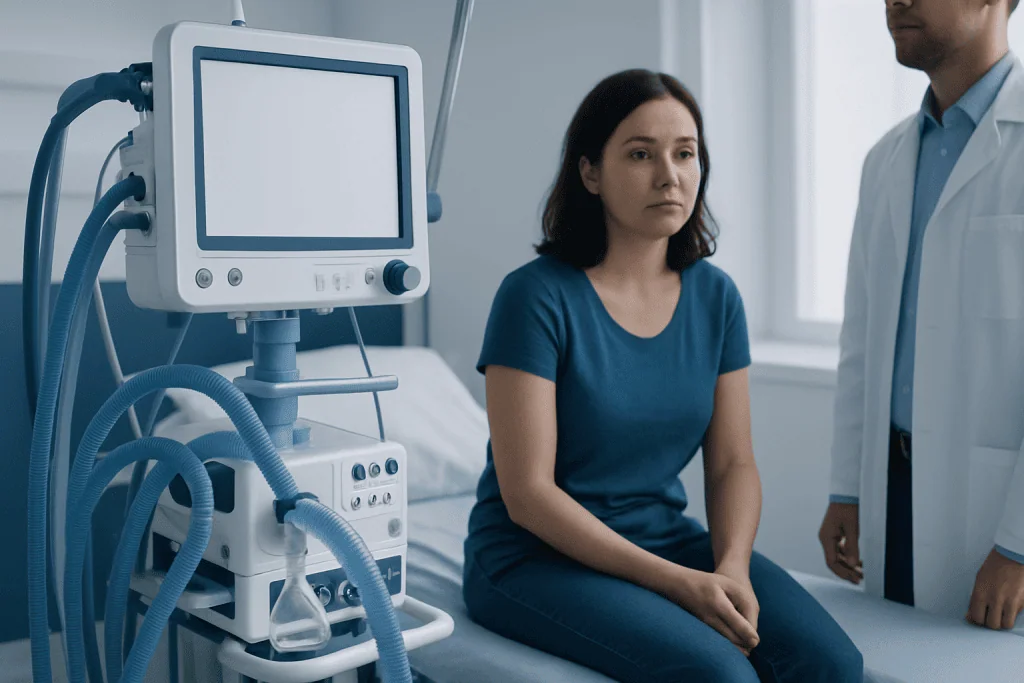
Symptoms in mass psychogenic illness can vary widely, but they usually begin suddenly and may spread quickly among people who are in close contact or share the same concern. The pattern often includes symptoms that are distressing but not tied to a consistent physical abnormality on tests. Episodes may last minutes, hours, or longer depending on the situation and the level of ongoing stress.
Common symptoms may include headache, dizziness, nausea, abdominal discomfort, rapid breathing, weakness, trembling, tingling, chest tightness, or feeling faint. Some people may report difficulty speaking, blurred vision, unusual movements, or temporary trouble walking. In children and adolescents, symptoms may occur in clusters at school and can be especially alarming to families and staff.
These symptoms should never be dismissed simply because stress may be involved. Physical symptoms linked to stress are still real symptoms, and many people need reassurance only after a careful medical review. A doctor may also consider whether symptoms resemble panic attacks, anxiety disorder, migraines, seizures, dehydration, low blood sugar, or exposure-related illness.
- Headache or pressure in the head
- Dizziness or lightheadedness
- Nausea or stomach upset
- Weakness, shakiness, or numbness
- Fainting or fainting-like episodes
- Shortness of breath or chest discomfort
Why It Happens

Mass hysteria usually develops from a combination of psychological, social, and environmental factors rather than one single trigger. Stress can alter breathing, heart rate, muscle tension, attention, and body sensations. If one person in a group becomes unwell, others may become more alert to normal bodily sensations and begin to interpret them as signs of danger. This does not mean the symptoms are imagined; it means the body’s stress systems are amplifying them.
Social context matters. Close-knit groups, high-pressure settings, uncertainty about a possible exposure, and strong media or social media attention can all increase the chance that symptoms will spread. Young people may be more vulnerable in some settings, especially when there is ongoing academic, social, or emotional stress. A history of anxiety, trauma, sleep problems, or recent illness can also make symptoms more likely in an individual.
Sometimes the trigger is a smell, a noise, a rumor of poisoning, or one dramatic event such as someone collapsing. In other cases, there is no obvious trigger at all. Doctors also recognize that functional physical symptoms can occur in one person or a group, and may overlap with problems such as panic attacks or stress-related neurological symptoms.
How Doctors Evaluate It
Diagnosis begins with ruling out urgent and treatable medical causes. When several people become ill together, clinicians first consider environmental exposure, infection, allergic reactions, medication effects, metabolic problems, neurological illness, and other emergencies. The history of what happened, where symptoms began, who was affected, and whether symptoms improved after leaving the setting can all provide important clues.
A physical examination and selected tests may be done depending on the symptoms. Doctors do not need to perform every possible test in every case, but they do look for red flags such as fever, low oxygen levels, persistent confusion, weakness on one side of the body, severe dehydration, or evidence of poisoning. If symptoms suggest a brain or nerve problem, they may recommend further neurological evaluation and, when appropriate, neurology assessment.
Once serious causes are reasonably excluded, the pattern of group spread, the type of symptoms, and the absence of a shared physical explanation may support a diagnosis of mass psychogenic illness. Clear communication is an important part of care. Patients and families often feel better when a clinician explains that the symptoms are real, that dangerous causes have been considered carefully, and that recovery is expected in many cases.
Treatment and Support
There is no single medicine that “cures” mass hysteria because management depends on the symptoms, setting, and underlying stressors. Immediate care may include moving affected people to a calm environment, checking vital signs, treating dehydration or hyperventilation if present, and limiting ongoing exposure to distressing rumors or crowd reactions. Reassurance should be respectful and specific, not dismissive.
For many people, symptoms improve once they understand that no dangerous exposure or structural disease has been found. Supportive treatment may include breathing strategies, rest, hydration, sleep support, and practical stress reduction. If episodes are linked to anxiety, trauma, or recurrent functional symptoms, referral for psychiatric evaluation or psychological therapy may help. Some patients with movement, speech, or balance symptoms can also benefit from physical therapy and rehabilitation as part of a broader plan.
In schools or workplaces, management may also involve coordinated communication with staff, families, and public health teams when needed. Repeated alarming messages can unintentionally worsen symptoms, so calm, consistent explanations are valuable. Near the end of the evaluation process, some patients may be referred for psychological support to address stress, coping, and symptom triggers in a nonjudgmental way.
Prevention and Self-Care
Not every episode can be prevented, but supportive environments reduce risk. Communities, schools, and workplaces can help by responding to unusual symptoms promptly, sharing verified information, and avoiding speculation about toxins or outbreaks before evidence is available. Clear communication lowers fear, and lower fear often reduces the spread of symptoms.
On an individual level, regular sleep, hydration, balanced meals, and stress management may reduce vulnerability to stress-related physical symptoms. Techniques such as slow breathing, limiting repeated checking of symptoms, and taking breaks from distressing online content can also help. If a person has a history of anxiety, panic, trauma, or functional symptoms, ongoing care can improve resilience.
Families and friends can support recovery by listening calmly, taking symptoms seriously, and encouraging medical review when appropriate. At the same time, it helps not to reinforce fear with repeated alarming discussions or internet searches about worst-case scenarios. For international patients who need further assessment, Acibadem International’s multidisciplinary specialists and JCI-accredited hospitals provide diagnosis and treatment support in a coordinated setting.
When to Seek Medical Care
Medical evaluation is important whenever a group of people suddenly develops similar symptoms, especially if there could be a shared exposure to chemicals, fumes, foodborne illness, infection, or environmental hazards. A doctor should also assess symptoms that are intense, recurrent, or difficult to explain. Even when stress may play a role, urgent conditions need to be ruled out first.
Prompt medical care is especially important if someone has chest pain, trouble breathing, severe confusion, high fever, seizure activity, persistent vomiting, blue lips, loss of consciousness, or new weakness affecting the face, arm, or leg. Children, older adults, pregnant patients, and people with major medical conditions may need earlier evaluation. If symptoms continue after reassurance or start interfering with school, work, sleep, or daily life, follow-up with a qualified doctor is recommended.
Ongoing care may involve a primary care physician, emergency doctor, neurologist, or mental health professional depending on the symptoms. The goal is not only to exclude dangerous causes, but also to provide a clear explanation and practical treatment plan that supports recovery.
Frequently asked questions
Is mass hysteria a real medical condition?
Yes. The symptoms people experience are real, even when doctors do not find a shared infection, toxin, or structural disease causing them. Health professionals often use the term mass psychogenic illness because it is more precise and less stigmatizing.
Does mass hysteria mean someone is pretending to be sick?
No. People are not usually choosing their symptoms or inventing them. Stress, fear, expectation, and social context can strongly affect how the brain and body respond, leading to genuine physical symptoms.
Can mass hysteria happen in children and teenagers?
Yes, it can occur in children and adolescents, especially in group settings such as schools. Young people may be more sensitive to stress, social influence, and fear after a classmate becomes unwell. Medical evaluation is still important to rule out other causes.
How is mass hysteria different from poisoning or infection?
Poisoning or infection usually has a detectable physical cause, such as exposure history, abnormal vital signs, lab findings, or a clear outbreak pattern. In mass psychogenic illness, people may share symptoms but testing does not show a common physical source. Doctors must still investigate carefully before reaching that conclusion.
What kind of doctor treats mass hysteria?
The first assessment may be done by an emergency physician or primary care doctor, depending on how suddenly symptoms appear. Further care may involve a neurologist, pediatrician, psychiatrist, psychologist, or rehabilitation specialist based on the symptoms and the person’s needs.
Can mass hysteria come back?
It can recur, particularly if the original stressors remain unresolved or if fear spreads again within the same group. Good communication, stress management, and follow-up care for anxiety or functional symptoms can reduce the chance of recurrence.
This article is for general information only and is not a substitute for professional medical advice. Please consult a qualified doctor about your individual situation.
Explore treatments in Turkey — costs, top hospitals & a free quote
JCI-accredited · board-certified surgeons · reply within 24h
Add us as a Preferred Source to see more of our trusted health content across Google Search, AI Overviews and Discover.
Check your numbers in seconds
BMI, calories, due date, blood pressure and 30+ more clinical calculators — free, instant, doctor-reviewed ranges.

More from the Health Library

Myoclonic Fits: An Evidence-Based Guide for Patients

Expectorant — Explained by Medical Evidence, Not Myths

The Conduction System of Heart: What Patients Need to Know

Ozone therapy: A Complete Medical Guide for Patients

Symmetric Tonic Neck Reflex: Normal Infant Development