Bloating Every Day: Common Causes, Food Triggers, and When to Get Checked

Daily bloating often comes from gas buildup, slowed digestion, constipation, or sensitivity to certain foods. Common triggers include large meals, fizzy drinks, high-salt foods, beans, onions, dairy in lactose intolerance, and some artificial sweeteners.
Key Takeaways
- Daily bloating often comes from gas buildup, slowed digestion, constipation, or sensitivity to certain foods.
- Common triggers include large meals, fizzy drinks, high-salt foods, beans, onions, dairy in lactose intolerance, and some artificial sweeteners.
- Keeping a symptom and food diary can help identify patterns and guide medical evaluation.
- Bloating that is new, persistent, painful, or linked to weight loss, vomiting, bleeding, or severe bowel changes needs medical attention.
- Treatment depends on the cause and may include dietary changes, constipation management, stress support, and evaluation for conditions such as IBS or celiac disease.
Bloating every day is common and is often related to eating habits, constipation, food intolerance, or functional digestive conditions such as irritable bowel syndrome. While many causes are manageable, persistent bloating or bloating with warning signs should be medically assessed.
Overview
Bloating is the feeling that the abdomen is full, tight, swollen, or under pressure. Some people notice visible abdominal distension, while others mainly feel discomfort, heaviness, or excessive gas. When bloating happens every day, it can interfere with eating, work, sleep, and overall comfort.
In many cases, daily bloating is not caused by a serious illness. It is often related to common digestive issues such as overeating, constipation, food intolerance, increased sensitivity to normal amounts of gas, or a functional bowel disorder like irritable bowel syndrome. Hormonal changes, stress, and eating quickly can also contribute.
Still, persistent bloating should not be ignored, especially if it is new, worsening, or accompanied by other symptoms. A medical review can help distinguish routine digestive triggers from conditions that need specific treatment.
Symptoms and What Bloating Can Feel Like
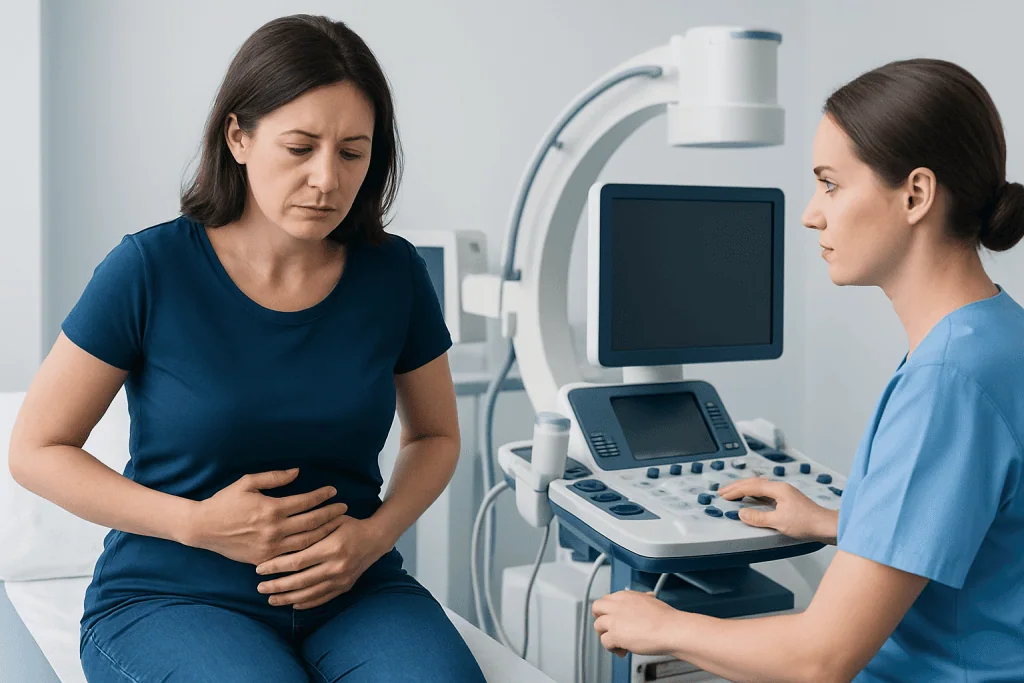
People describe bloating in different ways. Some feel their stomach is stretched or tight after meals, while others say they look visibly larger by the end of the day. The sensation may come and go, or it may be present most days, especially after eating.
Daily bloating may occur with other digestive symptoms, including:
- Excess gas or frequent burping
- Abdominal discomfort or cramping
- A feeling of fullness after small meals
- Constipation or hard stools
- Diarrhea or alternating constipation and diarrhea
- Nausea or reduced appetite
- Bowel noises or a “gurgling” feeling
The timing of symptoms can offer useful clues. Bloating that worsens after dairy may suggest lactose intolerance, while bloating linked to constipation may improve after a bowel movement. Symptoms that repeatedly follow certain carbohydrates, large meals, or stress can point toward functional digestive causes.
Common Causes and Food Triggers

One of the most common reasons for bloating every day is gas produced during digestion. This can happen when a person swallows extra air by eating too fast, drinking through a straw, chewing gum, or talking while eating. Fizzy drinks can add to the problem. Constipation is another frequent cause because stool buildup can slow the movement of gas and create pressure.
Food sensitivity and poor tolerance of certain carbohydrates are also common. Some people react to lactose in milk products, fructose in certain fruits and sweeteners, or fermentable carbohydrates found in foods such as onions, garlic, beans, lentils, wheat, and some packaged foods. These foods are not unhealthy, but in sensitive individuals they may increase gas and abdominal discomfort.
Functional digestive disorders are another important cause. In IBS, the bowel can be more sensitive to stretching from gas and stool, so even normal digestion may feel uncomfortable. Other medical causes can include celiac disease, slowed stomach emptying, reflux, small intestinal bacterial overgrowth, inflammatory bowel disease, and gynecologic conditions in women.
Some everyday triggers are easy to overlook:
- Large or late meals
- Very salty foods that promote fluid retention
- Fatty meals that slow digestion
- Sugar alcohols such as sorbitol, mannitol, or xylitol
- Low physical activity
- Stress and anxiety, which can affect gut function
- Certain medicines, including some pain medicines, iron supplements, or antibiotics
How Doctors Evaluate Daily Bloating
Diagnosis starts with a careful history. A doctor will usually ask when the bloating began, whether it is related to meals, bowel movements, menstrual cycles, constipation, or stress, and whether there are symptoms such as diarrhea, vomiting, reflux, bleeding, fever, or weight loss. A food and symptom diary can be very helpful because it may reveal repeat triggers.
The physical examination may include checking the abdomen for tenderness, swelling, bowel sounds, and signs of constipation or fluid buildup. In many cases, this assessment already points toward the likely cause, especially if symptoms fit a pattern such as constipation, food intolerance, or IBS.
Tests are not always needed, but they may be recommended when symptoms are persistent, severe, or unclear. Depending on the situation, evaluation may include blood tests, stool tests, breath tests for lactose intolerance or bacterial overgrowth, and imaging such as MRI scan or CT scan when structural problems need to be ruled out. Some people may also need endoscopic assessment with colonoscopy if there are bowel habit changes, bleeding, anemia, or age-related screening needs.
Treatment Options for Daily Bloating
The best treatment depends on the cause. If bloating is linked to constipation, improving bowel regularity often makes a big difference. If it is caused by a food intolerance, reducing the trigger food under medical or dietitian guidance may help. When a functional bowel disorder is responsible, treatment usually combines diet, lifestyle changes, and symptom-based care.
Doctors often recommend practical first steps such as eating smaller meals, slowing down at mealtimes, limiting fizzy drinks, and adjusting fiber carefully. Fiber can help constipation, but increasing it too quickly may temporarily worsen gas. Some patients benefit from a structured plan such as a short-term low-FODMAP approach supervised by a trained dietitian, followed by gradual food reintroduction.
Medicines may be used in selected cases, depending on the symptoms. These can include treatments for constipation, reflux, cramping, or underlying inflammation. If celiac disease, inflammatory bowel disease, infection, or another specific condition is found, treatment focuses on that diagnosis rather than bloating alone.
For people with persistent or unexplained symptoms, specialist evaluation in gastroenterology care can help identify the cause and build a personalized management plan. Near the end of the care pathway, some international patients may seek assessment at Acibadem International, where multidisciplinary specialists in JCI-accredited hospitals diagnose and treat digestive conditions.
Prevention and Self-care
Many people can reduce bloating by changing a few daily habits. Eating slowly, chewing well, and avoiding very large meals can reduce swallowed air and make digestion easier. Regular movement, especially walking after meals, may help the bowel move gas and stool more effectively.
Hydration is also important, particularly when constipation contributes to symptoms. It may help to limit fizzy drinks, gum, and heavily processed foods with sugar alcohols. If dairy, wheat, beans, or certain vegetables seem to be repeat triggers, it is sensible to monitor symptoms rather than cutting out many foods at once without guidance.
Helpful self-care steps include:
- Keeping a food, symptom, and bowel habit diary
- Eating smaller, more regular meals
- Increasing physical activity
- Managing constipation early
- Reducing excess salt if swelling seems worse later in the day
- Addressing stress with sleep, relaxation, or professional support when needed
Self-care works best when it is consistent and measured. Sudden highly restrictive diets can make eating stressful and may lead to nutritional imbalance, so medical or dietitian advice is useful if symptoms continue.
When to Get Checked
Bloating that happens every day for more than a short period deserves medical attention, especially if it is new or clearly getting worse. Although many causes are benign, persistent symptoms can sometimes be a sign of a condition that needs treatment.
A doctor should be consulted promptly if bloating occurs with warning signs such as unexplained weight loss, ongoing vomiting, blood in the stool, black stools, fever, anemia, trouble swallowing, severe pain, or a major change in bowel habits. New bloating in older adults or bloating that wakes a person from sleep should also be assessed.
Women should seek evaluation if bloating is persistent and associated with pelvic pain, changes in menstruation, or feeling full quickly, because abdominal symptoms can overlap with gynecologic conditions. If the abdomen becomes suddenly very swollen and painful, or if there is vomiting with inability to pass stool or gas, urgent medical care is important.
Frequently asked questions
Is bloating every day normal?
Daily bloating is common, but it is not something a person has to simply accept without looking for a reason. It is often related to diet, constipation, or a functional digestive condition, but persistent symptoms should be discussed with a doctor.
What foods commonly trigger bloating?
Common triggers include beans, lentils, onions, garlic, some dairy products, fizzy drinks, very salty meals, and foods containing sugar alcohol sweeteners. Triggers vary from person to person, so a food diary is often more helpful than avoiding many foods at once.
Can constipation cause bloating every day?
Yes. When stool moves slowly through the bowel, gas can build up and the abdomen may feel tight, heavy, or swollen. Treating constipation often improves bloating significantly.
Is bloating a sign of IBS?
It can be. Many people with irritable bowel syndrome experience bloating along with abdominal pain and changes in bowel habits such as diarrhea, constipation, or both. A doctor can help determine whether symptoms fit IBS or suggest another condition.
When should bloating be checked by a doctor?
Medical advice is important if bloating is persistent, new, worsening, or associated with weight loss, severe pain, vomiting, blood in the stool, fever, or major bowel habit changes. It is also worth getting checked if self-care steps do not help.
Will tests always be needed for bloating?
Not always. Many cases can be assessed through history, examination, and review of diet and bowel habits. Tests are more likely if symptoms are severe, persistent, unusual, or linked to warning signs.
References
- National Institute of Diabetes and Digestive and Kidney Diseases
- American College of Gastroenterology
- National Health Service
- Mayo Clinic
- World Gastroenterology Organisation
This article is for general information only and is not a substitute for professional medical advice. Please consult a qualified doctor about your individual situation.
Persistent digestive symptoms? Get evaluated in Turkey
JCI-accredited · board-certified surgeons · reply within 24h
Add us as a Preferred Source to see more of our trusted health content across Google Search, AI Overviews and Discover.

More from the Health Library



Related Specialists

Dr. Melda Koyuncu
Dermatology
Prof. Dr. Selda Özçirpici
Physical Medicine & Rehabilitation
Dr. Dilek Sınmaz
Ear Nose & Throat
Fzt. Yusuf Mücahit Turan
Physical Medicine & Rehabilitation