Blood Ailment or Blood Disorder: Which Symptoms Should Prompt a Hematology Review?

Blood disorders may involve red blood cells, white blood cells, platelets, bone marrow, or clotting factors. Symptoms that deserve attention include unusual tiredness, pale skin, bruising, bleeding, frequent infections, and enlarged lymph nodes.
Key Takeaways
- Blood disorders may involve red blood cells, white blood cells, platelets, bone marrow, or clotting factors.
- Symptoms that deserve attention include unusual tiredness, pale skin, bruising, bleeding, frequent infections, and enlarged lymph nodes.
- A hematology review usually begins with a medical history, physical examination, and blood tests such as a complete blood count.
- Many blood disorders are treatable, and early assessment can help identify both minor and serious causes.
- People should seek urgent medical care for heavy bleeding, chest pain, severe shortness of breath, or sudden weakness.
Blood disorders can affect red blood cells, white blood cells, platelets, or clotting proteins, and their symptoms are often easy to overlook at first. Persistent fatigue, unexplained bruising, bleeding, frequent infections, or swollen lymph nodes are common reasons a doctor may recommend a hematology review.
Overview
A blood ailment, more commonly called a blood disorder, is a condition that affects one or more parts of the blood. This may include red blood cells, which carry oxygen; white blood cells, which help fight infection; platelets, which help blood clot; or plasma proteins involved in clotting and immunity. Some blood disorders are temporary and mild, while others are chronic and need ongoing specialist care.
Because blood travels throughout the body, blood disorder symptoms can be wide-ranging. A person may notice tiredness, breathlessness, repeated infections, unusual bruising, bleeding, or swelling in the lymph nodes or spleen. These signs do not always mean a serious illness, but they are important clues that should be evaluated if they persist, recur, or worsen.
A hematologist is a doctor who specializes in blood conditions. A hematology review may be recommended when routine blood tests are abnormal or when symptoms suggest a problem with blood cells or clotting. The goal is to understand whether symptoms are related to common conditions such as anemia or iron deficiency, or to more complex problems such as clotting disorders, bone marrow disease, or blood cancers.
Symptoms That Should Prompt a Hematology Review
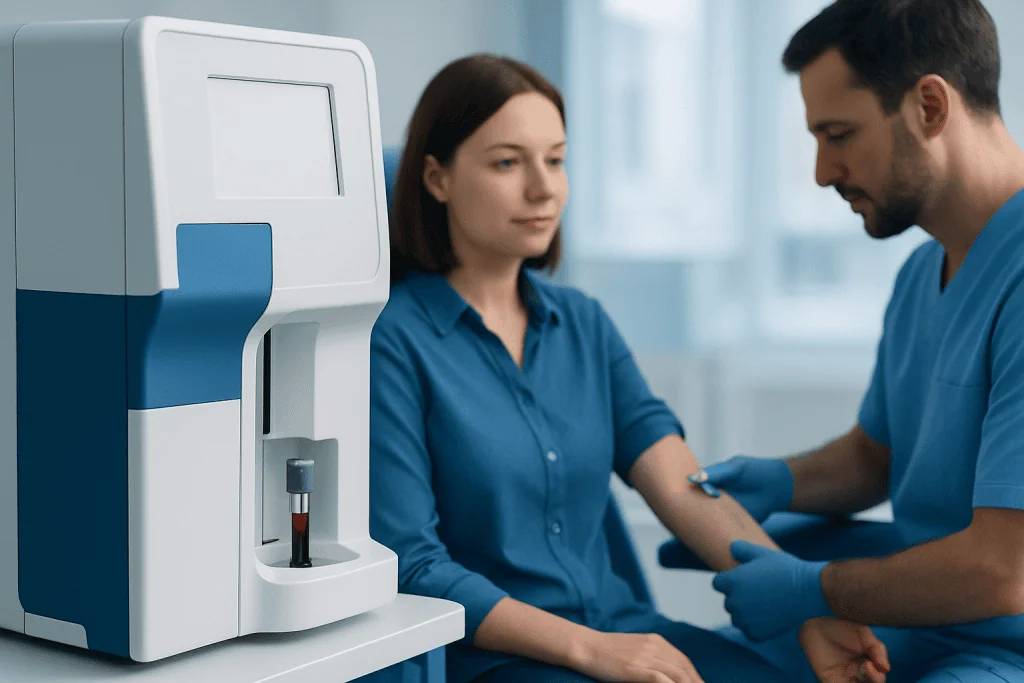
One of the most common reasons for referral is persistent fatigue. While tiredness can have many causes, blood-related fatigue often happens along with weakness, dizziness, shortness of breath on exertion, headaches, pale skin, or a fast heartbeat. These symptoms can occur when red blood cells are low or not working as they should, as in anemia.
Bleeding and bruising symptoms are also important. A person should speak with a doctor if they notice frequent nosebleeds, bleeding gums, very heavy menstrual bleeding, tiny red or purple spots on the skin, or bruises that appear easily or without clear injury. These signs can point to low platelets or problems with clotting factors. Abnormal clotting can also cause the opposite problem: blood clots in the legs or lungs, which need urgent medical attention.
Frequent infections may suggest a problem with white blood cells or the immune system. Warning signs include repeated fevers, infections that return often, slow recovery, or the need for repeated antibiotic treatment. Swollen lymph nodes, an enlarged spleen, unexplained weight loss, drenching night sweats, or persistent fever may also warrant further investigation, especially if they continue for more than a short period.
- Ongoing or unexplained tiredness
- Pale skin, dizziness, or shortness of breath
- Easy bruising or unusual bleeding
- Repeated infections or persistent fever
- Swollen lymph nodes or a feeling of fullness under the ribs
- Unexplained weight loss or night sweats
Possible Causes and Risk Factors

Blood disorder symptoms can arise from many different causes. Some are nutritional, such as iron, vitamin B12, or folate deficiency. Others are inherited, including conditions like sickle cell disease, thalassemia, or certain clotting disorders. Autoimmune diseases may cause the body to attack its own blood cells, leading to anemia or low platelets.
Infections, medications, kidney disease, liver disease, chronic inflammation, and pregnancy can also affect blood counts or clotting. Sometimes the issue begins in the bone marrow, where blood cells are made. Bone marrow disorders can reduce healthy blood cell production or lead to abnormal cells entering the bloodstream. Examples include some forms of leukemia and other marrow conditions.
Risk factors depend on the specific disorder. Family history, older age, certain ethnic backgrounds, autoimmune disease, previous cancer treatment, long-term medication use, poor nutrition, and chronic illness may all play a role. However, blood disorders can also occur in people without clear risk factors, which is why symptom patterns and test results are both important.
How Hematologists Diagnose Blood Disorders
Diagnosis begins with a detailed history and physical examination. The doctor usually asks about fatigue, bleeding, bruising, infections, appetite, weight change, family history, travel, medications, and menstrual history where relevant. During the examination, they may look for pallor, skin changes, swollen lymph nodes, liver or spleen enlargement, and signs of bleeding.
Blood tests are the next step. A complete blood count is often the starting point and can show whether red blood cells, white blood cells, or platelets are too low or too high. Additional tests may assess iron levels, vitamin levels, inflammation, kidney and liver function, clotting, and the appearance of cells under a microscope. In some cases, a blood smear helps reveal abnormal blood cell shape or development.
If more detail is needed, hematologists may request imaging or specialized procedures. These can include ultrasound or CT scans to assess enlarged organs or lymph nodes, or a bone marrow biopsy to examine how blood cells are being produced. Some patients may also need flow cytometry, genetic testing, or coagulation studies to identify a specific blood or clotting disorder.
Treatment Options
Treatment depends entirely on the cause. Some blood disorders improve once an underlying problem is corrected, such as low iron, vitamin deficiency, medication side effects, or uncontrolled chronic disease. In these cases, treatment may focus on supplements, dietary changes, or adjusting other medical therapies under a doctor’s guidance. Monitoring with repeat blood tests is often part of care.
Other conditions need specialist treatment. This may include medicines that reduce inflammation or suppress an overactive immune response, therapies to stimulate blood cell production, or treatment to prevent abnormal clotting or bleeding. If a person has a clotting disorder, treatment may involve careful management during surgery, dental procedures, pregnancy, or long travel. Some patients may need blood transfusion support if blood counts are very low or symptoms are severe.
For more complex disorders, treatment can be more advanced. Blood cancers and some bone marrow diseases may require chemotherapy or other targeted approaches. In selected cases, doctors may consider bone marrow transplantation. Near the end of the diagnostic and treatment pathway, patients seeking international care may be evaluated by Acibadem International, where multidisciplinary specialists in JCI-accredited hospitals diagnose and treat blood disorders.
Prevention and Self-Care
Not all blood disorders can be prevented, especially inherited conditions or diseases of the bone marrow. Still, general health measures can support healthy blood production and may lower the risk of some problems. A balanced diet that includes iron, vitamin B12, folate, and protein is important, particularly during growth, pregnancy, or recovery from illness. People should only take iron supplements if a doctor recommends them, since not all anemia is caused by iron deficiency.
Self-care also includes paying attention to symptoms and keeping follow-up appointments. If a person has a known bleeding or clotting disorder, it helps to inform healthcare professionals before surgery, dental care, or new medication use. Some medicines, including over-the-counter pain relievers, can affect bleeding or platelets and should be used with medical advice when a blood disorder is present.
Preventing infection is another key part of self-care for some patients. Good hand hygiene, recommended vaccinations, prompt treatment of fever, and avoiding exposure to contagious illnesses may be advised if white blood cells are low or immune function is reduced. People with inherited blood conditions may also benefit from family counseling and regular specialist review.
When to See a Doctor Urgently
Many blood disorder symptoms are not emergencies, but some should never be ignored. Urgent medical attention is needed for heavy or uncontrolled bleeding, coughing up blood, black or bloody stools, sudden severe weakness, chest pain, fainting, or severe shortness of breath. These symptoms can signal significant blood loss, severe anemia, or a blood clot and should be assessed immediately.
A person should also seek prompt evaluation if they develop a painful swollen leg, sudden one-sided arm or leg swelling, or new difficulty speaking or moving. These may be signs of a clot. A high fever in someone known to have low white blood cells also needs urgent care because infections can become serious quickly.
Even when symptoms are mild, a planned hematology review is sensible if there are repeated abnormal blood tests, persistent unexplained symptoms, a strong family history of blood disorders, or ongoing bruising and bleeding. Early review can provide reassurance when tests are normal and can help treatment begin sooner when a condition is identified.
Frequently asked questions
What is the difference between a blood ailment and a blood disorder?
These terms are often used to mean the same thing. In medical practice, "blood disorder" is the more common term and refers to conditions affecting blood cells, clotting, or the bone marrow. The exact cause can range from a simple deficiency to a more complex disease.
Does fatigue always mean a blood disorder?
No. Fatigue is very common and can be linked to sleep problems, stress, thyroid disease, infection, heart conditions, or many other causes. However, fatigue together with pallor, dizziness, shortness of breath, or abnormal blood tests may point to a blood-related problem and should be evaluated.
What tests are usually done during a hematology review?
A hematology review often starts with a medical history, physical examination, and a complete blood count. Depending on the findings, the doctor may order iron studies, vitamin levels, clotting tests, a blood smear, imaging, or in some cases a bone marrow test.
Can easy bruising be harmless?
Sometimes it can be, especially in people with fragile skin or after minor unnoticed injury. But frequent, large, or unexplained bruises, especially when combined with nosebleeds, bleeding gums, or tiny red skin spots, should be checked by a doctor. These signs may suggest a platelet or clotting problem.
When should swollen lymph nodes be evaluated by a specialist?
Lymph nodes often swell temporarily during infections. They should be assessed if they stay enlarged, continue to grow, feel firm, or occur together with fever, night sweats, fatigue, or unexplained weight loss. A doctor can decide whether blood tests or hematology referral is needed.
Are blood disorders treatable?
Many are treatable, and some are temporary or easy to correct once the cause is found. Treatment depends on the specific diagnosis and may range from nutritional support and monitoring to medicines, transfusions, or specialist therapies. Early assessment usually helps guide the most appropriate care.
References
- World Health Organization
- National Heart, Lung, and Blood Institute
- American Society of Hematology
- NHS
- MedlinePlus
This article is for general information only and is not a substitute for professional medical advice. Please consult a qualified doctor about your individual situation.
Explore treatments in Turkey — costs, top hospitals & a free quote
JCI-accredited · board-certified surgeons · reply within 24h
Add us as a Preferred Source to see more of our trusted health content across Google Search, AI Overviews and Discover.