Blood Glucose Levels: Normal Ranges, High and Low Results Explained

For many adults, fasting blood glucose levels below 100 mg/dL are considered normal, while 100 to 125 mg/dL may suggest prediabetes and 126 mg/dL or higher on repeat testing may indicate diabetes. A random or after-meal result must be interpreted in context, because blood glucose normally rises after eating.
Key Takeaways
- For many adults, fasting blood glucose levels below 100 mg/dL are considered normal, while 100 to 125 mg/dL may suggest prediabetes and 126 mg/dL or higher on repeat testing may indicate diabetes.
- A random or after-meal result must be interpreted in context, because blood glucose normally rises after eating.
- Low blood glucose levels often mean less than 70 mg/dL, especially in people using insulin or certain diabetes medicines.
- One abnormal value does not always confirm a diagnosis; healthcare professionals often use repeat testing or HbA1c for a clearer picture.
- Symptoms, timing of the test, underlying illness, pregnancy, and medications all affect how meaningful a blood glucose result is.
Blood glucose levels measure the amount of glucose in the blood at a given time. A result can be normal, high, or low depending on when the test was taken, a person’s age, pregnancy status, medicines, and whether diabetes or another health condition is present.
Overview: what blood glucose levels mean
Blood glucose levels show how much glucose, the body’s main quick source of energy, is circulating in the bloodstream. In general, a fasting blood glucose level below 100 mg/dL is considered normal for many nonpregnant adults, 100 to 125 mg/dL may point to prediabetes, and 126 mg/dL or higher on more than one test can support a diagnosis of diabetes. Low blood glucose is often defined as less than 70 mg/dL, particularly in people treated for diabetes.
These numbers do not stand alone. A result is interpreted based on whether the person was fasting, how long it has been since eating, age, pregnancy, current illness, medications, and whether diabetes is already known. Because of this, the same number may have different meanings in different situations.
Blood glucose also changes naturally throughout the day. It usually rises after meals and then falls as insulin helps move glucose into cells. Looking at a single value is useful, but patterns over time often provide better information than one isolated result.
Normal ranges: fasting, after meals, and other common contexts
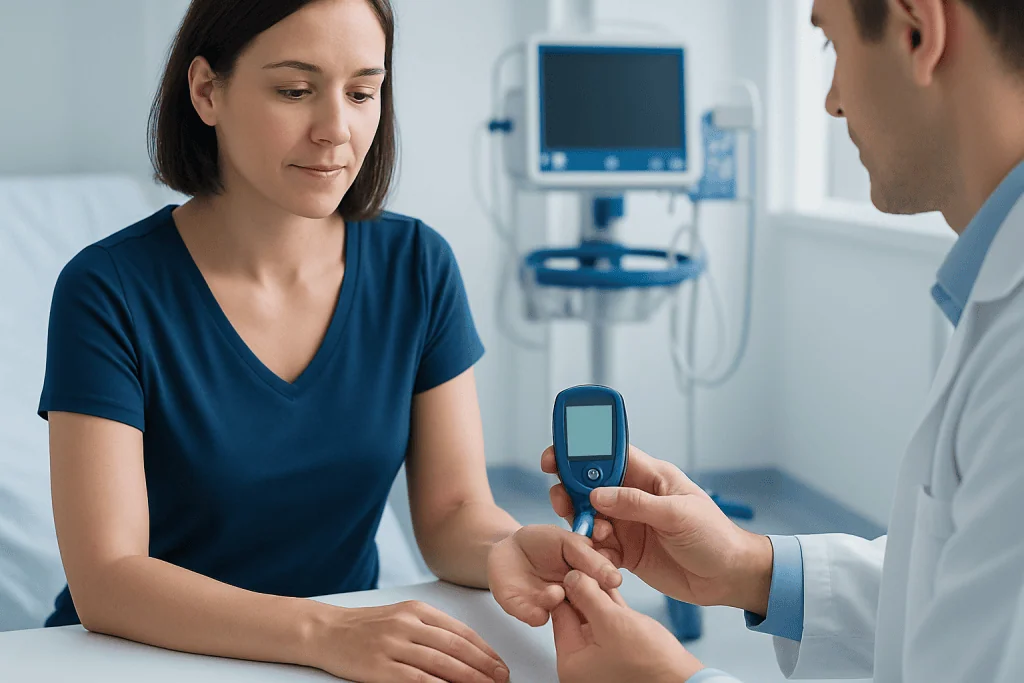
The most familiar blood glucose measurement is the fasting blood glucose test, usually taken after not eating for at least 8 hours. For many adults, common interpretation is:
- Normal: less than 100 mg/dL
- Prediabetes range: 100 to 125 mg/dL
- Diabetes range: 126 mg/dL or higher on repeat testing
After eating, blood glucose levels normally rise. In people without diabetes, post-meal values are usually lower than 140 mg/dL about 2 hours after eating, although exact patterns vary by meal size, carbohydrate content, activity, and individual metabolism. A random blood glucose test taken at any time of day can also be useful, especially if symptoms are present, but it is less meaningful without clinical context.
Variation by age and life stage matters. Children may have different target ranges depending on growth and diabetes treatment plans. Older adults may have more individualized targets to reduce the risk of low blood sugar. In pregnancy, glucose goals are often stricter because high blood sugar can affect both parent and baby, and testing may be used to assess gestational diabetes.
Sex does not usually change the basic interpretation of fasting blood glucose levels in a major way, but hormones can influence day-to-day variation. Menstrual cycles, pregnancy, menopause, stress hormones, sleep quality, and acute illness may all affect results. For a fuller picture over several months, clinicians often pair glucose testing with an HbA1c test.
What high blood glucose levels can indicate
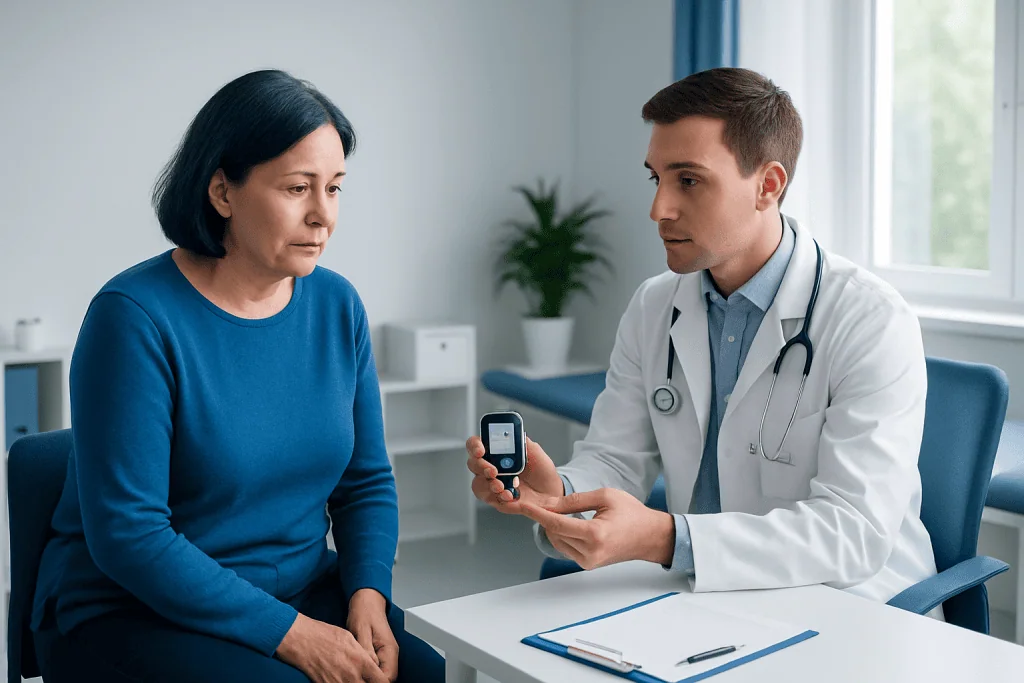
High blood glucose levels, also called hyperglycemia, may happen for several reasons. The most common cause is diabetes or prediabetes, but short-term elevations can also occur during infections, after surgery, with severe stress, or while taking certain medicines such as corticosteroids. A higher result after a meal is expected; the key question is whether the rise is appropriate for the situation.
When fasting blood glucose is repeatedly above the normal range, it becomes medically meaningful because it may show impaired glucose regulation. Prediabetes means the body is starting to have difficulty managing glucose, while diabetes generally reflects more significant problems with insulin production, insulin action, or both. This may occur in type 1 diabetes or type 2 diabetes.
Symptoms of high blood sugar may include unusual thirst, frequent urination, blurred vision, tiredness, headaches, and unintended weight loss. Some people have no symptoms at all, especially early in the course of prediabetes or type 2 diabetes. That is one reason abnormal results often need follow-up rather than being judged by symptoms alone.
Very high blood glucose can become urgent if it is accompanied by dehydration, vomiting, abdominal pain, confusion, deep or rapid breathing, or a fruity smell on the breath. Those features can signal a serious complication and should not be ignored.
What low blood glucose levels can indicate
Low blood glucose levels, called hypoglycemia, are often defined as less than 70 mg/dL, though symptoms and significance can differ from person to person. It is especially common in people using insulin or some oral diabetes medications. It can also happen if a person exercises more than usual, eats too little, drinks alcohol without enough food, or has a mismatch between medicine timing and meals.
Typical symptoms include shakiness, sweating, hunger, palpitations, anxiety, dizziness, tingling around the mouth, trouble concentrating, and weakness. If blood glucose falls further, it may lead to confusion, unusual behavior, seizures, or loss of consciousness. Severe hypoglycemia is a medical emergency.
Low readings in people who do not have diabetes need medical review if they are repeated or clearly associated with symptoms. Causes can include prolonged fasting, hormone problems, significant illness, alcohol-related effects, or, more rarely, insulin-producing tumors. Doctors often look for a pattern rather than relying on one unexpected value.
For people living with diabetes, education about prevention is important. This may include regular meals, understanding medication action, carrying a rapid source of carbohydrate, and knowing when to seek support from a clinician.
How blood glucose is tested and interpreted
Blood glucose can be measured in several ways. A fasting plasma glucose test is commonly used for screening and diagnosis. A random glucose test may be done when symptoms suggest abnormal blood sugar. An oral glucose tolerance test measures how the body handles a set glucose load over time and is often used in pregnancy or when other results are unclear.
Another common tool is continuous or home monitoring. Finger-prick checks can show immediate levels, while continuous glucose monitoring tracks trends throughout the day and night. These methods are particularly useful for people already diagnosed with diabetes because they reveal patterns linked to meals, activity, sleep, stress, and medication.
Interpretation is not only about the number itself. Clinicians consider whether the sample was taken from a laboratory or a home device, whether the person had fasted, whether there were symptoms, and whether any acute illness was present. They may repeat a test on a different day before confirming a diagnosis, especially if the person feels well and the value is only mildly abnormal.
If blood glucose is repeatedly abnormal, the next step may include broader evaluation and endocrinology assessment to understand the cause and decide whether monitoring, lifestyle changes, or medication is needed. In some cases, doctors may also use a preventive health check-up to look for related cardiovascular and metabolic risks.
Treatment and next steps for abnormal results
Treatment depends on whether the result is high or low, whether symptoms are present, and whether diabetes has already been diagnosed. A mildly elevated fasting glucose level may lead first to repeat testing, an HbA1c test, and a discussion about eating habits, physical activity, sleep, and body weight. A clearly elevated value with symptoms may require faster evaluation and a formal diabetes care plan.
For high blood glucose linked to diabetes, treatment can include nutrition counseling, regular exercise, oral medications, insulin, or other glucose-lowering therapies. The goal is not simply to lower a single number, but to reduce symptoms and lower the risk of long-term effects on the eyes, kidneys, nerves, heart, and blood vessels. Care is usually individualized rather than based on one universal target.
For low blood glucose, immediate treatment often involves taking a fast-acting source of carbohydrate if the person is awake and able to swallow safely. After recovery, the underlying cause matters just as much as the number itself. Clinicians may adjust medication doses, meal timing, exercise planning, or alcohol intake to help prevent recurrence.
Persistent or unexplained abnormalities should be reviewed by a qualified doctor. In selected cases, referral to diabetes education, nutrition services, or a specialist may help patients understand patterns and build a safer daily routine.
Prevention and self-care to keep blood glucose in range
Healthy daily habits can support more stable blood glucose levels, whether a person is trying to prevent diabetes or manage an existing condition. Helpful steps include eating balanced meals, choosing high-fiber foods, limiting highly refined carbohydrates, staying physically active, sleeping well, and attending routine medical reviews. Weight management can also improve the body’s response to insulin in many people.
People with diabetes often benefit from tracking how meals, exercise, illness, travel, and stress affect their readings. Keeping a simple record can make follow-up visits more useful. It can also help identify patterns such as fasting highs in the morning or lows after activity.
Self-care should always be realistic and safe. People should not stop or change diabetes medications without medical advice, even if a reading seems normal or temporarily improved. If a new eating plan, fasting routine, or exercise program is being considered, it is wise to discuss it with a healthcare professional first.
Near the end of the care pathway, some patients need coordinated specialist support. Acibadem International’s multidisciplinary specialists and JCI-accredited hospitals diagnose and treat blood sugar disorders for international patients when more detailed assessment is needed.
When to seek medical care
Medical advice is important if fasting blood glucose is repeatedly 100 mg/dL or higher, if home readings are frequently outside the target range given by a clinician, or if symptoms such as excessive thirst, frequent urination, blurred vision, fatigue, or unexplained weight loss are present. Pregnant patients should seek timely review if screening results are abnormal or if they have risk factors for gestational diabetes.
Urgent medical care is needed for severe low blood sugar with confusion, fainting, or seizures, and for very high blood sugar accompanied by vomiting, dehydration, severe weakness, abdominal pain, deep breathing, or altered consciousness. These situations can become serious quickly and should be assessed without delay.
Even when symptoms are mild, repeated abnormal results deserve professional interpretation. Blood glucose levels are most useful when read as part of the whole clinical picture rather than in isolation.
Frequently asked questions
What is a normal blood glucose level?
For many adults, a fasting blood glucose level below 100 mg/dL is considered normal. After eating, blood glucose usually rises and then returns toward baseline over the next few hours. The exact meaning of a result depends on when the test was taken and the person’s health background.
Is 110 mg/dL blood glucose high?
A fasting blood glucose of 110 mg/dL is above the usual normal fasting range and may fall into the prediabetes range. On its own, it does not confirm diabetes. A doctor may recommend repeating the test or checking HbA1c to clarify what it means.
What blood glucose level is considered low?
Low blood glucose is often defined as less than 70 mg/dL, especially for people using insulin or certain diabetes medicines. Some people develop symptoms at higher or lower levels depending on their usual control and individual sensitivity. Repeated or symptomatic low readings should be discussed with a healthcare professional.
Can stress raise blood glucose levels?
Yes. Physical stress from illness or surgery and emotional stress can both raise blood glucose levels through hormone effects. This rise may be temporary, but in some people it reveals an underlying problem with glucose regulation.
Why would blood glucose be high if a person does not have diabetes?
A high reading can happen during infection, severe stress, pregnancy, or while taking medicines such as steroids. Sometimes the elevation is temporary, but repeated abnormal readings need medical follow-up. Further testing may show prediabetes or diabetes that was not previously recognized.
Do blood glucose levels change with age?
They can. Older adults may have different treatment targets, especially if they are at higher risk of low blood sugar or have other medical conditions. However, the general interpretation of fasting glucose for diagnosis remains broadly similar unless a doctor advises otherwise.
References
- American Diabetes Association
- National Institute of Diabetes and Digestive and Kidney Diseases
- Centers for Disease Control and Prevention
- World Health Organization
- National Institutes of Health
This article is for general information only and is not a substitute for professional medical advice. Please consult a qualified doctor about your individual situation.
Explore treatments in Turkey — costs, top hospitals & a free quote
JCI-accredited · board-certified surgeons · reply within 24h
Add us as a Preferred Source to see more of our trusted health content across Google Search, AI Overviews and Discover.

More from the Health Library



Related Specialists

Prof. Dr. Lütfi Özkan
Radiation Oncology
Prof. Dr. Burak Akan
Orthopedic Surgery & Traumatology
Prof. Dr. Ersin Ülkür
Aesthetic Plastic & Reconstructive Surgery
Prof. Dr. Sevgi Şahin
Internal Medicine