Thermoregulation — Explained by Medical Evidence, Not Myths

Thermoregulation helps maintain a stable internal temperature even when external conditions change. The hypothalamus acts like the body's thermostat and coordinates sweating, shivering, and blood flow changes.
Key Takeaways
- Thermoregulation helps maintain a stable internal temperature even when external conditions change.
- The hypothalamus acts like the body's thermostat and coordinates sweating, shivering, and blood flow changes.
- Problems with thermoregulation can happen during extreme heat or cold, with illness, dehydration, some medicines, or nerve and hormone disorders.
- Warning signs include confusion, fainting, very high or very low body temperature, and symptoms that do not improve with rest or rewarming/cooling.
- Prevention includes hydration, suitable clothing, avoiding temperature extremes, and recognizing early symptoms promptly.
Thermoregulation is the body's built-in system for keeping core temperature within a healthy range despite changes in weather, activity, illness, or environment. It relies on the brain, skin, blood vessels, sweat glands, muscles, and hormones working together to release or conserve heat.
What thermoregulation means
Thermoregulation is the process the body uses to keep its core temperature within a narrow, healthy range. This balance is essential because organs, enzymes, and cells work best only within specific temperature limits. When the body gets too warm or too cold, many normal functions begin to slow down or become less efficient.
The body does not rely on one organ alone. Instead, thermoregulation is a coordinated response involving the brain, skin, circulation, muscles, sweat glands, and hormones. Together, these systems detect temperature changes and adjust heat production or heat loss as needed.
In everyday life, thermoregulation allows a person to move from a cool room into summer heat, exercise, sleep, or recover from illness while still keeping internal temperature relatively stable. This is part of homeostasis, the body’s broader effort to maintain internal balance.
How the body controls temperature
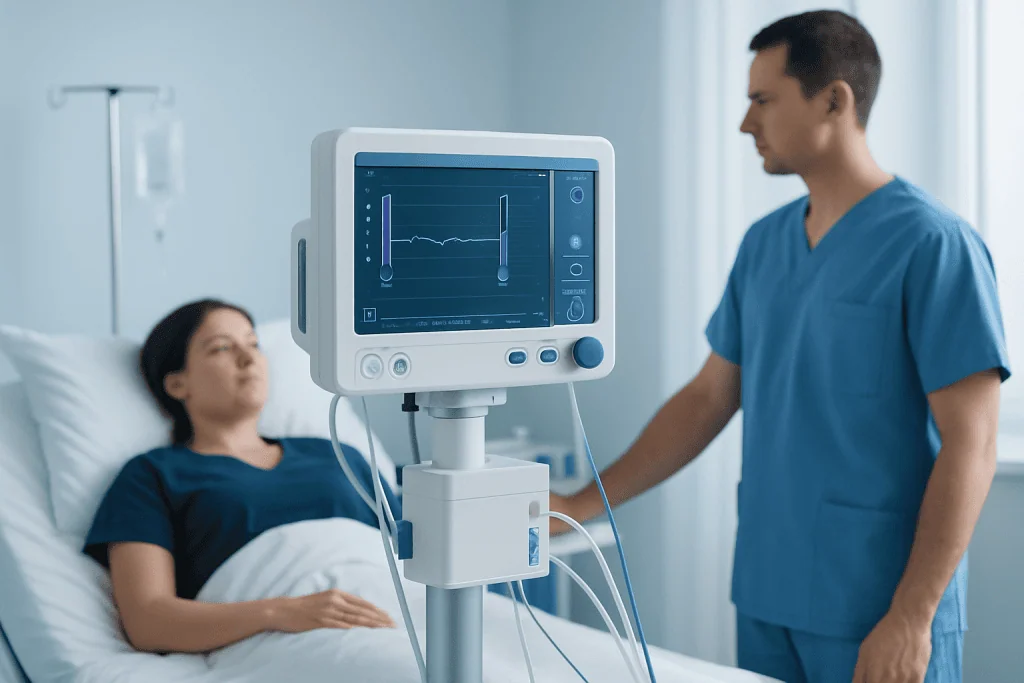
The main control center for thermoregulation is a part of the brain called the hypothalamus. It receives signals from temperature sensors in the skin and from inside the body, then compares them with the body’s target temperature. If there is a difference, it triggers responses to cool the body down or warm it up.
When the body is too hot, blood vessels near the skin widen, a process called vasodilation. This allows more heat to escape into the surrounding air. Sweat glands also become more active. As sweat evaporates from the skin, it removes heat and helps reduce body temperature.
When the body is too cold, blood vessels in the skin narrow, called vasoconstriction, to reduce heat loss. Muscles may begin shivering, which produces heat through rapid, involuntary contractions. The body can also increase heat production through metabolic and hormonal changes, especially during prolonged cold exposure.
Several factors affect how well these responses work, including age, hydration, fitness, medications, and underlying health conditions. This is why some people adapt well to heat or cold while others develop symptoms much sooner.
What affects thermoregulation

Thermoregulation changes from one person to another and from one situation to another. Environmental conditions such as hot weather, humidity, cold wind, or heavy clothing can all influence how easily the body gains or loses heat. Humidity is especially important because it makes sweat evaporate less effectively, reducing the body’s cooling ability.
Physical activity raises body heat quickly. During exercise, working muscles generate heat, and the body must increase sweating and circulation to the skin to stay in balance. If fluid losses are not replaced, dehydration can make this process less effective and increase the risk of heat-related illness.
Illness and medical conditions can also affect temperature control. Fever changes the body’s temperature set point during infection, while disorders involving the thyroid, nervous system, skin, or circulation may interfere with normal heat regulation. Some people with Parkinson's disease or other neurological conditions may notice sweating changes or difficulty tolerating temperature extremes.
Age matters as well. Infants have a larger surface area relative to body size and can lose heat quickly, while older adults may sweat less, sense temperature changes less clearly, or take medicines that affect circulation and hydration. These differences make temperature-related problems more likely in both age groups.
Signs that thermoregulation is struggling
When thermoregulation is under stress, symptoms often begin mildly and then become more noticeable if the body cannot correct the imbalance. Early signs of overheating may include heavy sweating, thirst, weakness, headache, dizziness, nausea, or muscle cramps. In some cases, a person may feel unusually tired, irritable, or unable to continue normal activity.
Cold stress may cause shivering, numbness, pale or cool skin, clumsiness, and slowed thinking. As body temperature drops further, speech may become slurred and movement less coordinated. People are not always aware that their thinking is being affected, which is why careful observation by others can be important.
More severe problems can occur at either extreme. Overheating can progress to emergencies such as heat stroke, while prolonged cold exposure can lead to hypothermia. Warning signs include confusion, fainting, a very high or very low temperature, trouble breathing, seizures, or loss of consciousness.
- Possible heat-related symptoms: intense thirst, flushing, rapid pulse, heavy sweating or, later, hot dry skin
- Possible cold-related symptoms: persistent shivering, stiffness, confusion, unusual drowsiness
- Shared warning signs: weakness, dizziness, poor concentration, and collapse
Causes, risk factors, and related conditions
Thermoregulation can be disrupted by heat exposure, cold exposure, dehydration, infection, alcohol, drug use, or medications that affect sweating, alertness, blood pressure, or fluid balance. Examples may include diuretics, some psychiatric medicines, stimulants, and certain antihistamines, although only a doctor or pharmacist can determine whether a specific medicine may contribute.
Medical conditions that affect the nervous system, endocrine system, heart, lungs, or skin may increase vulnerability. Diabetes with nerve damage, thyroid disorders, spinal cord injury, severe infection, burns, and some genetic conditions can alter temperature sensing or heat exchange. Circulatory problems may also limit the body’s ability to move heat toward or away from the skin.
Risk rises in very young children, older adults, outdoor workers, athletes, and people who are isolated or unable to move to a safer environment. Wearing heavy protective equipment, living in poorly cooled housing, or exercising during the hottest part of the day can add further strain.
Sometimes temperature dysregulation is part of a broader medical picture rather than a diagnosis on its own. If a doctor suspects an underlying cause, evaluation may involve internal medicine, endocrinology, neurology, or emergency care depending on the symptoms and urgency.
How doctors evaluate thermoregulation problems
Assessment begins with the person’s symptoms, recent activity, environment, fluid intake, medications, and medical history. A doctor will usually check temperature, heart rate, blood pressure, breathing, mental status, and hydration. This first step helps distinguish a temporary response to weather or exercise from a more serious disturbance.
If symptoms are significant or unexplained, additional tests may be needed. These can include blood tests to look for infection, electrolyte imbalance, thyroid problems, or dehydration. In some cases, urine tests, heart monitoring, or imaging may be used if another illness is suspected.
The goal is not only to confirm that temperature control has been affected but also to identify why it happened. Severe or repeated episodes should not be dismissed, especially if they occur without clear heat or cold exposure. A person with recurrent sweating abnormalities, heat intolerance, or fainting may need further evaluation for neurological, endocrine, or cardiovascular causes.
When specialized treatment is required, doctors may coordinate supportive care, emergency stabilization, or management of an underlying disorder. Depending on the clinical picture, this may include hospital observation, IV therapy for dehydration, or more advanced monitoring and care.
Treatment and self-care
Treatment depends on whether the body is too hot or too cold and how severe the symptoms are. Mild overheating is usually managed by moving to a cool place, loosening clothing, resting, and replacing fluids. Cool compresses and fans can help, but anyone with worsening weakness, vomiting, confusion, or persistent symptoms should seek medical care promptly.
For mild cold stress, moving indoors, removing wet clothing, drying the skin, and using warm blankets are common first steps. Warm drinks may help if the person is fully awake and able to swallow safely. Direct high heat, such as very hot water or heating devices placed against numb skin, is generally avoided because it can cause burns or trigger rapid circulatory changes.
More serious cases may require medical treatment to restore fluids, support breathing, monitor heart rhythm, or warm or cool the body in a controlled way. If an underlying condition is involved, treatment focuses on that cause as well, such as infection management, hormone evaluation, or neurological assessment.
Long-term self-care often centers on planning ahead. This may include dressing in layers, staying hydrated, avoiding intense activity during extreme weather, checking medication side effects, and creating a safer home environment. For some people with repeated episodes, specialists may recommend structured evaluation and treatment plans, including endocrinology care or neurology assessment when appropriate.
Prevention and when to seek medical care
Good thermoregulation support starts with daily habits. Drinking enough fluids, wearing weather-appropriate clothing, taking breaks in shade or heated spaces, and avoiding alcohol or strenuous exertion in extreme conditions can reduce risk. During heat waves or cold snaps, checking on older relatives, children, and people with chronic illness is especially important.
People who exercise outdoors can lower risk by acclimatizing gradually, scheduling activity for cooler times of day, and recognizing early warning signs. In winter, keeping clothing dry and protecting the hands, feet, head, and face helps limit heat loss. When illness causes fever, vomiting, or diarrhea, extra attention to fluids and rest may support temperature balance.
Medical care should be sought urgently for confusion, fainting, seizures, chest pain, trouble breathing, inability to keep fluids down, very high fever, suspected heat stroke, or signs of significant hypothermia. Care is also important if symptoms recur often, happen with little provocation, or appear related to medication or an underlying condition.
For international patients needing evaluation of temperature-related symptoms or associated disorders, Acibadem International’s multidisciplinary specialists in JCI-accredited hospitals provide diagnosis and treatment planning. When clinically indicated, supportive care may take place alongside services such as emergency medicine and follow-up specialty assessment.
Frequently asked questions
What is thermoregulation in simple terms?
Thermoregulation is the body's way of keeping internal temperature stable. It works through sweating, changes in blood flow, shivering, and signals from the brain and hormones.
Which part of the body controls thermoregulation?
The hypothalamus in the brain is the main control center. It receives temperature signals from the body and activates responses that help cool or warm the body.
Can dehydration affect thermoregulation?
Yes. Dehydration can reduce sweating and strain circulation, making it harder for the body to release heat. This increases the risk of overheating, especially during exercise or hot weather.
Why do some people feel too hot or too cold more easily than others?
Age, body size, fitness, hormones, medications, circulation, and medical conditions can all affect temperature control. Environmental factors such as humidity, wind, and clothing also play a role.
Is fever the same as a thermoregulation problem?
Not exactly. Fever is usually a controlled rise in body temperature during infection or inflammation, caused by a change in the body's temperature set point. It involves thermoregulation, but it is different from heat illness caused by external heat exposure.
When is a temperature problem a medical emergency?
Emergency help is needed if there is confusion, collapse, seizures, severe shortness of breath, or suspected heat stroke or significant hypothermia. Symptoms that worsen quickly or do not improve with basic cooling or warming also need urgent medical attention.
References
- World Health Organization
- Centers for Disease Control and Prevention
- National Institute of Neurological Disorders and Stroke
- MedlinePlus
- Merck Manual Professional Edition
This article is for general information only and is not a substitute for professional medical advice. Please consult a qualified doctor about your individual situation.
Explore treatments in Turkey — costs, top hospitals & a free quote
JCI-accredited · board-certified surgeons · reply within 24h
Add us as a Preferred Source to see more of our trusted health content across Google Search, AI Overviews and Discover.