Blood Pressure 114/86: Is It Normal? What This Reading Means for Your Health

114/86 blood pressure combines a normal systolic value with a diastolic value in the stage 1 hypertension range. A single reading is not enough to diagnose high blood pressure; repeated measurements are important.
Key Takeaways
- 114/86 blood pressure combines a normal systolic value with a diastolic value in the stage 1 hypertension range.
- A single reading is not enough to diagnose high blood pressure; repeated measurements are important.
- Measurement technique, stress, caffeine, pain, and activity can temporarily raise blood pressure.
- If similar readings happen often, lifestyle changes and medical review may help reduce long-term heart and vascular risk.
- Urgent care is needed for very high readings with symptoms such as chest pain, severe headache, weakness, or shortness of breath.
A blood pressure reading of 114/86 means the systolic number is in the normal range, while the diastolic number is mildly elevated by current American Heart Association categories. One reading does not diagnose hypertension, but it is a signal to repeat measurements carefully and review overall cardiovascular risk with a doctor if the pattern continues.
Overview: What 114/86 blood pressure means
A reading of 114/86 blood pressure is best understood by looking at both numbers separately. The first number, called systolic pressure, measures pressure in the arteries when the heart contracts. At 114, the systolic value is within the normal range. The second number, called diastolic pressure, measures pressure when the heart relaxes between beats. At 86, the diastolic value is mildly elevated.
Using current American Heart Association categories, blood pressure is classified by the higher category reached by either number. That means a reading of 114/86 is not considered fully normal, even though the top number is healthy. Because the diastolic number is 86, this reading falls into the stage 1 hypertension range.
That said, one isolated reading does not automatically mean a person has chronic high blood pressure. Blood pressure naturally changes throughout the day and can rise temporarily with stress, exercise, pain, caffeine, nicotine, poor sleep, or even talking during the test. The most useful next step is to repeat measurements correctly on different days and look for a pattern.
How blood pressure is classified
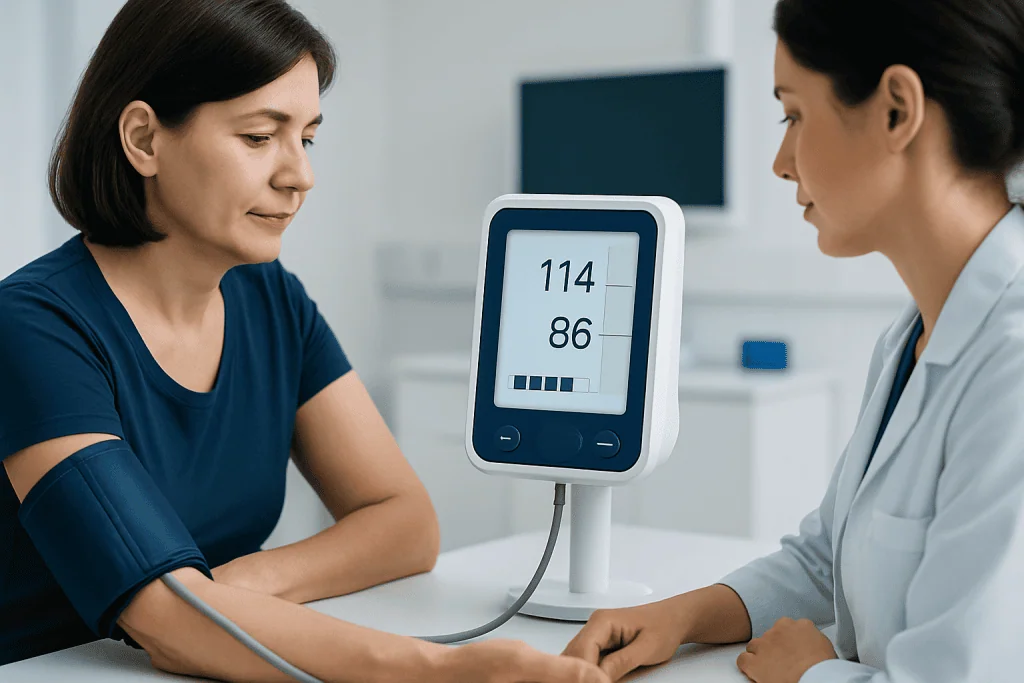
Blood pressure categories help place a reading in context. These categories are generally used for adults and are based on the higher of the two numbers. A person may have a normal systolic pressure but still be classified differently if the diastolic pressure is elevated.
In the case of 114/86, the systolic value fits the normal category, but the diastolic value falls in stage 1 hypertension. This does not necessarily mean medication is needed right away. Doctors usually consider repeated readings, home measurements, age, other medical conditions, and overall cardiovascular risk before deciding on treatment.
| Category | Systolic (top number) | Diastolic (bottom number) |
|---|---|---|
| Normal | Less than 120 | Less than 80 |
| Elevated | 120-129 | Less than 80 |
| Stage 1 hypertension | 130-139 | 80-89 |
| Stage 2 hypertension | 140 or higher | 90 or higher |
| Hypertensive crisis | Higher than 180 | Higher than 120 |
A doctor may also evaluate whether a person could have hypertension based on home or ambulatory monitoring rather than office readings alone. This is because some people have higher readings in a clinic, while others have normal clinic readings but elevated blood pressure at home.
Is 114/86 a concern by age group?

For most healthy adults, 114 is a reassuring systolic number. The main question is whether the diastolic value of 86 is temporary or persistent. In younger adults, a mildly elevated diastolic pressure may appear before the systolic number starts to rise. In older adults, systolic pressure more often becomes the stronger marker of cardiovascular risk, but diastolic pressure still matters.
In adolescents and children, blood pressure is interpreted differently using age, sex, and height percentiles, so an adult-style interpretation should not be applied directly. During pregnancy, blood pressure also needs separate assessment because even modest changes can be clinically important depending on symptoms and timing.
Age does not make an elevated diastolic number automatically normal. However, doctors interpret it in context. A fit young adult with one reading of 114/86 after coffee or stress may simply need observation. An older adult with diabetes, kidney disease, prior stroke, or heart disease may need closer review even if the elevation is mild.
Because cardiovascular risk is shaped by many factors, the same blood pressure reading can carry different meaning for different people. Family history, smoking, cholesterol, body weight, sleep apnea, kidney disease, and activity level all influence whether follow-up should be more proactive.
Why this reading can happen
A reading of 114/86 can occur for many reasons, and not all of them reflect a long-term problem. Temporary triggers include recent exercise, emotional stress, anxiety, pain, dehydration, a full bladder, cold temperatures, nicotine, alcohol, and caffeine. Some over-the-counter medicines, such as decongestants or certain anti-inflammatory drugs, may also raise blood pressure.
If similar readings keep appearing, doctors may look for underlying causes and risk factors. Common contributors include excess body weight, a diet high in sodium, low physical activity, poor sleep, obstructive sleep apnea, heavy alcohol use, chronic stress, diabetes, kidney disease, and family history of hypertension. In some people, there is no single clear cause.
Persistent elevation of the lower number is sometimes discussed as isolated diastolic hypertension. The significance of this pattern can vary, but it should not be ignored, especially if it continues over time. When blood pressure remains elevated, a clinician may recommend a broader cardiovascular evaluation and, if needed, tests or cardiology care to assess heart and vascular health.
- Temporary causes: stress, caffeine, exercise, pain, nicotine, poor sleep
- Lifestyle factors: high salt intake, low activity, alcohol, weight gain
- Medical factors: kidney disease, diabetes, sleep apnea, hormonal disorders
- Medication factors: decongestants, some pain relievers, stimulants
How to confirm the reading and measure blood pressure correctly
Before worrying about one number, it helps to repeat the measurement using the right technique. Blood pressure should be taken after at least five minutes of quiet rest, seated with the back supported, feet flat on the floor, and the arm supported at heart level. The cuff should fit properly, and the person should avoid talking during the reading.
For 30 minutes before the test, it is best to avoid smoking, caffeine, and exercise. A full bladder can also affect the result. If possible, take two readings one minute apart and record both. Home blood pressure monitoring often gives a clearer picture than a single clinic reading.
Doctors commonly recommend checking blood pressure at the same times each day, such as morning and evening, for several days. A log of readings can show whether 114/86 was a one-time fluctuation or part of a pattern. If office and home readings do not match, ambulatory monitoring may be suggested to evaluate blood pressure over 24 hours.
If there are repeated elevated readings or concerns about symptoms, a clinician may use blood tests, urine tests, kidney evaluation, or check-up and screening services to look for causes and assess overall risk. Careful measurement is important because treatment decisions should be based on reliable data rather than a single isolated result.
Treatment and lifestyle guidance
If 114/86 appears occasionally and later readings are normal, treatment may not be needed. If the diastolic number remains in the 80s, the first step is often lifestyle improvement. This can lower blood pressure naturally and also support heart health more broadly.
Helpful measures include reducing sodium, eating more vegetables and fruits, choosing whole grains and lean proteins, maintaining a healthy body weight, being physically active most days, limiting alcohol, avoiding tobacco, and getting enough sleep. Stress management can also help, especially if readings tend to rise during busy or anxious periods.
Medication is not automatically required for a reading such as 114/86. Doctors usually consider whether the pattern persists and whether the person has a high overall cardiovascular risk, diabetes, kidney disease, or established vascular disease. When blood pressure remains elevated despite lifestyle changes, the care plan may include medicines tailored to the individual.
People who already have related conditions may need more structured follow-up. For example, high blood pressure and abnormal blood sugar often occur together, so a doctor may assess for issues such as diabetes when evaluating long-term risk. In complex cases, multidisciplinary assessment can help guide treatment choices.
When to seek medical care
A routine reading of 114/86 is not usually an emergency. However, medical review is appropriate if similar readings continue over days or weeks, if home readings trend upward, or if there are additional risk factors such as kidney disease, diabetes, pregnancy, or a history of heart or vascular disease. It is also sensible to arrange a check-up if there are symptoms such as persistent headaches, dizziness, palpitations, or unusual fatigue.
Urgent medical care is needed for a very high blood pressure reading, especially if it occurs with chest pain, shortness of breath, severe headache, fainting, confusion, new weakness, trouble speaking, or vision changes. Those symptoms require prompt assessment because they can signal a serious cardiovascular or neurological problem.
For international patients who need further assessment, Acibadem International’s multidisciplinary specialists at JCI-accredited hospitals diagnose and treat blood pressure and cardiovascular conditions, including advanced hypertension treatment when needed. The goal is a careful diagnosis, confirmation of the pattern, and a treatment plan based on the person’s overall health rather than one number alone.
Frequently asked questions
Is 114/86 blood pressure normal?
It is partly normal and partly elevated. The systolic number, 114, is normal, but the diastolic number, 86, falls in the stage 1 hypertension range under current adult blood pressure categories. One reading alone does not diagnose high blood pressure.
Why is the bottom number high if the top number is normal?
The top and bottom numbers reflect different phases of the heartbeat, so they do not always rise together. Temporary factors such as stress, caffeine, pain, or poor measurement technique can raise the diastolic value. If this pattern repeats, a doctor may want to evaluate it further.
Should someone worry about a diastolic pressure of 86?
A diastolic value of 86 is mildly elevated, not usually an emergency. It becomes more important if it appears repeatedly or if the person has other cardiovascular risk factors, such as diabetes, kidney disease, smoking, or a strong family history. Tracking readings over time is the best next step.
Can dehydration or stress cause a reading of 114/86?
Yes, both can affect blood pressure, although the effect varies from person to person. Stress, anxiety, pain, recent activity, and stimulants such as caffeine or nicotine commonly lead to temporary increases. That is why repeat measurements under calm, standard conditions are important.
How often should blood pressure be rechecked after a 114/86 reading?
If the reading was unexpected, it is reasonable to recheck it after resting and then monitor it at home over several days. Many clinicians recommend taking two readings in the morning and evening for a short period and keeping a log. The exact plan may differ depending on age, symptoms, and medical history.
Does 114/86 mean medication is needed?
Not necessarily. Many people with a single mildly elevated reading do not need medicine and are first advised to improve lifestyle habits and confirm whether the elevation is persistent. Medication is more likely to be considered when blood pressure stays elevated over time or when overall cardiovascular risk is higher.
References
- American Heart Association
- Centers for Disease Control and Prevention
- National Heart, Lung, and Blood Institute
- European Society of Cardiology
- World Health Organization
This article is for general information only and is not a substitute for professional medical advice. Please consult a qualified doctor about your individual situation.
Heart care in Turkey — expert evaluation and treatment
JCI-accredited · board-certified surgeons · reply within 24h
Add us as a Preferred Source to see more of our trusted health content across Google Search, AI Overviews and Discover.
Check your numbers in seconds
BMI, calories, due date, blood pressure and 30+ more clinical calculators — free, instant, doctor-reviewed ranges.