Blood Sugar Spike Symptoms Explained: Common Triggers and Red Flags

Blood sugar spike symptoms often develop when glucose rises faster or higher than the body can manage. Common signs include thirst, frequent urination, fatigue, blurry vision, dry mouth, and trouble concentrating.
Key Takeaways
- Blood sugar spike symptoms often develop when glucose rises faster or higher than the body can manage.
- Common signs include thirst, frequent urination, fatigue, blurry vision, dry mouth, and trouble concentrating.
- Large meals high in refined carbohydrates, illness, stress, certain medicines, and missed diabetes treatment can trigger spikes.
- Repeated high blood sugar may point to diabetes, prediabetes, or a need to adjust treatment.
- Urgent care is needed for severe symptoms such as vomiting, deep breathing, confusion, or signs of dehydration.
Blood sugar spike symptoms commonly include increased thirst, frequent urination, tiredness, headaches, and blurred vision. These symptoms can happen in people with or without known diabetes, but repeated or severe spikes should be assessed by a doctor.
Overview: What blood sugar spike symptoms usually feel like
Blood sugar spike symptoms are the body’s response to a temporary or sustained rise in glucose levels. Many people notice increased thirst, needing to urinate more often, unusual tiredness, dry mouth, headaches, blurry vision, or feeling mentally “foggy.” Some people feel shaky or unwell after eating, while others do not notice clear symptoms until blood sugar rises significantly.
A spike can happen after a meal, during illness, after emotional stress, or when diabetes medication is missed or not working well enough. Symptoms vary from person to person, and some individuals with gradually rising blood sugar may have very mild warning signs. That is why symptoms alone cannot confirm how high blood sugar is; checking glucose levels is often the most reliable way to know what is happening.
Occasional increases can happen for many reasons, but repeated spikes deserve attention. They may signal prediabetes, diabetes, insulin resistance, or a need to review food choices, physical activity, sleep, and medications. Early recognition helps reduce discomfort and lowers the risk of complications from persistently high blood sugar.
Common symptoms and how they develop
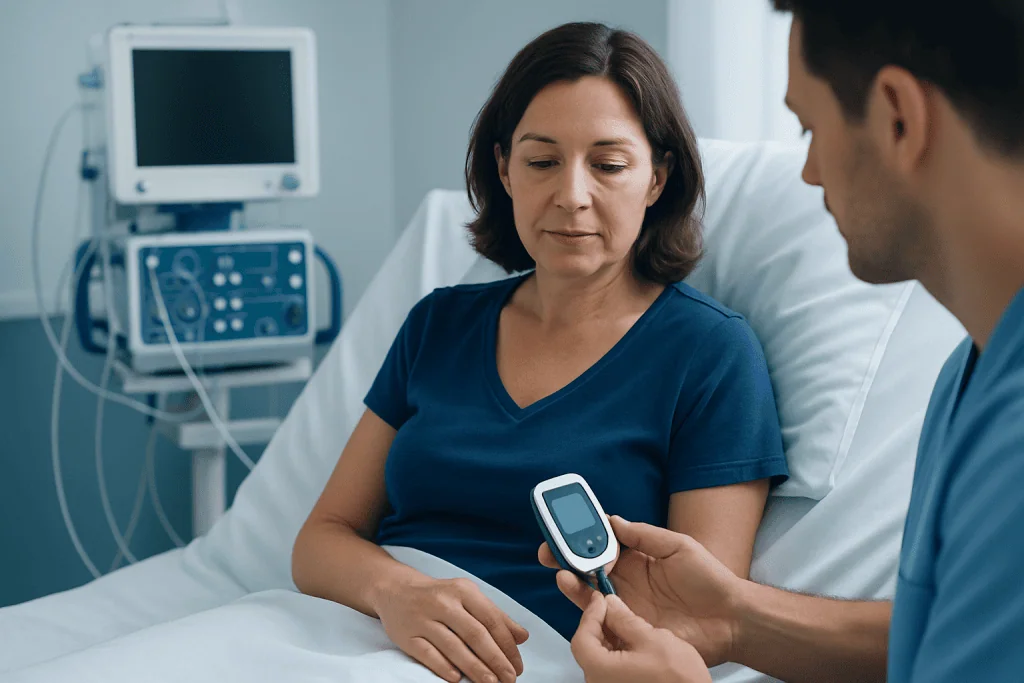
When blood sugar rises, the kidneys try to remove excess glucose through urine. This can lead to frequent urination and, in turn, dehydration. As fluid is lost, thirst increases, the mouth may feel dry, and some people develop weakness or lightheadedness. These are among the most common blood sugar spike symptoms.
High glucose can also affect the eyes and brain. Some people notice blurry vision, difficulty focusing, irritability, or trouble concentrating. Fatigue is also common because even though glucose is present in the blood, the body may not be using it efficiently at the cell level. Headaches and a general feeling of being unwell may follow.
Other possible symptoms include hunger soon after eating, warm or flushed skin, and slower recovery from exercise. In more persistent cases, there may be recurrent infections, slow-healing cuts, or unexplained weight loss. A simple list includes:
- Increased thirst
- Frequent urination
- Fatigue or sleepiness
- Blurred vision
- Dry mouth
- Headache
- Trouble concentrating
- Nausea in more significant hyperglycemia
Symptoms often overlap with other conditions, so they should be interpreted in context. For example, thirst and tiredness can also occur with dehydration, infections, sleep loss, or anemia. If symptoms are recurrent, checking blood sugar and discussing the pattern with a clinician can help clarify the cause.
Common triggers: why blood sugar suddenly rises

One of the most frequent triggers is food, especially meals or snacks high in refined carbohydrates or added sugars. Sugary drinks, desserts, white bread, large portions of rice or pasta, and highly processed foods can raise glucose quickly. Even foods often seen as healthy can contribute if portions are large or if they are eaten without enough protein, fiber, or healthy fat to slow digestion.
Stress and illness are also common causes. During physical stress, such as infection, surgery, injury, or poor sleep, the body releases hormones that increase glucose production. Emotional stress can have a similar effect. Certain medications, especially corticosteroids, may also raise blood sugar. In people with diabetes, missed insulin, missed tablets, or problems with insulin delivery can trigger larger spikes.
Less obvious factors include reduced physical activity, dehydration, and hormonal changes. Some people notice blood sugar rises in the morning due to normal hormone rhythms. Others experience spikes after very intense exercise. Repeated episodes after meals may suggest insulin resistance or an underlying metabolic condition that should be assessed, including diabetes.
How blood sugar spikes differ from low blood sugar and diabetes symptoms
People sometimes confuse high blood sugar with low blood sugar because both can cause weakness, headache, and trouble concentrating. However, low blood sugar is more likely to cause shakiness, sweating, palpitations, sudden hunger, anxiety, and rapid improvement after consuming glucose. High blood sugar more often brings thirst, urination, dry mouth, and gradually increasing fatigue.
It is also helpful to separate a single blood sugar spike from a broader diagnosis. A spike is an event or pattern; diabetes is a medical condition in which blood glucose remains elevated or regulation is impaired. Repeated blood sugar spike symptoms may be one of the earliest clues that a person needs evaluation for type 2 diabetes or prediabetes.
Because symptoms overlap, home glucose monitoring or laboratory testing may be needed to understand what is happening. This is especially important for people already treated for diabetes, since recurring spikes can mean the care plan needs adjustment. For some patients, clinicians may recommend a structured review of meals, activity, medicines, and glucose trends rather than relying on symptoms alone.
Diagnosis and evaluation
Doctors diagnose the cause of blood sugar spike symptoms by combining symptoms, medical history, and glucose testing. The evaluation may include fasting blood glucose, HbA1c, or other laboratory tests to look for diabetes or prediabetes. In someone with established diabetes, clinicians may review home glucose logs, continuous glucose monitor patterns, medications, recent illness, diet, and exercise habits.
The aim is not only to confirm whether glucose is high, but also to understand when and why it rises. For example, spikes mostly after breakfast may suggest a different pattern than high readings throughout the day. A doctor may also look for contributing issues such as infection, dehydration, weight changes, sleep problems, or medicines that affect metabolism.
In some cases, more specialized assessment is helpful, especially if symptoms are persistent or difficult to explain. This may include nutritional counseling, diabetes education, or endocrinology review. When glucose control needs a more structured workup, patients may be advised to undergo diabetes check-up to guide next steps safely and clearly.
Treatment and day-to-day management
Treatment depends on the cause, the person’s overall health, and whether diabetes is already diagnosed. For many people, the first step is improving day-to-day glucose stability through balanced meals, regular activity, adequate hydration, and consistent sleep. Meals that combine carbohydrates with protein, fiber, and healthy fats tend to produce a slower rise in blood sugar than high-sugar or highly refined foods eaten alone.
For those with diabetes, management may also involve adjusting medication timing or type under medical supervision. A clinician may review insulin technique, meal timing, or the need for changes in tablets or injectables. Some people benefit from diabetes education that helps them understand how food choices, stress, illness, and exercise influence glucose from hour to hour.
Monitoring is often part of treatment because it connects symptoms to actual glucose levels. Depending on the situation, a doctor may suggest finger-stick testing or continuous glucose monitoring to identify patterns that are not obvious otherwise. If repeated spikes are linked to insulin resistance, broader support with endocrinology and metabolism care may help create a personalized plan.
People should not make major medication changes on their own unless they have clear prior instructions from their treating team. Persistent symptoms, recurrent very high readings, or feeling increasingly unwell should prompt prompt medical advice.
Prevention, self-care, and when to seek medical care
Preventing blood sugar spikes usually starts with predictable daily habits. Eating regular meals, limiting sugar-sweetened drinks, watching portion sizes, and choosing higher-fiber carbohydrates can help reduce sudden rises. Light activity after meals, such as walking, may also support glucose control. Managing stress, staying hydrated, and taking prescribed medication consistently are equally important.
Self-care is most effective when it is practical and sustainable. Many people find it helpful to note which meals or situations trigger symptoms, how long they last, and whether they improve with hydration, movement, or rest. This symptom-and-glucose pattern can be useful during a medical appointment and may reveal trends that are otherwise easy to miss.
Medical care should be sought if blood sugar spike symptoms happen often, begin without a clear reason, or are accompanied by weight loss, repeated infections, or worsening vision. Urgent care is needed for severe dehydration, vomiting, stomach pain, confusion, unusual drowsiness, or deep and rapid breathing, as these may be signs of serious hyperglycemia. Near the end of the care pathway, some patients choose specialist assessment at centers such as Acibadem International, where multidisciplinary teams in JCI-accredited hospitals diagnose and treat endocrine conditions for international patients.
Frequently asked questions
What are the first blood sugar spike symptoms most people notice?
The earliest symptoms are often thirst, frequent urination, tiredness, and dry mouth. Some people also notice blurred vision or difficulty concentrating, especially after a large meal or during illness.
Can blood sugar spike symptoms happen without diabetes?
Yes. Blood sugar can rise temporarily in people without diagnosed diabetes, particularly after very high-carbohydrate meals, stress, poor sleep, or certain medicines. If symptoms happen repeatedly, a doctor may recommend testing for prediabetes or diabetes.
How long do blood sugar spike symptoms last?
They may last from a short period to several hours, depending on how high glucose rises and what caused it. Symptoms often improve as glucose returns toward a healthier range, but frequent or prolonged episodes should be evaluated.
Are blood sugar spikes dangerous?
A mild, occasional spike is not always an emergency, but repeated high blood sugar can affect overall health over time. Severe symptoms such as vomiting, confusion, deep breathing, or marked dehydration need urgent medical attention.
What foods commonly trigger blood sugar spikes?
Sugary drinks, desserts, white bread, pastries, and large portions of refined carbohydrates are common triggers. Eating carbohydrates alone, without enough protein, fiber, or healthy fat, may also lead to a faster rise in glucose.
How can someone tell the difference between high and low blood sugar?
High blood sugar more often causes thirst, frequent urination, dry mouth, and gradually increasing fatigue. Low blood sugar is more likely to cause shakiness, sweating, sudden hunger, palpitations, and feeling better soon after consuming glucose.
This article is for general information only and is not a substitute for professional medical advice. Please consult a qualified doctor about your individual situation.
Explore treatments in Turkey — costs, top hospitals & a free quote
JCI-accredited · board-certified surgeons · reply within 24h
Add us as a Preferred Source to see more of our trusted health content across Google Search, AI Overviews and Discover.

Endocrinology Specialists at Acibadem





More from the Health Library

How to Dissolve a Cyst Naturally? A Doctor-Reviewed Answer

Why Am I So Bloated I Look Pregnant? Here Is What the Evidence Says

Signs and Symptoms: Possible Causes and When to Seek Care

How to Get Rid of Butt Acne? Here Is What the Evidence Says

Why Do We Have Wisdom Teeth? Causes, Explanations, and Next Steps