Body Heated: A Complete Medical Overview

A body heated sensation can happen with or without a true fever. Common triggers include infections, hot weather, exercise, dehydration, stress, and hormonal changes.
Key Takeaways
- A body heated sensation can happen with or without a true fever.
- Common triggers include infections, hot weather, exercise, dehydration, stress, and hormonal changes.
- Associated symptoms such as sweating, dizziness, rash, palpitations, or weight loss help guide diagnosis.
- Treatment focuses on the cause and may include cooling, fluids, rest, and medical care when needed.
- Urgent evaluation is important for confusion, fainting, severe shortness of breath, chest pain, or signs of heat stroke.
Body heated usually describes a sensation of unusual warmth, overheating, or internal heat. It is often linked to fever, hot surroundings, dehydration, hormones, stress, or certain medical conditions, and the best response depends on the cause.
What “body heated” usually means
Body heated is a common way to describe feeling unusually warm, overheated, or as if internal body temperature is rising. In medical terms, this feeling may come from a true increase in body temperature, such as a fever, or from heat sensitivity without fever, where the skin or whole body feels hot even though temperature is normal.
This symptom is not a diagnosis by itself. It can happen for simple reasons, such as a hot environment, intense exercise, spicy food, or stress. It can also be related to hormonal changes, infections, thyroid problems, medication side effects, or conditions that affect how the body regulates temperature.
The most useful first step is to notice the pattern. A body heated feeling that passes quickly after cooling down or drinking water is often less concerning than persistent warmth, repeated episodes, or heat accompanied by other symptoms such as rash, palpitations, fainting, or unexplained weight loss.
How the body controls temperature
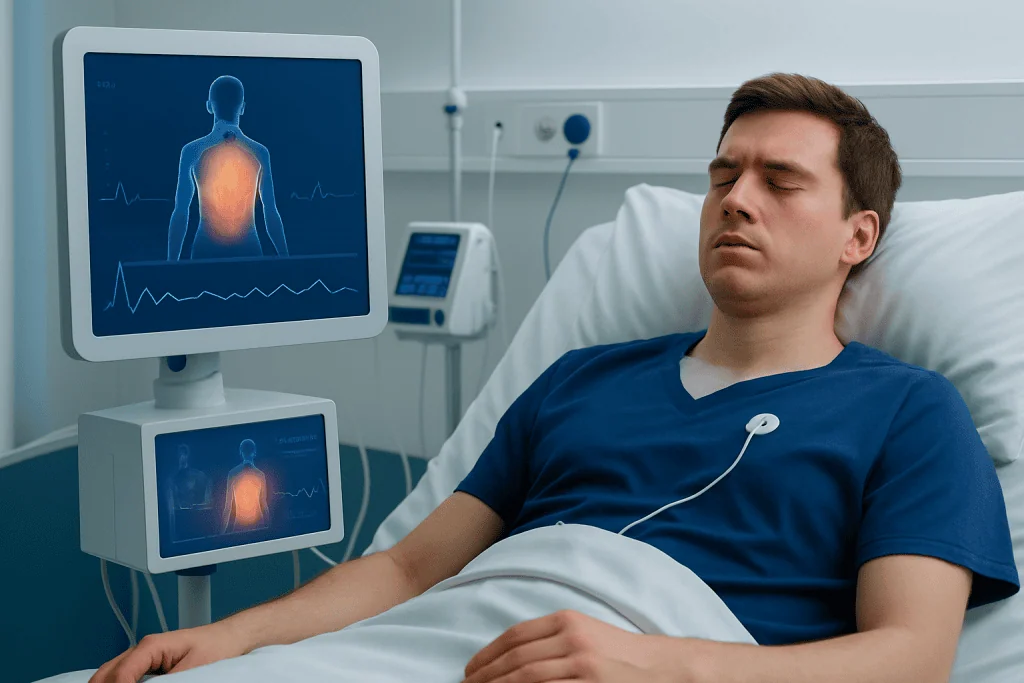
The human body works hard to keep internal temperature within a narrow range. The brain, especially an area called the hypothalamus, acts like a thermostat. It receives signals from the body and starts responses such as sweating, widening blood vessels in the skin, or shivering to maintain balance.
When a person feels body heated, one of two things may be happening. The body may truly be warmer than normal, as in fever, exertion, or heat exposure. Or the temperature may be normal, but blood flow to the skin, hormone shifts, anxiety, or nerve signaling can create a strong sensation of heat.
This is why two people in the same room may feel very different. Age, hydration, body size, medications, clothing, and underlying medical conditions all affect heat tolerance. Children, older adults, pregnant people, and people with chronic illness may develop heat-related symptoms more easily.
Common symptoms that can happen with a body heated feeling

The sensation may be mild, such as feeling flushed or warmer than usual, or more intense, with sweating and discomfort. Some people notice only heat in the face, chest, or back, while others feel hot all over the body. Symptoms may come on suddenly or build gradually over hours.
Common associated symptoms include:
- Flushing or red skin
- Sweating or night sweats
- Thirst and dry mouth
- Fatigue or weakness
- Headache
- Dizziness or lightheadedness
- Chills, especially with fever
- Rapid heartbeat or palpitations
- Nausea
Other symptoms can point more clearly to a cause. Cough, sore throat, or body aches may suggest infection. Diarrhea or vomiting can lead to dehydration. Heat with tremor, anxiety, and weight loss may raise concern for an overactive thyroid. A new rash may need evaluation for allergy, infection, or inflammation.
Possible causes and risk factors
Many everyday situations can make the body feel heated. Hot weather, poor ventilation, vigorous exercise, heavy clothing, alcohol, spicy meals, and dehydration are among the most common. Emotional stress and panic can also cause flushing, sweating, and a sense of internal heat because stress hormones affect blood vessels and heart rate.
Infections are another frequent cause, especially when the symptom occurs with fever. Viral illnesses, urinary tract infections, and respiratory infections may all make a person feel hot. Depending on the symptoms, a doctor may consider causes such as influenza or other short-term infections. Heat may also accompany inflammatory conditions, some autoimmune disorders, and medication reactions.
Hormonal shifts are important as well. Menopause commonly causes hot flashes and night sweats. Pregnancy, menstrual cycle changes, and some endocrine disorders can alter heat perception. Thyroid overactivity can speed metabolism and create heat intolerance, sweating, and palpitations. In people with diabetes, infection, dehydration, or blood sugar imbalance may contribute to feeling unwell and hot.
Certain medicines can interfere with the body’s cooling systems or increase metabolism. Examples include some antidepressants, stimulants, thyroid medication, and drugs with anticholinergic effects. Risk is higher in older adults, infants, people who work outdoors, athletes, and those with heart, lung, kidney, or neurological disease.
How doctors diagnose the cause
Diagnosis begins with a detailed history. A doctor will ask when the body heated feeling started, how long it lasts, whether there is a measured fever, and what other symptoms are present. It also helps to mention recent travel, sick contacts, weather exposure, physical activity, menstrual or menopausal status, and all medications or supplements.
A physical examination usually includes measuring temperature, blood pressure, pulse, breathing rate, and oxygen level. The doctor may look for signs of dehydration, infection, thyroid enlargement, skin rash, or heart and lung problems. If symptoms suggest a fever source or metabolic disorder, testing may be recommended.
Depending on the situation, tests may include blood work, urine tests, or imaging. Some people may need evaluation for hormonal or thyroid issues with thyroid tests, or for a hidden infection with a general medical check-up. If there are persistent palpitations, chest symptoms, or exertional heat intolerance, heart assessment may also be considered.
Treatment options and practical relief
Treatment for body heated depends on the cause. If heat is related to weather, exercise, or mild dehydration, simple steps such as moving to a cooler place, loosening clothing, resting, and drinking water or oral fluids are often enough. Cool compresses, a fan, and avoiding alcohol can also help the body cool down more effectively.
If there is fever, treatment focuses on the underlying illness. Viral infections may improve with rest and fluids, while bacterial infections sometimes require specific medicines prescribed by a doctor. Heat caused by endocrine or metabolic problems may improve only after the underlying condition is treated. For example, hormone-related or thyroid-related symptoms need targeted medical evaluation rather than home remedies alone.
When heat is associated with a skin condition, itching, redness, or hives, management may include avoiding triggers and medical review. Persistent flushing or warm skin with irritation may overlap with skin rashes or allergic reactions. In more complex cases, hospital-based care may involve internal medicine, endocrinology, infectious diseases, dermatology, or emergency specialists working together.
Prevention and self-care
Not every cause of body heated can be prevented, but many episodes can be reduced with simple habits. Staying hydrated is one of the most effective steps, especially in warm weather, during exercise, or when recovering from illness. Wearing light, breathable clothing and taking breaks in cool areas can also lower the risk of overheating.
People who notice repeat episodes may benefit from tracking triggers. Helpful details include time of day, food, exercise, stress, room temperature, menstrual cycle, and any medicines taken. This can help identify patterns such as heat sensitivity from menopause, stimulant use, or anxiety-related flushing.
General self-care measures include getting enough sleep, limiting alcohol, managing stress, and treating fever or dehydration early. During very hot conditions, outdoor activity is safest in cooler hours of the day. Anyone with chronic medical problems should ask a clinician whether their medication or condition could affect heat tolerance.
Near the end of the care pathway, some people need specialist input rather than repeated self-treatment. Acibadem International’s multidisciplinary specialists in JCI-accredited hospitals diagnose and treat patients with heat-related symptoms, hormonal disorders, infections, and other causes when a more detailed assessment is needed.
When to seek medical care
Medical advice is recommended if the body heated feeling is frequent, unexplained, or lasts more than a few days. It is also important to seek review if it comes with weight loss, persistent palpitations, repeated vomiting, significant weakness, severe night sweats, or a new rash. A doctor should also evaluate symptoms in infants, older adults, pregnant people, and anyone with a chronic illness.
Urgent care is needed for warning signs of heat exhaustion or heat stroke. These include confusion, fainting, severe headache, very high body temperature, fast breathing, inability to keep fluids down, or hot skin with reduced sweating. Chest pain, severe shortness of breath, seizure, or signs of severe infection also require immediate medical attention.
If the symptom seems linked to a specific disease pattern, targeted evaluation may be helpful. Depending on the symptoms, doctors may investigate fever, endocrine disorders, infection, or heart-related causes, and may recommend supportive care or further testing. Prompt assessment is especially important when symptoms are worsening rather than improving.
Frequently asked questions
Is body heated the same as having a fever?
Not always. A person can feel very hot without a measured fever because of heat exposure, hormones, anxiety, medication effects, or dehydration. Using a thermometer can help tell the difference between a true fever and a heat sensation.
Why does my body feel hot but my temperature is normal?
This can happen when blood vessels widen near the skin, during stress, menopause, after exercise, or with certain medicines. Thyroid overactivity and other metabolic issues can also cause heat intolerance even without fever. If it happens often, medical review is sensible.
Can dehydration make the body feel heated?
Yes. Dehydration reduces the body’s ability to cool itself through sweating and circulation, which can make a person feel overheated, weak, or dizzy. Replacing fluids and resting in a cool place often helps mild cases.
When is a body heated feeling an emergency?
It needs urgent care if it is accompanied by confusion, fainting, severe shortness of breath, chest pain, seizure, or signs of heat stroke such as very high temperature and altered mental status. These symptoms can mean the body is no longer regulating heat safely.
Can anxiety cause a body heated sensation?
Yes. Anxiety and panic can trigger adrenaline release, which may cause flushing, sweating, a rapid heartbeat, and a sudden sensation of heat. However, repeated episodes should not automatically be blamed on anxiety until other causes have been considered.
What should someone do at home if they feel overheated?
They should move to a cooler area, rest, loosen or remove excess clothing, and drink water if able. A cool cloth, fan, or lukewarm shower may help. If symptoms are severe, persistent, or include confusion or fainting, they should seek medical care promptly.
This article is for general information only and is not a substitute for professional medical advice. Please consult a qualified doctor about your individual situation.
Explore treatments in Turkey — costs, top hospitals & a free quote
JCI-accredited · board-certified surgeons · reply within 24h
Add us as a Preferred Source to see more of our trusted health content across Google Search, AI Overviews and Discover.
Check your numbers in seconds
BMI, calories, due date, blood pressure and 30+ more clinical calculators — free, instant, doctor-reviewed ranges.

More from the Health Library

Monolaurin Benefits — Explained by Medical Evidence, Not Myths

And Arteries: What Patients Need to Know

Disorganized Attachment: An Evidence-Based Guide for Patients

Inspiresleep Com Cost: A Complete Medical Overview

Huber Needle: An Evidence-Based Guide for Patients