Boil Inside the Virgina: An Evidence-Based Guide for Patients
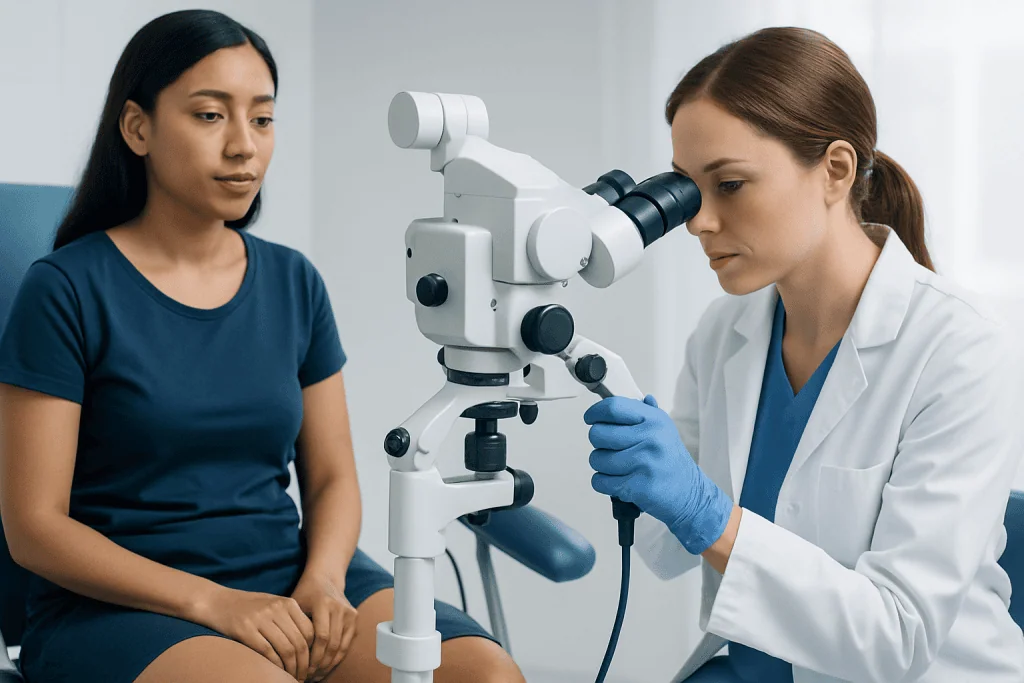
Most so-called boils inside the virgina are actually on the vulva or labia, not deep inside the vagina. Common causes include infected hair follicles, blocked glands, friction, shaving, and skin conditions such as hidradenitis suppurativa.
Key Takeaways
- Most so-called boils inside the virgina are actually on the vulva or labia, not deep inside the vagina.
- Common causes include infected hair follicles, blocked glands, friction, shaving, and skin conditions such as hidradenitis suppurativa.
- Warm compresses may help small boils drain naturally, but squeezing them can worsen infection.
- Medical care is important for severe pain, fever, rapid swelling, recurrence, pregnancy, or diabetes.
- Some lumps near the vaginal opening are not boils and may need evaluation to rule out a Bartholin cyst, abscess, or other condition.
A boil inside the virgina usually refers to a painful lump on the vulva, labia, or nearby skin rather than inside the vaginal canal itself. Most are caused by an infected hair follicle or blocked gland and can improve with simple care, but persistent, severe, or recurring lumps should be checked by a doctor.
Overview: what a boil inside the virgina usually means
A boil inside the virgina usually means a tender, swollen lump in the vulvar area, most often on the labia, pubic skin, or skin folds around the vaginal opening. In everyday language, many people say “inside the vagina,” but true boils are far more likely to develop on skin with hair follicles or glands than in the vaginal canal itself.
A boil, also called a furuncle, is a localized skin infection. It often begins when bacteria enter a hair follicle or a small break in the skin, leading to redness, warmth, swelling, and pain. The center may fill with pus and later drain on its own.
Because the genital area is warm, moist, and exposed to friction, it is a common place for irritation and bacterial overgrowth. Still, not every bump in this area is a boil. A blocked Bartholin gland, an ingrown hair, a cyst, or a chronic inflammatory skin condition can look similar and may need different care.
For patients, the key message is reassuring: many small boils improve with basic home measures and time. However, worsening pain, spreading redness, fever, repeated lumps, or a lump that does not improve should prompt an examination by a qualified clinician.
Symptoms and what it may look or feel like
A genital boil often starts as a small, firm, tender bump. Over one to several days, it may grow larger, become red or purple, feel warm, and become more painful with walking, sitting, exercise, or sexual activity. The surrounding skin can feel irritated and swollen.
As the boil matures, a soft center or a white-yellow tip may appear. Some boils drain pus, blood-tinged fluid, or clear fluid, after which pain may lessen. Nearby lymph nodes in the groin can sometimes become mildly enlarged if the body is reacting to infection.
Symptoms can vary depending on the underlying cause. For example, an ingrown hair may appear as a small inflamed bump after shaving, while a blocked gland can cause a deeper lump near the vaginal opening. A Bartholin cyst may be painless at first, but if it becomes infected it can resemble a boil or abscess.
- Painful lump on the labia, vulva, pubic area, or groin fold
- Redness, swelling, or warmth of the skin
- Pus drainage or a visible white center
- Discomfort when sitting, walking, or urinating if the area is very irritated
- Occasionally fever or feeling unwell if the infection is more significant
Common causes and risk factors

The most common cause of a boil is a bacterial infection of a hair follicle, often involving bacteria that normally live on the skin. Friction from tight clothing, sweating, shaving, waxing, and scratching can create tiny skin breaks that allow bacteria to enter. Ingrown hairs can also trigger inflammation and infection.
Blocked glands are another important cause of painful vulvar lumps. In particular, glands near the vaginal opening may become blocked and form cysts; if bacteria become involved, the cyst can turn into an abscess. This is one reason why not every “boil” in this area behaves the same way or responds to the same treatment.
Some people get recurrent boils because of underlying skin conditions. Hidradenitis suppurativa is a chronic inflammatory condition that can cause repeated painful lumps, drainage, and scarring in the groin, armpits, and under the breasts. It is not simply poor hygiene, and repeated episodes should be properly assessed.
Risk factors include diabetes, obesity, smoking, immune suppression, close skin-to-skin friction, and a previous history of boils. Using shared razors, having eczema or other skin irritation, and poor healing after shaving may also increase the chance of infection. Good hygiene helps, but boils can happen even in people who care for the area well.
How doctors tell a boil from other vaginal-area lumps
Diagnosis usually begins with a physical examination and a discussion of symptoms, timing, shaving practices, past skin problems, sexual health history, and whether the lump has happened before. In many cases, the appearance and location of the lump are enough to identify a simple boil, inflamed cyst, or abscess.
A clinician may look for signs that suggest something else, such as a Bartholin gland cyst, herpes lesions, contact dermatitis, molluscum contagiosum, or a noninfectious skin disorder. This step matters because treatment differs. A true boil may improve with drainage and skin care, while other conditions may need different medicines or follow-up.
If pus is draining or the infection is severe, a sample may sometimes be sent for culture to identify the bacteria and guide antibiotic choice. Blood sugar testing may be considered if infections are recurrent, unusually severe, or slow to heal. Imaging is rarely needed, but deeper or unusual swellings may occasionally require ultrasound or gynecologic evaluation.
Patients should avoid self-diagnosing any persistent genital lump. A lump that is hard, fixed, frequently recurrent, or not clearly improving should be evaluated, especially in adults over 40 with a new gland-area mass near the vaginal opening.
Treatment options and safe home care
Small boils can often be managed at home with warm compresses applied several times a day. Warmth may help relieve pain and encourage natural drainage. The area should be kept clean and dry, and loose cotton underwear may reduce friction and moisture buildup.
It is important not to squeeze, lance, or pick at a boil. Doing so can push infection deeper, worsen swelling, increase scarring, and spread bacteria to surrounding skin. Shaving or waxing the area should also be avoided until the skin has fully healed.
If the boil is large, very painful, not draining, or causing significant swelling, a doctor may recommend incision and drainage. This is a simple procedure used to release pus safely under clean conditions. In some cases, antibiotics are prescribed, especially if there is spreading redness, fever, surrounding cellulitis, immune compromise, or recurrent infection. Management may involve antibiotic treatment when clinically appropriate.
When the lump is due to a blocked Bartholin gland or a deeper abscess, treatment may be more specific than for a typical skin boil. Recurrent or complex cases may need gynecologic or dermatologic care, and selected patients may benefit from drainage of an abscess or further evaluation of chronic inflammatory skin disease.
Prevention and self-care after healing
Preventing future boils focuses on reducing irritation, moisture, and skin injury. Gentle washing with water or a mild cleanser is usually enough for vulvar skin. Harsh scrubs, fragranced products, and frequent douching can irritate the area and are generally best avoided.
Shaving-related boils may be reduced by trimming instead of close shaving, using a clean sharp razor, shaving in the direction of hair growth, and stopping if the skin becomes inflamed. Wearing breathable underwear, changing out of sweaty clothes promptly, and minimizing prolonged friction from tight garments can also help.
If boils recur, a doctor may check for underlying conditions such as diabetes, chronic staphylococcal colonization, or hidradenitis suppurativa. Weight management and smoking cessation can be helpful for overall skin health and may reduce repeated inflammation in skin folds.
After a boil drains, keeping the area clean and covered with a fresh dressing can protect healing skin. Hands should be washed before and after touching the area, and towels, underwear, and razors should not be shared. Any increasing redness, foul-smelling drainage, or ongoing pain should be reassessed.
When to seek medical care
Medical care is recommended if the lump is larger than expected, rapidly getting worse, very painful, or not improving after several days of warm compresses. A person should also seek prompt care if there is fever, spreading redness, red streaking, marked swelling, or trouble sitting, walking, or passing urine because of pain.
Recurrent boils deserve evaluation because they may point to an underlying condition rather than a one-time infection. Pregnancy, diabetes, immune suppression, or a history of severe skin infections also lower the threshold for seeing a clinician early.
Any new deep lump near the vaginal opening, especially one that seems cyst-like or repeatedly inflamed, may need a gynecologic assessment. If needed, doctors may consider gynecology care to evaluate vulvar pain, gland swelling, or abscess-like lesions in a more targeted way.
For international patients who need specialist evaluation, Acibadem International’s multidisciplinary teams in JCI-accredited hospitals diagnose and treat vulvar and skin conditions using gynecology, dermatology, and surgical expertise when appropriate. The most important step, however, is timely assessment by a qualified doctor if symptoms are severe, unusual, or persistent.
Frequently asked questions
Can a boil really be inside the vagina?
Most of the time, what people describe as a boil inside the virgina is actually on the vulva, labia, or skin near the vaginal opening. True boils usually form in skin with hair follicles or glands, not deep inside the vaginal canal.
What is the fastest way to help a vaginal-area boil heal?
Warm compresses are usually the safest first step for a small boil. They can reduce discomfort and help the boil drain naturally, but the area should not be squeezed or picked. If pain is severe or the lump is growing, a doctor should examine it.
Should a boil in this area be popped?
No. Popping or squeezing a boil can push infection deeper into the tissue, increase pain, and raise the risk of scarring or spreading bacteria. If drainage is needed, it is safer for a clinician to do it under clean conditions.
How do I know if it is a boil or a Bartholin cyst?
A boil often begins as an inflamed skin bump related to a hair follicle, while a Bartholin cyst usually forms as a deeper lump near the vaginal opening because a gland becomes blocked. Both can become painful if infected, so an exam may be needed when the cause is unclear.
Are recurrent boils a sign of something more serious?
They can be. Repeated boils may be linked to diabetes, skin colonization with bacteria, shaving-related irritation, or a chronic inflammatory condition such as hidradenitis suppurativa. Recurrent episodes are a good reason to see a doctor for a fuller evaluation.
When should someone get urgent medical help for a genital boil?
Urgent assessment is important if there is fever, spreading redness, severe swelling, intense pain, difficulty urinating, or feeling generally unwell. People who are pregnant, immunocompromised, or living with diabetes should also seek care sooner rather than later.
References
- American College of Obstetricians and Gynecologists
- American Academy of Dermatology
- Centers for Disease Control and Prevention
- Mayo Clinic
- National Health Service
This article is for general information only and is not a substitute for professional medical advice. Please consult a qualified doctor about your individual situation.
Hair transplant in Turkey — costs, graft counts & a free assessment
JCI-accredited · board-certified surgeons · reply within 24h
Add us as a Preferred Source to see more of our trusted health content across Google Search, AI Overviews and Discover.

More from the Health Library

Spearmint Tea Benefits: What Patients Need to Know

Daptomycin: What Patients Need to Know

Health Services — Explained by Medical Evidence, Not Myths

Green Peas: A Complete Medical Overview

Poop with White Mucus Looks Like Mold: A Complete Medical Overview