Health Services — Explained by Medical Evidence, Not Myths
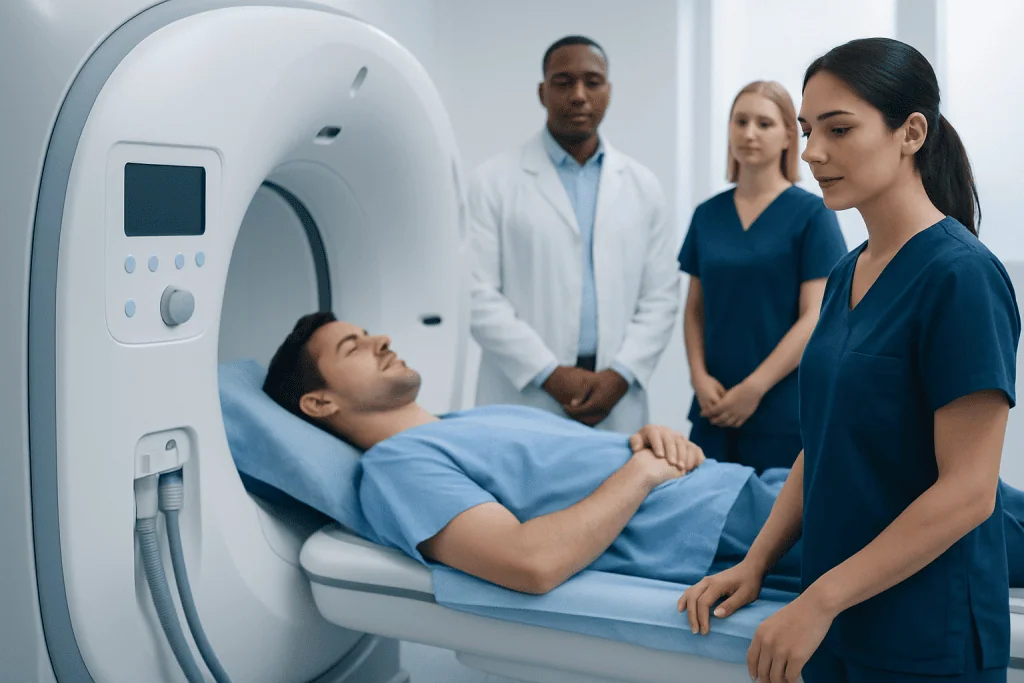
Health services include prevention, diagnosis, treatment, rehabilitation, and long-term disease management. The right service depends on the urgency, the symptom, and whether care is needed from a primary doctor, specialist, emergency team, or diagnostic unit.
Key Takeaways
- Health services include prevention, diagnosis, treatment, rehabilitation, and long-term disease management.
- The right service depends on the urgency, the symptom, and whether care is needed from a primary doctor, specialist, emergency team, or diagnostic unit.
- Preventive health services such as vaccinations, screening, and routine checkups are a core part of medical care, not an optional extra.
- Using health services early can improve outcomes by identifying problems before they become more serious.
- Trusted health services are evidence-based, coordinated, and adapted to age, medical history, and personal risk factors.
Health services are the broad range of medical care people use to prevent disease, diagnose symptoms, treat illness, and support recovery. Understanding what health services include can help patients choose the right type of care at the right time and avoid common myths about when and how to seek help.
Overview: what health services means
Health services are the organized forms of care people use to maintain health, prevent illness, diagnose symptoms, treat disease, and recover after injury or medical procedures. The term covers far more than hospital visits. It includes primary care, specialist consultations, laboratory tests, imaging, vaccinations, rehabilitation, mental health support, maternity care, surgery, emergency medicine, and long-term follow-up for chronic conditions.
In practical terms, health services help answer different needs at different times. A healthy adult may use screening tests and vaccines. A person with new symptoms may need an examination and imaging. Someone living with diabetes, heart disease, asthma, or cancer may need regular monitoring and coordinated treatment over many years. Good health services are not only about treating illness; they are also about reducing risk, supporting function, and improving quality of life.
Many people think health services begin only when symptoms become severe. Medical evidence shows the opposite: timely preventive care and early assessment often make care simpler and more effective. Understanding what services exist, when they are appropriate, and how they work together can help patients make informed, confident decisions.
The main types of health services
Health services are often grouped by purpose. Preventive services aim to stop disease before it starts or detect it early. These include health counseling, blood pressure checks, vaccinations, cervical screening, mammograms, colon cancer screening, and monitoring of cholesterol or blood sugar when appropriate. Preventive care is especially important because many common conditions develop gradually and may not cause symptoms at first.
Diagnostic services are used when a symptom, sign, or test result needs explanation. These services can include physical examination, blood tests, urine tests, ultrasound, X-rays, CT, MRI, endoscopy, heart tests, and tissue biopsy when needed. Diagnostic medicine does not begin with a machine alone; it starts with listening carefully to the patient’s history and matching the right test to the right question.
Treatment services include medications, procedures, surgery, supportive therapies, rehabilitation, and ongoing monitoring. Depending on the condition, treatment may involve oncology care, cardiology evaluation and treatment, or physical therapy and rehabilitation. Some patients also need palliative or supportive care focused on symptom relief and quality of life.
- Primary care: first-contact care for common symptoms, prevention, and routine follow-up
- Specialist care: focused assessment and treatment for a specific organ system or condition
- Emergency care: urgent assessment for potentially serious or life-threatening problems
- Rehabilitation: recovery of strength, movement, communication, or daily function
- Public health services: vaccination programs, health education, and disease prevention at community level
How health services support prevention and early detection

One of the strongest evidence-based roles of health services is prevention. Preventive care is not limited to annual checkups. It includes immunizations, prenatal care, smoking cessation support, nutritional guidance, blood pressure monitoring, and age-appropriate screening. These services help identify risk early and allow people to take practical steps before a disease becomes advanced or complications develop.
Screening is a specific type of preventive service used in people without symptoms but with age- or risk-based need. Examples include screening for breast, cervical, and colorectal cancer, as well as checking for diabetes or high cholesterol in selected adults. Screening is not one-size-fits-all. The most suitable tests depend on age, sex, family history, personal risk factors, and local medical guidelines.
Health services also help prevent worsening in people who already have a diagnosis. Regular follow-up for diabetes, high blood pressure, or asthma can reduce complications by keeping treatment up to date and detecting changes early. Preventive care is therefore relevant both to healthy individuals and to those managing chronic conditions.
How patients access care and choose the right service
Choosing the right health service depends on the symptom, how urgent it is, and whether the issue is new, ongoing, or clearly related to a known condition. For many non-emergency concerns, primary care is the best starting point. A primary care doctor can assess common symptoms, review medical history, order first-line tests, begin treatment, and decide if specialist referral is needed.
Specialist services are helpful when symptoms suggest a specific organ system or when a condition is complex, persistent, or not improving with initial treatment. For example, chest pain or palpitations may require cardiology input, digestive bleeding may need gastroenterology evaluation, and unexplained neurological symptoms may need specialist assessment. High-quality health services are coordinated so the patient is not left to connect separate test results alone.
Telemedicine can also be part of modern health services, especially for follow-up visits, discussing test results, medication review, and some mental health consultations. However, telemedicine does not replace urgent in-person assessment when symptoms suggest an emergency or when a physical examination or procedure is necessary.
Patients often benefit from keeping a simple record of medications, allergies, major diagnoses, operations, and recent test results. This can make consultations more efficient and reduce the chance of duplicated tests or unclear treatment plans.
What makes health services safe, effective, and evidence-based
Evidence-based health services use the best available medical research together with clinical expertise and the patient’s own needs and preferences. This means care is not based on trends, myths, or unnecessary testing. Instead, it is guided by a careful balance of benefit, risk, timing, and individual context. A test or treatment should be used because it is medically appropriate, not simply because it exists.
Safety in health services also depends on communication and continuity. Patients should understand why a test is being ordered, what the possible results mean, what treatment options exist, and when follow-up is required. Good care includes informed consent, medication review, infection control, accurate records, and coordination between departments such as laboratory, imaging, surgery, and rehabilitation.
Another important feature is person-centered care. Two people with the same diagnosis may need different plans because of age, pregnancy, kidney function, mental health, frailty, family support, or other conditions. Evidence-based services aim to tailor care while still following accepted clinical standards.
In complex cases, multidisciplinary care may be the most effective model. A patient with cancer, stroke recovery, or advanced heart disease may benefit from input across several fields rather than isolated consultations. This joined-up approach can improve clarity, reduce delays, and support safer decisions.
Common myths about health services
One common myth is that medical care is only necessary when symptoms are severe. In reality, many health services are designed for people who feel well, such as screening, vaccination, and risk assessment. Waiting for severe symptoms can delay diagnosis in conditions that are easier to manage when found earlier.
Another myth is that more testing always means better care. Evidence-based medicine does not support unnecessary testing. Tests can be very helpful when they answer a clear clinical question, but overtesting may lead to false alarms, extra procedures, anxiety, and avoidable cost or exposure. The right test at the right time is more useful than many tests without a clear reason.
Some people also assume specialist care is always better than primary care for every problem. Specialists are essential for certain conditions, but primary care remains central to prevention, first assessment, coordination, and long-term monitoring. In many cases, the most effective care pathway starts with a general doctor and then adds targeted specialist input if needed.
A further myth is that hospitals only provide acute treatment. In fact, modern health services often include education, rehabilitation, nutrition support, chronic disease clinics, imaging, pathology, and follow-up after discharge. Care is often a process rather than a single appointment.
When to seek medical care
Medical care should be sought promptly if symptoms are new, severe, persistent, or worsening. Urgent evaluation is especially important for chest pain, sudden shortness of breath, signs of stroke, severe allergic reaction, uncontrolled bleeding, fainting, confusion, seizures, or a serious injury. In these situations, emergency services are more appropriate than waiting for a routine appointment.
Non-emergency medical care is still important when symptoms are less dramatic but continue without explanation. Ongoing fatigue, unexplained weight loss, persistent fever, lasting abdominal pain, recurrent vomiting, blood in stool or urine, a new lump, or changes in bowel habits should be assessed by a qualified clinician. The same applies to a chronic condition that is no longer well controlled.
People should also seek care when prevention is due, such as vaccinations, antenatal follow-up, childhood checks, or age-appropriate screening. If there is a strong family history of conditions such as heart disease, cancer, or diabetes, earlier discussion with a doctor may be helpful. For some patients, advanced tests such as MRI or a structured medical check-up may be recommended as part of a targeted evaluation rather than routine use for everyone.
For international patients or those with complex needs, multidisciplinary specialists at Acibadem International and its JCI-accredited hospitals diagnose and treat a wide range of conditions using coordinated medical, surgical, and rehabilitation services.
How to make the most of health services
Patients often get the best results when they take an active, informed role in their care. Before an appointment, it can help to note symptoms, when they started, what makes them better or worse, and any questions to ask. Bringing a list of medicines and supplements can also improve safety, especially if several doctors are involved.
After a visit, patients should make sure they understand the plan: whether any tests are needed, when results will be reviewed, how treatment should be taken, and what warning signs should prompt earlier follow-up. If instructions are unclear, asking for clarification is appropriate and important. Good health services support informed decisions rather than expecting patients to guess the next step.
Long-term health often depends on combining medical care with daily habits. Sleep, exercise, nutrition, smoking cessation, alcohol moderation, stress management, and adherence to treatment all affect outcomes. Health services work best when medical guidance and self-care reinforce each other.
Finally, continuity matters. Seeing the same team when possible, attending follow-up appointments, and repeating recommended screening at the right intervals can make care more effective over time. Health services are most useful when they are used not only in crisis, but also as part of steady, preventive, and evidence-based health management.
Frequently asked questions
What are health services in simple terms?
Health services are the medical care and support people use to stay healthy, find the cause of symptoms, treat illness, and recover after disease or injury. They include everything from vaccinations and checkups to scans, surgery, rehabilitation, and long-term follow-up.
Are health services only provided in hospitals?
No. Health services are delivered in many settings, including clinics, family medicine practices, laboratories, imaging centers, rehabilitation units, community programs, and hospitals. Hospitals are important for complex, inpatient, emergency, and procedural care, but they are only one part of the wider system.
What is the difference between preventive and diagnostic services?
Preventive services are used to reduce risk or detect disease before symptoms appear, such as vaccines or screening tests. Diagnostic services are used to investigate a symptom, abnormal examination finding, or concerning test result to identify the underlying cause.
When should someone see a specialist instead of a primary care doctor?
A specialist may be needed when symptoms point to a specific organ system, when a condition is complex, or when first-line treatment has not helped enough. In many cases, a primary care doctor is still the best first step because they can assess the problem broadly and direct referral appropriately.
Can health services help if a person feels well?
Yes. Many important health services are designed for people who have no symptoms, including screening, routine monitoring, vaccination, and counseling about risk factors. Feeling well does not always mean that blood pressure, blood sugar, or early disease changes are normal.
How can patients use health services more effectively?
It helps to seek care early for persistent symptoms, attend preventive appointments, and keep a current list of medications and past conditions. Patients should also ask what each test or treatment is for, what results to expect, and when to return for follow-up.
This article is for general information only and is not a substitute for professional medical advice. Please consult a qualified doctor about your individual situation.
Explore treatments in Turkey — costs, top hospitals & a free quote
JCI-accredited · board-certified surgeons · reply within 24h
Add us as a Preferred Source to see more of our trusted health content across Google Search, AI Overviews and Discover.
Check your numbers in seconds
BMI, calories, due date, blood pressure and 30+ more clinical calculators — free, instant, doctor-reviewed ranges.

More from the Health Library
Fatal Familial Insomnia: A Complete Medical Overview

Creatine: An Evidence-Based Guide for Patients
Xywav Ih: A Complete Medical Overview

Hematologist: What Patients Need to Know

Plavix: What Patients Need to Know