Bone Marrow Transplant for Lymphoma: Procedure, Recovery and Results

Most lymphoma transplants use blood-forming stem cells collected from the patient or a donor rather than marrow taken directly from bone. Autologous transplant uses a person's own stem cells and is commonly considered for lymphoma that responds to treatment but returns.
Key Takeaways
- Most lymphoma transplants use blood-forming stem cells collected from the patient or a donor rather than marrow taken directly from bone.
- Autologous transplant uses a person's own stem cells and is commonly considered for lymphoma that responds to treatment but returns.
- Allogeneic transplant uses donor stem cells and may offer an immune effect against lymphoma, but it carries different and often greater risks.
- The period of very low blood counts, usually in the first few weeks after transplant, requires close monitoring for infection, bleeding, and other complications.
- Recovery continues for months, and many people gradually return to everyday activities with individualized follow-up and support.
Bone marrow transplant for lymphoma, more commonly called a stem cell transplant, uses healthy blood-forming stem cells after high-dose treatment to restore bone marrow function. It may be recommended for certain relapsed, refractory, or high-risk lymphomas, depending on lymphoma type, response to treatment, overall health, and transplant type.
Overview: how a bone marrow transplant helps treat lymphoma
A bone marrow transplant for lymphoma is a treatment that restores blood-forming stem cells after intensive chemotherapy, sometimes combined with radiation therapy. In modern practice, it is often called a hematopoietic stem cell transplant because the cells are usually collected from circulating blood rather than directly from bone marrow. The transplant itself is given through a vein, similar to a blood transfusion.
The purpose is not simply to replace marrow. High-dose treatment may destroy lymphoma cells that standard-dose treatment could not fully control, but it also temporarily damages the marrow’s ability to make blood cells. Infused stem cells travel to the bone marrow and begin producing red cells, white cells, and platelets again. This approach may be considered for selected people with lymphoma, particularly when the disease has returned or has not responded adequately to initial therapy.
Transplant is one part of a broader treatment plan that can also include chemotherapy, immunotherapy, targeted medicines, radiation therapy, CAR T-cell therapy, or clinical trials. A hematology-oncology team weighs potential benefit against the short- and long-term effects for each individual.
Who may be a candidate for transplant?
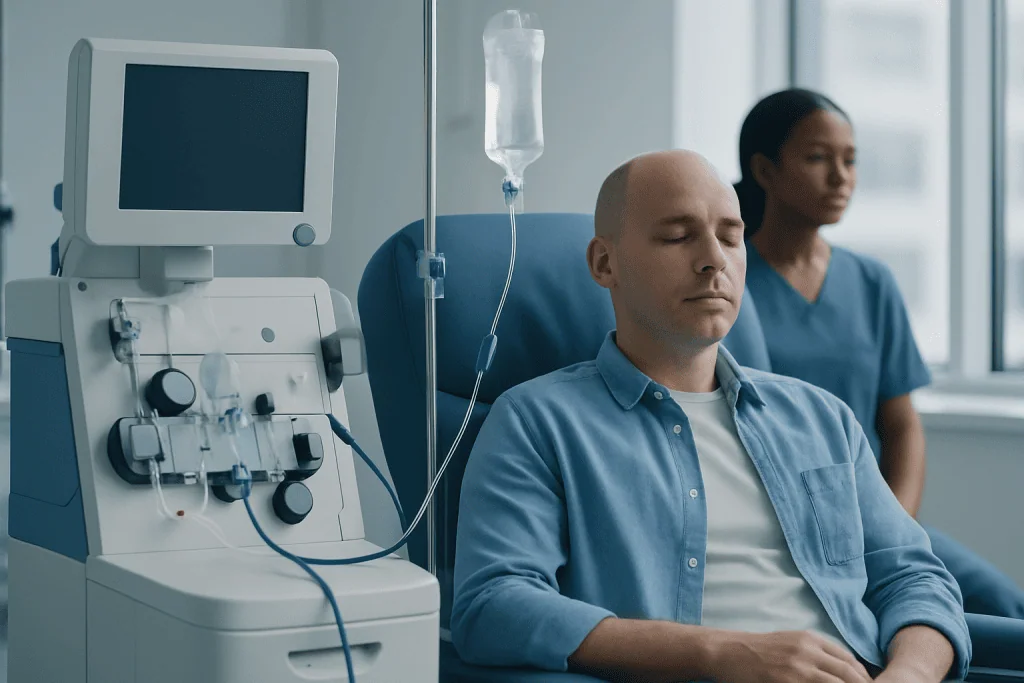
Candidacy depends on the lymphoma subtype, how far it has spread, previous treatments, and whether it responds to treatment before transplant. For some aggressive non-Hodgkin lymphomas and for relapsed Hodgkin lymphoma, an autologous transplant may be considered after treatment has reduced or controlled the disease. This means the person receives their own previously collected stem cells.
An allogeneic transplant uses stem cells from a matched donor, often a relative or an unrelated volunteer donor. It may be considered when lymphoma returns after an autologous transplant, when the disease has particular high-risk features, or when a donor immune response could be useful. Donor transplants are not suitable for everyone because they can cause serious immune-related complications.
Before recommending transplant, clinicians assess heart, lung, kidney, and liver function; blood counts; infections; nutritional status; functional ability; and emotional and practical support. Age alone does not determine eligibility, but general fitness and other medical conditions are important. Fertility preservation may be discussed before conditioning treatment because some treatments can affect future fertility.
Step by step: what happens during the procedure

For an autologous transplant, stem cells are collected before high-dose treatment. Medication is used to encourage stem cells to move from the marrow into the bloodstream, and a machine separates and stores the cells through a process called apheresis. For an allogeneic transplant, the donor is tested and their cells are collected and prepared instead.
Next comes conditioning, which is intensive chemotherapy with or without radiation. Conditioning aims to reduce remaining lymphoma cells and, for a donor transplant, make space for donor cells to establish themselves. The exact regimen is tailored to the lymphoma type, prior treatment, and the person’s health. Some donor transplants use reduced-intensity conditioning for people who may not tolerate the most intensive regimens.
On transplant day, thawed stem cells are infused through a central venous catheter. This does not involve surgery. During the following days and weeks, the team monitors closely while the cells settle in the marrow and begin producing new blood cells, a process known as engraftment. Helpful planning begins early, including discussion of bone marrow transplant care and the support needed after discharge.
Recovery timeline, benefits, and possible risks
The first two to four weeks are usually the most medically intensive phase. Blood counts commonly become very low after conditioning, increasing the risk of infection, anemia, and bleeding. Patients may need protective measures, transfusions, nutrition support, medicines to prevent infection, and treatment for side effects such as fatigue, nausea, diarrhea, mouth soreness, or pain.
Engraftment often begins within several weeks, but immune recovery takes much longer. After an autologous transplant, many people gradually regain strength over the following months. Following an allogeneic transplant, recovery may be slower because immune-suppressing medication and monitoring for graft-versus-host disease are often needed. Follow-up includes blood tests, assessments for lymphoma recurrence, vaccination planning, and management of late effects.
Potential benefits include a deeper remission and, in some situations, the possibility of long-term disease control or cure. Risks vary by transplant type and conditioning regimen. They can include severe infection, bleeding, organ effects, infertility, recurrence of lymphoma, and secondary cancers. Allogeneic transplant can also cause graft-versus-host disease, in which donor immune cells attack healthy tissues. The transplant team explains personal risks before treatment and remains involved throughout recovery.
What are the hardest days after a bone marrow transplant?
For many people, the hardest days are often after conditioning and before engraftment, when blood counts are at their lowest. This period commonly occurs during the first one to three weeks after the stem cell infusion, although timing differs between individuals and transplant types. Fatigue, mouth and throat soreness, appetite changes, nausea, diarrhea, fever, and emotional strain can be particularly challenging.
These symptoms do not mean that a transplant is failing. They are expected possibilities of intensive treatment and are managed with close medical observation, supportive medicines, transfusions when needed, infection prevention measures, and symptom-relief care. The care team will explain which symptoms should be reported immediately.
Recovery is rarely a straight line. Energy and appetite may improve gradually, while some days still feel difficult. A clear caregiver plan, regular communication with the transplant team, and appropriate psychological or social support can make this phase more manageable.
Can a person live normal life after a bone marrow transplant?
Many people can return to meaningful, active daily lives after a bone marrow transplant, although the pace and extent of recovery vary. Some resume work, family roles, exercise, travel, and social activities over time. It is common for stamina, concentration, sleep, mood, and physical strength to take months to improve, and some effects can last longer.
Long-term follow-up is important even when a person feels well. Clinicians monitor for recurrence, infections, organ health, bone health, hormone changes, and possible late effects of prior treatment. People who have had an allogeneic transplant may need additional monitoring for chronic graft-versus-host disease and may take immune-suppressing medicines for a period determined by their team.
Healthy routines support recovery: gradual activity as advised, balanced nutrition, careful hand hygiene, avoiding tobacco, recommended vaccines, and sun protection. Before returning to crowded settings, travel, work exposures, or contact sports, patients should ask their transplant team for individualized guidance.
Can lymphoma in bone marrow be cured? Is transplant 100% successful?
Lymphoma can involve the bone marrow, but marrow involvement does not automatically mean it cannot be cured. Whether cure is possible depends on the lymphoma subtype, stage, biology, response to treatment, and overall health. Some lymphomas are potentially curable even when they have spread, while others are more often managed as long-term conditions with periods of remission and treatment.
A transplant can help achieve durable remission or cure in selected cases, but it is not 100% successful. Lymphoma may return after transplant, and some people cannot proceed with transplant because of disease progression or treatment-related complications. Outcomes cannot be predicted from one feature alone; the treating hematologist can explain how subtype, response to prior therapy, transplant type, and health factors influence an individual’s outlook.
It can help to ask the transplant team about the goal of treatment, alternatives, likely side effects, recovery expectations, and the follow-up plan. A second opinion from a lymphoma and transplant specialist may also help people make an informed decision when time allows.
When to seek medical care
Anyone receiving transplant treatment should contact their transplant team promptly for a fever or chills, shortness of breath, chest pain, new cough, uncontrolled vomiting or diarrhea, confusion, severe weakness, unusual bleeding or bruising, a spreading rash, or inability to drink fluids. During periods of low immunity, symptoms of infection may become serious quickly, so the team should provide specific temperature thresholds and out-of-hours contact instructions.
Urgent emergency care is appropriate for severe breathing difficulty, fainting, severe chest pain, uncontrolled bleeding, new confusion, or other rapidly worsening symptoms. Patients should not take new over-the-counter medicines, supplements, or herbal products without checking with their transplant clinicians, as interactions and infection risks can matter during recovery.
Acibadem International’s multidisciplinary specialists and JCI-accredited hospitals support diagnosis and treatment planning for international patients, including transplant assessment and coordinated aftercare. Regular appointments with the hematology-oncology and transplant teams remain essential for safe recovery.
Frequently asked questions
What is the difference between a bone marrow transplant and a stem cell transplant for lymphoma?
The terms are often used interchangeably. Most current lymphoma transplants use blood-forming stem cells collected from the bloodstream, rather than marrow removed directly from bone. Both approaches aim to restore blood cell production after intensive treatment.
How long is a hospital stay after a lymphoma transplant?
The length of stay varies with the transplant type, conditioning regimen, complications, and local practice. Some people remain in hospital through the period of low blood counts, while others may receive part of their care as outpatients with frequent monitoring. The transplant team can provide a more specific expected timeline.
Is an autologous or allogeneic transplant better for lymphoma?
Neither is universally better. Autologous transplant avoids donor-related graft-versus-host disease and is commonly used when lymphoma responds to treatment before transplant. Allogeneic transplant may provide a donor immune effect against lymphoma but generally has greater immune-related risks.
Can lymphoma come back after a bone marrow transplant?
Yes, lymphoma can recur after either type of transplant. Follow-up appointments, blood tests, imaging when appropriate, and symptom review help the team monitor response and identify concerns early. Further treatment options may be available if lymphoma returns.
How long does immune recovery take after a transplant?
Initial blood-count recovery often occurs within weeks, but full immune recovery takes months and can take longer after an allogeneic transplant. Infection precautions, preventive medicines, and vaccine schedules are individualized. Patients should follow their transplant team's advice closely.
Can a person have a second transplant for lymphoma?
In selected circumstances, a second transplant may be considered, but it depends on the first transplant type, disease response, general health, donor availability, and prior complications. Other treatments may be more appropriate for some people. A specialist transplant review is needed to discuss the safest options.
References
- National Cancer Institute
- American Society of Hematology
- Leukemia & Lymphoma Society
- European Society for Blood and Marrow Transplantation
- National Health Service
This article is for general information only and is not a substitute for professional medical advice. Please consult a qualified doctor about your individual situation.
Bone Marrow Transplant in Turkey — costs, top hospitals & a free quote
JCI-accredited · board-certified surgeons · reply within 24h
Add us as a Preferred Source to see more of our trusted health content across Google Search, AI Overviews and Discover.

Organ Transplantation
Kidney, liver and bone-marrow transplantation programs with dedicated coordination.
5 specialists in this unitMore from the Health Library



Related Specialists

Dr. Ömercan Yağız Öksüz
Aesthetic Plastic & Reconstructive Surgery
Dr. Rabia Karasu
Radiology
Dr. İpek Yıldız Tüzken
Anesthesiology
Asst. Prof. Dr. Zeynep Tuğçe Sarıkaya
Intensive Care