Bone Metastases: Pain, Fracture Risk, and Supportive Treatments

Bone metastases are not the same as primary bone cancer; they are cancer cells from another organ that have spread to bone. Pain is the most common symptom, but some bone metastases are found on imaging before symptoms appear.
Key Takeaways
- Bone metastases are not the same as primary bone cancer; they are cancer cells from another organ that have spread to bone.
- Pain is the most common symptom, but some bone metastases are found on imaging before symptoms appear.
- Fracture risk depends on the affected bone, the size and type of lesion, pain with weight-bearing, and overall health.
- Supportive treatments may include pain medicines, radiotherapy, bone-strengthening medicines, surgery, rehabilitation, and systemic cancer treatment.
- New or worsening bone pain, weakness, numbness, difficulty walking, or symptoms of high calcium should be assessed promptly by a doctor.
Bone metastases occur when cancer cells spread from the original tumor to the bones, which can cause pain, weakness, or a higher risk of fracture. Treatment is often multidisciplinary and aims to relieve symptoms, protect the skeleton, control the cancer when possible, and help the person stay active and comfortable.
Overview
Bone metastases, also called metastatic bone disease, happen when cancer cells travel from a primary cancer site, such as the breast, prostate, lung, kidney, or thyroid, and settle in bone tissue. This is different from primary bone cancer, which starts in the bone itself. Bone metastases can affect one bone or several bones, and they are most often found in the spine, pelvis, ribs, skull, upper arms, and thighs.
Healthy bone is constantly renewing itself through a balance between cells that build bone and cells that break it down. Cancer cells can disrupt this balance. Some metastases make bone weaker and more prone to fracture, while others make bone denser but still structurally abnormal. Many people with bone metastases live with the condition for a meaningful period of time, especially when pain is controlled and the underlying cancer responds to treatment.
The goals of care are practical and patient-centered: relieve pain, reduce fracture risk, preserve mobility, manage complications, and treat the cancer throughout the body when appropriate. Care usually involves several specialists, such as medical oncologists, radiation oncologists, orthopedic surgeons, radiologists, nuclear medicine physicians, pain specialists, palliative care clinicians, physiotherapists, and nurses.
Symptoms and Warning Signs
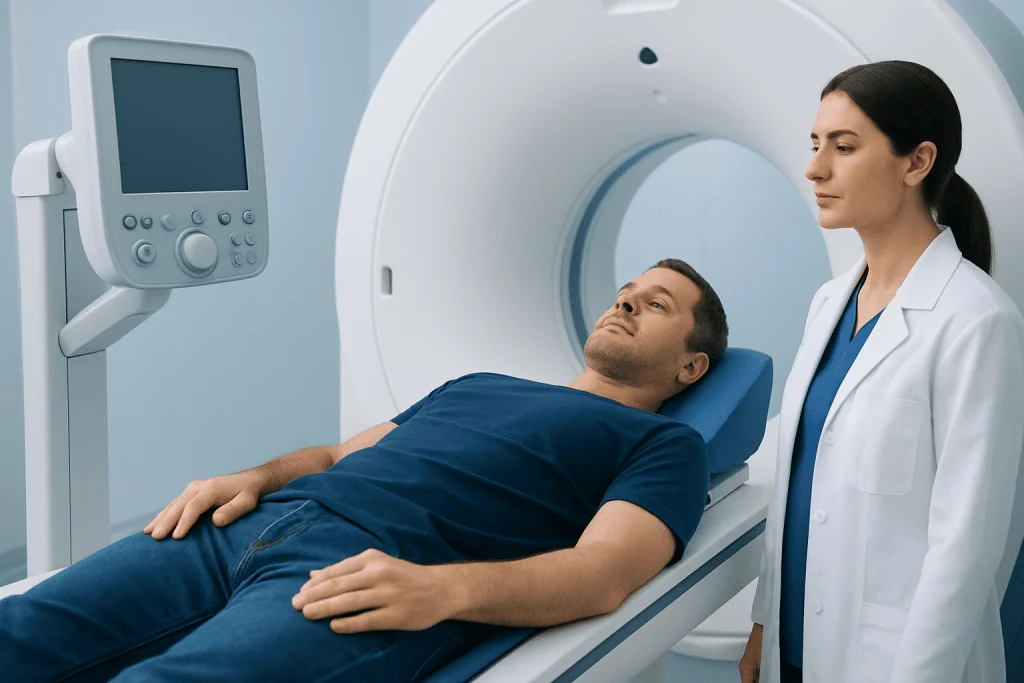
Pain is the most common symptom of bone metastases. It may begin as an intermittent ache and become more constant over time. Pain can be worse at night or with movement, and pain in a weight-bearing bone, such as the hip, pelvis, or thigh, may signal that the bone is under stress. However, not all bone metastases cause pain; some are detected during scans performed for cancer staging or follow-up.
Other symptoms depend on the location of the affected bone. Metastases in the spine may cause back or neck pain. If a tumor presses on the spinal cord or nerve roots, symptoms can include numbness, tingling, weakness in the arms or legs, difficulty walking, or problems with bladder or bowel control. These symptoms require urgent medical assessment because early treatment can help protect nerve function.
Bone metastases can also lead to complications such as pathological fractures, which are breaks that occur in weakened bone after minimal trauma or normal daily activity. In some cases, bone breakdown releases too much calcium into the blood, called hypercalcemia. Possible symptoms include thirst, frequent urination, constipation, nausea, fatigue, confusion, or sleepiness. These symptoms can have many causes, but in a person with cancer they should be reported promptly.
Causes and Risk Factors

Bone metastases develop through a complex process in which cancer cells leave the original tumor, enter the blood or lymphatic system, survive circulation, and attach to bone marrow or bone surfaces. Not every cancer has the same tendency to spread to bone. Breast and prostate cancers are among the cancers most commonly associated with bone metastases, but lung, kidney, thyroid, bladder, melanoma, and some gastrointestinal cancers can also spread to the skeleton.
Risk depends on the type and stage of cancer, its biology, previous treatment response, and where cancer cells have already spread. Some cancers are more likely to create osteolytic lesions, which break down bone, while others are more likely to create osteoblastic lesions, which stimulate abnormal bone formation. Mixed patterns can also occur. Both types may cause pain and increase fracture risk, even though they look different on imaging.
Having bone metastases is not caused by exercise, lifting objects, or routine daily movement. However, once a bone is weakened, certain activities may need to be modified to reduce stress on that area. A person’s care team can help estimate risk and provide safe guidance on movement, walking aids, bracing, or referral to an orthopedic specialist when needed.
Diagnosis and Assessment
Diagnosis begins with a careful medical history, physical examination, review of the person’s cancer history, and assessment of symptoms. Doctors ask where the pain is located, how long it has been present, what makes it better or worse, and whether there are neurological symptoms or signs of fracture. Blood tests may be used to check calcium levels, kidney function, blood counts, liver function, and cancer markers when relevant to the cancer type.
Imaging is central to diagnosis and treatment planning. X-rays can show some bone damage and are useful when fracture is suspected, but early lesions may not always be visible. CT scans provide detailed bone structure. MRI is especially helpful for the spine, nerves, bone marrow, and soft tissues. Bone scans, PET-CT, and other nuclear medicine tests can assess multiple areas of the skeleton and help evaluate the extent of disease.
Sometimes a biopsy is needed, especially if the diagnosis is uncertain, if bone disease appears before the primary cancer is known, or if doctors need additional tissue testing to guide treatment. Fracture risk may be assessed using imaging features, pain pattern, the amount of bone involved, and the location. A painful lesion in the femur or hip may be evaluated differently from a small lesion in a rib because the consequences of fracture are different.
Treatment Options for Bone Metastases
Treatment is individualized. It depends on the cancer type, number and location of bone metastases, symptoms, general health, previous treatments, life expectancy, and personal goals. Many people receive a combination of local treatments for specific bone areas and systemic treatments that act throughout the body.
Local treatments include external beam radiotherapy, which is commonly used to reduce pain and control a bone lesion in a focused area. Pain relief may develop gradually over days to weeks. In selected cases, stereotactic radiotherapy may be considered for precise treatment of limited lesions, especially in the spine, depending on tumor type and safety considerations. Surgery may be recommended to stabilize a bone at high risk of fracture, repair a fracture, or relieve pressure on the spinal cord. Procedures such as vertebroplasty, kyphoplasty, ablation, or cementoplasty may be appropriate for some patients, depending on anatomy and goals.
Systemic cancer treatments may include hormone therapy, chemotherapy, targeted therapy, immunotherapy, radiopharmaceuticals, or combinations, depending on the primary cancer and molecular testing. These treatments may help control cancer activity in bone and elsewhere in the body. Bone-modifying medicines, such as bisphosphonates or denosumab, may be used to reduce skeletal complications in appropriate patients. They require medical monitoring, including attention to kidney function, calcium and vitamin D status, dental health, and rare but important side effects affecting the jaw or thigh bone.
Pain Control, Fracture Prevention, and Rehabilitation
Pain from bone metastases can often be managed effectively with a planned, stepwise approach. Doctors may recommend medicines such as paracetamol or acetaminophen, nonsteroidal anti-inflammatory drugs when safe, opioid medicines for stronger pain, corticosteroids in selected situations, or medicines for nerve-related pain. The best plan depends on pain severity, kidney and liver function, bleeding risk, other medicines, and personal tolerance. People should avoid changing doses or combining pain medicines without medical advice.
Fracture prevention is a key part of supportive care. If imaging suggests that a bone is structurally weak, the team may recommend limiting high-impact activity, using a cane or walker, avoiding twisting or heavy lifting, wearing a brace, or considering preventive surgery. Stabilizing a high-risk bone before it breaks may sometimes support mobility and reduce pain, but the decision is individual and made after careful orthopedic and oncology review.
Rehabilitation helps many people maintain independence. Physiotherapists can teach safe strengthening, balance exercises, transfer techniques, and ways to move without overloading vulnerable bones. Occupational therapists may suggest home adaptations, bathroom safety measures, and energy-saving strategies. Nutrition support, adequate hydration, sleep care, and emotional support also matter, because persistent pain and reduced mobility can affect mood, appetite, and daily confidence.
Prevention and Self-Care During Treatment
There is no guaranteed way to prevent bone metastases once cancer has developed, but good cancer control and regular follow-up can help detect problems early. People with cancers known to spread to bone should report new bone pain rather than waiting for the next appointment. Early evaluation can identify whether pain is due to metastasis, arthritis, injury, treatment effects, or another cause.
Self-care focuses on safety and comfort. Patients are usually encouraged to stay as active as safely possible, because complete inactivity can worsen muscle weakness, balance, fatigue, and bone health. Low-impact movement, supervised exercise, and gentle stretching may be useful when approved by the care team. Smoking cessation, limiting alcohol, fall prevention, appropriate calcium and vitamin D guidance, and good dental care are also important, especially for those receiving bone-modifying medicines.
Practical steps can reduce fall risk at home: remove loose rugs, improve lighting, use non-slip mats, keep walkways clear, and wear supportive shoes. Patients should ask before starting supplements, herbal products, or intensive exercise programs, because some may interfere with cancer treatment or be unsafe in the setting of weak bones, kidney problems, or high calcium levels.
When to See a Doctor
A person with a current or past cancer diagnosis should contact a doctor for new, persistent, or worsening bone pain, especially pain that wakes them at night, occurs at rest, or is worse with standing or walking. Prompt evaluation is also important after a fall or minor injury if pain is severe or the person cannot bear weight normally.
Urgent medical attention is needed for possible spinal cord compression symptoms, including new leg or arm weakness, numbness, difficulty walking, loss of balance, or new bladder or bowel control problems. Symptoms of high calcium, such as confusion, severe fatigue, dehydration, nausea, constipation, or frequent urination, should also be assessed quickly. These complications are treatable, and earlier care can make treatment more effective.
People diagnosed with bone metastases benefit from care that is coordinated across specialties. Acibadem International’s multidisciplinary specialists and JCI-accredited hospitals diagnose and treat bone metastases for international patients, including imaging, oncology treatment, pain care, orthopedic assessment, and rehabilitation planning. Patients should discuss their individual diagnosis, treatment choices, travel safety, and follow-up needs with a qualified medical team.
Frequently asked questions
Are bone metastases the same as bone cancer?
No. Bone metastases are cancer cells that started in another organ and spread to the bone. Primary bone cancer begins in bone tissue itself, and it is treated differently.
What does pain from bone metastases feel like?
It may feel like a deep ache, sharp pain, or pain that worsens with movement or weight-bearing. Some people notice pain at night or at rest. Any new or persistent bone pain in a person with cancer should be discussed with a doctor.
Can bone metastases cause fractures?
Yes, some bone metastases weaken the structure of bone and increase the risk of a pathological fracture. The risk depends on the bone involved, the size and pattern of the lesion, pain symptoms, and overall health. Doctors may recommend imaging, activity changes, bracing, radiotherapy, medicines, or surgery to reduce risk.
Can radiotherapy help bone metastasis pain?
Radiotherapy is commonly used to relieve pain from a specific bone metastasis and to help control local tumor activity. Pain relief may not be immediate and can develop over several days or weeks. The schedule and technique depend on the location, previous treatments, and treatment goals.
What are bone-strengthening medicines?
Bone-modifying medicines, such as bisphosphonates or denosumab, may reduce the risk of skeletal complications in selected patients with bone metastases. They are prescribed and monitored by doctors because they can affect calcium levels, kidney function, and, rarely, jaw or thigh bone health. A dental check is often recommended before or during treatment.
Is exercise safe with bone metastases?
Exercise can be helpful, but it must be adapted to the person’s fracture risk and symptoms. Low-impact activity and supervised rehabilitation are often safer than high-impact or twisting movements. Patients should ask their oncology or rehabilitation team which activities are appropriate for their specific bone lesions.
When is bone metastasis an emergency?
Possible emergencies include symptoms of spinal cord compression, such as new weakness, numbness, trouble walking, or bladder and bowel changes. Severe pain after minor trauma, inability to bear weight, confusion, dehydration, or symptoms of high calcium also require prompt medical attention.
References
- American Cancer Society
- National Cancer Institute
- European Society for Medical Oncology
- American Society of Clinical Oncology
- National Comprehensive Cancer Network
This article is for general information only and is not a substitute for professional medical advice. Please consult a qualified doctor about your individual situation.
Joint and spine care in Turkey — expert assessment & treatment
JCI-accredited · board-certified surgeons · reply within 24h
Add us as a Preferred Source to see more of our trusted health content across Google Search, AI Overviews and Discover.

More from the Health Library



Related Specialists

Dr. Sadettin Dolar
Internal Medicine
Dr. Ülkü Tuba Parlakkılıç
Breast Clinic Clinical Service
Dr. Mustafa Engin Çakmakçı
Otorhinolaryngology
Dr. Mehtap Selçuk
Anesthesiology