

Botox Lip Flip: A Complete Medical Overview

A botox lip flip creates a subtle upper-lip enhancement by relaxing specific muscles, not by adding filler volume. Results are temporary and usually appear gradually over several days.
Key Takeaways
- A botox lip flip creates a subtle upper-lip enhancement by relaxing specific muscles, not by adding filler volume.
- Results are temporary and usually appear gradually over several days.
- The procedure may be suitable for people who want a modest change or wish to reduce a gummy smile.
- Possible side effects include bruising, swelling, asymmetry, and temporary changes in speech or drinking from a straw.
- An experienced medical professional should assess facial anatomy, expectations, and safety before treatment.
A botox lip flip is a minimally invasive cosmetic procedure that uses small amounts of botulinum toxin to relax the muscles around the upper lip, allowing it to roll slightly outward. It can create a subtle enhancement rather than true volume, so understanding how it works, who it suits, and its limits is important before treatment.
Overview: what a botox lip flip does
A botox lip flip is a cosmetic injection procedure that uses botulinum toxin to relax the orbicularis oris muscle around the mouth, most often at the upper lip. When this muscle relaxes slightly, the upper lip can turn outward or “flip” a little, making more of the pink lip show. The effect is usually subtle and is different from lip filler, which adds volume directly into the lips.
People often ask whether a botox lip flip makes the lips bigger. In medical terms, it does not truly enlarge the lips. Instead, it changes how the upper lip sits at rest and during smiling. This can make the lip appear a little fuller and may also reduce the amount of gum visible in some smiles.
This treatment is usually quick and does not involve surgery. However, it is still a medical procedure that affects muscle movement, so careful assessment matters. A qualified clinician should review facial anatomy, muscle function, prior cosmetic procedures, allergies, medications, and overall health before deciding whether a lip flip is appropriate.
Who may consider a botox lip flip
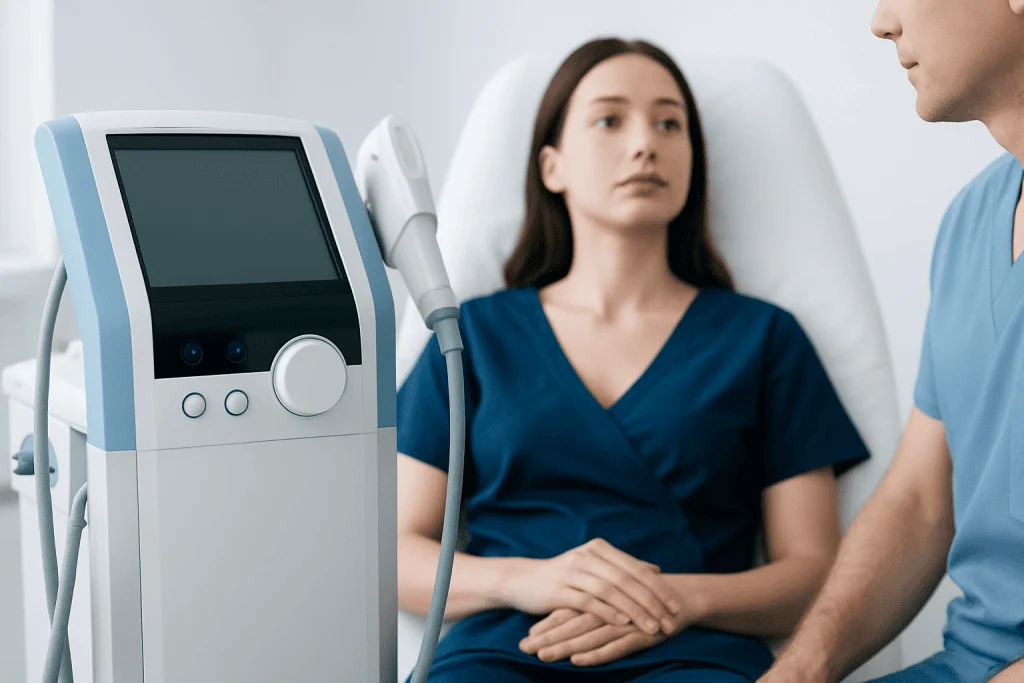
A botox lip flip may be considered by adults who want a very modest change in lip appearance without adding filler volume. It is often discussed by people whose upper lip seems to disappear when they smile, or by those who would like softer upper-lip movement with a slight outward roll.
Some people choose this procedure if they are unsure whether they want lip filler, or if they prefer a less dramatic result. It can also be considered in selected cases of a gummy smile, depending on which muscles are contributing to gum show. In that setting, the treatment plan should be individualized, because not all gummy smiles have the same cause.
A lip flip is not ideal for everyone. People who want a clearly fuller lip shape, more definition, or longer-lasting volume may need a different approach, such as lip filler treatment. Those with certain neuromuscular disorders, active infection near the injection area, pregnancy-related concerns, or a history of adverse reactions to botulinum toxin should discuss alternatives with a doctor.
How the procedure is performed and what to expect

During a botox lip flip, a clinician injects very small amounts of botulinum toxin into targeted points around the upper lip, and sometimes near the corners of the mouth depending on the goal. The appointment is usually brief. Most people describe the injections as quick pinches, and numbing is not always necessary, although comfort measures may be offered.
After treatment, patients can usually return to normal daily activities soon, but they are commonly advised to follow aftercare instructions carefully. This may include avoiding rubbing the treated area, strenuous exercise for a short period, or lying flat immediately after treatment if the clinician recommends it. Specific advice can vary based on the product used and the injector’s technique.
The result does not appear immediately. The effect typically develops gradually over several days as the muscle relaxes. Because the upper lip muscle helps with speech, sipping, whistling, and some facial expressions, patients should understand that even a well-done treatment can temporarily change these functions slightly while the result settles.
Results, duration, and how it differs from lip fillers
The main benefit of a botox lip flip is subtlety. The upper lip may appear more visible, especially when smiling, and some patients like the softer, less tense look this can create. The treatment may also help in carefully selected cases where upper-lip muscle activity contributes to excessive gum show. However, the effect is generally modest and should not be expected to reshape the lips dramatically.
Results are temporary because the nerve signals to the treated muscle gradually recover. Many people notice the effect for several weeks to a few months, although exact duration varies by individual metabolism, muscle strength, injection technique, and prior exposure to botulinum toxin. Repeat treatment is usually needed to maintain the look.
It is helpful to compare a lip flip with other aesthetic options. A lip flip changes muscle activity, while fillers add physical volume and contour. In some treatment plans, clinicians may combine approaches, such as Botox treatment for muscle relaxation and dermal fillers for shape or fullness. The safest and most natural plan depends on facial balance, anatomy, and personal goals.
Risks, side effects, and limitations
Like any injection procedure, a botox lip flip can cause mild and temporary side effects. These may include redness, tenderness, swelling, bruising, or a small amount of discomfort at the injection site. These effects are usually short-lived. Less commonly, patients may notice asymmetry or that the result is weaker or stronger than expected.
Because the treatment intentionally relaxes a muscle involved in lip movement, temporary functional changes can occur. Some people notice mild difficulty drinking from a straw, pronouncing certain words clearly, spitting while brushing teeth, or controlling the upper lip in a familiar way. These changes are typically temporary, but they can feel noticeable, especially in the first days or weeks after treatment.
Rare but important risks include unwanted spread of the toxin effect, infection, allergic reaction, or significant asymmetry. The chance of complications is lower when injections are performed by trained medical professionals who understand perioral anatomy. A lip flip also has limitations: it cannot replace surgery, dental treatment, or other facial procedures when the underlying issue is different, such as marked lip volume loss, bite alignment problems, or certain causes of a gummy smile.
Who should avoid treatment or have extra caution
Not everyone is a suitable candidate for a botox lip flip. Extra caution is needed in people with neuromuscular conditions, swallowing difficulties, certain breathing disorders, active cold sores or skin infections around the mouth, or known hypersensitivity to ingredients in the injection product. A full medical history helps identify concerns before treatment.
Patients should also tell the clinician about all medicines and supplements they use, especially blood thinners or products that may increase bruising risk. Prior facial procedures, recent dental work, and previous botulinum toxin treatments are also relevant, because they may affect planning and results. If there is a history of facial asymmetry or scarring, this should be discussed during assessment.
Expectation-setting is especially important. Someone hoping for a larger, more projected lip may be disappointed by a lip flip alone. In those cases, a clinician may recommend a different option or no treatment at all. A conservative, anatomy-based approach is generally safer and more likely to produce a natural-looking result.
Aftercare, follow-up, and when to seek medical care
Aftercare following a botox lip flip is usually simple, but it matters. Patients should follow the treating clinician’s instructions closely. The lips and surrounding area should be handled gently, and any unusual or persistent symptoms should be reported. It is also sensible to wait for the final result to develop before judging symmetry or deciding on any touch-up.
A follow-up visit may be recommended to assess the outcome once the treatment has settled. During this review, the clinician can check whether the result matches the original plan and whether any adjustments are appropriate. In centers with aesthetic, dermatology, and plastic surgery expertise, including Acibadem International’s multidisciplinary specialists in JCI-accredited hospitals, patients can be assessed for both non-surgical and procedural options when a lip flip may not be the best fit.
Medical care should be sought promptly if there is severe swelling, increasing pain, spreading redness, fever, trouble swallowing, breathing difficulty, marked drooling, significant weakness in nearby facial muscles, or signs of an allergic reaction. Anyone with concerns about a cosmetic outcome that seems unusual or worsening should contact a qualified doctor rather than trying to manage it alone.
Frequently asked questions
Is a botox lip flip the same as lip filler?
No. A botox lip flip relaxes the muscle around the upper lip so it rolls slightly outward, while lip filler adds volume directly into the lips. A lip flip usually gives a subtler result than filler.
How long does a botox lip flip last?
The result is temporary and often lasts for several weeks to a few months, depending on the individual and the treatment plan. Muscle activity gradually returns as the effect of botulinum toxin wears off.
Does a botox lip flip hurt?
Most people describe the injections as brief pinches rather than significant pain. The procedure is usually quick, and discomfort tends to be mild and short-lived.
Can a botox lip flip fix a gummy smile?
It may help in some cases if upper-lip muscle activity is a main reason the gums show when smiling. However, gummy smile causes vary, so a proper assessment is needed to determine whether this treatment is suitable.
What are the most common side effects of a botox lip flip?
Common side effects include mild swelling, bruising, redness, and tenderness at the injection sites. Some people also notice temporary changes in lip movement, such as difficulty using a straw or pronouncing certain sounds.
Who should not get a botox lip flip?
People with certain neuromuscular disorders, active infection around the mouth, known allergy to the product, or other relevant medical concerns may need to avoid it. A doctor should review medical history, medications, and treatment goals before proceeding.
References
- American Society of Plastic Surgeons
- American Academy of Dermatology
- U.S. Food and Drug Administration
- National Health Service
- Mayo Clinic
This article is for general information only and is not a substitute for professional medical advice. Please consult a qualified doctor about your individual situation.
Explore treatments in Turkey — costs, top hospitals & a free quote
JCI-accredited · board-certified surgeons · reply within 24h
Add us as a Preferred Source to see more of our trusted health content across Google Search, AI Overviews and Discover.

More from the Health Library

Clitor Big: A Complete Medical Overview

Photos of Skin Irritations: What Patients Need to Know

Hallux Limitus: An Evidence-Based Guide for Patients

Pumpkin — Explained by Medical Evidence, Not Myths

Heberden’s Nodes: An Evidence-Based Guide for Patients

Clover Honey: A Complete Medical Overview
Aesthetic Plastic & Reconstructive Surgery Specialists at Acibadem

Prof. Dr. Mehmet Veli Karaaltın
Aesthetic Plastic & Reconstructive Surgery
Dr. Mithat Ulay
Aesthetic Plastic & Reconstructive Surgery
Dr. Münür Selçuk Kendir
Aesthetic Plastic & Reconstructive Surgery
Dr. Mustafa Mert Okumuş (m)
Aesthetic Plastic & Reconstructive Surgery