Brachiocephalic Artery: An Evidence-Based Guide for Patients

The brachiocephalic artery is the first branch of the aortic arch and divides into the right common carotid and right subclavian arteries. Its main role is to supply blood to the right arm and the right side of the brain, head, and neck.
Key Takeaways
- The brachiocephalic artery is the first branch of the aortic arch and divides into the right common carotid and right subclavian arteries.
- Its main role is to supply blood to the right arm and the right side of the brain, head, and neck.
- Problems may include narrowing, blockage, aneurysm, inflammation, injury, or compression, though these are less common than disease in some other arteries.
- Symptoms depend on whether blood flow to the arm or brain is affected and may include arm fatigue, dizziness, or stroke-like symptoms.
- Diagnosis often relies on ultrasound, CT angiography, MR angiography, or catheter angiography.
- Treatment ranges from monitoring and risk-factor control to medication, endovascular procedures, or surgery.
The brachiocephalic artery, also called the brachiocephalic trunk, is a large blood vessel that carries oxygen-rich blood from the heart to the right side of the head and neck and the right arm. Most people never notice it unless imaging is done or a vascular condition affects blood flow, and when problems do occur, they can usually be assessed with modern imaging and managed according to the cause.
Overview: What the brachiocephalic artery is and why it matters
The brachiocephalic artery is the first major branch that comes off the aortic arch, the curved part of the body’s main artery just above the heart. It is also called the brachiocephalic trunk or innominate artery. After a short course in the chest, it divides into two important arteries: the right common carotid artery, which helps supply the right side of the head and brain, and the right subclavian artery, which supplies the right arm.
In simple terms, the brachiocephalic artery acts as a central pathway for oxygen-rich blood traveling from the heart to the upper right side of the body. Because of this role, changes in the artery can affect circulation to the arm, neck, and brain. Although many people are unfamiliar with its name, it is a standard part of cardiovascular anatomy and a vessel doctors assess when symptoms suggest reduced blood flow.
Unlike some health information that focuses only on rare emergencies, it helps patients to understand that most concerns involving the brachiocephalic artery are investigated step by step. Some findings are discovered incidentally on imaging done for another reason, while others come to attention because of symptoms such as arm weakness with activity, dizziness, or neurologic symptoms. The meaning of a finding depends on the person’s overall health, age, risk factors, and imaging results.
Anatomy and function
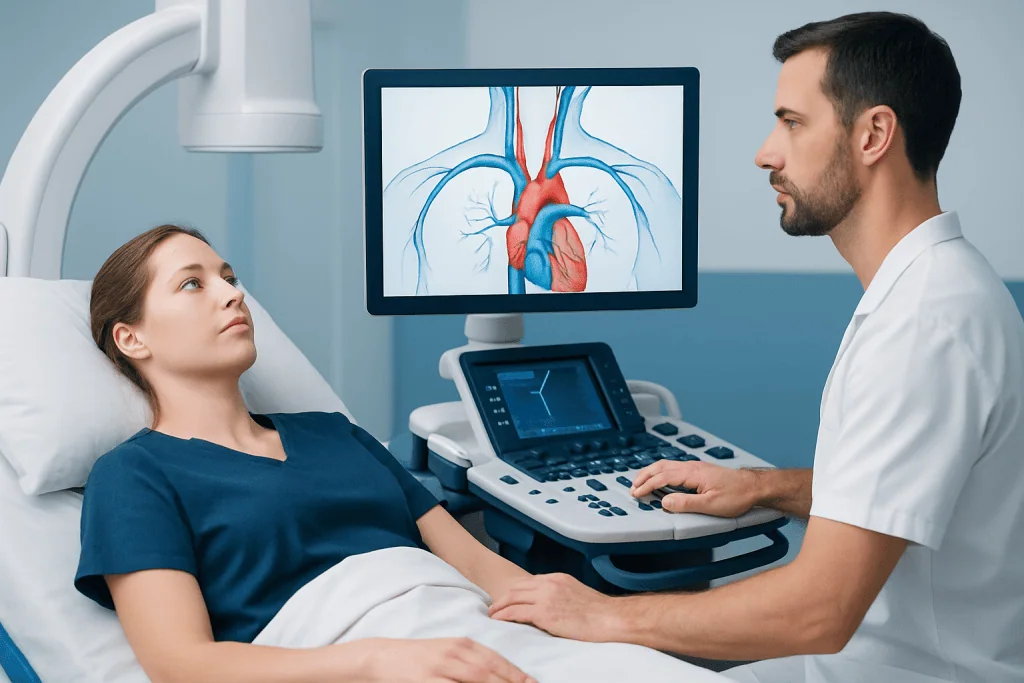
The brachiocephalic artery begins at the aortic arch in the chest. It travels upward and to the right, behind the upper part of the breastbone, before splitting into the right common carotid and right subclavian arteries near the right sternoclavicular joint. This arrangement differs from the left side, where the left common carotid and left subclavian arteries arise separately from the aortic arch.
Its main function is to deliver steady blood flow from the heart to tissues that need a reliable oxygen supply. These include the brain, face, neck muscles, thyroid region, shoulder, and right upper limb. Any reduction in flow can therefore affect either the right arm, the brain, or both, depending on the location and severity of the problem.
Doctors sometimes mention the brachiocephalic artery when discussing circulation patterns, blood pressure differences between arms, or findings on scans of the chest and neck. Understanding this vessel can also help patients make sense of related terms such as carotid artery disease, subclavian artery disease, and aortic arch abnormalities. Because the artery is close to other major structures in the chest, its evaluation may involve both vascular and cardiothoracic expertise.
Possible problems and symptoms

Several conditions can affect the brachiocephalic artery. These include atherosclerotic narrowing, complete blockage, aneurysm (an abnormal bulge in the artery wall), inflammation from vasculitis, congenital anatomic variation, and less commonly traumatic injury or external compression. Not every abnormality causes symptoms. Some changes are mild and are found only during imaging performed for another condition.
When symptoms do occur, they usually relate to reduced blood flow to the right arm or the brain. A person may notice arm fatigue, aching, heaviness, or weakness during use of the right arm. Neurologic symptoms can include dizziness, lightheadedness, visual changes, brief episodes of weakness, trouble speaking, or fainting. In some cases, symptoms are linked to altered blood flow patterns that affect circulation to the brain during arm activity.
An aneurysm of the brachiocephalic artery may remain silent for a long time, but if it enlarges it can sometimes cause pressure-related symptoms such as cough, hoarseness, trouble swallowing, or chest discomfort. More urgent symptoms, such as sudden severe neurologic changes, severe chest pain, or signs of stroke, require prompt evaluation. Related vascular conditions may also coexist, including carotid artery disease or disease involving the aorta and other branches.
- Right arm pain, fatigue, or coolness
- Dizziness or fainting, especially with arm activity
- Brief stroke-like symptoms or transient weakness
- Differences in blood pressure between arms
- Hoarseness, swallowing difficulty, or chest discomfort in some aneurysms
Causes and risk factors
The most common cause of brachiocephalic artery disease in adults is atherosclerosis, a process in which fatty deposits and inflammation gradually narrow the artery. The same risk factors that affect other blood vessels also matter here. These include smoking, high blood pressure, high cholesterol, diabetes, older age, kidney disease, and a personal or family history of cardiovascular disease.
Not all brachiocephalic artery problems are caused by plaque buildup. Some are related to inflammatory disorders such as large-vessel vasculitis, connective tissue disorders that weaken artery walls, or structural abnormalities present from birth. Trauma to the chest or neck, prior radiation therapy, and previous vascular surgery can also affect the vessel in certain situations.
Risk is best understood in context. For one patient, the concern may be long-term artery narrowing linked to atherosclerosis. For another, the issue may be an aneurysm seen incidentally on imaging or a complex aortic arch problem evaluated by specialists. Doctors often look at the brachiocephalic artery as part of a wider vascular picture that may include the aorta, carotid arteries, and arm arteries.
How doctors diagnose brachiocephalic artery conditions
Diagnosis starts with a careful medical history and physical examination. A doctor may ask about neurologic symptoms, arm symptoms during exercise, prior heart or vascular disease, and stroke risk factors. During the examination, they may compare blood pressure in both arms, feel pulses, and listen for a bruit, an abnormal sound made by turbulent blood flow.
Imaging is usually needed to confirm the diagnosis and understand the anatomy. Duplex ultrasound can be useful in some patients, especially when evaluating blood flow patterns in nearby arteries. CT angiography and MR angiography often provide a clearer picture of the brachiocephalic artery itself, showing narrowing, blockage, aneurysm, or anatomic variants. In selected cases, catheter angiography is used when a highly detailed map is needed or when treatment may be performed during the same procedure.
The goal of testing is not only to identify whether the artery is abnormal, but also to determine whether that abnormality is causing symptoms and whether it changes stroke risk or arm circulation. Doctors may also order blood tests to assess cholesterol, diabetes, kidney function, or inflammation. If the broader vascular system is involved, related evaluation for aortic aneurysm or other arterial disease may be appropriate.
Treatment options
Treatment depends on the specific problem, its severity, and whether it is causing symptoms. Mild, asymptomatic disease may be managed with monitoring and control of cardiovascular risk factors. This usually includes careful management of blood pressure, cholesterol, blood sugar, and smoking cessation. Depending on the diagnosis, a doctor may also recommend medications such as antiplatelet therapy or other drugs used in vascular disease management.
When blood flow is significantly reduced or when symptoms suggest risk to the brain or arm, a procedure may be needed. Endovascular treatment can include angioplasty and stenting to widen a narrowed vessel from inside the artery. In other cases, open surgical repair or bypass is more suitable, especially for certain aneurysms, complex anatomy, or lesions that are not ideal for stenting. These decisions are individualized and usually made by vascular specialists after detailed imaging review.
Because the brachiocephalic artery is close to the aortic arch and the carotid circulation, treatment planning may involve several specialties, including vascular surgery, interventional radiology, and cardiology. Natural related care pathways may include angiography for detailed vessel assessment, carotid endarterectomy when nearby carotid disease also needs treatment, or aortic aneurysm surgery if the aorta and its branches are involved. The main aim is to restore safe blood flow while minimizing procedure-related risk.
Prevention and self-care
There is no guaranteed way to prevent every brachiocephalic artery problem, but many vascular conditions become less likely when cardiovascular risk factors are well controlled. Not smoking is one of the most important steps. Regular follow-up for blood pressure, cholesterol, diabetes, and kidney health also supports healthier arteries over time.
Daily habits matter. A heart-healthy eating pattern, regular physical activity within a doctor’s advice, maintaining a healthy weight, and taking prescribed medicines consistently can all help reduce progression of atherosclerosis. People with known vascular disease should not stop medications on their own, even if symptoms are mild or come and go.
Self-care also includes knowing when symptoms deserve prompt attention. New dizziness, brief weakness, vision changes, or unusual right arm fatigue with use should be discussed with a clinician, especially in someone with cardiovascular risk factors. For international patients who need coordinated evaluation, Acibadem International’s multidisciplinary specialists in JCI-accredited hospitals diagnose and treat complex vascular conditions with individualized planning.
When to seek medical care
Medical review is appropriate if a person has repeated dizziness, brief episodes of weakness, trouble speaking, changes in vision, unexplained differences in arm blood pressure, or right arm pain and fatigue during activity. These symptoms do not always mean a brachiocephalic artery problem, but they do warrant professional evaluation because they can reflect reduced blood flow or another vascular condition.
Urgent care is needed for sudden stroke-like symptoms, severe chest pain, sudden shortness of breath, fainting, or severe new neurologic changes. Emergency assessment is also important if a known aneurysm is associated with sudden worsening symptoms. Timely evaluation helps doctors identify whether the issue involves the brachiocephalic artery, the carotid circulation, the heart, or another cause altogether.
Even when symptoms are mild, it is safer to seek advice than to wait if they are recurrent or getting worse. A qualified doctor can decide whether simple monitoring is enough or whether imaging and specialist referral are needed. Early assessment often makes treatment planning clearer and more effective.
Frequently asked questions
What is the brachiocephalic artery?
The brachiocephalic artery is a large blood vessel that branches from the aortic arch. It carries oxygen-rich blood from the heart and then divides into the right common carotid artery and the right subclavian artery.
Is the brachiocephalic artery the same as the brachiocephalic trunk?
Yes. The terms brachiocephalic artery and brachiocephalic trunk are commonly used to describe the same vessel. Some clinicians also use the older term innominate artery.
Can a brachiocephalic artery problem cause stroke symptoms?
It can, depending on how blood flow to the brain is affected. Reduced flow, plaque, or clot-related problems involving this artery may contribute to transient ischemic symptoms or stroke-like signs, which need prompt medical evaluation.
How is brachiocephalic artery disease found?
Doctors often begin with a history, physical exam, and blood pressure comparison between arms. Imaging such as CT angiography, MR angiography, ultrasound, or catheter angiography is usually needed to confirm the diagnosis and plan treatment.
Does every brachiocephalic artery narrowing need surgery?
No. Some people only need monitoring and medical management of risk factors such as cholesterol, blood pressure, and smoking. Procedures are usually considered when narrowing is significant, symptoms are present, or the anatomy suggests a higher risk of complications.
What are the warning signs that need urgent care?
Sudden weakness, trouble speaking, facial droop, sudden vision changes, fainting, severe chest pain, or sudden severe shortness of breath require immediate medical attention. These symptoms can have several causes, but urgent assessment is important.
This article is for general information only and is not a substitute for professional medical advice. Please consult a qualified doctor about your individual situation.
Explore treatments in Turkey — costs, top hospitals & a free quote
JCI-accredited · board-certified surgeons · reply within 24h
Add us as a Preferred Source to see more of our trusted health content across Google Search, AI Overviews and Discover.
Check your numbers in seconds
BMI, calories, due date, blood pressure and 30+ more clinical calculators — free, instant, doctor-reviewed ranges.

More from the Health Library

Mental Dullness in the Face of Stressors: What Patients Need to Know

Bartonella: What Patients Need to Know

Anaerobic Exercise: What Patients Need to Know

Propafenone — Explained by Medical Evidence, Not Myths

Infected Wound: What Patients Need to Know