Dyspnea: A Complete Medical Overview

Dyspnea means shortness of breath and is a symptom rather than a diagnosis. Common causes include asthma, infections, chronic lung disease, heart problems, anemia, and anxiety.
Key Takeaways
- Dyspnea means shortness of breath and is a symptom rather than a diagnosis.
- Common causes include asthma, infections, chronic lung disease, heart problems, anemia, and anxiety.
- Sudden, severe, or worsening dyspnea needs urgent medical attention, especially with chest pain or bluish lips.
- Diagnosis usually combines medical history, examination, oxygen measurement, and selected tests such as imaging or lung function tests.
- Treatment focuses on the underlying cause and may include inhaled medicines, oxygen, cardiac care, pulmonary rehabilitation, or lifestyle support.
Dyspnea is the medical term for shortness of breath, a symptom that can feel like tightness in the chest, air hunger, or difficulty getting enough air. It has many possible causes, from temporary exertion to heart or lung disease, so assessment depends on how suddenly it starts, how severe it is, and what other symptoms occur with it.
Overview
Dyspnea is the medical term for shortness of breath. People describe it in different ways, such as feeling unable to take a deep breath, breathing harder than usual, chest tightness, or a sense of not getting enough air. The sensation can come on suddenly or develop gradually over time.
Importantly, dyspnea is a symptom, not a disease itself. It may happen during exercise, at rest, when lying flat, or in specific environments such as cold air or places with allergens. Some episodes are brief and harmless, while others point to a condition affecting the lungs, heart, blood, metabolism, or even emotional stress responses.
Doctors usually assess dyspnea by looking at the whole pattern: when it started, what triggers it, how long it lasts, and what symptoms happen alongside it. This broader view helps separate common causes such as asthma or infection from more urgent problems such as pulmonary embolism, heart failure, or severe allergic reactions.
How Dyspnea Feels and Common Symptoms
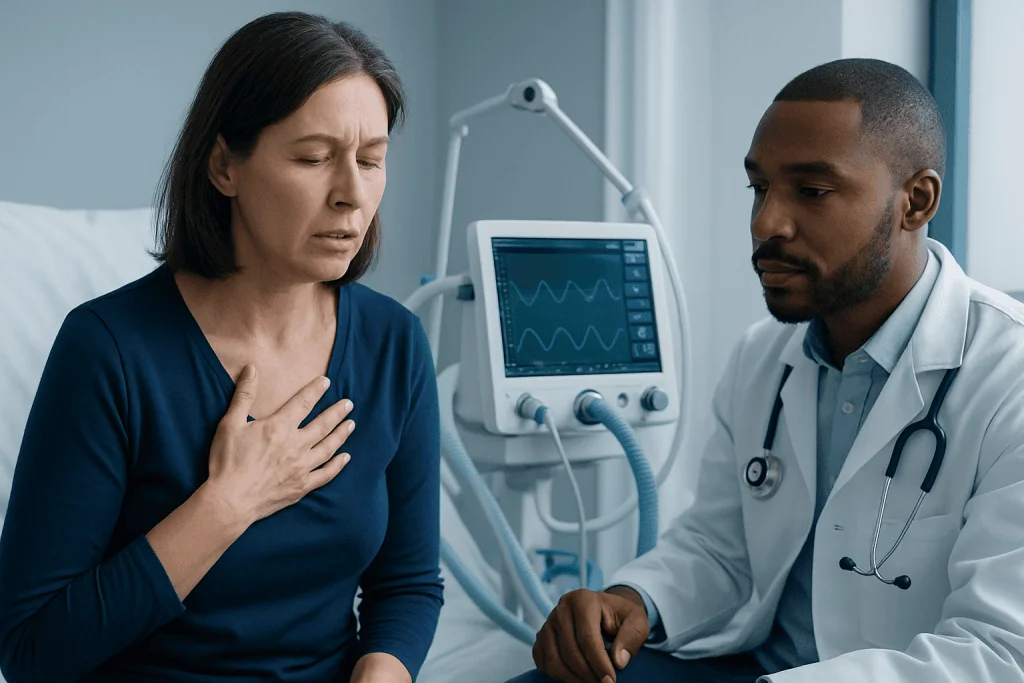
Dyspnea can feel different from person to person. Some feel they cannot inhale fully, while others feel they are working harder to breathe or breathing too fast. The experience may be mild and noticeable only with activity, or it may interfere with normal conversation, walking, or sleep.
Symptoms that may occur with dyspnea include wheezing, cough, chest discomfort, fatigue, palpitations, dizziness, or swelling in the legs. In some conditions, shortness of breath becomes more noticeable when lying flat or during the night. In others, it appears mainly during exercise or after exposure to smoke, dust, pollen, or respiratory infections.
Doctors often classify dyspnea by timing and context:
- Acute dyspnea: develops over minutes to hours, often with infections, asthma attacks, allergic reactions, blood clots, or cardiac events.
- Chronic dyspnea: lasts weeks or longer, commonly seen with asthma, chronic obstructive pulmonary disease, heart disease, anemia, obesity, or deconditioning.
- Exertional dyspnea: happens mainly with physical activity and may reflect reduced fitness, lung disease, heart disease, or anemia.
Because dyspnea is subjective, even mild symptoms deserve attention if they are new, worsening, or different from a person’s usual breathing pattern.
Causes and Risk Factors

Many cases of dyspnea come from the respiratory or cardiovascular systems. Lung-related causes include asthma, pneumonia, chronic obstructive pulmonary disease, interstitial lung disease, pleural effusion, and pneumothorax. Heart-related causes include heart failure, rhythm disturbances, valve disease, or reduced blood flow to the heart. A sudden blockage in a lung artery, called pulmonary embolism, is another important cause that needs urgent assessment.
Other causes are also possible. Low red blood cell levels can reduce oxygen delivery and lead to breathlessness. Anxiety or panic may trigger a real sensation of air hunger, often with chest tightness or rapid breathing. Obesity, poor physical conditioning, acid reflux with aspiration, pregnancy, high altitude, and certain medications can also contribute. In some patients, more than one factor is involved at the same time.
Risk factors depend on the underlying condition but commonly include smoking, air pollution exposure, chronic heart or lung disease, recent surgery or immobility, older age, respiratory infections, and a personal or family history of allergies or asthma. People with known asthma or chronic obstructive pulmonary disease may notice dyspnea flare during illness, exercise, or irritant exposure.
Clinicians also pay attention to patterns that suggest a specific cause. Wheezing may suggest narrowed airways, leg swelling can point toward heart failure, fever and cough may indicate infection, and symptoms that start after travel or prolonged inactivity can raise concern for a blood clot.
How Doctors Diagnose Dyspnea
Diagnosis starts with a careful history and physical examination. A doctor will ask when the shortness of breath began, whether it started suddenly or gradually, what makes it better or worse, and whether there are related symptoms such as chest pain, fever, cough, fainting, or leg swelling. Past medical conditions, smoking history, medications, and recent travel or surgery can provide important clues.
The physical exam often includes measuring breathing rate, heart rate, blood pressure, temperature, and oxygen saturation. Listening to the lungs and heart may reveal wheezing, crackles, fluid overload, or abnormal rhythms. If the person appears distressed, bluish, or confused, urgent treatment and rapid testing may begin right away.
Tests are selected based on the likely cause rather than used all at once for everyone. Common investigations may include blood tests, chest X-ray, electrocardiogram, echocardiography, pulmonary function testing, or advanced imaging such as CT scanning when needed. In some patients, a doctor may recommend exercise testing or a comprehensive check-up to evaluate persistent or unexplained symptoms.
The goal is not only to confirm a diagnosis but also to identify severity and immediate risk. This is especially important when dyspnea is sudden, severe, or associated with low oxygen levels, chest pain, or reduced consciousness.
Treatment Options
Treatment for dyspnea depends entirely on the cause. If the problem is asthma or another airway condition, inhaled medications may help open the airways and reduce inflammation. If there is an infection, treatment may focus on supportive care and, in some cases, prescription medicines. For heart-related causes, treatment may include medicines to reduce fluid buildup, improve heart function, or control rhythm problems.
Some people need oxygen therapy if blood oxygen levels are low. Others benefit from pulmonary rehabilitation, breathing retraining, or supervised exercise programs that improve stamina and reduce the sensation of breathlessness over time. When anxiety contributes to symptoms, reassurance, breathing techniques, and mental health support can be valuable alongside medical evaluation to rule out physical causes.
For persistent or advanced lung disease, specialist care may include targeted procedures and long-term planning. Evaluation by a respiratory team can be helpful for patients who may need bronchoscopy or structured rehabilitation and monitoring through pulmonary rehabilitation. Treatment is most effective when it addresses both the underlying condition and the person’s day-to-day limitations.
Self-treatment without assessment is not always safe, especially if symptoms are new or unexplained. Sudden breathlessness, rapidly worsening symptoms, or difficulty speaking in full sentences should be assessed promptly by a qualified doctor.
Prevention and Self-care
Prevention focuses on reducing triggers and managing underlying health conditions well. People who smoke can lower their risk of chronic breathlessness by stopping smoking and avoiding secondhand smoke. For those with asthma, chronic lung disease, or heart disease, following the treatment plan, attending checkups, and recognizing early warning signs may help prevent flare-ups.
General self-care measures can support breathing health. These include staying physically active within safe limits, maintaining a healthy weight, treating allergies when appropriate, reducing exposure to air pollutants, and keeping vaccinations up to date as advised by a doctor. Good hydration and paced activity may also help during recovery from respiratory illnesses.
Breathing strategies can sometimes ease mild breathlessness. Relaxed, controlled breathing, pacing daily tasks, and resting in an upright position may reduce discomfort while awaiting medical advice. However, these measures do not replace evaluation if the cause is unclear.
Near the end of the care journey, some patients benefit from multidisciplinary support. Acibadem International’s specialists in JCI-accredited hospitals diagnose and treat causes of dyspnea for international patients, especially when cardiology, pulmonology, imaging, and rehabilitation need to work together.
When to Seek Medical Care
Medical care is recommended for dyspnea that is new, recurrent, persistent, or interfering with daily life. A doctor should also assess shortness of breath that appears with exercise at a level that was previously well tolerated, wakes a person from sleep, or happens when lying flat. These patterns can suggest an underlying lung or heart problem that deserves attention.
Urgent evaluation is important if dyspnea begins suddenly, becomes severe, or is accompanied by chest pain, fainting, confusion, bluish lips or fingertips, high fever, severe wheezing, or coughing up blood. These symptoms can occur with emergencies such as a severe asthma attack, pneumonia, heart failure, or a blood clot in the lungs.
Even when symptoms are not dramatic, early assessment can be helpful. Timely diagnosis may prevent complications and make treatment simpler and more effective. If there is any doubt about the seriousness of shortness of breath, seeking medical advice is the safest step.
Frequently asked questions
What does dyspnea mean?
Dyspnea is the medical term for shortness of breath. It describes the sensation of difficult or uncomfortable breathing rather than a specific disease.
Is dyspnea the same as asthma?
No. Dyspnea is a symptom, while asthma is one possible cause of that symptom. Many other conditions, including heart disease, infections, anemia, and anxiety, can also cause dyspnea.
Can anxiety cause dyspnea?
Yes, anxiety and panic can cause a real feeling of breathlessness, chest tightness, and rapid breathing. Even so, new or severe symptoms should still be medically assessed so that physical causes are not missed.
When is shortness of breath an emergency?
It is an emergency if it starts suddenly, is severe, or comes with chest pain, fainting, confusion, blue lips, or inability to speak in full sentences. Coughing up blood or severe wheezing also needs urgent medical care.
How do doctors test for the cause of dyspnea?
Doctors usually begin with a history, physical examination, and oxygen level check. Depending on the suspected cause, they may order blood tests, chest imaging, an electrocardiogram, heart ultrasound, or lung function tests.
Can dyspnea go away on its own?
Sometimes it can, especially if it is related to temporary exertion, mild anxiety, or a short-lived infection. However, recurring, unexplained, or worsening dyspnea should not be ignored because it may signal an underlying medical condition.
This article is for general information only and is not a substitute for professional medical advice. Please consult a qualified doctor about your individual situation.
Explore treatments in Turkey — costs, top hospitals & a free quote
JCI-accredited · board-certified surgeons · reply within 24h
Add us as a Preferred Source to see more of our trusted health content across Google Search, AI Overviews and Discover.

More from the Health Library

Leukodystrophy: A Complete Medical Overview

Pinworm Medicine: An Evidence-Based Guide for Patients

Vomiting Greenish: What Patients Need to Know

Shoulder Mobility Exercises: An Evidence-Based Guide for Patients

Kojic Acid: An Evidence-Based Guide for Patients