Brachioradial Pruritus: An Evidence-Based Guide for Patients

Brachioradial pruritus causes persistent itching, burning, or tingling, most often on the outer arms. It is considered a neuropathic itch, meaning the problem often starts in irritated nerves rather than in the skin alone.
Key Takeaways
- Brachioradial pruritus causes persistent itching, burning, or tingling, most often on the outer arms.
- It is considered a neuropathic itch, meaning the problem often starts in irritated nerves rather than in the skin alone.
- Sun exposure and cervical spine changes are commonly linked to this condition.
- Diagnosis is mainly clinical and may include evaluation of the neck and nervous system when symptoms are persistent.
- Treatment often combines skin-protection measures, cooling strategies, and therapies that target nerve-related itch.
Brachioradial pruritus is a nerve-related itching condition that usually affects the outer forearms and upper arms. It is often associated with sun exposure and irritation of nerves in the neck, even when the skin itself looks fairly normal.
Overview: what brachioradial pruritus is
Brachioradial pruritus is a condition that causes intense itching, stinging, burning, or tingling on the outer side of the forearms, upper arms, or shoulders. Although the symptoms are felt in the skin, the underlying problem is often related to irritated or overactive nerves. For this reason, it is usually described as a neuropathic itch rather than a typical rash-based skin disorder.
Many people notice that the itching comes and goes, but in some cases it can become persistent and disruptive. Symptoms may affect one arm or both, and they often become worse after sun exposure, heat, or scratching. The skin may appear normal at first, though repeated rubbing can lead to redness, darkening, thickening, or scratch marks over time.
This condition can be frustrating because standard anti-itch creams do not always work well. A careful assessment helps distinguish brachioradial pruritus from more common causes of arm itching such as eczema, contact dermatitis, or dry skin. Understanding that the itch may start in the nerves is often the first step toward more effective relief.
Symptoms and how it may feel

The main symptom of brachioradial pruritus is localized itching on the outer arm, especially over the forearm between the shoulder and wrist. Some people describe the sensation as crawling, prickling, pins and needles, or electric. Others feel burning or tenderness rather than a simple itch.
Symptoms may be constant or occur in episodes. They are often more noticeable during warm weather, after time in the sun, or at night when there are fewer distractions. A distinctive feature is that cooling the area, such as with an ice pack, may bring temporary relief. This pattern can help doctors recognize the condition.
Possible symptoms include:
- Intense itching on one or both outer forearms
- Burning, tingling, or stinging sensations
- Worsening with sunlight or heat
- Temporary relief from cold applications
- Scratch marks, skin thickening, or discoloration from repeated rubbing
Because the skin may look only mildly irritated, people are sometimes told that nothing is wrong. However, the symptoms are real and can affect sleep, concentration, exercise, and daily comfort.
Why it happens: causes and risk factors
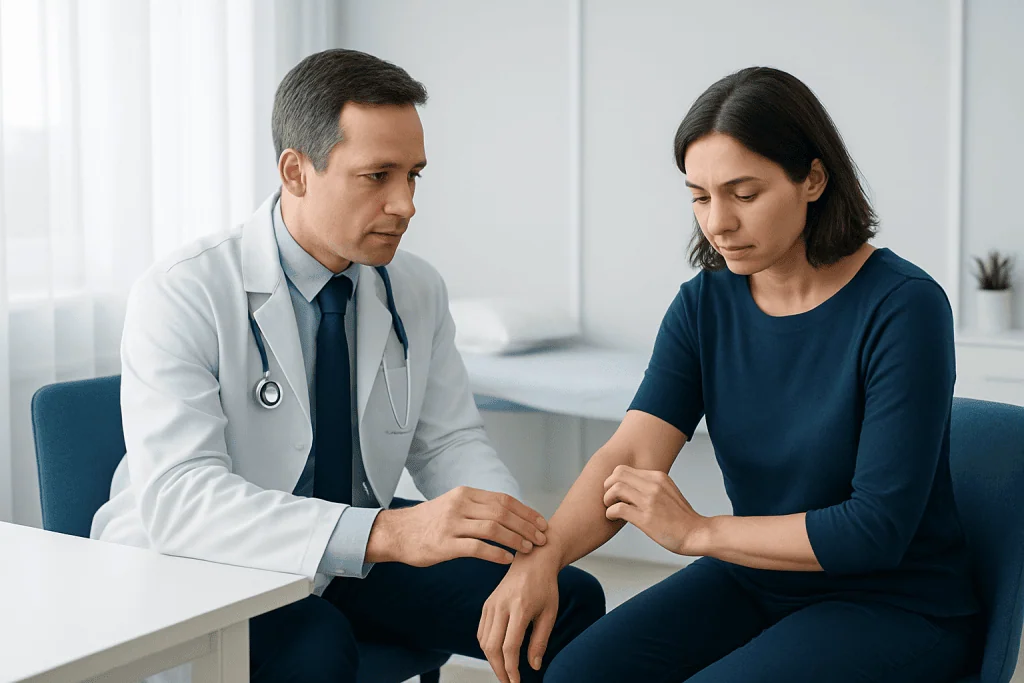
Brachioradial pruritus is not fully explained by a single cause, but two factors appear especially important: sun-related skin nerve irritation and problems affecting the cervical spine, which is the neck portion of the spine. Many specialists believe the condition develops when these factors increase nerve sensitivity and make normal sensations feel like itching or burning.
Sun exposure may contribute by damaging or irritating tiny nerve fibers in the skin. This may help explain why symptoms often flare in summer and improve when the skin is protected from ultraviolet light. At the same time, imaging studies in some patients show age-related or structural changes in the neck, such as disc disease, arthritis, or narrowing around the nerve roots. These changes may irritate nerves that supply sensation to the arms.
Risk factors and associated findings may include:
- Frequent sun exposure or outdoor activity
- Middle age, although it can occur at other ages
- Neck pain, stiffness, or a history of cervical spine problems
- Previous nerve compression or degenerative spine changes
- Symptoms limited to the areas served by specific neck nerves
Not every person with brachioradial pruritus has neck symptoms, and not everyone with cervical spine changes develops the condition. That is why diagnosis depends on the overall pattern rather than on a single test result.
How doctors diagnose brachioradial pruritus
Diagnosis usually begins with a detailed medical history and physical examination. A doctor will ask where the itching occurs, how long it has been present, what makes it worse, and whether ice or cooling helps. They will also ask about sun exposure, rashes, allergies, medications, and neck pain or numbness.
During the examination, the skin is checked for signs of eczema, hives, infection, insect bites, or other dermatologic conditions. Since brachioradial pruritus may have minimal visible changes, the doctor often pays close attention to the exact location of symptoms and any scratch-related skin changes. Neurologic findings such as altered sensation, arm weakness, or neck tenderness may suggest nerve involvement.
Additional tests are not always needed, but they may be helpful when symptoms are severe, persistent, or unusual. Depending on the case, a clinician may consider spinal imaging, nerve evaluation, or referral to a dermatologist or neurologist. If another diagnosis is suspected, evaluation for conditions such as eczema or contact dermatitis may be appropriate. In selected patients, cervical spine assessment with MRI scanning can help identify structural nerve irritation.
The goal is not only to confirm brachioradial pruritus, but also to rule out other causes of chronic itch. These can include systemic illnesses, medication reactions, liver or kidney disease, and generalized neurologic disorders. A thorough review ensures the treatment plan fits the cause.
Treatment options and symptom relief
Treatment for brachioradial pruritus often works best when it addresses both skin triggers and nerve-related symptoms. Simple anti-itch measures may help some people, but many need a broader plan. The exact approach depends on symptom severity, how long the condition has lasted, and whether there is evidence of neck nerve irritation.
Supportive measures often include cooling the area, avoiding excessive sun exposure, and using gentle skin care. Some people benefit from topical therapies suggested by a clinician, while others may need medicines that calm overactive nerve signaling. Because this is a neuropathic itch, treatment may differ from the usual approach for common rashes.
Common management options may include:
- Cold packs for short-term relief
- Sun-protective clothing and broad-spectrum sunscreen
- Fragrance-free moisturizers to reduce additional skin irritation
- Topical treatments prescribed for itch or nerve discomfort
- Oral medications sometimes used for neuropathic symptoms
- Assessment and management of neck-related nerve compression when present
If cervical spine disease appears to play a role, treatment may include posture advice, physical therapy, pain management, or further specialist review. In some situations, doctors may recommend physical therapy and rehabilitation to reduce neck strain and improve function. When symptoms suggest a broader nerve disorder, evaluation through neurology care may be helpful. For patients with persistent skin-focused symptoms, a dermatology assessment can help confirm the diagnosis and guide topical or procedural options.
Self-care, prevention, and living with the condition
Although there is no single guaranteed prevention method, many people can reduce flares by limiting triggers. Sun protection is one of the most practical steps. Wearing sleeves, seeking shade, and using sunscreen on exposed arms may lessen seasonal worsening, especially in warmer months.
Skin care should stay simple and non-irritating. Harsh soaps, frequent hot showers, and aggressive scrubbing can increase discomfort. Keeping nails short and avoiding repetitive scratching may help prevent skin thickening and secondary irritation. If the itch becomes intense, a cool compress is usually gentler than rubbing the area.
Neck health may also matter. Good posture, ergonomic work habits, and avoiding prolonged positions that strain the cervical spine may reduce nerve aggravation in some people. If neck pain, numbness, or radiating arm symptoms are present, discussing these with a doctor is important rather than assuming the problem is only in the skin.
Living with chronic itch can be tiring, especially if sleep is disrupted. Tracking symptom patterns in a diary can be useful. Noting sun exposure, exercise, temperature, and neck-related symptoms may help identify personal triggers and improve follow-up visits.
When to seek medical care
Medical evaluation is recommended if itching lasts for weeks, keeps returning, interferes with sleep, or does not improve with basic skin care. A doctor should also assess symptoms if the skin becomes broken, painful, infected, or significantly discolored from repeated scratching.
Prompt medical attention is especially important when itching is accompanied by neck pain, numbness, weakness, or changes in coordination. These features do not always mean a serious problem, but they can suggest nerve involvement that deserves a proper examination. Sudden widespread itching, weight loss, fever, or other whole-body symptoms should also be discussed with a clinician because they may point to a different cause.
People sometimes move between skin clinics and spine clinics before receiving a clear explanation. A coordinated approach can be helpful. Near the end of the care pathway, patients may benefit from multidisciplinary review; Acibadem International’s specialists in dermatology, neurology, and spine care, working in JCI-accredited hospitals, diagnose and treat brachioradial pruritus for international patients when expert assessment is needed.
Frequently asked questions
Is brachioradial pruritus a skin disease or a nerve problem?
It is usually considered a neuropathic itch, which means the symptoms are often related to irritated or overactive nerves rather than a primary skin rash. The skin can still become inflamed from scratching, but the original trigger may come from nerve pathways in the skin or neck.
Why does brachioradial pruritus usually affect the outer arms?
The condition tends to involve areas supplied by certain cervical nerve roots and areas commonly exposed to sunlight. This combination may explain why the outer forearms and upper arms are affected more often than other body parts.
Does an ice pack helping the itch mean it is brachioradial pruritus?
Temporary relief from cooling is a common clue, but it does not confirm the diagnosis on its own. A doctor still needs to consider other possible causes of itching and examine the skin and nervous system as needed.
Can brachioradial pruritus go away on its own?
In some people, symptoms improve during cooler seasons or after reducing sun exposure. However, others have recurring or long-lasting symptoms, especially if an underlying nerve irritation is not addressed.
Are there tests that prove brachioradial pruritus?
There is no single definitive test for all cases. Diagnosis is usually based on the symptom pattern, the body area involved, and the exclusion of other skin or medical conditions, with imaging or specialist evaluation used when appropriate.
Should a person with brachioradial pruritus see a dermatologist or a neurologist?
Either specialist may be helpful depending on the situation. A dermatologist can rule out common skin conditions, while a neurologist may be useful if there are signs of nerve involvement such as tingling, numbness, neck pain, or weakness.
This article is for general information only and is not a substitute for professional medical advice. Please consult a qualified doctor about your individual situation.
Explore treatments in Turkey — costs, top hospitals & a free quote
JCI-accredited · board-certified surgeons · reply within 24h
Add us as a Preferred Source to see more of our trusted health content across Google Search, AI Overviews and Discover.

More from the Health Library

Urinate: Procedure, Recovery and Results

Ethyl Alcohol: What Patients Need to Know

Poop Smells Sweet: A Complete Medical Overview

Mucous Cyst: A Complete Medical Overview

Rug Burn: What Patients Need to Know