Urinate: Procedure, Recovery and Results

Urination removes excess water and waste products filtered from the blood by the kidneys. A normal urinary pattern varies with fluid intake, medicines, age, activity, and overall health.
Key Takeaways
- Urination removes excess water and waste products filtered from the blood by the kidneys.
- A normal urinary pattern varies with fluid intake, medicines, age, activity, and overall health.
- Burning, blood in urine, inability to urinate, fever, or severe pain require prompt medical attention.
- Urinary symptoms may be related to infection, stones, prostate conditions, bladder problems, diabetes, pregnancy, or medications.
- Good hydration, regular toilet habits, and timely medical review can support urinary health.
To urinate is to pass urine from the bladder through the urethra. The process is usually automatic and painless, but changes in frequency, flow, color, urgency, or discomfort can sometimes indicate a health concern that should be assessed.
What Does It Mean to Urinate?
To urinate means to release urine from the bladder through a tube called the urethra. Urine is made by the kidneys, which filter waste products and extra water from the blood. It then travels down narrow tubes called ureters to the bladder, where it is stored until it is passed.
Urination is coordinated by the bladder, pelvic floor muscles, nerves, and brain. As the bladder fills, it sends signals that create the urge to pass urine. When a person reaches a toilet and relaxes the appropriate muscles, the bladder contracts and urine leaves the body.
For most people, urination is painless and does not require straining. The amount and frequency can differ from one person to another, and may change from day to day depending on fluid intake, weather, caffeine or alcohol intake, exercise, pregnancy, and certain medicines.
What Is a Typical Urination Pattern?
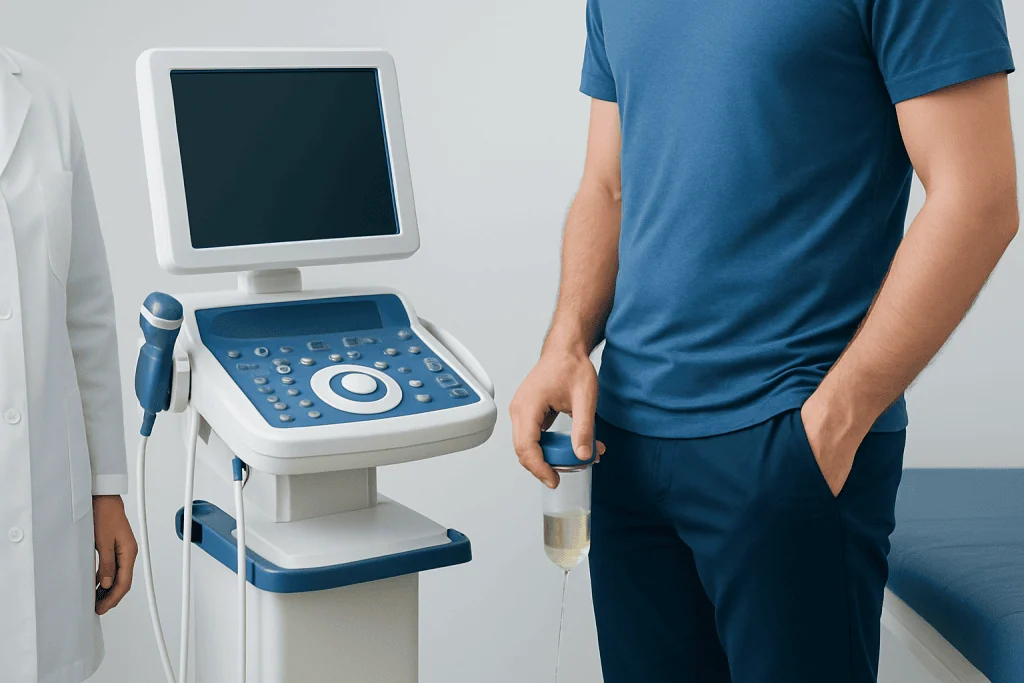
There is no single number of times that every person should urinate each day. Many healthy adults pass urine several times during the day and may occasionally wake once overnight. A person who drinks more fluids, consumes caffeine, is physically active, or takes a diuretic medicine may need to urinate more often.
Normal urine is usually pale yellow to clear yellow. Darker urine can occur when a person has not had enough fluid, while very pale urine may follow high fluid intake. Some foods, vitamins, and medicines can temporarily alter urine color or smell without indicating illness.
More important than an exact schedule is a person’s usual pattern. A new or persistent change, such as suddenly needing the toilet much more often, waking repeatedly at night, leaking urine, having a weak stream, or feeling unable to empty the bladder, deserves discussion with a healthcare professional.
Common Changes and Symptoms During Urination

Urinary symptoms may involve how often a person needs to urinate, the sensation of passing urine, or the appearance of urine. Urgency is a sudden, difficult-to-delay need to pass urine. Frequency means urinating more often than usual, while nocturia refers to waking from sleep to urinate.
Burning or pain when urinating is often called dysuria. It can occur with a urinary tract infection, irritation, some sexually transmitted infections, vaginal or urethral inflammation, or urinary stones. Cloudy or strong-smelling urine alone does not always indicate infection, but it may be relevant when it occurs with pain, urgency, fever, or lower abdominal discomfort.
Other symptoms can include difficulty starting, straining, a slow or interrupted stream, dribbling after urination, leakage, or a continuing feeling that the bladder has not emptied. In people with a prostate, these changes may be associated with benign prostate enlargement; persistent symptoms should be evaluated rather than self-treated.
- Blood in urine may look pink, red, or tea-colored.
- Foamy urine that persists may warrant medical assessment.
- Flank or back pain with urinary symptoms can occur with a kidney stone or kidney infection.
- Sudden loss of bladder control with weakness or numbness needs urgent assessment.
Why Urination Problems Can Happen
Urination changes have many possible causes. A urinary tract infection can affect the bladder, urethra, or kidneys and may cause burning, frequency, urgency, pain, fever, or changes in urine appearance. Kidney and bladder stones can cause pain, blood in urine, nausea, or interruption of urine flow. More information may be helpful for people experiencing symptoms linked to kidney stones.
An enlarged prostate can narrow the urethra and affect urinary flow in some men, particularly with increasing age. Pelvic floor weakness, childbirth, menopause, neurological conditions, and prior pelvic surgery may also contribute to urinary leakage or difficulty controlling the bladder.
High blood glucose can increase urine production and thirst, so frequent urination may sometimes be a sign of diabetes. Pregnancy can increase pressure on the bladder, and some medicines, including diuretics, may increase urine output. Anxiety, constipation, excess caffeine, and alcohol can also make urgency or frequency worse in some people.
Although many urinary changes are temporary or treatable, they should not be ignored when they persist. A clinician can consider symptoms alongside medical history, medicines, fluid intake, age, and any associated signs to identify the most likely cause.
How Urinary Symptoms Are Assessed
A healthcare professional will usually begin by asking about the timing and nature of symptoms. Useful details include how often a person urinates, whether there is pain or urgency, how much fluid they drink, whether they wake at night, and whether urine contains visible blood. They may also ask about pregnancy, sexual health, past urinary infections, stones, surgery, neurological conditions, and medications.
A urine test can check for blood, infection markers, glucose, protein, or other abnormalities. If infection is suspected, a urine culture may help identify the responsible organism and guide treatment. Blood tests may be used to assess kidney function, inflammation, or blood glucose when appropriate.
Depending on the symptoms, further investigations may include ultrasound imaging of the kidneys and bladder, measurement of urine remaining after voiding, a pelvic examination, prostate assessment, or specialist testing of bladder function. Cystoscopy, in which a small camera is used to view the urethra and bladder, may be recommended in selected situations.
Treatment and Recovery: What to Expect
Treatment depends on the cause of the urinary concern. A confirmed bacterial urinary tract infection may be treated with antibiotics selected by a clinician. Symptoms should be reviewed if they do not improve, return frequently, or are accompanied by fever, vomiting, flank pain, or blood in the urine.
Bladder training, pelvic floor rehabilitation, adjustments to fluid timing, and treatment of constipation may help some people with urgency or urinary leakage. A clinician may recommend medicines for certain bladder or prostate conditions. In some cases, procedures are used to remove stones, relieve an obstruction, or address structural problems.
Recovery varies according to the diagnosis and treatment. After treatment for a simple infection, discomfort may settle quickly, but people should complete the prescribed plan and follow medical advice. Following urinary procedures, a care team will explain expected temporary symptoms, hydration guidance, activity limits, and warning signs.
Acibadem International’s multidisciplinary specialists and JCI-accredited hospitals can assess and treat urinary conditions for international patients, including care that may involve urology, nephrology, gynecology, endocrinology, or rehabilitation specialists.
Supporting Healthy Urination
Regular hydration supports kidney and bladder function. Most people can use thirst and urine color as general guides, aiming for urine that is usually pale yellow. Individual fluid needs vary, however, and people with heart, kidney, or liver disease should follow the fluid advice given by their own clinician.
It may help to avoid regularly delaying urination for long periods. Going to the toilet when the urge occurs, allowing enough time to empty the bladder without straining, and avoiding constipation can support comfortable bladder habits. Reducing caffeine, alcohol, carbonated drinks, or highly acidic foods may improve urgency in some people.
For people prone to urinary infections, basic measures include drinking enough fluid, not holding urine unnecessarily, wiping from front to back after using the toilet, and urinating after sexual activity if advised by a clinician. These measures may reduce risk for some people but do not replace medical evaluation when symptoms develop.
When to Seek Medical Care
Medical advice is appropriate for persistent or recurrent burning, urgency, frequency, leakage, weak urine flow, trouble starting to urinate, or a sense of incomplete bladder emptying. A person should also arrange review if they notice blood in urine, unexplained changes in urine color, repeated nighttime urination, or new urinary symptoms during pregnancy.
Urgent medical care is needed if a person cannot urinate at all, has severe lower abdominal pain or swelling, develops fever or chills with urinary symptoms, has severe back or side pain, is vomiting, or sees significant blood or blood clots in urine. These symptoms can indicate a condition needing timely treatment.
Children, older adults, people with diabetes, people who are pregnant, and those with kidney disease or weakened immunity may need earlier assessment for urinary symptoms. Prompt evaluation can help identify infections, obstruction, stones, or other causes before complications develop.
Frequently asked questions
How often should a person urinate?
There is no single normal number because urination depends on fluid intake, diet, medicines, age, and health conditions. A change from a person’s usual pattern is generally more meaningful than the exact daily number. Persistent frequency or repeated waking at night should be discussed with a healthcare professional.
Why does it burn when a person urinates?
Burning during urination can be caused by a urinary tract infection, irritation, inflammation, urinary stones, or some sexually transmitted infections. It should be assessed if it lasts, is severe, or occurs with fever, blood in urine, back pain, or unusual discharge. A urine test may help identify the cause.
Is clear urine always a sign of good hydration?
Clear urine may simply mean that a person has recently consumed a large amount of fluid. Pale yellow urine is commonly consistent with adequate hydration for many people. Persistently excessive thirst and very frequent urination should be evaluated, particularly if accompanied by fatigue or unexplained weight changes.
What can cause frequent urination at night?
Nighttime urination can be influenced by drinking fluids late in the evening, caffeine, alcohol, sleep disruption, bladder conditions, prostate enlargement, diabetes, swelling in the legs, or certain medications. Occasional nighttime urination can be normal, but repeated or new symptoms deserve medical review. The underlying cause guides management.
Can stress make someone need to urinate more often?
Stress and anxiety can increase awareness of bladder sensations and may contribute to urgency or frequent urination in some people. However, urinary symptoms should not automatically be attributed to stress, especially when there is pain, fever, blood in urine, or a major change in bladder function. A clinician can help rule out physical causes.
When is blood in urine an emergency?
Visible blood in urine should always be assessed promptly, even if it is painless or occurs only once. Urgent care is particularly important if there are blood clots, inability to pass urine, severe pain, fever, dizziness, or heavy bleeding. Blood can have several causes, including infection, stones, kidney disease, or bladder conditions.
This article is for general information only and is not a substitute for professional medical advice. Please consult a qualified doctor about your individual situation.
Explore treatments in Turkey — costs, top hospitals & a free quote
JCI-accredited · board-certified surgeons · reply within 24h
Add us as a Preferred Source to see more of our trusted health content across Google Search, AI Overviews and Discover.

More from the Health Library

Adolescence — Explained by Medical Evidence, Not Myths

Electrolysis: An Evidence-Based Guide for Patients

Septal Infarct: An Evidence-Based Guide for Patients

Vestigial Tail: What Patients Need to Know

Akinesia: An Evidence-Based Guide for Patients