Electrolysis: An Evidence-Based Guide for Patients

Electrolysis treats one hair follicle at a time using a fine probe and electrical energy. It is considered a permanent hair removal method when follicles are fully destroyed.
Key Takeaways
- Electrolysis treats one hair follicle at a time using a fine probe and electrical energy.
- It is considered a permanent hair removal method when follicles are fully destroyed.
- Multiple sessions are usually needed because hair grows in cycles.
- Electrolysis can be used on many body areas, including the face, underarms, bikini line, and legs.
- Side effects are usually mild and temporary when treatment is performed by a qualified professional.
- Medical evaluation is helpful if excess hair growth is sudden, severe, or linked with hormonal symptoms.
Electrolysis is a medical-aesthetic hair removal method that can permanently destroy individual hair follicles. It is often chosen for people who want a long-term solution for unwanted hair and may be suitable for many skin tones and hair colors.
Overview: what electrolysis is and how it works
Electrolysis is a method of permanent hair removal that uses a very fine probe inserted into the natural opening of each hair follicle. A small electrical current is then delivered to damage the follicle’s growth center, making it less able or unable to produce a new hair. Because it treats follicles one by one, electrolysis is a precise option for smaller areas such as the upper lip, chin, eyebrows, or scattered hairs on the body.
Many patients choose electrolysis when they want a long-term solution rather than temporary hair removal methods such as shaving, waxing, threading, or depilatory creams. It may also be considered when laser-based methods are not ideal, especially for very light, gray, red, or fine hairs that may respond less predictably to light-based treatment.
There are different electrolysis techniques, including galvanic, thermolysis, and blend methods. These approaches differ in the type of energy used, but the goal is the same: to disable the follicle while protecting the surrounding skin. The best method depends on the hair type, skin area, and the practitioner’s assessment.
Electrolysis is not a treatment for the cause of unwanted hair growth. If hair is related to an underlying condition such as polycystic ovary syndrome, endocrine imbalance, or certain medicines, the follicle can still be treated, but medical evaluation may be needed to address the reason new hairs keep appearing.
Who may benefit from electrolysis
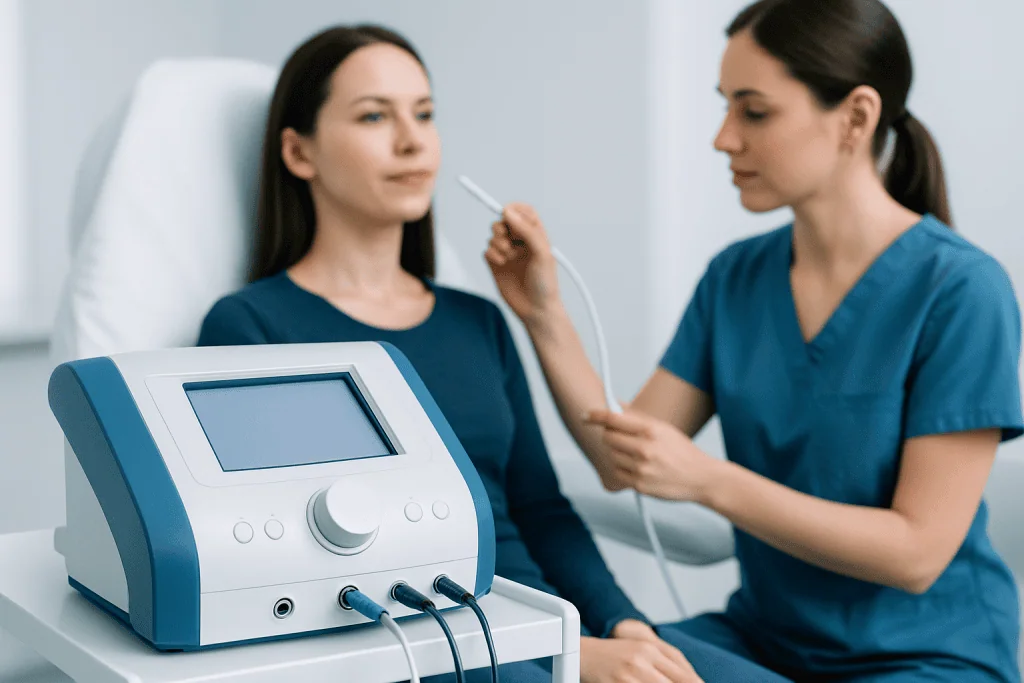
Electrolysis can be helpful for adults who want permanent removal of unwanted hair on the face or body. It is commonly used for upper lip hair, chin hair, jawline hair, sideburns, eyebrows, abdomen, breast area, underarms, bikini line, fingers, toes, and other localized areas. It may also be useful for isolated coarse hairs that remain after other hair removal methods.
One of the main advantages of electrolysis is that it can work across a wide range of skin tones and hair colors. Unlike light-based procedures that rely on pigment contrast, electrolysis targets the follicle directly. This makes it an option for blonde, white, gray, and red hairs that may not respond well to other procedures such as laser hair removal.
Some people seek electrolysis for personal comfort or convenience, while others pursue it because unwanted hair affects confidence or daily routines. It may also be considered by patients with hair growth related to hormonal conditions, although the medical cause should be assessed when appropriate.
Electrolysis may not be the first choice for very large areas if quick bulk reduction is the main goal, because the process is detailed and time-intensive. In such cases, a clinician may discuss whether combining approaches or staging treatment over time is more practical.
What a treatment session is like

Before treatment, the skin is usually cleansed and examined. During the session, the practitioner gently inserts a sterile, very fine probe into the follicle opening alongside the hair shaft. The probe does not puncture the skin like an injection; it follows the follicle canal. A brief current is applied, and the treated hair is then removed with tweezers.
People often describe the sensation as heat, tingling, or a quick stinging feeling. Comfort varies depending on the body area, hair thickness, individual pain sensitivity, and session length. Some clinics may suggest simple comfort measures such as topical numbing cream, rest breaks, or scheduling shorter sessions for sensitive areas.
After treatment, it is common to have mild redness, slight swelling, or tenderness for a short time. Small scabs can occasionally occur as the skin heals. These effects are usually temporary when aftercare is followed and the procedure is performed correctly.
Because hair grows in different phases, not every follicle can be permanently disabled in one visit. Multiple appointments are usually needed over weeks or months so that hairs can be treated when they are in the most responsive stage of growth.
Results, benefits, and limitations
The main benefit of electrolysis is permanence. Once a follicle is fully destroyed, that specific follicle should not produce a new hair. This distinguishes electrolysis from temporary methods and from procedures that may provide long-term reduction rather than true permanent removal.
Another advantage is precision. Electrolysis can target individual hairs in delicate or small areas, including places where shaping matters. It can also help remove residual hairs after other treatments or address hairs of colors that are harder to treat with light-based technology.
At the same time, patients should understand its limitations. Electrolysis is relatively slow because every follicle must be treated separately. Sessions may be repeated many times, particularly in areas with dense growth, thick coarse hairs, or ongoing hormonal stimulation.
Results also depend on consistency, hair growth cycles, and practitioner experience. Electrolysis does not prevent entirely new follicles from becoming active later due to hormonal shifts, aging, or medical conditions. If unwanted hair is extensive or accompanied by acne, irregular periods, scalp hair thinning, or weight changes, a clinician may recommend assessment for causes such as hirsutism.
Safety, side effects, and skin care after treatment
When performed by a trained professional using appropriate hygiene and technique, electrolysis is generally safe. Most side effects are mild and short-lived, including redness, swelling, tenderness, and temporary skin sensitivity. These reactions are part of the normal healing process for many patients.
Less commonly, there can be scabbing, temporary pigment changes, ingrown hairs, or irritation if the skin is picked, rubbed, or exposed to friction soon after treatment. Rarely, infection or scarring can occur, especially if aftercare is not followed or treatment is too aggressive.
Simple aftercare helps reduce irritation. Patients are often advised to keep the area clean, avoid touching it with unwashed hands, and limit intense heat, saunas, and heavy sweating for a short period if the skin feels sensitive. Sun protection is especially important for treated exposed areas to lower the risk of post-inflammatory darkening.
People with active skin infections, open wounds, severe irritation, or certain skin conditions in the treatment area may need to delay treatment until the skin has healed. A dermatologist may be involved if there is a history of keloid scarring, persistent pigmentation changes, or complex skin disease. In some cases, broader support from dermatology or endocrinology may be helpful when unwanted hair appears linked with skin or hormone concerns.
Choosing treatment and preparing for an appointment
A consultation is important before starting electrolysis. The practitioner should review the hair pattern, skin type, medical history, medicines, and previous hair removal methods. This discussion helps set realistic expectations about the number of sessions, likely response, skin healing, and whether a medical assessment is advisable first.
Preparation instructions vary, but patients are often told to avoid tweezing or waxing before sessions because the hair needs to be present in the follicle for treatment. Shaving may be allowed in some areas, depending on timing and practitioner preference. Good hydration and avoiding skin irritants before treatment can also support comfort.
It is reasonable to ask about the provider’s training, hygiene standards, use of sterile probes, and experience with the treatment area. Patients should also mention any history of cold sores, sensitive skin, pigment changes, pacemakers, or chronic skin disorders so the plan can be adjusted safely.
For patients deciding between methods, treatment choice depends on goals, area size, hair color, skin tone, time commitment, and whether permanent removal of individual hairs is the priority. Some people use light-based options for larger areas and electrolysis for detail work or resistant hairs, while others choose electrolysis alone.
When to seek medical care
Medical advice is important if unwanted hair growth starts suddenly, becomes much heavier, or appears together with other symptoms. These can include irregular menstrual cycles, new acne, deepening voice, scalp hair thinning, rapid weight change, or fertility concerns. Such patterns can suggest a hormonal issue that may need evaluation rather than hair removal alone.
Patients should also seek care if the treated area develops increasing pain, warmth, pus, expanding redness, fever, or delayed healing. These are not typical mild after-effects and may point to infection or another complication that requires prompt attention.
Professional review is also sensible when there is repeated scarring, dark marks, or persistent irritation after sessions, or if the skin has a known medical condition. In those situations, a clinician can help determine whether the technique, aftercare, or diagnosis should be reconsidered.
Near the end of the treatment journey, some patients benefit from multidisciplinary support, especially if excess hair is related to hormones or skin disease. Acibadem International’s multidisciplinary specialists in JCI-accredited hospitals evaluate and treat patients who need coordinated care for unwanted hair, hormone-related conditions, and skin health.
Frequently asked questions
Is electrolysis permanent?
Electrolysis is considered a permanent hair removal method because it can destroy the treated follicle. However, multiple sessions are usually needed to reach follicles during the right growth phase, and new hairs can still appear later if previously inactive follicles become active.
How is electrolysis different from laser hair removal?
Electrolysis treats individual follicles with a fine probe and electrical energy, while laser hair removal uses light to target pigment in many hairs at once. Electrolysis can be useful for all hair colors, including gray, white, blonde, and red hairs, which may respond less well to laser treatment.
Does electrolysis hurt?
Discomfort is usually mild to moderate and varies by person and body area. Many people describe a brief heat or stinging sensation, and sessions can often be adjusted in length or supported with comfort measures if the area is sensitive.
How many electrolysis sessions are needed?
There is no single number that fits everyone. The total depends on the treatment area, hair density, hair thickness, growth cycle, hormonal influences, and how regularly sessions are completed.
Can electrolysis be used on the face?
Yes. Electrolysis is commonly used on facial areas such as the upper lip, chin, jawline, and eyebrows because it allows very precise treatment of individual hairs. It is often chosen when detailed shaping or treatment of light-colored hairs is needed.
Are there risks or side effects after electrolysis?
Temporary redness, swelling, tenderness, and mild sensitivity are common and usually settle within a short time. Less commonly, scabbing, pigment changes, irritation, infection, or scarring can occur, especially if treatment is too aggressive or aftercare is not followed.
References
- American Academy of Dermatology
- U.S. Food and Drug Administration
- Mayo Clinic
- MedlinePlus
- Cleveland Clinic
This article is for general information only and is not a substitute for professional medical advice. Please consult a qualified doctor about your individual situation.
Hair transplant in Turkey — costs, graft counts & a free assessment
JCI-accredited · board-certified surgeons · reply within 24h
Add us as a Preferred Source to see more of our trusted health content across Google Search, AI Overviews and Discover.

More from the Health Library

Invega: A Complete Medical Overview

Thrombosed External Hemorrhoid: A Complete Medical Overview

Organic Oatmeal — Explained by Medical Evidence, Not Myths

Brazilian Bikini Waxing Images — Explained by Medical Evidence, Not Myths

Types of Psoriasis Pictures: An Evidence-Based Guide for Patients