Brain Aneurysm Coiling Recovery: Timeline, Restrictions, and Follow-Up Imaging

Most people begin recovering from brain aneurysm coiling within days, but full recovery can take several weeks depending on the aneurysm and overall health. Temporary fatigue, headache, groin soreness, and reduced stamina are common after endovascular coiling.
Key Takeaways
- Most people begin recovering from brain aneurysm coiling within days, but full recovery can take several weeks depending on the aneurysm and overall health.
- Temporary fatigue, headache, groin soreness, and reduced stamina are common after endovascular coiling.
- Follow-up imaging is an important part of care because a treated aneurysm may need long-term monitoring.
- Activity restrictions usually focus on avoiding heavy lifting, strenuous exercise, and driving until the treating doctor says it is safe.
- Urgent medical attention is needed for severe headache, new weakness, confusion, speech changes, chest pain, or bleeding at the catheter site.
Brain aneurysm coiling recovery is often faster than recovery after open surgery, but healing still requires rest, monitoring, and follow-up imaging. Knowing the usual timeline, common restrictions, and warning signs can help patients and families feel more prepared.
Overview of Brain Aneurysm Coiling Recovery
Brain aneurysm coiling is a minimally invasive procedure used to treat certain aneurysms from inside the blood vessel. A doctor guides a thin catheter, often through an artery in the wrist or groin, to the aneurysm and places soft coils inside it. These coils help reduce blood flow into the aneurysm, lowering the risk of bleeding or preventing further bleeding if rupture has already occurred.
Recovery after coiling is usually different from recovery after open brain surgery. Because there is no large scalp incision or skull opening, hospital stays may be shorter and physical recovery may be quicker. Even so, the brain and blood vessels still need time to heal, and patients may notice tiredness, headaches, emotional ups and downs, or reduced concentration for a period after treatment.
The recovery experience varies widely. Someone treated for an unruptured aneurysm may feel relatively well within days, while a person treated after a ruptured aneurysm may need a much longer recovery due to the effects of bleeding on the brain. Age, other medical conditions, medicines, and whether there were complications during or after the procedure also influence the timeline.
What to Expect in the First Hours, Days, and Weeks
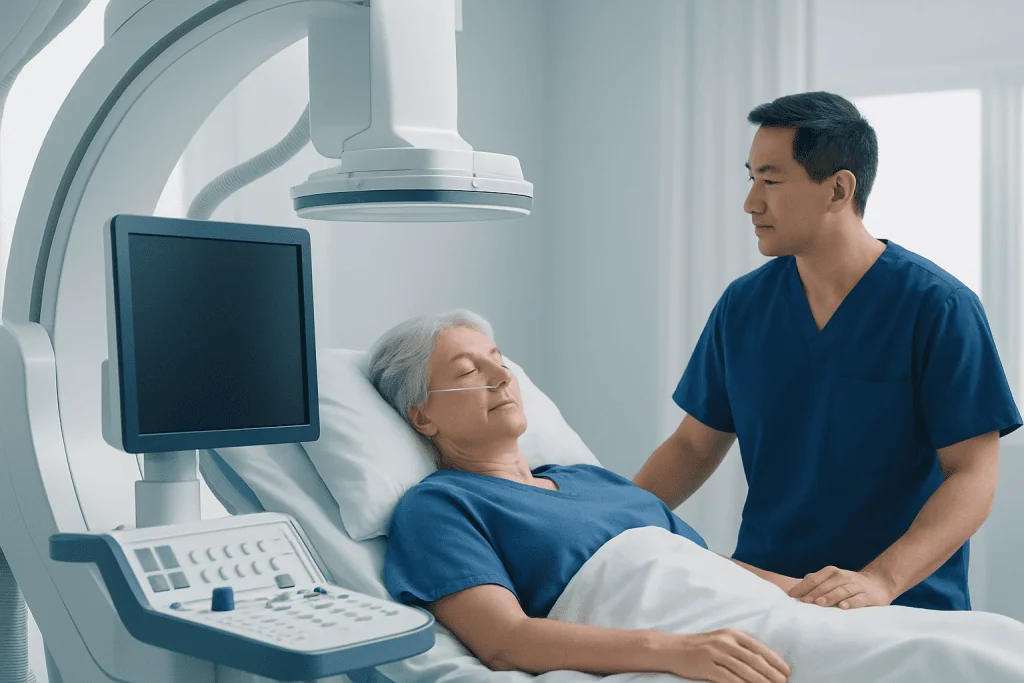
Right after the procedure, patients are observed closely in a recovery area, intensive care unit, or hospital room. The care team monitors blood pressure, heart rate, neurological signs, and the catheter entry site. Some people go home within one to two days after treatment of an unruptured aneurysm, while others need a longer hospital stay.
During the first few days, fatigue is very common. Mild to moderate headache, nausea, bruising, and tenderness where the catheter entered the body can also happen. If the groin was used, sitting up, walking, and climbing stairs may feel uncomfortable at first. Rest, hydration, and following discharge instructions usually help these early symptoms improve steadily.
Over the next one to four weeks, many people slowly return to normal daily activities. Energy levels may rise gradually rather than all at once. Some patients can resume desk-based work relatively soon, while others need more time before they can concentrate fully or tolerate a full day of activity. Recovery often feels non-linear, with good days and more tiring days.
When coiling is done after a ruptured aneurysm, recovery is often longer and more complex. The effects of subarachnoid hemorrhage, hospital complications, rehabilitation needs, or changes in thinking and mobility may be more important than the coiling procedure itself. In these cases, recovery planning may include neurology, rehabilitation, and other specialist follow-up alongside care for the brain aneurysm.
Common Symptoms During Recovery

It is normal to have some short-term symptoms after brain aneurysm coiling recovery begins. These may include tiredness, mild headache, soreness or bruising at the catheter site, poor appetite, difficulty sleeping, and feeling emotionally sensitive or anxious. Many of these symptoms improve with time, especially in the first few weeks.
Some patients notice temporary changes in attention, memory, or mental stamina. This can be frustrating, particularly when the body seems to be healing faster than concentration or confidence. Gentle pacing, regular sleep, and avoiding overstimulation may help while the brain recovers.
A small amount of discomfort at the access site is common, but active bleeding, increasing swelling, severe pain, or a cold or numb leg or arm should be assessed promptly. New neurological symptoms are never considered routine after coiling.
- Common short-term symptoms: fatigue, mild headache, access-site bruising, and reduced stamina
- Less common but important symptoms: worsening headache, fainting, confusion, weakness, vision changes, or trouble speaking
- Emotional effects can include stress, low mood, irritability, or fear of recurrence
Patients recovering after rupture may also have lingering symptoms from the bleed itself, such as light sensitivity, balance problems, or cognitive slowing. These symptoms deserve follow-up and, when needed, structured rehabilitation support.
Activity Restrictions and Daily Life
Restrictions after brain aneurysm coiling are meant to protect the catheter entry site, reduce strain on the body, and support safe neurological recovery. For a short period, doctors often advise avoiding heavy lifting, vigorous exercise, pushing or pulling heavy objects, and activities that sharply raise blood pressure. The exact timeline depends on the individual case and should come from the treating team.
Driving is often restricted for a time, especially if the patient had a ruptured aneurysm, seizures, neurological symptoms, or sedating medicines. Return to work also depends on the type of work. Sedentary jobs may be resumed earlier than physically demanding roles, but many patients benefit from a gradual return rather than a sudden full schedule.
It is usually sensible to build activity slowly. Short walks, gentle movement, and regular rest breaks can support circulation and stamina. Adequate hydration, avoiding smoking, and taking prescribed medicines exactly as directed are also important parts of recovery. If stents were used along with coils, antiplatelet medicines may be part of care, and patients should not stop them unless their doctor instructs them to do so.
Daily restrictions may also include avoiding baths, swimming, or soaking the catheter site until it has healed, while showering may be allowed sooner based on discharge instructions. Alcohol use, travel, and sexual activity should be discussed with the treating doctor if there are ongoing symptoms or if recovery has been complicated. For patients needing specialized endovascular care, treatment planning may involve interventional neuroradiology.
Follow-Up Imaging: Why It Matters
Follow-up imaging after coiling is a routine and important part of care. Even when the procedure goes well, the treated aneurysm can change over time. In some cases, a small part of the aneurysm may reopen or continue to fill with blood, which is why imaging is used to check how well the aneurysm remains sealed.
The imaging schedule varies. Many patients have a first follow-up study within months after treatment, followed by later imaging at intervals decided by the neurovascular team. The exact plan depends on factors such as aneurysm size, shape, location, whether a stent was used, and whether the aneurysm had ruptured.
Tests used for follow-up may include magnetic resonance angiography, computed tomography angiography, or catheter angiography. Catheter angiography can provide very detailed information, but not every patient needs the same test each time. The treating specialist chooses the imaging method based on safety, accuracy, and the details of the original procedure.
Patients sometimes feel anxious about these scans, but follow-up imaging is designed to support long-term safety, not to suggest that something is wrong. If imaging shows that more treatment is needed, the care team may discuss options such as repeat coiling or another endovascular approach. In selected cases, broader brain aneurysm treatment planning may be reviewed.
Medical Follow-Up, Medicines, and Long-Term Care
Recovery does not end at hospital discharge. Follow-up visits help doctors review symptoms, blood pressure, healing of the access site, medicine use, and imaging results. These appointments are also a chance for patients and families to ask practical questions about work, exercise, travel, and emotional recovery.
Some people need medicines after coiling, including pain relief, blood pressure treatment, or antiplatelet medicines if a stent or flow-supporting device was used. It is important to take these exactly as prescribed and to tell the healthcare team about any unusual bruising, bleeding, allergic reactions, or side effects. Patients should not add over-the-counter medicines or supplements without checking first, especially products that may affect bleeding.
Long-term care also focuses on lowering the risk of future vascular problems. This may include stopping smoking, managing high blood pressure, controlling cholesterol when appropriate, staying physically active within medical advice, and attending regular health reviews. Family history and the presence of more than one aneurysm may influence surveillance planning.
If ongoing headaches, cognitive symptoms, or anxiety affect daily life, additional support may help. Depending on the situation, this can include neurology follow-up, counseling, pain management, or rehabilitation. At centers such as Acibadem International, multidisciplinary specialists in JCI-accredited hospitals assess and treat neurovascular conditions for international patients, including complex follow-up after endovascular procedures.
When to Seek Urgent Medical Care
Most recovery symptoms improve gradually, but certain warning signs need urgent attention. Patients should seek immediate medical care for a sudden severe headache, new weakness or numbness, facial drooping, trouble speaking, confusion, fainting, seizures, or significant vision changes. These symptoms can suggest a neurological emergency and should not be ignored.
Urgent assessment is also needed for chest pain, shortness of breath, active bleeding from the catheter site, rapidly enlarging swelling, severe access-site pain, or a limb that becomes cold, pale, or numb. Fever, worsening neck stiffness, or persistent vomiting should also be reported promptly, especially soon after hospital discharge.
If symptoms feel different from the expected recovery pattern, it is safer to contact the treating team or emergency services than to wait. Family members should know these warning signs too, since patients may not always notice changes in speech, behavior, or movement themselves.
Frequently asked questions
How long does brain aneurysm coiling recovery usually take?
Recovery time varies from person to person. Many patients treated for an unruptured aneurysm start feeling better within days to a few weeks, while recovery after a ruptured aneurysm can take much longer. The overall timeline depends on the aneurysm, the procedure details, and any complications.
Is fatigue normal after aneurysm coiling?
Yes, fatigue is one of the most common symptoms after coiling. It often improves gradually over several weeks, but some patients notice reduced energy for longer. Pacing activity and allowing regular rest can be helpful during this stage.
When can someone drive or return to work after coiling?
This depends on the reason for treatment, the person's symptoms, and local driving rules. Some patients return to desk-based work relatively soon, while others need a more gradual return. Driving should only resume when the treating doctor says it is safe.
Why is follow-up imaging needed if the aneurysm was already treated?
Follow-up imaging checks that the treated aneurysm remains securely closed over time. In some cases, part of the aneurysm can reopen or continue to fill with blood. Regular imaging helps doctors decide whether observation is enough or if further treatment is needed.
What activities should be avoided after brain aneurysm coiling?
Patients are commonly advised to avoid heavy lifting, strenuous exercise, and activities that strain the catheter site for a period after the procedure. The exact restrictions depend on individual recovery and whether there were complications. A personalized plan should come from the treating team.
Are headaches normal after aneurysm coiling?
Mild headaches can happen during recovery and are often temporary. However, a sudden severe headache or a headache that is getting worse should be assessed urgently. Any headache with weakness, confusion, or vision changes needs immediate medical attention.
References
- American Heart Association
- National Institute of Neurological Disorders and Stroke
- NHS
- Society of NeuroInterventional Surgery
- Radiological Society of North America
This article is for general information only and is not a substitute for professional medical advice. Please consult a qualified doctor about your individual situation.
Explore treatments in Turkey — costs, top hospitals & a free quote
JCI-accredited · board-certified surgeons · reply within 24h
Add us as a Preferred Source to see more of our trusted health content across Google Search, AI Overviews and Discover.
Check your numbers in seconds
BMI, calories, due date, blood pressure and 30+ more clinical calculators — free, instant, doctor-reviewed ranges.