Brain Aneurysm Surgery Recovery: Timeline, Restrictions, and Follow-Up

Recovery after brain aneurysm surgery depends on the type of procedure, overall health, and whether the aneurysm ruptured. Fatigue, headaches, and reduced stamina are common during the first weeks and often improve gradually.
Key Takeaways
- Recovery after brain aneurysm surgery depends on the type of procedure, overall health, and whether the aneurysm ruptured.
- Fatigue, headaches, and reduced stamina are common during the first weeks and often improve gradually.
- Patients usually need temporary restrictions on driving, heavy lifting, strenuous exercise, and returning to work.
- Follow-up appointments and imaging are important to confirm healing and monitor for complications or recurrence.
- Urgent medical attention is needed for severe headache, weakness, seizures, confusion, fever, or worsening neurological symptoms.
Brain aneurysm surgery recovery varies from person to person, but most people improve gradually over weeks to months with rest, monitoring, and follow-up care. Understanding the usual timeline, common restrictions, and warning signs can make recovery feel more manageable and safer.
Overview of Brain Aneurysm Surgery Recovery
Brain aneurysm surgery recovery refers to the healing period after treatment to secure a weakened blood vessel in the brain. The two main treatments are surgical clipping, which is performed through an opening in the skull, and endovascular coiling or related catheter-based techniques, which are performed from inside the blood vessels. Recovery can differ significantly between these approaches because clipping is more invasive, while endovascular treatment often involves a shorter hospital stay.
The overall recovery experience also depends on whether the aneurysm was found before it ruptured or treated after bleeding occurred. Recovery after an unruptured aneurysm procedure is often more straightforward. When an aneurysm has ruptured, healing may take longer because the brain also needs to recover from bleeding and its possible complications.
It is common for patients and families to expect immediate improvement once the aneurysm has been treated. In reality, healing is usually gradual. Tiredness, headaches, mood changes, and reduced concentration are common at first, even when the procedure itself has gone well.
Typical Recovery Timeline
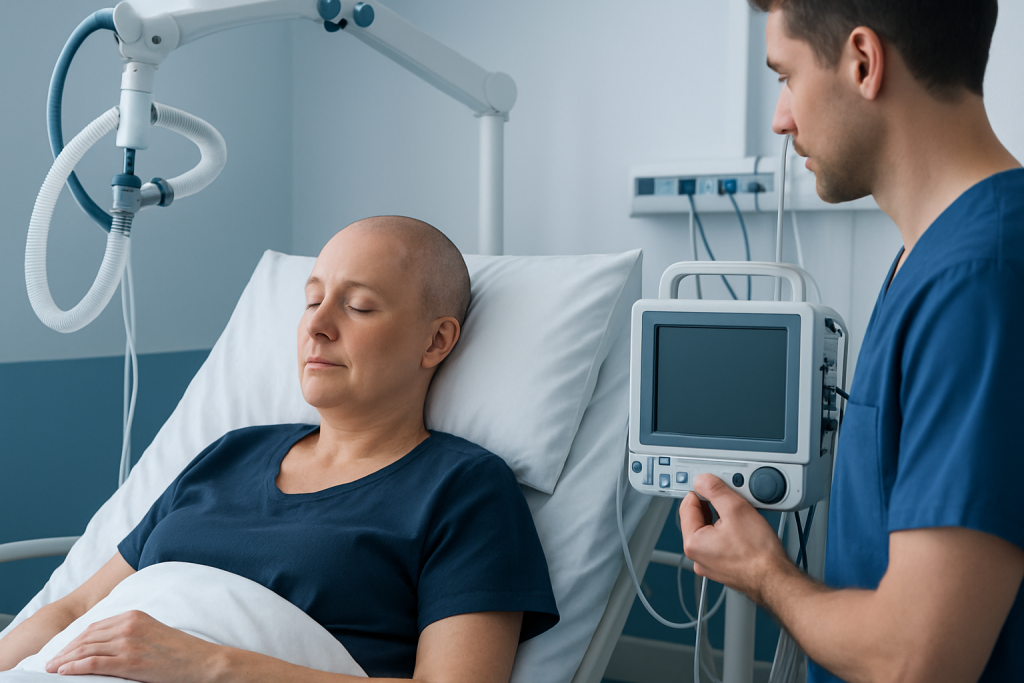
In the first few days after surgery, the medical team closely monitors blood pressure, neurological function, pain, and signs of complications. Some patients spend time in intensive care, especially after a ruptured aneurysm or open surgery. During this period, rest is important, but early gentle movement is also encouraged when safe.
During the first two to six weeks, many people notice fatigue, mild headaches, scalp tenderness after clipping, or soreness at the catheter entry site after coiling. Sleep may be disrupted, and mental tasks can feel more tiring than usual. Daily activities are usually increased slowly, with regular breaks and help from family members when needed.
Over the next several weeks to months, stamina often improves, and many people gradually return to work, exercise, and driving when their doctor says it is safe. Recovery after clipping may take longer than recovery after coiling. If the aneurysm ruptured, the timeline can extend further because rehabilitation may be needed for speech, balance, strength, or memory.
There is no single timetable that fits everyone. Age, other medical conditions, the aneurysm location, the procedure used, and any complications all influence the pace of recovery. Follow-up with a neurosurgeon, neurologist, or interventional specialist helps guide when normal activities can be resumed.
Common Symptoms During Recovery

Many symptoms during brain aneurysm surgery recovery are expected and do not necessarily mean something is wrong. Fatigue is one of the most common concerns. Even simple tasks may feel exhausting for a while, and patients often find that energy returns in small steps rather than all at once.
Headaches can occur after both clipping and coiling, though the pattern varies. People who had clipping may also have scalp numbness, swelling, jaw discomfort, or tenderness near the incision. Those who had endovascular treatment may have bruising or discomfort in the groin or wrist where the catheter was inserted.
Temporary changes in concentration, memory, mood, or sleep are also possible. Some people feel more emotional, irritable, or anxious after hospitalization and surgery. These experiences can be distressing, but they are not unusual, especially after a serious neurological diagnosis or emergency treatment.
If symptoms are improving overall, that is generally reassuring. However, new or worsening weakness, severe drowsiness, confusion, seizures, speech problems, or a sudden intense headache are not considered routine recovery symptoms and need prompt medical attention.
Restrictions After Surgery
Restrictions after brain aneurysm treatment are meant to protect healing tissues and reduce the risk of complications. Most patients are advised to avoid heavy lifting, straining, and strenuous exercise for a period determined by their surgeon. Gentle walking is usually encouraged early because it supports circulation, stamina, and overall recovery.
Driving is often restricted until the doctor confirms that reaction time, vision, strength, and concentration are adequate. This is especially important if there were seizures, neurological symptoms, or a recent brain bleed. Returning to work also depends on the type of job. Desk-based work may be possible sooner than physically demanding work, but mental fatigue can still be limiting.
Alcohol, smoking, and recreational drug use are generally discouraged during recovery. Smoking is particularly important to avoid because it can affect blood vessels and is linked with aneurysm risk. Patients should also ask before restarting activities such as swimming, contact sports, gym training, or long-distance travel.
Medication instructions should be followed carefully. Some people need blood pressure treatment, pain medication, anti-seizure medication, or blood thinners depending on the procedure used. It is safest not to stop or change medicines without medical advice.
Follow-Up Care and Imaging
Follow-up care is an essential part of brain aneurysm surgery recovery. Appointments allow the care team to review symptoms, check wound healing, assess neurological function, and adjust medications. They also provide a chance to discuss sleep, mood, return to work, and any practical concerns about daily life.
Imaging follow-up is often needed, especially after endovascular treatment, because the treated aneurysm must be checked over time. Depending on the situation, doctors may use CT, MRI, or catheter angiography. The schedule varies, but the goal is to confirm that the aneurysm remains securely treated and that no new concerns have appeared.
Some patients may also benefit from rehabilitation services. Physical therapy can help with mobility and balance, occupational therapy can support daily tasks and cognitive strategies, and speech therapy may be useful for communication or swallowing problems. These supports are especially important after a ruptured aneurysm or stroke-like complications.
For patients who need advanced neurological aftercare, treatment planning may involve specialists in neurosurgery, interventional neuroradiology, and neurology. Near the end of recovery planning, some international patients choose centers such as Acibadem International, where multidisciplinary specialists in JCI-accredited hospitals evaluate and treat complex aneurysm cases.
Self-Care and Healthy Recovery Habits
Self-care during recovery focuses on pacing, rest, and protecting overall brain and vascular health. Many patients do best when they spread tasks throughout the day instead of trying to do too much at once. Short walks, regular meals, good hydration, and a consistent sleep routine can support healing.
Blood pressure control is especially important because high blood pressure can place stress on blood vessels. A doctor may recommend home blood pressure checks, dietary changes, and regular medication use. Avoiding tobacco is one of the most helpful long-term steps for vascular health, and support programs can make quitting more manageable.
Nutrition should be balanced and practical rather than restrictive. Protein, fruits, vegetables, whole grains, and adequate fluids support recovery. If appetite is poor, smaller frequent meals may be easier. Family members can help by simplifying daily routines and reducing unnecessary physical or emotional strain.
Emotional recovery matters too. It is common to feel worried after treatment for a condition such as a brain aneurysm. Support from loved ones, counseling, or structured rehabilitation can help patients regain confidence while they recover at their own pace.
When to See a Doctor Urgently
Patients should contact their medical team promptly if recovery does not seem to be moving in the right direction. Concerning signs include increasing headache, repeated vomiting, fever, redness or discharge from the incision, worsening drowsiness, or significant changes in mood or behavior. Problems at the catheter site, such as increasing swelling or bleeding, also need review.
Emergency care is needed for sudden weakness, facial drooping, trouble speaking, new confusion, seizures, fainting, loss of vision, or a sudden severe headache unlike usual recovery pain. These symptoms can suggest bleeding, stroke, infection, or other serious complications and should not be ignored.
It is also reasonable to seek medical advice for symptoms that are less dramatic but persistent, such as poor sleep, depression, memory problems, or inability to return to routine activities. Recovery is not only about survival or wound healing; it also includes quality of life, independence, and emotional well-being.
Regular follow-up and early attention to warning signs can make recovery safer. When in doubt, patients are encouraged to speak with a qualified doctor rather than assume a new symptom is a normal part of healing.
Frequently asked questions
How long does brain aneurysm surgery recovery take?
Recovery can take several weeks to several months, depending on the type of procedure and whether the aneurysm ruptured. Endovascular coiling often allows a faster initial recovery than surgical clipping, but individual timelines vary.
Is fatigue normal after brain aneurysm surgery?
Yes. Fatigue is one of the most common recovery symptoms after both clipping and coiling. It often improves gradually, so pacing activities and allowing regular rest periods can be very helpful.
When can someone drive after aneurysm surgery?
Driving should only resume when the treating doctor says it is safe. The decision depends on healing, concentration, strength, vision, seizure risk, and whether the aneurysm ruptured.
What activities should be avoided during recovery?
Heavy lifting, intense exercise, straining, and other demanding activities are usually restricted for a period after treatment. Patients should also ask before returning to work, traveling, swimming, or restarting sports.
Why are follow-up scans needed after treatment?
Follow-up imaging helps confirm that the aneurysm remains securely treated and checks for any changes over time. This is especially important after endovascular treatment, where long-term monitoring is often part of standard care.
What symptoms after surgery require emergency care?
A sudden severe headache, new weakness, trouble speaking, seizures, confusion, fainting, or loss of vision need urgent evaluation. These symptoms may indicate a serious complication and should be treated as emergencies.
References
- American Stroke Association
- National Institute of Neurological Disorders and Stroke
- National Health Service
- Brain Aneurysm Foundation
- Society of NeuroInterventional Surgery
This article is for general information only and is not a substitute for professional medical advice. Please consult a qualified doctor about your individual situation.
Explore treatments in Turkey — costs, top hospitals & a free quote
JCI-accredited · board-certified surgeons · reply within 24h
Add us as a Preferred Source to see more of our trusted health content across Google Search, AI Overviews and Discover.
Check your numbers in seconds
BMI, calories, due date, blood pressure and 30+ more clinical calculators — free, instant, doctor-reviewed ranges.