Brain Aneurysm Symptoms: When Sudden Headache Needs Emergency Care

Many brain aneurysms cause no symptoms until they leak or rupture. A sudden “worst headache of life” can be a warning sign of bleeding around the brain.
Key Takeaways
- Many brain aneurysms cause no symptoms until they leak or rupture.
- A sudden “worst headache of life” can be a warning sign of bleeding around the brain.
- Emergency evaluation is important if severe headache appears with vomiting, neck stiffness, confusion, weakness, or vision changes.
- Imaging tests such as CT, MRI, and angiography help confirm the diagnosis.
- Treatment depends on the aneurysm’s size, location, rupture status, and the person’s overall health.
Brain aneurysm symptoms may be subtle or absent until an aneurysm leaks or ruptures. A sudden, extremely severe headache with neurological symptoms is a medical emergency and should be assessed immediately.
Overview
A brain aneurysm is a weak or bulging area in the wall of a brain artery. Over time, pressure from blood flow can cause that weakened area to balloon outward. Some aneurysms remain small and stable for years, while others can grow, leak, or rupture.
Many people do not know they have a brain aneurysm because it often causes no symptoms. It may be discovered by chance during imaging done for another reason. When symptoms do occur, they can happen either because the aneurysm is pressing on nearby nerves or because it has started to leak or bleed.
The most urgent concern is a ruptured aneurysm, which causes bleeding around the brain, often called subarachnoid hemorrhage. This is a medical emergency. Quick diagnosis and treatment can reduce the risk of serious complications and improve outcomes.
Brain Aneurysm Symptoms
Unruptured brain aneurysm symptoms are often mild or absent. When an unruptured aneurysm becomes large enough to press on nearby structures, a person may notice pain above or behind one eye, a drooping eyelid, double vision, changes in vision, numbness, or weakness on one side of the face. These symptoms do not always mean an aneurysm is present, but they should be evaluated by a doctor.
The symptoms of a leaking or ruptured aneurysm are very different and much more dramatic. The classic warning sign is a sudden, severe headache that reaches maximum intensity within seconds to minutes. People often describe it as the worst headache they have ever felt.
Other emergency symptoms can include:
- Nausea and vomiting
- Neck stiffness
- Sensitivity to light
- Blurred or double vision
- Confusion or trouble speaking
- Seizures
- Loss of consciousness
- Sudden weakness or numbness
Sometimes a small leak causes a warning headache hours or days before a major rupture. Any unusual sudden severe headache should be treated as urgent, especially if it appears with neurological symptoms. In some cases, these symptoms can overlap with other serious conditions such as stroke.
Causes and Risk Factors

Brain aneurysms develop when part of an artery wall becomes weakened. This weakness may be related to aging, long-term high blood pressure, smoking, or inherited factors that affect blood vessel structure. Aneurysms can occur in anyone, but certain people have a higher risk.
Important risk factors include smoking, uncontrolled hypertension, a family history of brain aneurysm, and certain inherited conditions that affect connective tissue or blood vessels. Female sex and older age are also associated with higher rates of aneurysm formation. In addition, excessive alcohol use and stimulant drug use can increase the risk of rupture.
Most aneurysms are not caused by a single event. Instead, they tend to form over time. A head injury does not usually cause the common berry aneurysm, but trauma can lead to other types of blood vessel injury in the brain.
It is also important to know that not every sudden headache is due to an aneurysm. Severe headaches can have other causes, but because rupture is potentially life-threatening, emergency assessment is essential when warning signs appear.
How Doctors Diagnose a Brain Aneurysm
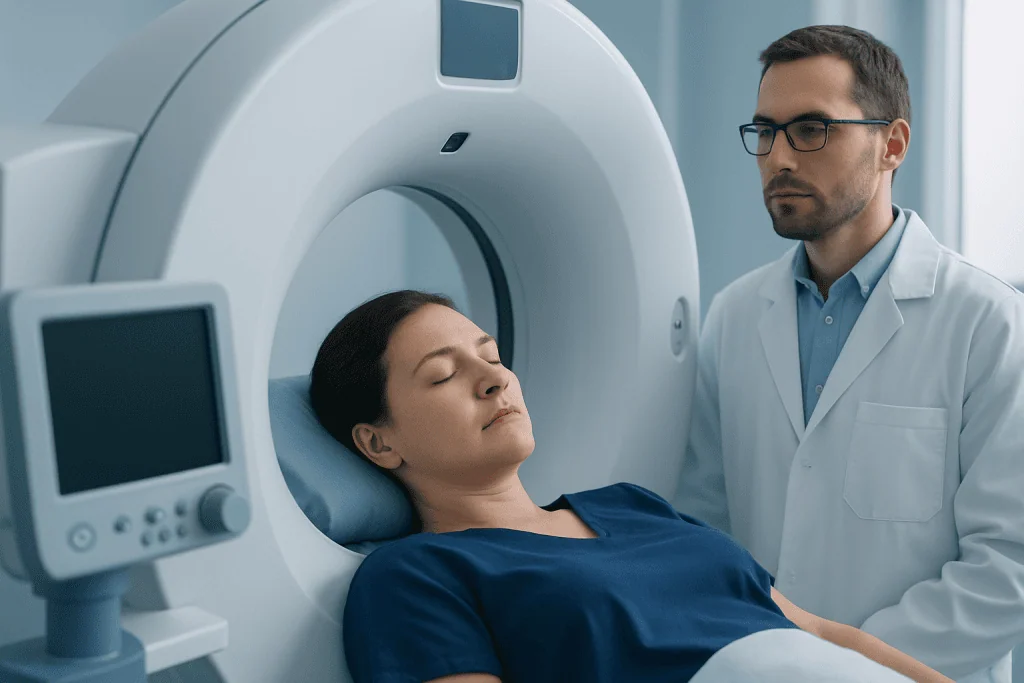
When a ruptured aneurysm is suspected, doctors act quickly. The first step is usually a neurological examination and urgent brain imaging. A non-contrast CT scan of the head is often used first because it can rapidly detect recent bleeding around the brain.
If CT findings are unclear but suspicion remains high, doctors may use additional tests such as lumbar puncture, MRI, or vascular imaging. CT angiography and MR angiography can show blood vessels and may identify an aneurysm. In some situations, catheter angiography provides the most detailed view and helps plan treatment.
For unruptured aneurysms, diagnosis may happen after imaging for headaches, dizziness, vision symptoms, or unrelated reasons. Specialists assess the aneurysm’s size, shape, and location, along with the person’s age, medical history, and family history, to estimate rupture risk and guide care.
Because severe headache can have several causes, doctors may also consider other neurological emergencies, including brain hemorrhage and infection. Careful evaluation helps ensure that urgent conditions are not missed.
Treatment Options
Treatment depends on whether the aneurysm has ruptured, how large it is, where it is located, and the person’s overall health. A ruptured aneurysm needs emergency hospital care. The immediate goals are to stop further bleeding, protect brain function, and manage complications such as vasospasm, hydrocephalus, or increased pressure inside the skull.
Two common procedures are used to secure an aneurysm. One is surgical clipping, in which a neurosurgeon places a small clip at the base of the aneurysm. The other is endovascular treatment, performed from inside the blood vessels, such as interventional neuroradiology procedures including coiling or related techniques. The best approach depends on the aneurysm’s anatomy and the expertise of the treating team.
Not every unruptured aneurysm requires immediate intervention. In some cases, careful monitoring with follow-up imaging may be recommended. In others, treatment may be advised if the aneurysm is larger, has a shape associated with higher risk, is growing, or is in a location more likely to rupture.
After diagnosis, some patients benefit from coordinated care involving neurologists, neurosurgeons, and specialists in neurosurgery. Near the end of the care pathway, patients seeking international evaluation may also be assessed at Acibadem International, where multidisciplinary specialists and JCI-accredited hospitals diagnose and treat complex neurovascular conditions.
Recovery, Prevention, and Self-Care
Recovery after a ruptured aneurysm can vary widely. Some people recover well, while others need rehabilitation for weakness, speech changes, memory problems, or fatigue. Follow-up care is important because healing can take time, and doctors need to watch for complications and make sure the treated aneurysm remains secure.
For people with an unruptured aneurysm, prevention focuses on lowering the risk of growth or rupture. Stopping smoking is one of the most important steps. Controlling blood pressure, limiting excessive alcohol use, following medical advice, and keeping regular follow-up appointments also matter.
General self-care supports overall brain and vascular health. This may include taking prescribed medicines as directed, staying physically active within a doctor’s guidance, managing stress, and treating conditions such as high cholesterol or diabetes when present. People with a strong family history may need specialist counseling about screening.
Anyone who has ongoing headaches should avoid assuming they are harmless, especially if the pattern changes suddenly. Persistent or unusual symptoms deserve medical review, even if they are not as dramatic as a rupture. Imaging such as MRI may sometimes be part of the evaluation when doctors need more information.
When to Seek Emergency Care
Immediate emergency care is needed for a sudden, severe headache that feels unlike previous headaches. This is especially true if it starts instantly or peaks very quickly. Emergency attention is also needed if the headache comes with fainting, confusion, seizure, weakness, speech difficulty, vision changes, or severe vomiting.
People should not drive themselves if they feel faint, confused, or neurologically unwell. Calling emergency services is the safest choice. Rapid assessment can help doctors identify whether the cause is a ruptured aneurysm, another type of bleeding, or a different neurological emergency.
Less urgent but still important symptoms include new double vision, drooping eyelid, persistent pain around one eye, or unexplained facial numbness. These symptoms can occur with an unruptured aneurysm pressing on nearby nerves and should be evaluated promptly by a qualified doctor.
When in doubt, it is safer to be checked. Severe headache is common, but a thunderclap headache is not normal and should never be ignored.
Frequently asked questions
What does a brain aneurysm headache feel like?
A ruptured or leaking brain aneurysm often causes a sudden, explosive headache that becomes severe within moments. Many people describe it as the worst headache of their life. It may also occur with nausea, neck stiffness, or confusion.
Can a brain aneurysm have symptoms before it ruptures?
Yes, but many aneurysms cause no symptoms at all before rupture. If an aneurysm presses on nearby nerves, it may cause eye pain, double vision, a drooping eyelid, or facial numbness. Some people may have a sudden warning headache from a small leak before a major rupture.
Should every sudden severe headache be treated as an emergency?
Yes, a sudden severe headache that peaks quickly should be assessed urgently. While it may have causes other than an aneurysm, doctors need to rule out serious bleeding or other neurological emergencies. Prompt evaluation is the safest approach.
How is a brain aneurysm diagnosed?
Doctors usually begin with a neurological exam and urgent imaging, often a CT scan if rupture is suspected. CT angiography, MR angiography, MRI, or catheter angiography may be used to look closely at the blood vessels. The choice of test depends on symptoms and how urgent the situation is.
Can an unruptured brain aneurysm be left untreated?
Sometimes yes. Small unruptured aneurysms with lower estimated risk may be monitored with repeat imaging rather than treated immediately. The decision depends on size, location, shape, growth, symptoms, and the person’s medical history.
Who is more likely to develop a brain aneurysm?
Risk is higher in people who smoke, have high blood pressure, or have a family history of aneurysm. Some inherited connective tissue or blood vessel disorders also increase risk. Women and older adults are affected more often than some other groups.
References
- World Health Organization
- National Institute of Neurological Disorders and Stroke
- American Stroke Association
- National Health Service
- Centers for Disease Control and Prevention
This article is for general information only and is not a substitute for professional medical advice. Please consult a qualified doctor about your individual situation.
Explore treatments in Turkey — costs, top hospitals & a free quote
JCI-accredited · board-certified surgeons · reply within 24h
Add us as a Preferred Source to see more of our trusted health content across Google Search, AI Overviews and Discover.
Check your numbers in seconds
BMI, calories, due date, blood pressure and 30+ more clinical calculators — free, instant, doctor-reviewed ranges.