Brain Fog After COVID-19: When to Seek Neuropsychiatry or Neurology Care

Brain fog after COVID-19 may include forgetfulness, slower thinking, poor concentration, and mental fatigue. Symptoms can be related to long COVID, sleep problems, mood changes, inflammation, medication effects, or other medical conditions.
Key Takeaways
- Brain fog after COVID-19 may include forgetfulness, slower thinking, poor concentration, and mental fatigue.
- Symptoms can be related to long COVID, sleep problems, mood changes, inflammation, medication effects, or other medical conditions.
- Urgent medical care is needed for sudden confusion, weakness, speech trouble, seizures, severe headache, or stroke-like symptoms.
- Neurology or neuropsychiatry evaluation may help when symptoms last for weeks, interfere with work or school, or are difficult to explain.
- Treatment usually focuses on identifying contributing factors, supporting recovery, and managing cognitive, sleep, mood, and energy-related symptoms.
Brain fog after COVID-19 is a common term for ongoing problems with attention, memory, mental speed, and clear thinking after a coronavirus infection. Many people improve gradually, but persistent or disruptive symptoms may benefit from assessment by a neurologist or neuropsychiatrist.
Overview
Brain fog after COVID-19 is not a single disease. It is a patient-friendly term used to describe thinking and concentration problems that continue during recovery from COVID-19 or appear as part of post-COVID symptoms. People may notice that their mind feels less sharp, tasks take longer, or they become mentally tired more quickly than before.
These symptoms are often discussed within the broader picture of long COVID, also called post-COVID condition. Brain fog can affect adults of any age, including people who had mild initial infections. It may also occur alongside fatigue, headaches, sleep disruption, anxiety, low mood, shortness of breath, or changes in smell and taste.
For many people, symptoms improve with time, rest, and treatment of contributing issues such as poor sleep or mood changes. Still, persistent cognitive symptoms deserve attention because they can affect work, driving, school performance, household tasks, and quality of life. A careful medical assessment can help clarify whether symptoms are part of post-COVID recovery or whether another neurologic or psychiatric issue is contributing.
Common Symptoms
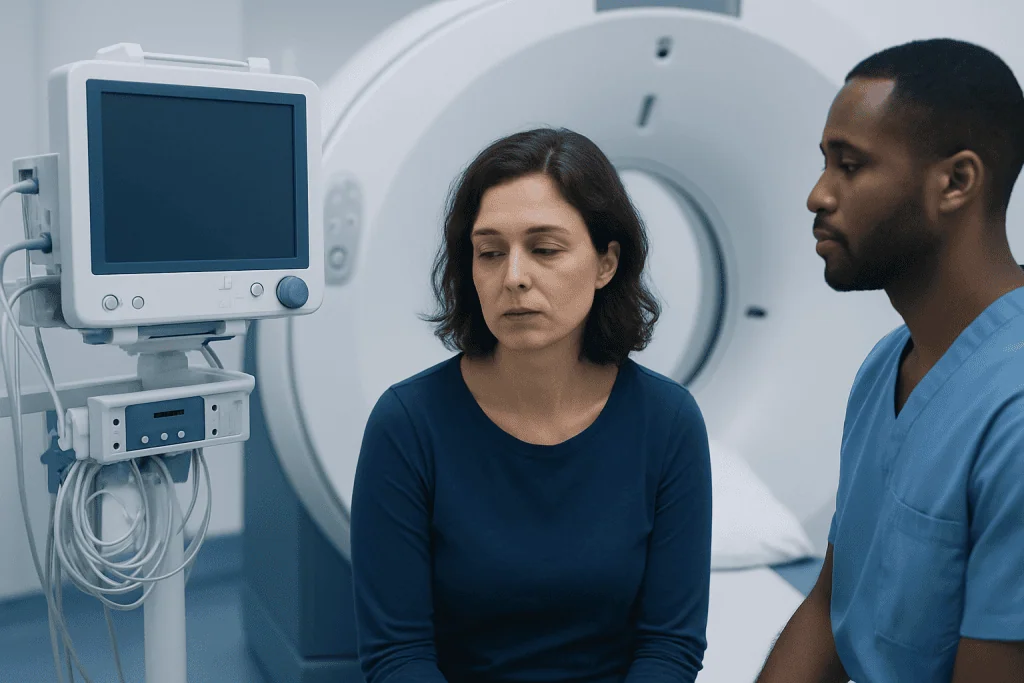
Brain fog often feels different from ordinary tiredness or occasional forgetfulness. People may describe difficulty focusing during conversations, trouble keeping track of details, losing their train of thought, needing more time to read, or forgetting recent information. Some notice word-finding difficulty, mental slowness, reduced multitasking ability, or feeling overwhelmed by complex tasks.
Symptoms may fluctuate from day to day. They can become more noticeable after physical activity, poor sleep, emotional stress, or long periods of concentration. Many people also experience “mental fatigue,” where thinking becomes harder as the day goes on even if they can still perform basic tasks.
Associated symptoms can offer useful clues. These may include headaches, dizziness, disturbed sleep, anxiety, depression, irritability, sensory overload, reduced motivation, or symptoms of autonomic dysfunction such as palpitations and lightheadedness on standing. Because the pattern varies, a clinician will usually look at the whole symptom picture rather than one complaint alone.
- Difficulty concentrating or staying on task
- Forgetfulness, especially for recent information
- Slower thinking or processing speed
- Trouble finding words or organizing thoughts
- Mental fatigue that worsens with exertion or stress
Why It Can Happen After COVID-19

There is no single explanation for brain fog after COVID-19, and research is still evolving. In some people, symptoms may reflect the body’s response to infection, including inflammation, immune changes, or effects on the nervous system. In others, brain fog may be more closely linked to disrupted sleep, chronic fatigue, pain, anxiety, depression, medication side effects, or reduced physical conditioning after illness.
COVID-19 can also uncover pre-existing issues that were previously mild or unnoticed. For example, sleep apnea, migraine, attention difficulties, mood disorders, thyroid disease, vitamin deficiencies, or stress-related cognitive symptoms may become more apparent during recovery. This is one reason an individualized evaluation matters.
In a smaller number of cases, new neurologic conditions may develop around the same time as or after infection. These are uncommon but important to consider when symptoms are severe, progressive, or accompanied by concerning signs. Depending on the person’s history, doctors may also evaluate for related concerns such as headaches, dizziness, neuropathy, or complications of severe illness requiring hospitalization.
Because brain fog can overlap with other neurologic conditions, a doctor may consider whether symptoms fit a different diagnosis, such as a sleep-related disorder, memory disorder, migraine-associated cognitive symptoms, or depression affecting concentration and motivation. The goal is not to label symptoms too quickly, but to understand the full picture safely.
When to Seek Neurology or Neuropsychiatry Care
Many people can begin by discussing symptoms with a primary care doctor, especially if the symptoms are mild and improving. Specialist evaluation becomes more important when brain fog lasts for several weeks or months, clearly interferes with daily life, or is difficult to explain. Neurology and neuropsychiatry can both play a role, depending on the pattern of symptoms.
A neurologist may be especially helpful if there are headaches, numbness, weakness, balance problems, tremor, fainting, seizures, severe dizziness, or concern for another nervous system disorder. A neuropsychiatrist may be particularly helpful when cognitive symptoms are closely linked with sleep problems, anxiety, depression, trauma, behavior changes, emotional regulation difficulties, or uncertainty about how brain and mental health symptoms are interacting.
Urgent medical attention is needed if symptoms are sudden, severe, or suggest an emergency. Warning signs include new one-sided weakness, facial droop, trouble speaking, severe sudden headache, loss of consciousness, seizures, chest pain, or confusion that rapidly worsens. These symptoms should not be assumed to be simple brain fog.
People sometimes benefit from a structured evaluation through neurology consultation or neuropsychiatry evaluation when symptoms affect job performance, schoolwork, driving, or independent living. If fatigue, sleep disturbance, headaches, or mood changes are central parts of the problem, those symptoms may be assessed and treated alongside cognition rather than separately.
How Doctors Evaluate Brain Fog
Assessment usually begins with a detailed conversation about the timing of COVID-19 infection, current symptoms, and how daily life has changed. Doctors often ask about sleep quality, mood, stress, medications, headaches, dizziness, exercise tolerance, alcohol use, and any prior history of learning, attention, psychiatric, or neurologic conditions. A physical and neurologic examination may also be performed.
Not everyone needs extensive testing. In many cases, the history and exam guide next steps. Basic blood tests may be recommended to look for treatable contributors such as anemia, thyroid problems, low vitamin B12, electrolyte disturbances, or other metabolic issues. If there are focal neurologic symptoms or atypical findings, imaging or other studies may be considered.
Cognitive screening can help identify the main areas affected, such as attention, processing speed, memory, or executive function. Some people may benefit from more detailed neuropsychological testing to understand strengths and weaknesses, especially if symptoms are prolonged or affecting work and school. When sleep concerns are prominent, doctors may also consider sleep evaluation if appropriate.
The purpose of evaluation is not simply to confirm that brain fog exists, but to find practical targets for treatment. That may include uncovering untreated insomnia, migraine, depression, anxiety, autonomic symptoms, medication effects, or another condition that is making concentration and memory feel worse.
Treatment and Recovery
There is no single medicine that reliably cures brain fog after COVID-19, so treatment usually focuses on the factors that are contributing to symptoms. For some people, the most helpful steps are improving sleep, treating headaches, addressing anxiety or depression, correcting nutritional or hormonal problems, and pacing activity to avoid worsening fatigue. Recovery plans are often individualized and may change over time.
Cognitive rehabilitation strategies can be useful when symptoms persist. These may include planning tasks at times of day when energy is best, reducing multitasking, using calendars and reminders, taking regular breaks, and breaking complex work into smaller steps. Some patients benefit from referral to rehabilitation specialists, speech-language therapists, occupational therapists, or psychologists depending on the symptom pattern.
When mental health symptoms are present, treatment can be especially valuable because anxiety, depression, grief, trauma, and chronic stress can strongly affect attention and memory. Addressing these issues does not mean the symptoms are “all in the head.” It means that brain recovery often improves when emotional and physical health are treated together.
In more complex cases, multidisciplinary care may be helpful. Acibadem International’s multidisciplinary specialists and JCI-accredited hospitals evaluate and treat post-COVID cognitive concerns for international patients, including cases that may benefit from coordinated neurologic, neuropsychiatric, rehabilitation, and sleep-related care.
Self-care, Prevention, and Daily Coping
People recovering from COVID-19 often do best with steady, realistic routines rather than pushing through symptoms. Regular sleep and wake times, adequate hydration, balanced meals, gentle physical activity as tolerated, and stress reduction can support recovery. Many people find that overexertion worsens both fatigue and concentration, so pacing is important.
Helpful coping strategies include minimizing distractions, writing down key information, using reminder apps, and scheduling demanding tasks when energy is highest. It can also help to communicate openly with employers, teachers, or family members about temporary limits. Short rest breaks are often more effective than working until exhaustion.
Prevention of future infections and general health maintenance may reduce the chance of setbacks. Staying current with recommended vaccinations, managing chronic conditions, and seeking prompt care for sleep, mood, or headache problems can all support overall brain health. If symptoms are not improving, it is reasonable to ask whether further evaluation for long COVID or related conditions is needed.
Self-care should not replace medical advice when symptoms are significant. Persistent cognitive problems deserve proper evaluation, especially if they continue to interfere with safety, independence, work, or school responsibilities.
When to Follow Up
Follow-up is important when symptoms continue beyond the early recovery period, fluctuate without clear improvement, or begin to limit normal activities. A review after several weeks can help determine whether recovery is on track or whether additional testing, therapy, or specialist referral is needed. Some people need only reassurance and monitoring, while others benefit from a more structured plan.
It is also wise to seek reassessment if new symptoms appear, such as worsening headaches, marked mood changes, blackouts, trouble walking, weakness, or sensory changes. These symptoms may point to something beyond typical post-viral cognitive complaints. Changes in medications or sleep patterns should also be discussed, since both can affect attention and memory.
For students, working adults, and older adults, early support can reduce frustration and help maintain function. Even when test results are normal, symptoms can still be real and disruptive. A supportive clinical approach can help identify practical strategies while watching for signs that more specialized neurologic or psychiatric care is needed.
Frequently asked questions
Is brain fog after COVID-19 a real medical problem?
Yes. Brain fog is a widely used term for cognitive symptoms such as poor concentration, forgetfulness, and slower thinking that can occur during or after COVID-19 recovery. Although it is not a formal diagnosis by itself, the symptoms are real and can be assessed medically.
How long does brain fog after COVID-19 last?
The duration varies from person to person. Some people improve within weeks, while others have symptoms that last for months and may fluctuate over time. If symptoms are persistent or disruptive, a medical review can help identify treatable contributors.
Should a person see a neurologist or a neuropsychiatrist?
That depends on the symptom pattern. Neurology may be more appropriate when brain fog comes with headaches, weakness, numbness, balance problems, or other neurologic signs. Neuropsychiatry may be especially helpful when cognitive symptoms overlap with anxiety, depression, sleep problems, behavior changes, or emotional symptoms.
Can anxiety or depression make post-COVID brain fog worse?
Yes. Anxiety, depression, stress, and poor sleep can all reduce attention, memory, and mental stamina. Treating these issues does not dismiss the symptoms; it can be an important part of improving cognitive recovery.
What warning signs mean urgent care is needed?
Sudden confusion, severe headache, seizures, fainting, one-sided weakness, facial droop, speech difficulty, or sudden vision changes need urgent medical assessment. These symptoms may signal a medical emergency and should not be assumed to be routine brain fog.
Are tests always needed for brain fog after COVID-19?
Not always. Many people are evaluated with a history, physical examination, and selective blood tests based on symptoms. More detailed testing, imaging, or neuropsychological assessment is usually guided by red flags, duration, severity, or impact on daily life.
References
- World Health Organization
- Centers for Disease Control and Prevention
- National Institute of Neurological Disorders and Stroke
- National Institute of Mental Health
- National Institute for Health and Care Excellence
This article is for general information only and is not a substitute for professional medical advice. Please consult a qualified doctor about your individual situation.
Neuropsychiatry in Turkey — costs, top hospitals & a free quote
JCI-accredited · board-certified surgeons · reply within 24h
Add us as a Preferred Source to see more of our trusted health content across Google Search, AI Overviews and Discover.