Brain Fog, Memory Loss, or Mood Change: When Neuropsychiatry May Help

Neuropsychiatry evaluates symptoms that overlap between the brain and mental health, such as memory loss, concentration problems, and personality or mood changes. Brain fog and mood symptoms can have many causes, including stress, sleep problems, medication effects, neurological conditions, hormonal changes, and medical illness.
Key Takeaways
- Neuropsychiatry evaluates symptoms that overlap between the brain and mental health, such as memory loss, concentration problems, and personality or mood changes.
- Brain fog and mood symptoms can have many causes, including stress, sleep problems, medication effects, neurological conditions, hormonal changes, and medical illness.
- Assessment may include a detailed history, physical and neurological examination, cognitive testing, blood tests, and sometimes brain imaging.
- Treatment depends on the cause and may involve medication review, psychotherapy, sleep and lifestyle support, and care from neurology or other specialists.
- Sudden confusion, stroke-like symptoms, seizures, or rapidly worsening memory loss need urgent medical attention.
Neuropsychiatry can help when brain fog, memory problems, or mood changes may be linked to both brain function and mental health. It brings neurological and psychiatric expertise together to look for the cause and guide appropriate treatment.
Overview
Brain fog, memory loss, and mood changes are common concerns, but they are not diagnoses on their own. These symptoms can affect attention, thinking speed, motivation, emotions, and day-to-day functioning. In some people, they are related mainly to stress, anxiety, depression, poor sleep, or burnout. In others, they may reflect a neurological, hormonal, metabolic, or medication-related problem.
Neuropsychiatry is a field that focuses on this overlap between brain health and mental health. A neuropsychiatrist looks at how changes in the brain, nervous system, and general health may influence mood, behavior, memory, concentration, and thinking. This can be especially useful when symptoms do not fit neatly into only a psychiatric or only a neurological category.
People may be referred for neuropsychiatric assessment after noticing new forgetfulness, difficulty finding words, feeling mentally “slowed,” changes in personality, unexplained anxiety, or low mood that began with physical symptoms. It may also be helpful after head injury, infection, seizures, stroke, or in conditions that affect cognition and behavior over time.
Common Symptoms
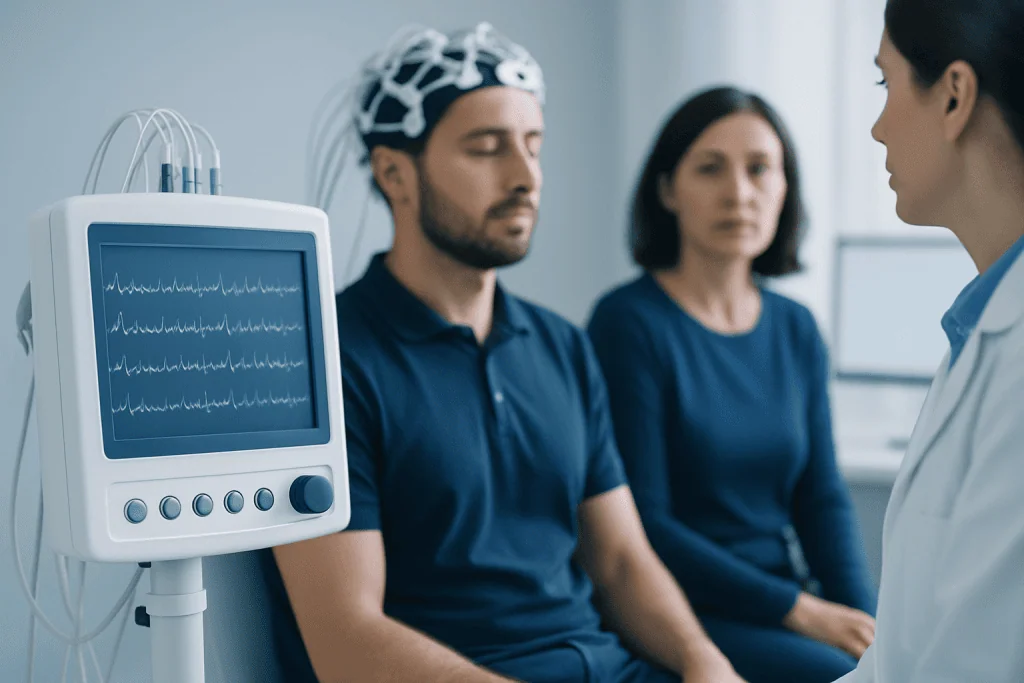
Brain fog is a non-medical term, but many people use it to describe real cognitive symptoms. These can include trouble concentrating, feeling mentally tired, being easily distracted, slower processing, and difficulty organizing tasks. Some people notice that work, study, or conversations become harder than usual, even when they are trying their best.
Memory concerns vary widely. A person may forget appointments, misplace items more often, repeat questions, lose track of what they were doing, or struggle to recall recent conversations. Memory symptoms can be mild and temporary, or they can interfere more clearly with independent living. It is also common for people with anxiety or depression to feel forgetful because attention and recall are affected by emotional strain.
Mood and behavior changes may include irritability, sadness, loss of interest, anxiety, sudden emotional reactions, apathy, impulsive behavior, or changes in social judgment. Family members sometimes notice these changes before the person does. When cognitive and emotional symptoms appear together, neuropsychiatry may help clarify whether they are related to a mental health condition, a neurological issue, or both.
- Difficulty focusing or multitasking
- Short-term memory problems
- Word-finding difficulty
- Mental fatigue
- Anxiety, low mood, or emotional instability
- Personality or behavior changes
Possible Causes and Risk Factors

There is no single cause of brain fog, memory loss, or mood change. Everyday factors such as poor sleep, chronic stress, grief, overwork, dehydration, low physical activity, or alcohol and substance use can affect concentration and emotional balance. Anxiety and depression are also common causes of cognitive complaints, especially when symptoms include poor focus, mental fatigue, and a sense of reduced sharpness.
Medical causes are also important to consider. Thyroid disorders, vitamin deficiencies, anemia, infections, autoimmune conditions, chronic pain, hormonal changes, and side effects from medications can all affect cognition and mood. Sleep disorders such as insomnia or sleep apnea may lead to daytime confusion, irritability, and memory lapses. In some cases, symptoms follow a concussion or other head injury.
Neurological conditions may also play a role. These can include seizures, migraine-related cognitive symptoms, stroke, neuroinflammatory disease, movement disorders, and neurodegenerative conditions. Some people may need further evaluation for disorders involving memory and thinking, such as Alzheimer’s disease or Parkinson’s disease, especially if changes are persistent or progressive. Risk may increase with older age, certain chronic illnesses, family history, vascular risk factors, and prior neurological injury.
How Neuropsychiatric Evaluation Works
A neuropsychiatric evaluation usually begins with a detailed discussion of symptoms and medical history. The clinician will ask when the problem started, whether it came on suddenly or gradually, what makes it better or worse, and how it affects daily life. Information about sleep, medications, alcohol or drug use, stress, head injuries, recent illness, and family history can be very important.
The assessment often includes both a mental health review and a neurological perspective. Mood, anxiety, behavior, attention, and memory are considered together rather than separately. A physical and neurological examination may be recommended, especially if there are signs such as weakness, tremor, coordination problems, numbness, headaches, or changes in speech.
Depending on the situation, doctors may suggest blood tests to look for reversible causes, structured cognitive testing, or imaging studies such as MRI when there is concern about brain structure or neurological disease. Some people benefit from more detailed neuropsychological testing to measure memory, attention, language, and executive function in a standardized way. The goal is not simply to label symptoms, but to understand why they are happening and what type of support is most appropriate.
Treatment Options
Treatment depends on the underlying cause. If symptoms are related to anxiety, depression, trauma, or stress, care may include psychotherapy, stress management, sleep support, and, when appropriate, medication. If a medical issue is contributing, treatment may focus on correcting the underlying problem, such as managing thyroid disease, addressing vitamin deficiency, reviewing medications, or treating a sleep disorder.
When a neurological condition is involved, care is often shared with neurology and other specialists. For example, symptoms after head injury, stroke, seizure disorders, or movement disorders may need a coordinated plan that addresses both brain function and emotional well-being. In selected cases, doctors may recommend EEG if seizures or unusual episodes are suspected, or referral for neurological rehabilitation and cognitive support.
Practical strategies can also make a meaningful difference. These may include using reminders and calendars, reducing multitasking, building routines, pacing demanding tasks, and improving sleep habits. If memory or mood symptoms are affecting safety, work, finances, or driving, professional guidance is important. Near the end of the care pathway, some people may seek multidisciplinary assessment at centers such as Acibadem International, where JCI-accredited hospitals and specialists support international patients with neurological and mental health concerns.
Self-care and Prevention
Not every cause of brain fog or mood change can be prevented, but healthy daily habits support brain and emotional health. Consistent sleep, regular physical activity, balanced meals, hydration, and limiting alcohol can all help attention, energy, and mood. Managing stress through relaxation techniques, social support, and realistic workloads may reduce cognitive complaints that come from exhaustion or emotional overload.
It is also wise to review medicines regularly with a doctor or pharmacist, especially if symptoms began after starting a new treatment. Over-the-counter sleep aids, antihistamines, some pain medicines, and other drugs can affect alertness and memory in some people. People should avoid stopping prescribed medication on their own, but they should discuss any concerns promptly.
For those living with chronic medical or neurological conditions, regular follow-up matters. Managing blood pressure, diabetes, cholesterol, and sleep problems may help protect brain health over time. If symptoms are new, persistent, or worsening, self-care should not replace medical evaluation. Early assessment can sometimes identify a reversible cause and reduce unnecessary worry.
When to See a Doctor
A doctor should be consulted if brain fog, memory loss, or mood change lasts for more than a short period, comes back repeatedly, or starts to interfere with work, school, relationships, or independent living. Medical advice is also important if family members notice personality changes, poor judgment, increasing confusion, or a decline from the person’s usual abilities. These symptoms deserve careful attention even when they seem mild at first.
Urgent care is needed for sudden confusion, fainting, seizures, severe headache, new weakness, numbness, difficulty speaking, vision loss, or one-sided facial drooping. These may be signs of a neurological emergency. A rapidly worsening change in memory or behavior, especially with fever or reduced consciousness, also needs prompt evaluation.
People should also seek help if low mood, anxiety, or cognitive symptoms are leading to hopelessness, self-neglect, substance misuse, or thoughts of self-harm. Neuropsychiatry may be particularly helpful when symptoms do not have a clear explanation, when more than one factor may be involved, or when both emotional and neurological features appear together.
Frequently asked questions
What does a neuropsychiatrist do?
A neuropsychiatrist evaluates symptoms that involve both mental health and brain function. This can include memory problems, brain fog, mood changes, behavior changes, attention difficulties, and symptoms after neurological illness or injury.
Is brain fog always a sign of a serious brain disease?
No. Brain fog is common and often relates to stress, poor sleep, anxiety, depression, medication effects, or general medical issues. However, persistent or worsening symptoms should be assessed so that treatable causes are not missed.
Can depression or anxiety cause memory problems?
Yes. Depression and anxiety can affect attention, processing speed, motivation, and recall, which may feel like memory loss. A proper assessment helps determine whether symptoms are mainly emotional, neurological, medical, or a combination.
What tests might be needed for memory loss or mood change?
Testing depends on the person’s symptoms and history. It may include a clinical interview, physical and neurological examination, blood tests, cognitive screening, neuropsychological testing, and sometimes brain imaging or EEG.
When should memory loss be treated as urgent?
Sudden confusion, abrupt memory change, stroke-like symptoms, seizures, severe headache, or reduced consciousness need urgent medical attention. Rapid decline in behavior or thinking, especially with fever or new neurological signs, should also be evaluated quickly.
Can lifestyle changes improve brain fog?
Often, yes. Better sleep, regular exercise, hydration, balanced nutrition, stress reduction, and limiting alcohol may improve concentration and mental energy. Still, persistent symptoms should be discussed with a qualified doctor rather than managed only at home.
References
- World Health Organization
- National Institute of Mental Health
- National Institute on Aging
- American Psychiatric Association
- American Academy of Neurology
This article is for general information only and is not a substitute for professional medical advice. Please consult a qualified doctor about your individual situation.
Neuropsychiatry in Turkey — costs, top hospitals & a free quote
JCI-accredited · board-certified surgeons · reply within 24h
Add us as a Preferred Source to see more of our trusted health content across Google Search, AI Overviews and Discover.