Brain Lobes: Functions of the Frontal, Parietal, Temporal, and Occipital Lobes

The frontal, parietal, temporal, and occipital lobes each have distinct but overlapping jobs. Problems in one lobe can affect movement, speech, memory, attention, sensation, or vision.
Key Takeaways
- The frontal, parietal, temporal, and occipital lobes each have distinct but overlapping jobs.
- Problems in one lobe can affect movement, speech, memory, attention, sensation, or vision.
- Symptoms depend on where the brain is affected and may develop suddenly or gradually.
- Diagnosis often includes a neurological exam and imaging such as MRI or CT.
- Treatment focuses on the underlying cause and may involve medication, rehabilitation, or surgery when appropriate.
The brain’s four main lobes work together to support movement, sensation, language, memory, vision, and higher thinking. Understanding each lobe’s role can help explain how brain symptoms arise and why medical evaluation matters when changes appear.
Overview
The brain is often described as having four main lobes: the frontal, parietal, temporal, and occipital lobes. Each lobe contributes to different functions, but the brain works as an integrated network rather than as separate compartments. That means many everyday abilities, such as speaking, reading, planning, and recognizing faces, depend on more than one region at the same time.
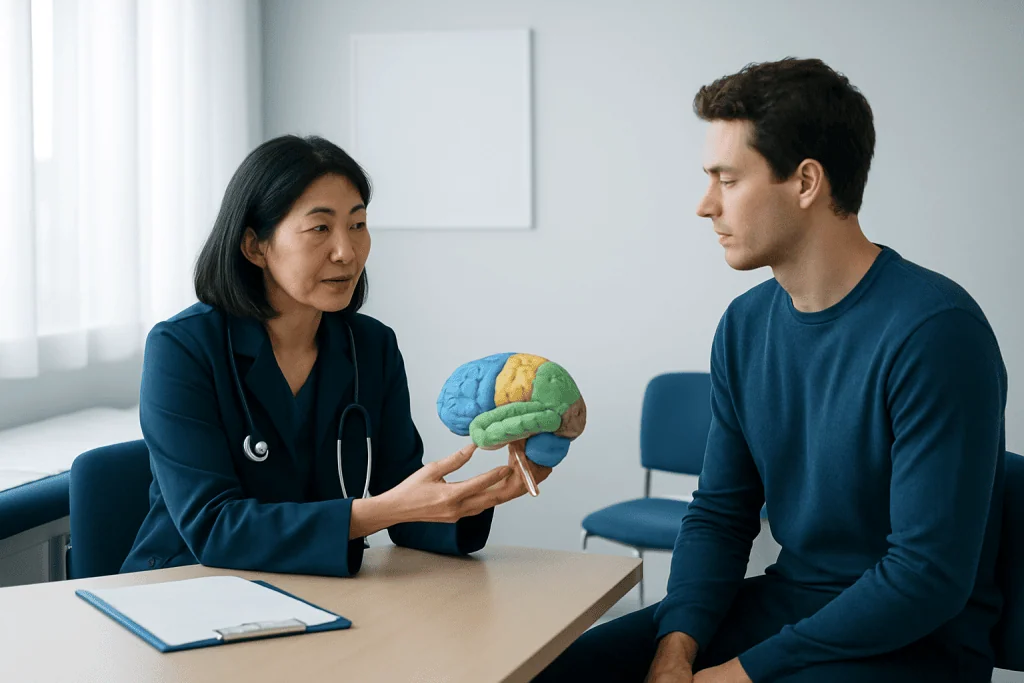
The frontal lobe is commonly linked to planning, decision-making, voluntary movement, and aspects of personality. The parietal lobe helps the brain process touch, body position, and spatial awareness. The temporal lobe is important for hearing, language understanding, and memory. The occipital lobe is the main center for visual processing.
When a person understands the functions of the lobes, it becomes easier to make sense of symptoms such as weakness, confusion, trouble speaking, or vision changes. In some cases, these symptoms can reflect conditions such as stroke, trauma, infection, epilepsy, tumors, or degenerative disorders, and they should be assessed by a qualified clinician.
Frontal Lobe: Planning, Movement, and Behavior
The frontal lobe sits at the front of the brain and plays a major role in executive function. This includes planning, organizing, problem-solving, focusing attention, regulating emotions, and making decisions. It also supports voluntary movement through areas that send signals to the muscles.
Damage or dysfunction in the frontal lobe can lead to weakness or poor coordination on one side of the body, difficulty initiating speech, changes in judgment, reduced impulse control, or personality changes. In some people, the effects may be subtle, such as trouble with multitasking or slowed thinking, while in others they may be more obvious.
The frontal lobe also includes areas involved in speech production, especially in the dominant hemisphere for language. When these areas are affected, a person may know what they want to say but struggle to form words clearly. Depending on the cause, rehabilitation and speech therapy may help improve function over time.
Parietal Lobe: Sensation and Spatial Awareness
The parietal lobe helps interpret sensory information from the body, including touch, pressure, pain, temperature, and position. It also helps the brain understand spatial relationships, which is important for tasks such as reaching for an object, navigating a room, reading, and using both sides of the body together.
When the parietal lobe is affected, symptoms may include numbness, tingling, trouble recognizing objects by touch, or difficulty judging distance and direction. Some people may have neglect of one side of space, meaning they do not fully notice items or movement on that side. This can affect daily activities and safety.
Because the parietal lobe integrates sensory input, symptoms may seem unrelated at first. A person may describe clumsiness, difficulty dressing, or trouble with handwriting rather than a clear sensory problem. A neurological examination can help identify the pattern and guide further testing.
Temporal Lobe: Hearing, Language, and Memory
The temporal lobes are located on the sides of the brain and are closely involved in hearing, language comprehension, and memory. They help a person understand spoken words, recognize sounds, store new memories, and connect emotions with experience. One side of the temporal lobe is especially important for language understanding in many people.
Problems in the temporal lobe may cause difficulty understanding speech, word-finding problems, memory lapses, or changes in behavior and emotion. Some people experience episodes that briefly alter awareness, such as staring spells or unusual sensations, because this area is also a common site for certain types of seizures.
Memory concerns can have many causes, and not all of them involve permanent brain injury. In some cases, symptoms are related to medication effects, sleep problems, stress, or neurodegenerative disease. A doctor can help distinguish between these possibilities and recommend the right evaluation.
Occipital Lobe: Vision Processing
The occipital lobes are located at the back of the brain and are the main centers for visual processing. They help interpret shape, color, motion, and the position of objects in the visual field. Much of what people “see” depends on the occipital lobe turning raw visual signals into meaningful information.
When the occipital lobe is affected, symptoms can include blurred or missing areas of vision, difficulty recognizing what is seen, or seeing things differently even when the eyes themselves are healthy. Some people notice trouble reading, identifying objects, or judging movement, depending on the area involved.
Visual symptoms can also come from the eyes, optic nerves, or other parts of the brain, so they are not always caused by the occipital lobe alone. A careful assessment is often needed to determine whether the concern is ocular, neurological, or both.
Causes and Risk Factors of Lobe-Related Symptoms
Many different conditions can affect one or more brain lobes. Common causes include stroke, head injury, brain tumors, infections, inflammation, epilepsy, multiple sclerosis, and degenerative neurological diseases. Less commonly, congenital or developmental conditions can also affect brain function.
Risk factors depend on the underlying cause. For example, high blood pressure, diabetes, smoking, and atrial fibrillation can raise stroke risk, while repeated head injuries may increase the chance of brain trauma-related symptoms. Age, family history, immune conditions, and certain cancers may also play a role in some diagnoses.
It is important to remember that symptoms do not automatically mean serious disease, but new or persistent changes in speech, memory, movement, sensation, or vision deserve medical attention. Understanding the possible causes helps guide timely evaluation and appropriate care.
Diagnosis
Diagnosis usually begins with a detailed medical history and neurological examination. The doctor may ask when symptoms started, whether they changed suddenly or gradually, and whether they affect movement, language, memory, sensation, or vision. Family history, medications, and recent injuries are also important.
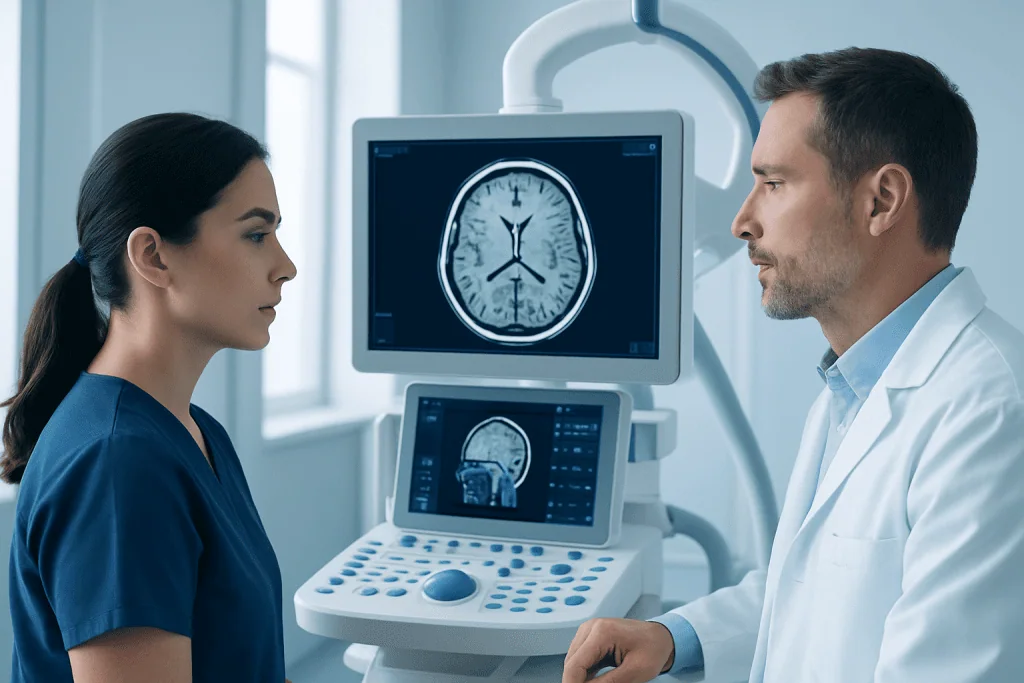
Depending on the findings, the next step may include imaging studies such as MRI or CT to look for stroke, bleeding, tumors, inflammation, or structural changes. Blood tests, EEG, vision testing, or cognitive assessment may also be recommended. In some situations, doctors use specialized testing to measure language, memory, or motor function more closely.
Because several conditions can look similar at first, careful evaluation matters. For example, a person with new confusion or speech difficulty may need urgent assessment to rule out time-sensitive causes. Early diagnosis can help guide treatment and improve outcomes.
Treatment Options
Treatment depends entirely on the cause of the brain-lobe problem. A stroke may require urgent hospital care and longer-term rehabilitation, while seizures may be treated with anti-seizure medicine. Inflammatory or infectious conditions may call for other specific therapies, and some tumors may be treated with surgery, radiation, or medication. Supportive therapies such as physical therapy, occupational therapy, and speech therapy are often important for recovery.
For people with memory, attention, or language difficulties, rehabilitation can help build compensatory strategies and support daily living. When symptoms affect mobility or balance, therapy may reduce fall risk and improve independence. If a condition is progressive, care may focus on slowing decline, managing symptoms, and preserving quality of life.
In some cases, treatment is coordinated by multiple specialists. Acibadem International’s multidisciplinary specialists and JCI-accredited hospitals diagnose and treat neurological conditions for international patients when appropriate. For people seeking care, a team approach can be especially helpful when symptoms involve more than one brain function.
Prevention and Self-Care
Not all brain-lobe conditions are preventable, but general brain health measures can lower risk for several common causes. Managing blood pressure, blood sugar, and cholesterol; not smoking; staying physically active; and following a heart-healthy diet can support vascular health. Wearing protective equipment during sports or risky activities may reduce the chance of head injury.
Sleep, stress management, alcohol moderation, and regular medical follow-up also matter. People with epilepsy, migraines, or chronic neurological disease should take prescribed treatment as directed and keep appointments with their care team. If memory or attention problems are present, routines, reminders, and family support can make daily life easier.
- Take prescribed medicines consistently.
- Use seat belts and protective gear to help prevent injury.
- Seek care for new headaches, seizures, weakness, or vision changes.
- Keep track of symptoms to help doctors identify patterns.
When to See a Doctor
Medical evaluation is appropriate for any new, worsening, or unexplained change in movement, speech, memory, behavior, sensation, or vision. Sudden weakness, face drooping, trouble speaking, severe confusion, or new vision loss should be treated as urgent and assessed right away. Even milder symptoms may be important if they persist or interfere with daily life.
A doctor can help determine whether the symptom is related to a brain lobe, another part of the nervous system, or a non-neurological cause. Prompt assessment is especially important after head injury, in people with stroke risk factors, or when seizures are suspected. Early care can make diagnosis clearer and treatment more effective.
For ongoing concerns, a neurologist or other specialist can explain test results and recommend a plan tailored to the person’s needs. The goal is not only to identify the cause, but also to protect function, support independence, and improve quality of life.
Frequently asked questions
What are the four main lobes of the brain?
The four main lobes are the frontal, parietal, temporal, and occipital lobes. Each one contributes to different abilities such as movement, sensation, language, memory, and vision. They work together as a connected network rather than as separate units.
Which brain lobe controls movement and decision-making?
The frontal lobe is most closely associated with voluntary movement, planning, judgment, and behavior. It also helps with attention and aspects of speech production. Problems in this area can affect both physical and thinking skills.
What does the parietal lobe do?
The parietal lobe processes sensory information from the body, including touch and body position. It also helps with spatial awareness and coordination of movement in space. This is important for tasks such as dressing, reaching, and navigation.
How is the temporal lobe related to memory and language?
The temporal lobe helps the brain understand spoken language, recognize sounds, and store memories. It also contributes to emotional processing and, in some people, seizure activity. Symptoms may include word-finding difficulty or memory problems.
Can occipital lobe problems affect vision even if the eyes are healthy?
Yes. The occipital lobe processes visual information, so a problem there can cause vision changes even when the eyes themselves are not the main issue. A medical evaluation can help tell the difference between eye and brain-related causes.
When should someone seek urgent medical care for a brain symptom?
Urgent care is needed for sudden weakness, speech difficulty, facial drooping, severe confusion, seizure, or sudden vision loss. These symptoms may signal a time-sensitive neurological problem. Prompt assessment is important.
References
- National Institute of Neurological Disorders and Stroke
- American Academy of Neurology
- Mayo Clinic
- Cleveland Clinic
- World Health Organization
This article is for general information only and is not a substitute for professional medical advice. Please consult a qualified doctor about your individual situation.
Explore treatments in Turkey — costs, top hospitals & a free quote
JCI-accredited · board-certified surgeons · reply within 24h
Add us as a Preferred Source to see more of our trusted health content across Google Search, AI Overviews and Discover.