Brain Stem: What It Controls and Why Damage Can Be Life-Threatening

The brain stem links the brain and spinal cord and carries signals between them. It helps regulate breathing, heartbeat, blood pressure, swallowing, sleep, and alertness.
Key Takeaways
- The brain stem links the brain and spinal cord and carries signals between them.
- It helps regulate breathing, heartbeat, blood pressure, swallowing, sleep, and alertness.
- Brain stem damage may cause dizziness, double vision, weakness, trouble speaking, swallowing problems, or changes in consciousness.
- Common causes include stroke, trauma, tumors, infections, and some neurological diseases.
- Prompt diagnosis and treatment are important because symptoms can affect vital body functions.
The brain stem is a small but essential part of the nervous system that connects the brain to the spinal cord and helps control many life-sustaining functions. Because it regulates breathing, heart rate, swallowing, and consciousness, damage to the brain stem can quickly become a medical emergency.
Overview: What the Brain Stem Is
The brain stem is the lower part of the brain that connects the cerebrum and cerebellum to the spinal cord. Although it is relatively small, it plays an essential role in survival because it helps manage many automatic processes the body performs without conscious effort. These include breathing, heart rate, blood pressure, swallowing, and the level of wakefulness needed for normal daily life.
The brain stem is made up of three main parts: the midbrain, pons, and medulla oblongata. Each region has specialized tasks, but all work closely together. Nerves that control eye movement, facial sensation, facial expression, hearing, balance, and swallowing also pass through or arise from this area.
In addition to controlling vital functions, the brain stem acts as a communication highway. Messages traveling from the brain to the body and from the body back to the brain pass through it. Because so many critical pathways are concentrated in one area, even a small injury can have significant effects.
What the Brain Stem Controls
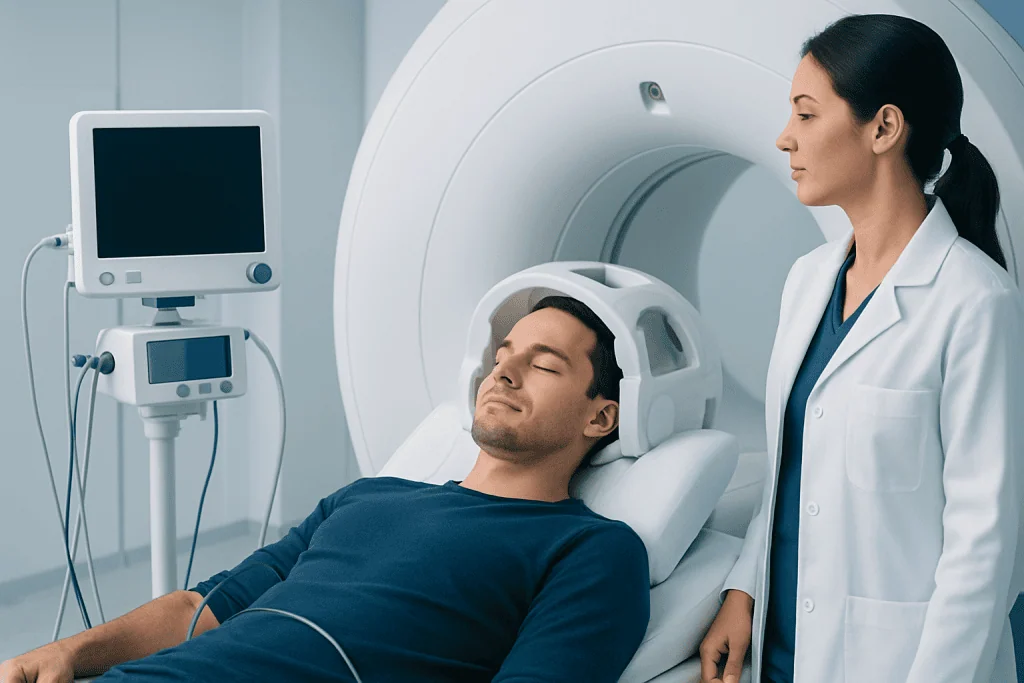
The brain stem helps regulate functions that keep the body alive from moment to moment. These include breathing rhythm, heartbeat, blood pressure control, coughing, sneezing, swallowing, and digestion-related reflexes. It also supports sleep-wake cycles and the level of alertness that allows a person to stay conscious and respond to the environment.
It is also involved in movement and sensation. Pathways within the brain stem help transmit signals that control arm and leg movement, posture, balance, and coordination. At the same time, sensory pathways carry information such as pain, temperature, and touch back toward the brain.
Several cranial nerves are closely related to the brain stem. Because of this, brain stem problems can affect eye movements, facial muscles, hearing, balance, taste, speech, and swallowing. Symptoms often reflect this wide range of responsibilities.
- Breathing and airway reflexes
- Heart rate and blood pressure
- Swallowing and gag reflex
- Sleep, wakefulness, and consciousness
- Eye movements and facial function
- Balance, coordination, and signal transmission
Why Brain Stem Damage Can Be Life-Threatening

Damage to the brain stem can be life-threatening because this area helps control the body’s most basic automatic functions. If the centers responsible for breathing or cardiovascular regulation are affected, a person may not breathe normally or may develop serious changes in heart rate and blood pressure. This is why disorders involving the brain stem often require urgent medical assessment.
Another reason brain stem injury is serious is that so many nerve pathways pass through a very compact space. A lesion caused by bleeding, swelling, stroke, or a tumor can interfere with movement, sensation, speech, swallowing, and alertness at the same time. In some cases, consciousness may be reduced, or a person may appear awake but be unable to move normally because communication pathways are disrupted.
The severity depends on the cause, the exact location, and how quickly treatment begins. Some problems are temporary and improve with treatment and rehabilitation, while others may lead to long-term disability. Conditions such as stroke in the brain stem are especially important to recognize early because prompt treatment can help limit further injury.
Symptoms of Brain Stem Problems
Symptoms of a brain stem disorder can vary widely. Some people develop sudden symptoms, as in a stroke or injury, while others notice a gradual change caused by a tumor, inflammation, or a degenerative disease. Because the brain stem affects many systems, symptoms may involve movement, balance, speech, swallowing, vision, and consciousness.
Common symptoms include dizziness, vertigo, double vision, drooping of the face, slurred speech, hoarseness, difficulty swallowing, weakness or numbness on one or both sides of the body, and trouble with coordination. Some people may also have nausea, vomiting, hiccups, abnormal breathing, or reduced alertness.
Emergency symptoms need immediate attention, especially if they appear suddenly. These include sudden trouble speaking, walking, swallowing, or seeing; one-sided weakness; severe imbalance; fainting; confusion; or any change in breathing. In children or older adults, symptoms can sometimes be less specific, so unusual drowsiness or a sudden decline in function should also be assessed promptly.
- Sudden dizziness or loss of balance
- Double vision or abnormal eye movements
- Difficulty speaking or swallowing
- Weakness, numbness, or paralysis
- Changes in breathing or consciousness
- Facial weakness, hearing changes, or coordination problems
Causes and Risk Factors
Many conditions can affect the brain stem. One of the most important is stroke, either from a blocked blood vessel or bleeding. Because the brain stem depends on a steady blood supply, interrupted circulation can quickly damage nerve tissue. Head trauma may also injure this area directly or indirectly through swelling.
Other causes include brain tumors, infections, autoimmune inflammation, demyelinating diseases such as multiple sclerosis, and neurodegenerative disorders. In some people, compression of the brain stem may occur because of structural problems, hydrocephalus, or masses growing nearby. Rarely, certain toxins or lack of oxygen can also contribute to injury.
Risk factors depend on the underlying cause. For stroke, common factors include high blood pressure, diabetes, smoking, high cholesterol, heart rhythm problems, and advancing age. For tumors or inflammatory conditions, risk factors are often less predictable. Some patients may need evaluation by specialists in neurology care or neurosurgery to understand the cause and plan treatment safely.
How Doctors Diagnose Brain Stem Disorders
Diagnosis begins with a detailed medical history and neurological examination. Doctors ask when symptoms started, whether they came on suddenly or gradually, and whether there are associated problems such as headache, weakness, swallowing difficulty, or altered consciousness. During the examination, they assess eye movements, facial strength, coordination, balance, reflexes, speech, sensation, and muscle strength.
Imaging is often essential because the brain stem sits deep inside the skull. Magnetic resonance imaging is especially useful for identifying stroke, inflammation, tumors, or structural changes. In urgent situations, computed tomography may be used quickly to look for bleeding or other acute abnormalities. Depending on the situation, doctors may also request blood tests, vascular imaging, heart evaluation, or studies of swallowing and breathing.
If a stroke is suspected, assessment is usually done urgently to determine whether blood flow can be restored or complications prevented. If a mass or structural problem is found, further evaluation may include MRI and consultations with neurological and surgical teams. The goal is not only to confirm the diagnosis but also to understand how the condition is affecting vital functions.
Treatment Options and Recovery
Treatment depends entirely on the cause of the brain stem problem. A stroke may require emergency treatment to restore blood flow or manage bleeding, while an infection may need antimicrobial therapy. Inflammatory conditions may be treated with medicines that reduce immune-related damage, and tumors may call for surgery, radiation therapy, or other targeted approaches. Supportive care is often just as important as treating the underlying condition.
Because the brain stem helps control breathing and swallowing, some patients need close monitoring in the hospital. Treatment may include airway support, nutritional support, blood pressure management, prevention of complications, and protection against aspiration if swallowing is impaired. Rehabilitation can also be a key part of recovery, especially when speech, balance, or limb strength are affected.
Recovery varies widely. Some people improve substantially after the acute problem is treated, while others need longer-term therapy for speech, movement, or swallowing. A structured rehabilitation plan may involve physiatrists, neurologists, speech and language therapists, physical therapists, and occupational therapists. In complex cases, rehabilitation can help patients regain independence and adapt safely to lasting changes.
Prevention, Self-care, and When to Seek Help
Not all brain stem disorders can be prevented, but some important risks can be reduced. The most practical steps focus on stroke and vascular health: controlling blood pressure, managing diabetes and cholesterol, avoiding smoking, exercising regularly, and following medical advice for heart conditions. Using seat belts, helmets, and other safety measures also helps reduce the risk of traumatic brain injury.
Self-care after a diagnosis depends on the specific condition. People may be advised to follow a rehabilitation plan, take medicines as prescribed, attend follow-up visits, and use swallowing precautions if recommended. Family support is often helpful, especially if communication, mobility, or balance have changed. It is important not to ignore new or worsening symptoms, even during recovery.
Immediate medical help is needed for sudden weakness, facial drooping, trouble speaking, trouble swallowing, severe dizziness, loss of coordination, new double vision, fainting, or changes in breathing or consciousness. These symptoms may point to a medical emergency. For international patients needing evaluation, Acibadem International’s multidisciplinary specialists and JCI-accredited hospitals diagnose and treat complex brain and nervous system conditions with coordinated care.
Frequently asked questions
What is the main job of the brain stem?
The brain stem helps control automatic functions the body needs to stay alive, such as breathing, heart rate, blood pressure, and swallowing. It also carries signals between the brain and spinal cord and supports alertness, balance, and some facial and eye movements.
Can a person survive brain stem damage?
Yes, some people do survive brain stem damage, but the outcome depends on the cause, location, and severity of the injury. Because this area controls vital functions, prompt medical treatment is especially important.
What are the warning signs of a brain stem stroke?
Warning signs can include sudden dizziness, double vision, slurred speech, trouble swallowing, weakness, numbness, severe imbalance, or changes in consciousness. Any sudden neurological symptom should be treated as an emergency.
Does brain stem damage always cause coma?
No, brain stem damage does not always cause coma. Some people remain awake but have symptoms such as swallowing trouble, facial weakness, eye movement problems, or weakness in the limbs.
Can brain stem problems improve with rehabilitation?
In many cases, yes. Rehabilitation may improve speech, swallowing, balance, strength, and daily function, although the degree of recovery varies from person to person.
How is a brain stem disorder diagnosed?
Doctors usually combine a neurological examination with imaging tests such as MRI or CT. Additional tests may be needed depending on the suspected cause, including blood tests, vascular studies, heart assessment, or swallowing evaluation.
References
- National Institute of Neurological Disorders and Stroke
- American Stroke Association
- Merck Manual Consumer Version
- Mayo Clinic
- National Health Service
This article is for general information only and is not a substitute for professional medical advice. Please consult a qualified doctor about your individual situation.
Joint and spine care in Turkey — expert assessment & treatment
JCI-accredited · board-certified surgeons · reply within 24h
Add us as a Preferred Source to see more of our trusted health content across Google Search, AI Overviews and Discover.
Check your numbers in seconds
BMI, calories, due date, blood pressure and 30+ more clinical calculators — free, instant, doctor-reviewed ranges.