Braxton Hicks: What Patients Need to Know

Braxton Hicks are common, usually harmless practice contractions during pregnancy. They are typically irregular, short-lasting, and do not steadily get closer together.
Key Takeaways
- Braxton Hicks are common, usually harmless practice contractions during pregnancy.
- They are typically irregular, short-lasting, and do not steadily get closer together.
- Changing position, resting, or drinking water may help them ease.
- True labor contractions become more regular, stronger, and harder to ignore over time.
- Medical advice is important if contractions are frequent, painful, or occur with bleeding, fluid leakage, or reduced fetal movement.
Braxton Hicks are practice contractions that can make the abdomen feel tight or firm during pregnancy, but they do not usually mean labor has started. They tend to be irregular, often improve with rest or hydration, and are different from true labor contractions.
Overview: What Braxton Hicks Means
Braxton Hicks are brief, irregular uterine contractions that can happen during pregnancy. Many people describe them as a tightening, hardening, or firm feeling across the abdomen rather than a strong pain. In most cases, they are a normal part of pregnancy and do not mean labor has started.
These contractions are often called “practice contractions” because they reflect the uterus tightening and relaxing without causing the cervical changes seen in true labor. Some pregnant people notice them early in the second trimester, while others first feel them later, especially in the third trimester. The experience varies from person to person and even from one pregnancy to another.
A helpful way to think about braxton hicks is that they are usually unpredictable. They may come and go, then stop completely. They do not usually become progressively stronger or closer together in the pattern expected with labor.
Even though braxton hicks are common, it can be difficult to know what is normal and what needs attention. Understanding the typical pattern, common triggers, and warning signs can help patients feel more confident about when to rest at home and when to contact a healthcare professional.
How Braxton Hicks Feel
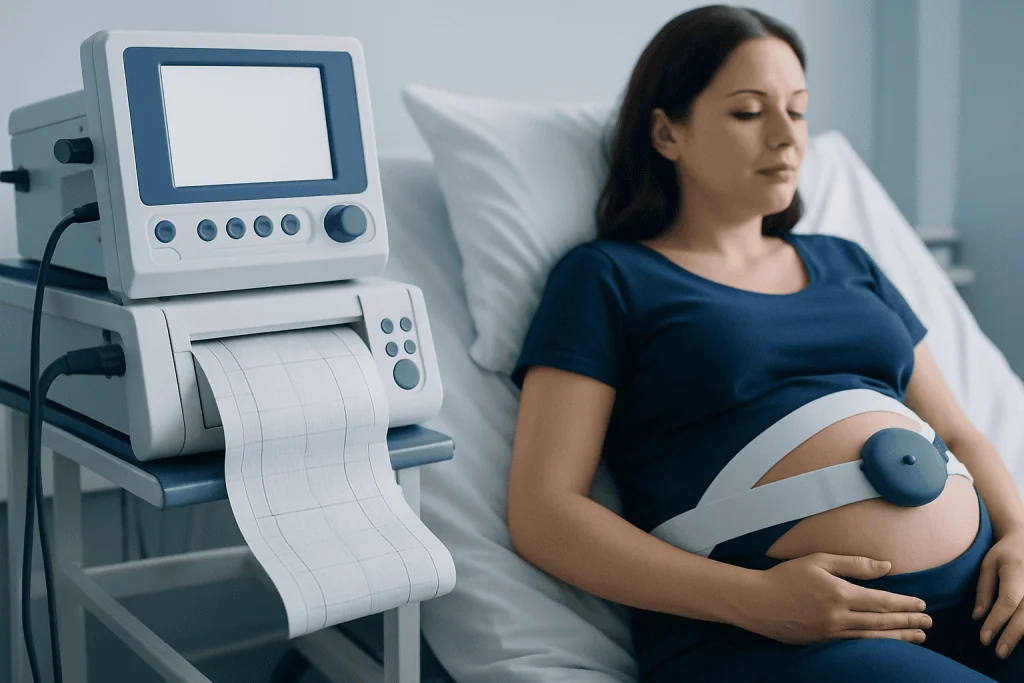
Braxton Hicks often feel like the uterus suddenly tightens for a short time and then relaxes. The abdomen may feel hard to the touch during the contraction. Some people feel only pressure, while others notice mild discomfort in the front of the belly.
These contractions are usually irregular in timing and intensity. They may happen once or several times within an hour, but they do not tend to settle into a clear pattern. They often remain mild and may stop after a change in activity, position, or hydration.
Typical features include:
- A tightening or firm sensation in the abdomen
- Irregular timing
- Short duration
- Mild discomfort rather than steadily increasing pain
- Improvement with rest, fluids, or moving around
Some pregnant people feel braxton hicks more often at the end of the day, after exercise, after sex, or when the bladder is full. Others notice them during periods of stress or dehydration. Feeling them occasionally is usually not a sign that something is wrong.
Braxton Hicks vs. True Labor

The main difference between braxton hicks and true labor is that true labor causes the cervix to change and eventually leads to birth. Braxton hicks do not typically become regular, stronger, and closer together over time. Instead, they often stay inconsistent and may fade away.
True labor contractions usually follow a pattern. They tend to become more frequent, last longer, and grow more intense. They may start in the back and move toward the front, or create a strong cramping pressure that becomes harder to talk through or ignore. Walking or resting does not usually make true labor stop.
Clues that suggest true labor rather than braxton hicks include:
- Contractions that come at regular intervals
- Contractions that steadily get stronger
- Increasing pelvic pressure
- Persistent lower back pain
- Bloody mucus or vaginal bleeding
- Rupture of membranes, sometimes called the water breaking
Pregnancy symptoms can overlap, so uncertainty is common. If contractions are becoming rhythmic or there are other labor signs, it is safest to speak with an obstetric provider. Some patients who are being evaluated for labor may also need tests or monitoring related to pregnancy follow-up to check maternal and fetal well-being.
Common Triggers and Risk Factors
Braxton hicks can happen without a clear reason, but certain situations may make them more noticeable. Dehydration is a common trigger because the uterus may become more irritable when fluid intake is low. Physical activity, lifting, or a busy day can also bring them on temporarily.
Other possible triggers include a full bladder, sexual activity, stress, and fetal movement. In late pregnancy, the uterus becomes larger and more sensitive to normal daily changes, so these contractions may be felt more often. This does not necessarily mean there is a problem.
Some patients may notice more contractions in a subsequent pregnancy because they recognize the feeling more easily. People carrying more than one baby may also feel uterine tightening more often as the uterus stretches further. Still, frequent contractions in a twin or higher-risk pregnancy should be discussed with a doctor.
It is also important to remember that not every contraction-like sensation is braxton hicks. Conditions such as dehydration, urinary tract infection, or preterm labor can cause symptoms that seem similar. If there is any doubt, a clinical evaluation can help rule out more serious concerns, including issues linked with high-risk pregnancy.
How Doctors Evaluate Contractions
Doctors diagnose braxton hicks mainly by reviewing symptoms, timing, and pregnancy history. They usually ask when the contractions started, how often they occur, how long they last, and whether they improve with rest or fluids. They may also ask about bleeding, fluid leakage, pain, pressure, fever, or fetal movement.
If symptoms suggest possible labor or another pregnancy-related issue, the clinician may perform an abdominal exam, a pelvic exam, or fetal monitoring. In some cases, an ultrasound or other testing may be used to assess the baby, the cervix, and the overall condition of the pregnancy. Ultrasound can also be relevant in broader pregnancy ultrasound assessment when the clinical picture is unclear.
When contractions happen before term, the priority is to distinguish benign practice contractions from preterm labor. This can involve checking whether the cervix is changing. A patient may also be evaluated for dehydration or infection if symptoms point in that direction.
Most of the time, no emergency treatment is needed for braxton hicks alone. The purpose of evaluation is to confirm that labor has not started and to identify any warning signs that need prompt care.
Relief, Self-Care, and Prevention
Simple self-care measures often help braxton hicks settle. Drinking water is one of the most practical first steps, especially if the contractions started after activity or on a warm day. Resting on the side, emptying the bladder, or changing position may also bring relief.
Some people find that gentle movement helps if the contractions began while sitting or lying down for a long time. Others feel better by slowing down, taking a warm shower, or focusing on calm breathing. The best approach depends on what seems to trigger the contractions in the first place.
Helpful measures may include:
- Drinking water regularly throughout the day
- Avoiding overexertion when possible
- Changing position if the abdomen starts to tighten
- Emptying the bladder regularly
- Resting if contractions begin after activity
- Keeping routine prenatal appointments
Prevention is not always possible because braxton hicks are a normal pregnancy experience. Still, good prenatal care, attention to hydration, and awareness of changing symptoms can make them easier to manage. If a patient has questions about overall pregnancy care, support from specialists in obstetrics and gynecology may be helpful.
When to Seek Medical Care
Patients should contact a doctor, midwife, or maternity unit if they are unsure whether contractions are braxton hicks or true labor. This is especially important if contractions become regular, stronger, or closer together, or if they occur before 37 weeks of pregnancy. Preterm symptoms should never be ignored.
Prompt medical advice is also needed if there is vaginal bleeding, fluid leaking from the vagina, fever, severe abdominal pain, strong pelvic pressure, or a noticeable decrease in fetal movement. These signs may point to labor or another condition that needs assessment. A clinician may also evaluate related concerns such as preterm birth if contractions occur too early.
If symptoms are sudden, severe, or accompanied by fainting, significant shortness of breath, or intense one-sided pain, urgent care is appropriate. Even if the cause turns out to be harmless, it is reasonable to seek evaluation for peace of mind and safety.
Near the end of pregnancy, many patients are advised to follow specific guidance from their maternity team about when to call or go to the hospital. Acibadem International’s multidisciplinary specialists and JCI-accredited hospitals also diagnose and treat pregnancy-related conditions for international patients when further evaluation is needed.
Frequently asked questions
Are braxton hicks normal during pregnancy?
Yes. Braxton Hicks are common practice contractions that many people experience during pregnancy, especially later on. They are usually harmless and do not mean labor has started.
When do braxton hicks usually start?
Some people notice them in the second trimester, but they are more commonly felt in the third trimester. The exact timing varies, and some pregnant people barely notice them at all.
How can someone tell braxton hicks from real labor?
Braxton Hicks are usually irregular and often improve with rest, hydration, or a change in position. True labor contractions become more regular, stronger, and closer together, and they do not usually stop with simple self-care.
Can dehydration cause braxton hicks?
Yes, dehydration can make the uterus more irritable and may trigger or worsen braxton Hicks. Drinking fluids is often one of the first and most helpful steps when these contractions appear.
Should braxton hicks be painful?
They are more often described as uncomfortable tightening rather than severe pain. If contractions are very painful, frequent, or associated with bleeding, leaking fluid, or reduced fetal movement, a doctor should be contacted.
Are frequent braxton hicks a sign of preterm labor?
Not always, but frequent contractions before 37 weeks need medical attention to rule out preterm labor. A healthcare professional may check whether the cervix is changing and whether any treatment or monitoring is needed.
References
- American College of Obstetricians and Gynecologists
- National Institute for Health and Care Excellence
- Mayo Clinic
- Merck Manual Consumer Version
This article is for general information only and is not a substitute for professional medical advice. Please consult a qualified doctor about your individual situation.
Explore treatments in Turkey — costs, top hospitals & a free quote
JCI-accredited · board-certified surgeons · reply within 24h
Add us as a Preferred Source to see more of our trusted health content across Google Search, AI Overviews and Discover.

More from the Health Library



Related Specialists

Prof. Dr. Denizhan Dizdar
Otorhinolaryngology
Prof. Dr. Sertaç Arslan
Pulmonary Medicine
Prof. Dr. Kayıhan Uluç
Neurology
Assoc. Prof. Dr. Emine Şatır
Gastroenterology