Brazilian Wax: A Complete Medical Overview
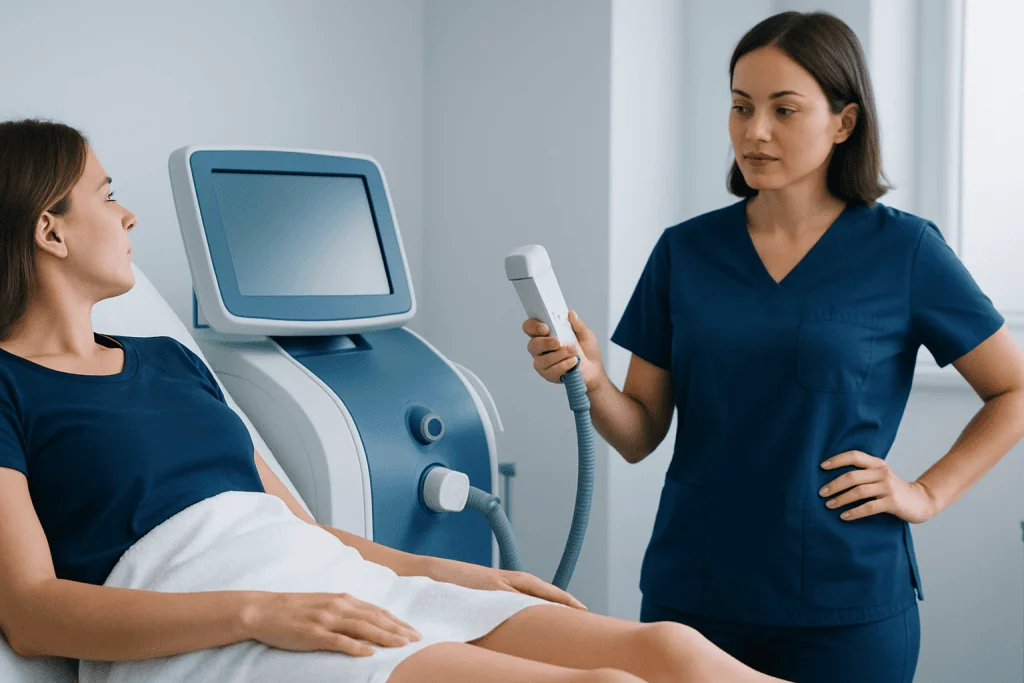
A brazilian wax removes pubic hair from the root and commonly includes most or all hair in the genital area. Common short-term effects include redness, tenderness, and small bumps that usually improve within a few days.
Key Takeaways
- A brazilian wax removes pubic hair from the root and commonly includes most or all hair in the genital area.
- Common short-term effects include redness, tenderness, and small bumps that usually improve within a few days.
- Higher-risk situations include active skin infections, recent use of retinoids, uncontrolled diabetes, and very sensitive or damaged skin.
- Clean technique, proper aftercare, and avoiding friction or heat soon after waxing can reduce complications.
- Persistent pain, spreading redness, pus, fever, or severe rash should be assessed by a qualified doctor.
A brazilian wax is a method of pubic hair removal that takes hair out from the root, usually from the front, labia, and between the buttocks. It can be done safely for many people, but it may cause temporary pain, redness, irritation, ingrown hairs, or infection if the skin is not prepared and cared for properly.
Overview: what a brazilian wax is and what to expect
A brazilian wax is a cosmetic hair-removal method that removes most or all pubic hair from the root using warm or hard wax. Depending on personal preference, it may include the front pubic area, the labia, and the hair between the buttocks. Because hair is pulled out from the follicle rather than cut at the skin surface, the area often stays hair-free longer than with shaving.
From a medical perspective, a brazilian wax is not necessary for health. Pubic hair has natural protective functions, including reducing friction and helping protect delicate skin. Even so, choosing to remove pubic hair is a personal decision. The most important issues are skin safety, hygiene, and understanding the possible side effects.
During the procedure, the skin is usually cleansed, wax is applied in sections, and the hair is removed quickly. Mild discomfort is common, especially for first-time waxing or when hair is longer. Afterward, the area may look pink or feel warm and sensitive for a short period.
Most people recover without problems, but waxing can irritate hair follicles and the outer skin barrier. This is why good technique and aftercare matter. People with chronic skin conditions may also want to review related concerns such as eczema or other causes of sensitive skin before choosing waxing.
Benefits, limitations, and common side effects
Many people choose a brazilian wax because results often last longer than shaving, and some find that regrowth feels softer over time. Waxing may also avoid the daily maintenance of shaving. For some, it can reduce razor burn or cuts that happen with blades.
However, waxing is not risk-free. It can be painful, and it may lead to redness, swelling, tenderness, pinpoint bleeding, bumps, or temporary darkening of the skin. These effects are usually mild and short-lived, but the genital area is especially sensitive, so reactions may feel more intense than waxing other parts of the body.
Another limitation is that waxing does not suit everyone. Coarse or curly hair can be more prone to ingrown hairs, and people with fragile skin may be more likely to experience irritation or superficial skin lifting. Waxing also requires hair to be a certain length for effective removal, so there is often a waiting period between sessions.
If a person wants longer-term reduction rather than repeated waxing, it may help to discuss alternatives such as laser hair removal with a qualified clinician. A doctor or dermatologist can explain which method best matches skin type, hair type, and medical history.
Who should be cautious before getting waxed

Some people should delay or avoid a brazilian wax until they have medical advice. Waxing should not be done over broken skin, sunburn, open cuts, active rashes, warts, blisters, or areas with signs of infection. It is also best postponed if there has been recent irritation from shaving, depilatory creams, or friction.
Extra caution is needed for anyone using medications or treatments that make the skin thinner or more fragile. This can include topical retinoids, some acne medicines, steroid creams, or recent chemical peels. Skin that is easily stripped can tear when wax is removed, leading to pain and a higher risk of infection.
People with diabetes, reduced immunity, poor wound healing, or circulation problems should be especially careful, because even small skin injuries may take longer to heal. Those with a history of frequent folliculitis, recurrent fungal infections, or severe ingrown hairs may benefit from a medical review before continuing waxing.
Pregnancy can also make the skin more sensitive because of hormonal changes and increased blood flow. Waxing is often still possible, but it may be more uncomfortable. If there is any uncertainty, a doctor can help assess whether waxing is reasonable or whether another hair-removal option would be safer.
Possible complications: ingrown hairs, folliculitis, burns, and infection
The most common medical issue after a brazilian wax is irritation around the hair follicles. This may appear as small red bumps, tenderness, or itching and often settles on its own. Sometimes the problem is pseudofolliculitis, also called ingrown hair, where new hair curls back into the skin and causes inflamed bumps.
Folliculitis can also happen when hair follicles become inflamed or infected, often after friction, sweating, or bacterial contamination. It may look like pimple-like spots or pustules. In some cases, repeated follicle irritation can be associated with folliculitis, which may need medical treatment if it is painful, widespread, or keeps returning.
Another possible complication is a thermal burn from wax that is too hot. The vulvar skin and nearby areas are delicate, and hot wax can cause redness, blistering, or skin peeling. Less commonly, skin can be lifted or torn when wax adheres too strongly, especially if the person has thin or sensitized skin.
Infection is not common but can occur if the skin barrier is damaged or if waxing tools and hands are not clean. Signs that are more concerning include spreading redness, increasing pain, pus, bad odor, fever, swollen glands, or sores that do not heal. Waxing does not cause sexually transmitted infections by itself, but damaged skin may make the area more vulnerable to irritation or secondary infection.
Safe preparation and aftercare
Good preparation starts with choosing a clean, reputable setting and avoiding waxing when the skin is already irritated. Hair should usually be long enough for wax to grip effectively, but not excessively long. Before the appointment, gentle cleansing is enough; harsh scrubs, retinoids, and strongly fragranced products should be avoided on the area.
After a brazilian wax, the skin benefits from simple, low-irritation care. Cool compresses, loose cotton underwear, and fragrance-free moisturizers can help reduce discomfort. For the first day or two, it is wise to avoid hot baths, saunas, intense exercise, sexual activity if the area is very irritated, and tight clothing that increases rubbing and sweat.
Picking at bumps or trying to squeeze ingrown hairs can worsen inflammation and raise the chance of infection. Gentle exfoliation may help prevent ingrown hairs later, but this should only begin after the skin has calmed, not immediately after waxing. If a person has repeated irritation, a dermatologist may suggest a tailored skin-care plan or treatment for chronic ingrown hairs.
When bumps or rashes continue despite home care, further evaluation may be useful. In selected cases, doctors may recommend assessment by dermatology specialists, especially if there is recurring irritation, pigment change, or uncertainty about whether the problem is infection, allergy, or an underlying skin condition.
How doctors evaluate problems after waxing
Most mild redness and tenderness after waxing do not need testing. A doctor usually makes the diagnosis based on symptoms, timing, and a skin examination. It helps to describe when the waxing took place, what products were used, whether the wax was unusually hot, and whether there is a history of allergies or skin disease.
If there are pustules, crusting, severe itching, or a spreading rash, the doctor may consider several possibilities. These can include irritant contact dermatitis, allergic contact dermatitis, folliculitis, fungal irritation, or a burn. In recurrent cases, medical history may reveal shaving habits, occlusive clothing, sweating, or cosmetic ingredients that are aggravating the skin.
Further tests are not always necessary, but they may be used when the diagnosis is unclear or symptoms are persistent. A swab may be taken if infection is suspected. Patch testing may be considered when there is concern about allergy to wax ingredients, fragrances, resins, or skin products.
In more complex situations, care may involve both gynecology and dermatology, especially when symptoms affect the vulvar area. If a procedural solution is preferred for long-term hair reduction and the skin is suitable, a clinician may discuss options such as laser hair removal as an alternative to repeated waxing-related irritation.
Treatment options for irritation or complications
Treatment depends on the cause and severity of the reaction. Mild irritation often improves with avoiding further waxing, keeping the area clean and dry, wearing loose clothing, and using gentle, fragrance-free skin care. Cool compresses can reduce discomfort, and symptoms often settle within a few days.
If ingrown hairs are the main issue, the plan may focus on reducing friction and allowing hairs to grow out without picking. For recurrent follicle inflammation, a doctor may advise medicated washes, topical treatments, or other prescription options. If symptoms suggest infection, treatment may include medicines directed at the likely germ, but this should be chosen by a clinician rather than self-treated with leftover antibiotics.
Burns or skin tears need careful wound care to protect healing skin and reduce the chance of infection or scarring. The area should generally be kept clean, protected, and free from harsh products. Any blistering, open wounds, or worsening pain should be assessed promptly.
When repeated waxing causes ongoing skin problems or distress, changing the hair-removal method may be the best treatment strategy. In some cases, doctors may coordinate care with gynecology or skin specialists. Acibadem International’s multidisciplinary specialists and JCI-accredited hospitals diagnose and treat skin and genital-area concerns for international patients when further evaluation is needed.
When to seek medical care
Medical care is appropriate if symptoms are more than mild or do not begin improving after a few days. A doctor should assess increasing pain, marked swelling, spreading redness, pus-filled bumps, fever, or a foul-smelling discharge, as these can suggest infection or a significant skin injury.
It is also wise to seek help for blistering, skin peeling, bleeding that continues, severe rash, or signs of an allergic reaction. Recurrent ingrown hairs, dark marks, scarring, or repeated folliculitis after waxing deserve a medical review because preventive treatment may help and another diagnosis may need to be excluded.
If there are genital sores, unusual vaginal symptoms, or pain not clearly limited to the skin surface, self-diagnosis is not enough. These symptoms may have causes unrelated to waxing and should be evaluated appropriately. Prompt review is especially important for people who are pregnant, immunocompromised, or living with diabetes.
When in doubt, the safest approach is to pause further waxing until the skin has been examined and healed. A qualified doctor can help determine whether the issue is simple irritation or a problem that needs treatment, and can advise on safer future hair-removal choices.
Frequently asked questions
Is a brazilian wax medically safe?
For many people, a brazilian wax is generally safe when it is done hygienically and the skin is healthy. The most common effects are temporary pain, redness, and mild irritation. Safety depends on skin condition, medical history, and proper aftercare.
How long does irritation after a brazilian wax usually last?
Mild redness and tenderness often improve within a few hours to a few days. Small bumps may take a little longer, especially if the skin is sensitive. If symptoms worsen or last beyond several days, medical advice is sensible.
Can a brazilian wax cause infection?
Yes, but infection is not the usual outcome. It can happen if the skin barrier is damaged, hygiene is poor, or irritated follicles become infected. Warning signs include pus, spreading redness, increasing pain, or fever.
Who should avoid getting a brazilian wax?
People with active rashes, cuts, burns, infections, or very irritated skin should postpone waxing. Those using medicines that thin the skin, or people with diabetes or reduced immunity, should be especially cautious and may need medical advice first. Anyone with a history of severe reactions should also discuss alternatives.
Are ingrown hairs common after a brazilian wax?
Yes, ingrown hairs are one of the more common problems after pubic hair removal, especially with coarse or curly hair. They can cause red, tender bumps that may resemble acne. Gentle skin care and avoiding picking can help reduce the risk of worsening inflammation.
Is waxing better than shaving for pubic hair removal?
Neither method is universally better; it depends on skin type, hair type, pain tolerance, and personal preference. Waxing often lasts longer because it removes hair from the root, while shaving is quicker and does not pull on the follicles. Some people develop less razor burn with waxing, while others have fewer problems with shaving.
References
- American Academy of Dermatology
- American College of Obstetricians and Gynecologists
- Mayo Clinic
- National Health Service
- American Academy of Family Physicians
This article is for general information only and is not a substitute for professional medical advice. Please consult a qualified doctor about your individual situation.
Hair transplant in Turkey — costs, graft counts & a free assessment
JCI-accredited · board-certified surgeons · reply within 24h
Add us as a Preferred Source to see more of our trusted health content across Google Search, AI Overviews and Discover.

More from the Health Library



Related Specialists

Dr. Burcu Babaoğlu Karan
Pulmonary Medicine
Dyt. Gülden Cinasal Demir
Nutrition & Diet
Prof. Dr. Meltem Serin
Radiation Oncology
Dr. Siyavuş Muhammedrezai
Neurosurgery