

Breaking the Seal: A Complete Medical Overview

Breaking the seal is not a medical diagnosis, and urinating once does not make the kidneys produce more urine. Alcohol can increase urine output by reducing the effect of antidiuretic hormone, which normally helps the body retain water.
Key Takeaways
- Breaking the seal is not a medical diagnosis, and urinating once does not make the kidneys produce more urine.
- Alcohol can increase urine output by reducing the effect of antidiuretic hormone, which normally helps the body retain water.
- Beer, wine, cocktails, mixers, caffeine, and large volumes of fluid can all contribute to more frequent urination.
- Alcohol may irritate the bladder and make urgency more noticeable, especially in people with an overactive bladder or urinary symptoms.
- Persistent urinary frequency, pain, blood in the urine, fever, or new nighttime urination should be assessed by a healthcare professional.
“Breaking the seal” is a popular term for the feeling that, once a person urinates while drinking alcohol, they must keep going more often. The first trip to the bathroom does not cause this effect; alcohol’s impact on fluid regulation, the amount consumed, and bladder irritation are more likely explanations.
What Does “Breaking the Seal” Mean?
“Breaking the seal” is an informal expression used to describe needing to urinate repeatedly after the first bathroom visit during a period of alcohol drinking. Many people feel that delaying that first trip prevents frequent urination later. Medically, however, there is no seal to break: the bladder continues filling as the kidneys make urine, whether or not a person has urinated already.
The more likely explanation is timing. By the time a person feels a strong need to urinate, alcohol and other drinks may already have increased urine production. Once the bladder is emptied, it may refill relatively quickly because the body is still processing fluid and alcohol. The first trip may therefore make the pattern more noticeable, but it does not cause the kidneys to suddenly produce extra urine.
Frequent urination after drinking is usually temporary. Still, urinary frequency is not always related to alcohol, particularly when it occurs regularly, disrupts sleep, or comes with pain, urgency, leakage, fever, or changes in urine appearance.
Why Alcohol Can Make a Person Urinate More
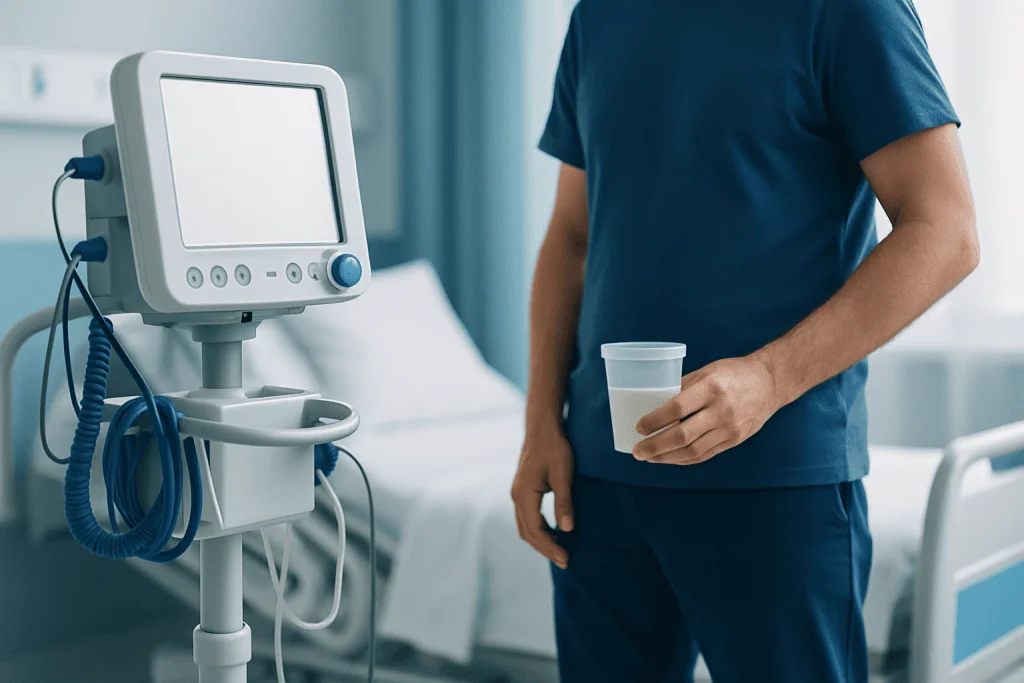
Alcohol has a diuretic effect, meaning it can encourage the body to produce more urine. One reason is that alcohol can reduce the release of antidiuretic hormone (ADH), also called vasopressin. ADH normally signals the kidneys to conserve water. When its effect is reduced, the kidneys may send more water into the urine instead.
The amount and type of beverage matter. Drinking several alcoholic drinks means taking in a substantial volume of fluid, and beverages such as beer, wine, mixed drinks, and spirits served with mixers all add liquid to the body. Drinks that also contain caffeine, including some cocktails and energy-drink mixtures, may further contribute to urinary urgency in some people.
Alcohol may also make the bladder feel more sensitive or irritated. This can create a stronger or more frequent urge to urinate even when the amount of urine is not unusually large. The effect can be more noticeable in people who already experience overactive bladder symptoms, such as sudden urgency or urine leakage.
The Bladder, Kidneys, and the Urge to Urinate
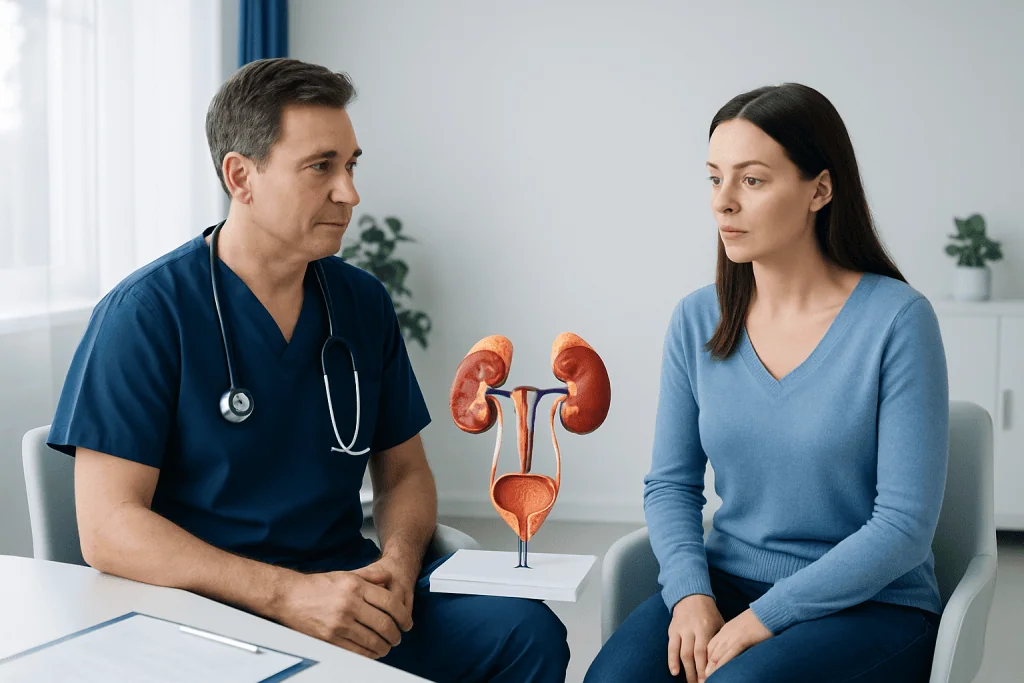
The kidneys constantly filter blood and make urine. Urine then travels through the ureters to the bladder, where it is stored until the bladder stretches enough to send signals to the brain. A person can usually delay urination for a time, but holding urine does not stop the kidneys from making it.
After the bladder is emptied, it begins filling again immediately. If alcohol has increased urine production and a person continues drinking fluids, the next urge may arrive sooner than expected. This normal process can reinforce the impression that the first urination changed something, when in fact the fluid balance was already changing.
Alcohol can also affect judgment and awareness. A person may pay more attention to bodily sensations in a social setting, sleep more lightly later in the night, or make more frequent bathroom trips “just in case.” These factors can add to the experience without indicating a serious bladder problem.
- Urine production depends on fluid intake, hormones, kidney function, and medications.
- Bladder urgency depends on how full and sensitive the bladder is, as well as nervous-system signals.
- Urinating once relieves a full bladder but does not reset or increase kidney urine production.
Factors That May Make Frequency Worse
People vary in how strongly alcohol affects urination. A larger volume of drinks over a short period is more likely to cause frequent bathroom trips than a small amount consumed slowly. Carbonated beverages may increase a sense of fullness or bloating, while acidic drinks and certain mixers may bother the bladder in sensitive individuals.
Caffeine is another common contributor. Coffee, tea, cola, some energy drinks, and caffeinated alcoholic beverages can increase alertness but may also worsen urinary frequency or urgency. Combining alcohol and caffeine can make it easier to underestimate intoxication, so it is not a safe strategy for staying hydrated or reducing alcohol-related effects.
Some health conditions can make urinary symptoms more apparent after drinking. These include urinary tract infection, diabetes, prostate enlargement, pelvic floor problems, pregnancy, kidney disease, and bladder conditions. Diuretic medicines, often called water pills, can also increase urine output. A clinician can help distinguish a temporary alcohol effect from a separate cause of urinary tract infection or other urinary symptoms.
Hydration and Practical Self-Care
The most reliable way to reduce alcohol-related frequent urination is to drink less alcohol or avoid it. Alternating alcoholic drinks with water may help support hydration, although it does not prevent alcohol from affecting ADH or eliminate the need to urinate. Drinking water is particularly important in warm environments, during physical activity, or when vomiting or diarrhea occurs.
There is no need to force a person to “hold it” to avoid breaking the seal. It is generally better to use the bathroom when needed. Repeatedly holding urine for long periods may be uncomfortable and can worsen urgency for some individuals. Before bed, allowing enough time for a bathroom visit may help reduce sleep disruption.
People who notice predictable bladder irritation can consider avoiding personal triggers, such as caffeinated mixers, large carbonated drinks, or acidic beverages. Those taking prescribed diuretics or other medicines should not change their medication schedule without speaking to the prescribing clinician. For ongoing urinary concerns, evaluation may include discussion of bladder habits and urology care when appropriate.
When to Seek Medical Care
Occasional increased urination after alcohol is common and often resolves as alcohol leaves the body and normal fluid balance returns. Medical advice is worthwhile if frequent urination occurs even when alcohol is not consumed, persists for days, repeatedly interrupts sleep, or affects daily activities.
A person should seek prompt medical care for painful or burning urination, blood in the urine, fever, chills, pain in the back or side, inability to pass urine, severe lower abdominal pain, or marked thirst with unexplained weight change. These symptoms may point to an infection, urinary blockage, diabetes, kidney concerns, or another condition needing assessment.
Urgent medical attention is needed if alcohol use is followed by confusion, fainting, repeated vomiting, seizures, very slow or irregular breathing, or inability to wake the person. These can be signs of alcohol poisoning and should not be managed by simply allowing the person to sleep. Acibadem International’s multidisciplinary specialists and JCI-accredited hospitals assess urinary and related health concerns for international patients.
Frequently asked questions
Is breaking the seal a real medical phenomenon?
No. “Breaking the seal” is not a medical term, and urinating for the first time while drinking does not make the body create more urine. Alcohol, total fluid intake, and bladder sensitivity better explain why bathroom trips may become more frequent.
Why does alcohol make people pee more?
Alcohol can lower the effect of antidiuretic hormone, which normally helps the kidneys retain water. As a result, more water may be passed as urine. The liquid consumed in alcoholic drinks also adds to bladder filling.
Does holding urine prevent frequent urination after drinking?
Holding urine does not stop the kidneys from producing urine or reverse alcohol’s diuretic effect. It may only postpone the urge and can become uncomfortable. It is generally best to urinate when needed.
Can beer make urinary frequency worse than other alcohol?
Beer may lead to frequent urination because it is often consumed in larger liquid volumes. However, wine, spirits with mixers, and other alcoholic drinks can have similar effects. Individual sensitivity, serving size, caffeine, and total intake all matter.
Can alcohol cause bladder urgency?
Yes, alcohol may irritate the bladder and make the urge to urinate feel stronger or more sudden in some people. This may be especially noticeable in people with pre-existing urgency, leakage, or overactive bladder symptoms. Persistent urgency should be discussed with a healthcare professional.
When is frequent urination after drinking concerning?
It is concerning if it continues without alcohol, becomes persistent, or occurs with burning, fever, blood in the urine, back pain, severe thirst, or unexplained weight changes. These symptoms can have causes beyond alcohol and should be medically evaluated.
References
- National Institute on Alcohol Abuse and Alcoholism
- National Institute of Diabetes and Digestive and Kidney Diseases
- Urology Care Foundation
- Mayo Clinic
This article is for general information only and is not a substitute for professional medical advice. Please consult a qualified doctor about your individual situation.
Explore treatments in Turkey — costs, top hospitals & a free quote
JCI-accredited · board-certified surgeons · reply within 24h
Add us as a Preferred Source to see more of our trusted health content across Google Search, AI Overviews and Discover.

More from the Health Library



Related Specialists

Prof. Dr. Cemal Üstün
Clinical Laboratory
Prof. Dr. Behice Kurtaran
Infectious Diseases & Clinical Microbiology
Psk. Elifnur Sular
Psychology
Dr. Osman Egüz
Emergency Service