Breast Cancer Treatment: Surgery, Radiation, and Drug Therapies
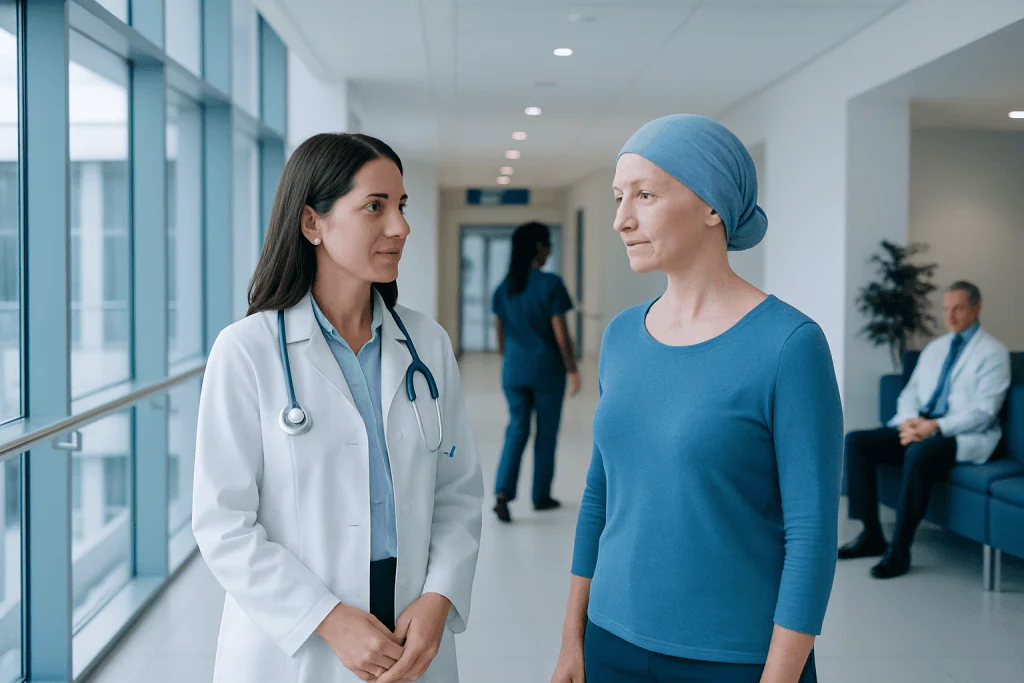
Breast cancer treatment is individualized; two people with the same stage may receive different treatment plans. Surgery and radiation are local treatments that focus on the breast and nearby lymph nodes.
Key Takeaways
- Breast cancer treatment is individualized; two people with the same stage may receive different treatment plans.
- Surgery and radiation are local treatments that focus on the breast and nearby lymph nodes.
- Drug therapies, including chemotherapy, hormone therapy, targeted therapy, and immunotherapy, can treat cancer cells throughout the body.
- Tumor biology, including estrogen receptor, progesterone receptor, and HER2 status, strongly influences treatment choices.
- Supportive care, rehabilitation, fertility counseling, and emotional support are important parts of high-quality cancer care.
Breast cancer treatment is personalized according to the cancer type, stage, hormone receptor status, HER2 status, overall health, and personal preferences. Most treatment plans combine local treatments such as surgery and radiation with drug therapies that treat cancer cells throughout the body.
Overview
Breast cancer treatment has advanced from a one-size-fits-all approach to a highly personalized plan based on the cancer’s features and the person’s needs. Doctors consider the cancer stage, tumor size, lymph node involvement, grade, hormone receptor status, HER2 status, genetic risk, menopausal status, and general health. The goal may be to cure the cancer, reduce the risk of recurrence, control disease that has spread, or relieve symptoms while maintaining quality of life.
Treatment is often described as local or systemic. Local treatments, such as surgery and radiation therapy, target the breast and nearby lymph nodes. Systemic treatments, also called drug therapies, travel through the bloodstream and include chemotherapy, hormone therapy, targeted therapy, immunotherapy, and bone-strengthening medicines when appropriate.
Many patients receive more than one treatment type in a planned sequence. For example, drug therapy may be given before surgery to shrink a tumor, or after surgery to reduce the risk of cancer returning. A multidisciplinary breast cancer team usually includes surgeons, medical oncologists, radiation oncologists, radiologists, pathologists, nurses, rehabilitation specialists, genetic counselors, and supportive care professionals.
How Treatment Decisions Are Made
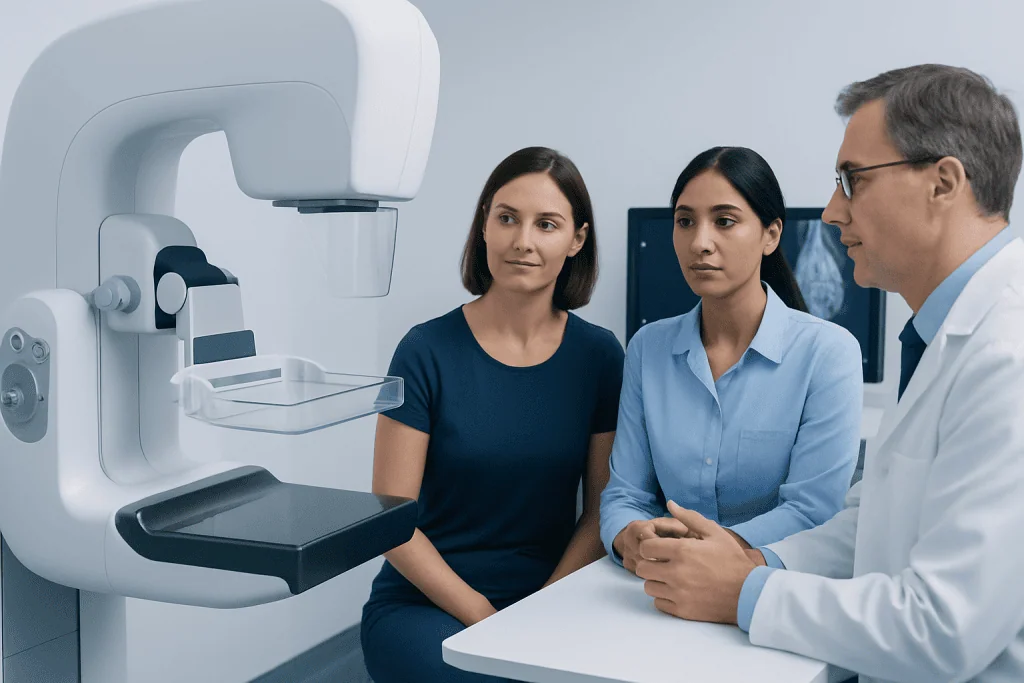
Before treatment begins, doctors review biopsy results and imaging tests to understand the disease as clearly as possible. Important pathology information includes whether the cancer cells have estrogen receptors, progesterone receptors, or excess HER2 protein. These markers help predict which treatments are most likely to work. Some early-stage hormone receptor-positive cancers may also be assessed with genomic tests that estimate recurrence risk and whether chemotherapy is likely to add benefit.
Staging describes how far the cancer has grown or spread. Early-stage breast cancer is usually limited to the breast and nearby lymph nodes, while metastatic breast cancer has spread to distant organs such as bone, liver, lung, or brain. Stage is not the only factor guiding treatment, but it helps doctors decide how intensive treatment should be and whether the main focus is cure, long-term control, or symptom relief.
Personal priorities also matter. Some patients may value breast-conserving treatment if it is medically suitable, while others prefer mastectomy for individual reasons. Fertility plans, work and family responsibilities, other medical conditions, and concerns about side effects should be discussed openly. Shared decision-making helps patients understand the benefits, risks, and alternatives of each option.
Surgery for Breast Cancer
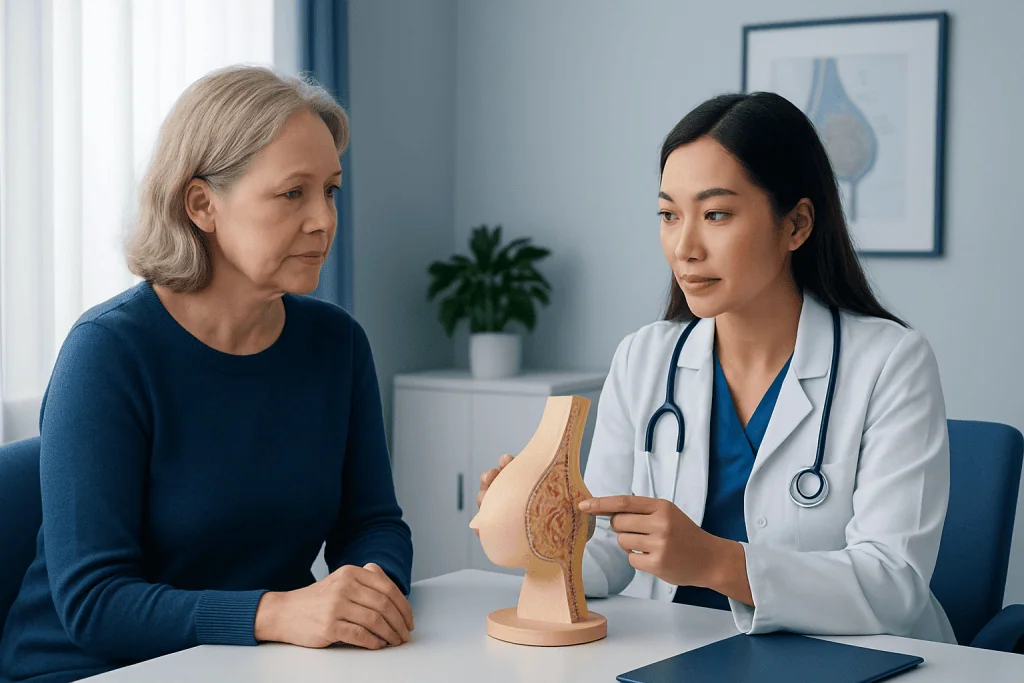
Surgery is a central treatment for many people with early or locally advanced breast cancer. The two main breast operations are breast-conserving surgery and mastectomy. Breast-conserving surgery, often called lumpectomy, removes the cancer with a margin of healthy tissue and is usually followed by radiation therapy. Mastectomy removes most or all breast tissue and may be recommended for larger tumors, multiple areas of cancer in the breast, certain genetic risk situations, or patient preference.
Lymph node evaluation is commonly performed at the same time as breast surgery. A sentinel lymph node biopsy removes the first few lymph nodes most likely to drain cancer cells from the breast. If cancer is found in several nodes or the situation is higher risk, more extensive lymph node surgery may be considered. The aim is to obtain accurate staging while reducing the risk of arm swelling, stiffness, and other complications when possible.
Breast reconstruction may be offered after mastectomy or, in some cases, after breast-conserving surgery. Reconstruction can be performed using implants, the patient’s own tissue, or a combination. It may be done at the same time as cancer surgery or later. Not every patient chooses reconstruction, and choosing to remain flat is also a valid option. The best approach depends on cancer treatment needs, body shape, medical history, and personal preference.
Radiation Therapy
Radiation therapy uses carefully planned high-energy beams to destroy cancer cells that may remain after surgery. It is commonly recommended after breast-conserving surgery and may also be advised after mastectomy if there is a higher risk of recurrence, such as larger tumors or lymph node involvement. Radiation can be directed to the whole breast, chest wall, and sometimes nearby lymph node areas.
Modern radiation planning aims to treat the target area accurately while protecting healthy tissue as much as possible. Treatment schedules vary. Some patients receive radiation over several weeks, while selected patients may be eligible for shorter courses. Partial breast irradiation may be an option for certain early-stage, lower-risk cancers, depending on clinical features and local expertise.
Common side effects can include fatigue, skin redness or darkening, breast swelling, tenderness, and temporary changes in skin texture. These effects usually develop gradually and often improve after treatment ends. Long-term effects are less common but may include firmness of the breast tissue, changes in breast size or shape, arm swelling if lymph nodes are treated, or effects on nearby organs. The radiation oncology team provides skin care guidance and monitors side effects throughout treatment.
Drug Therapies: Chemotherapy, Hormone Therapy, Targeted Therapy, and Immunotherapy
Drug therapies are used to treat cancer cells throughout the body. They may be given before surgery, called neoadjuvant therapy, or after surgery, called adjuvant therapy. In metastatic breast cancer, drug therapies are usually the main treatment and are selected to control disease, reduce symptoms, and preserve quality of life for as long as possible.
Chemotherapy uses medicines that attack rapidly dividing cells. It may be recommended for aggressive tumors, cancers that have spread to lymph nodes, triple-negative breast cancer, HER2-positive breast cancer, or cancers with a higher risk of recurrence. Side effects vary by regimen and may include fatigue, nausea, hair loss, mouth sores, infection risk, numbness or tingling, and changes in blood counts. Many side effects can be prevented or managed with supportive medicines and careful monitoring.
Hormone therapy, also called endocrine therapy, is used for cancers that have estrogen or progesterone receptors. These medicines lower hormone levels or block hormones from stimulating cancer cells. Treatment may continue for several years, depending on the risk of recurrence and tolerance. Possible side effects include hot flashes, joint discomfort, vaginal dryness, mood changes, bone thinning, or menopausal symptoms, but the exact pattern depends on the medicine and the patient’s menopausal status.
Targeted therapies act on specific cancer cell features, such as HER2, CDK4/6 pathways, PARP pathways, or other molecular changes. Immunotherapy may be considered for some triple-negative breast cancers, especially when specific biomarkers are present. These treatments can be highly effective in the right situation, but they also have unique side effects, so testing and specialist supervision are essential.
Supportive Care, Recovery, and Daily Life
Supportive care is not separate from cancer treatment; it is part of safe, patient-centered care. It includes controlling pain, nausea, fatigue, menopausal symptoms, sleep problems, anxiety, and treatment-related changes in appetite or weight. Patients should tell their care team about side effects early, because many problems are easier to manage when addressed promptly.
Physical rehabilitation can help after surgery, especially if lymph nodes were removed or radiation therapy is planned. Gentle shoulder and arm exercises, guided by a professional when needed, may reduce stiffness and support return to normal activities. Some patients may need assessment for lymphedema, a type of swelling that can occur after lymph node treatment. Early education about skin care, infection prevention, and activity can be helpful.
Nutrition, movement, and emotional support also matter. A balanced diet, regular activity as tolerated, and avoiding tobacco can support overall health during and after treatment. Patients considering pregnancy in the future should ask about fertility preservation before chemotherapy or hormone therapy begins. Counseling, support groups, and communication with family can reduce the sense of isolation that some patients experience during treatment.
Follow-Up and When to See a Doctor
Follow-up care helps monitor recovery, manage long-term side effects, and check for signs of recurrence or a new breast cancer. The schedule depends on the treatment received and individual risk factors. Follow-up visits often include a physical examination, review of symptoms, medication assessment, and breast imaging when appropriate. Routine blood tests or scans are not always needed for people without symptoms, but recommendations vary by situation.
Patients should contact their doctor promptly if they notice a new breast or chest wall lump, persistent bone pain, unexplained weight loss, new shortness of breath, severe headaches, swelling of the arm, signs of infection, or side effects that interfere with daily life. These symptoms do not always mean cancer has returned, but they should be assessed by a qualified clinician.
Breast cancer treatment can involve many decisions, and a second opinion may be helpful when choices are complex. International patients may also need coordinated scheduling, translation support, and continuity planning after returning home. Acibadem International’s multidisciplinary specialists and JCI-accredited hospitals diagnose and treat breast cancer for international patients, with care plans tailored to medical findings and individual needs.
Frequently asked questions
Is surgery always needed for breast cancer?
Surgery is commonly part of treatment for early-stage breast cancer, but it is not the only treatment. Some patients receive drug therapy first to shrink the tumor before surgery. In metastatic breast cancer, surgery is less often the main treatment and decisions depend on symptoms, disease control, and overall goals.
What is the difference between chemotherapy and hormone therapy?
Chemotherapy attacks rapidly dividing cells and can be used for several breast cancer types, especially higher-risk disease. Hormone therapy is used only when the cancer has hormone receptors, meaning estrogen or progesterone can help the cancer grow. The side effects, treatment duration, and goals differ, so the choice depends on tumor biology and recurrence risk.
Can breast cancer be treated without removing the whole breast?
Yes, many patients with early-stage breast cancer can have breast-conserving surgery, which removes the tumor and a small rim of surrounding tissue. Radiation therapy is usually recommended afterward to reduce the risk of cancer returning in the breast. Mastectomy may still be advised in certain medical situations or chosen by the patient after discussion.
How do doctors decide whether radiation therapy is needed?
Radiation decisions depend on the type of surgery, tumor size, lymph node involvement, margins, age, and other risk factors. It is commonly recommended after lumpectomy and sometimes after mastectomy. A radiation oncologist reviews the details and explains the expected benefits and possible side effects.
What does HER2-positive breast cancer mean?
HER2-positive breast cancer has too much HER2 protein or extra copies of the HER2 gene, which can help cancer cells grow. This finding is important because specific targeted therapies can block HER2-related growth signals. HER2 testing is usually performed on biopsy or surgical tissue.
Will breast cancer treatment affect fertility or menopause?
Some treatments, especially certain chemotherapy medicines and long-term hormone therapy, can affect menstrual cycles, fertility, or menopausal symptoms. Patients who may want future pregnancy should ask about fertility preservation before treatment starts. Options depend on age, cancer type, timing, and the urgency of treatment.
How long does breast cancer treatment take?
Treatment length varies widely. Surgery and radiation may take weeks to a few months, while chemotherapy can take several months and hormone therapy may continue for years. The care team can provide a personalized timeline based on the treatment plan and how the patient recovers.
References
- National Cancer Institute
- American Cancer Society
- American Society of Clinical Oncology
- European Society for Medical Oncology
- World Health Organization
This article is for general information only and is not a substitute for professional medical advice. Please consult a qualified doctor about your individual situation.
Breast Cancer in Turkey — costs, top hospitals & a free quote
JCI-accredited · board-certified surgeons · reply within 24h
Add us as a Preferred Source to see more of our trusted health content across Google Search, AI Overviews and Discover.

Medical Oncology Department
Medical treatment of cancer with chemotherapy, immunotherapy and targeted therapies under a multidisciplinary tumor board.
60 specialists in this unit