Breathless and Dizzy: Common Causes, Related Conditions, and When to See a Doctor

Breathlessness and dizziness occurring together deserve attention, particularly when they are new, recurrent, worsening, or unexplained. Common contributing factors include physical exertion, dehydration, viral illness, anxiety, low blood pressure, and low blood sugar.
Key Takeaways
- Breathlessness and dizziness occurring together deserve attention, particularly when they are new, recurrent, worsening, or unexplained.
- Common contributing factors include physical exertion, dehydration, viral illness, anxiety, low blood pressure, and low blood sugar.
- Anemia, asthma, heart rhythm problems, heart disease, and lung conditions can also cause shortness of breath and dizziness.
- Sudden breathing difficulty, chest pressure, fainting, blue lips, confusion, or symptoms after a suspected blood clot require emergency medical care.
- A clinician may use vital signs, blood tests, heart tracing, and lung tests to identify the underlying cause.
Feeling breathless and dizzy can occur with temporary issues such as overexertion, dehydration, or standing up quickly, but it may also signal conditions affecting the heart, lungs, blood, or nervous system. The timing, triggers, associated symptoms, and medical history help determine how urgently it should be assessed.
What Does It Mean to Feel Breathless and Dizzy?
Feeling breathless and dizzy at the same time can mean that the body is temporarily not getting, using, or circulating oxygen as efficiently as usual. Breathlessness may feel like an inability to take a satisfying breath, rapid breathing, chest tightness, or becoming unusually winded during everyday activity. Dizziness can describe lightheadedness, unsteadiness, a faint feeling, or the sensation that surroundings are spinning.
These symptoms are common and do not always indicate a serious illness. For example, a person may feel dizzy and out of breath after climbing stairs quickly, exercising beyond their usual level, missing meals, becoming dehydrated, or recovering from an infection. However, new or persistent symptoms should not simply be attributed to stress or tiredness without considering other causes.
The context is especially important. Symptoms that occur only with vigorous activity differ from breathlessness at rest or dizziness that happens when standing. A healthcare professional will also consider how suddenly symptoms began, whether they are getting worse, and whether there are associated features such as chest discomfort, palpitations, cough, fever, leg swelling, weakness, or fainting.
How the Body Links Breathing and Dizziness
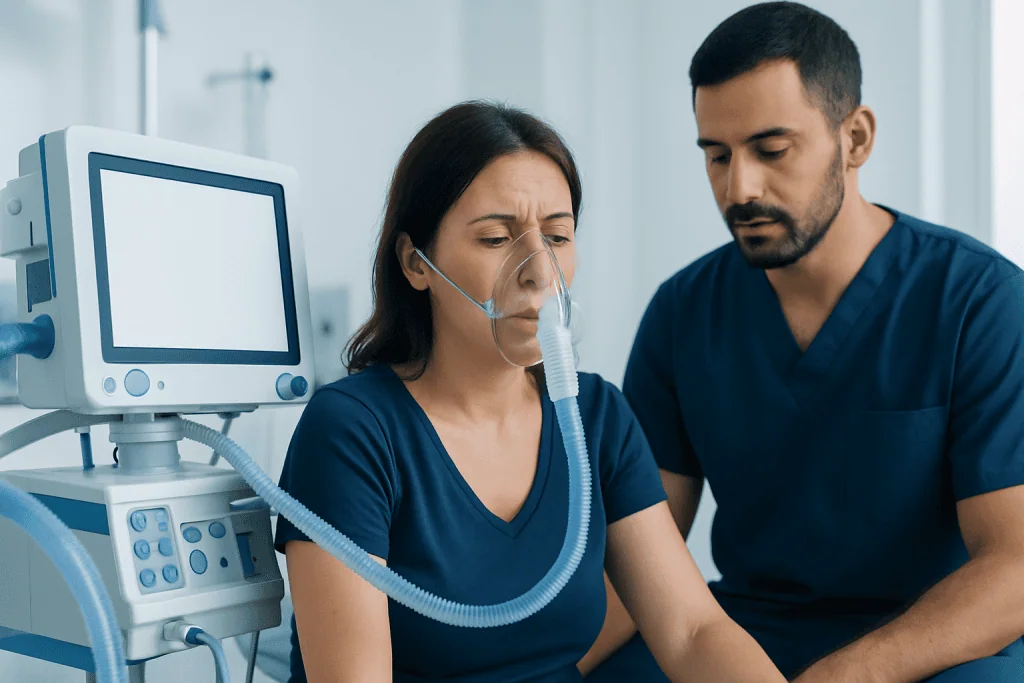
Breathing, circulation, and blood pressure work closely together to deliver oxygen to the brain and other organs. If breathing is inefficient, blood oxygen is reduced, the heart rhythm is irregular, blood pressure falls, or the blood carries less oxygen than normal, a person may experience both shortness of breath and dizziness.
Hyperventilation is one possible link. During anxiety, pain, or panic, someone may breathe faster or deeper than their body requires. This can lower carbon dioxide levels in the blood and cause lightheadedness, tingling around the mouth or hands, chest discomfort, and a feeling of not being able to breathe normally. Although this pattern can be distressing, it should be diagnosed only after more urgent heart and lung causes have been considered.
Postural changes can also affect circulation. When standing quickly, blood may briefly pool in the legs before the body adjusts blood pressure. This can lead to momentary lightheadedness and, in some people, awareness of faster breathing or a racing heartbeat. Recurrent symptoms, falls, or fainting need medical evaluation.
Common Causes and Related Conditions

Temporary and lifestyle-related factors are frequent causes. Dehydration from hot weather, vomiting, diarrhea, alcohol use, or inadequate fluid intake can lower circulating blood volume and contribute to dizziness, weakness, and a fast heartbeat. Skipping meals or having low blood sugar may cause shakiness, sweating, hunger, lightheadedness, and reduced exercise tolerance. Viral infections, poor sleep, and physical deconditioning may also make usual activity feel more difficult.
Anemia is another important possibility. It occurs when there are too few healthy red blood cells or too little hemoglobin to carry oxygen efficiently. Iron deficiency, heavy menstrual bleeding, pregnancy, digestive tract bleeding, chronic disease, and some nutritional deficiencies can contribute. Breathlessness on exertion, tiredness, paleness, headaches, and palpitations may occur alongside dizziness.
Heart and blood vessel conditions may cause these symptoms because they can reduce effective blood flow. Examples include abnormal heart rhythms, heart valve disease, heart failure, coronary artery disease, and low blood pressure. Symptoms may be associated with exertion, lying flat, ankle swelling, chest pressure, or a fast, fluttering, or irregular heartbeat. A sudden blockage in a lung artery, known as pulmonary embolism, can also cause abrupt shortness of breath, dizziness, chest pain, or coughing up blood and requires urgent assessment.
Lung and airway conditions may make it harder to move air or oxygen into the bloodstream. Asthma, chronic obstructive pulmonary disease, pneumonia, influenza, COVID-19, and other respiratory infections can cause breathlessness. Wheezing, cough, fever, mucus production, or pain with breathing may provide useful clues. Less commonly, neurological conditions, medication effects, thyroid disorders, and pregnancy-related changes may be involved.
Symptoms That Help Clarify the Cause
Describing the sensation accurately can help a clinician identify the likely cause. Lightheadedness or a near-faint feeling often relates to blood pressure, hydration, blood sugar, anemia, or heart rhythm. Vertigo, in which the room seems to spin or move, is more often linked to the balance organs of the inner ear or certain neurological conditions, although breathlessness may occur secondarily because the episode feels distressing.
The trigger also matters. Breathlessness and dizziness during exercise can occur with low fitness but can also be a sign of anemia, asthma, or heart disease. Symptoms that begin when standing may suggest postural low blood pressure, dehydration, or medication effects. Episodes that arise with stress and include tingling, trembling, or rapid breathing may fit hyperventilation, but it remains important not to self-diagnose if symptoms are new or unusual.
Keeping a brief symptom record can be useful before a medical appointment. It may include when episodes occur, how long they last, activity at the time, pulse if available, recent illness, food and fluid intake, medications, and any associated symptoms. This information can support a focused assessment without replacing medical care.
How Breathlessness and Dizziness Are Diagnosed
A clinician will begin by asking about the onset, severity, pattern, triggers, medical history, family history, and medications. They may ask about smoking or vaping, recent travel or immobility, pregnancy, infections, blood loss, anxiety symptoms, and known heart or lung disease. A physical examination typically includes checking breathing effort, heart and lung sounds, oxygen level, pulse, blood pressure, temperature, and sometimes blood pressure while lying down and standing.
Testing depends on the individual situation. Blood tests may check for anemia, infection, blood sugar changes, electrolyte imbalance, thyroid problems, or other conditions. An electrocardiogram can assess heart rhythm and signs of heart strain. Depending on symptoms, clinicians may recommend a chest X-ray, lung function testing, echocardiogram, heart rhythm monitoring, or imaging to investigate suspected lung or blood-vessel problems.
It is helpful to bring a current medication list, including over-the-counter products and supplements. Some medicines can contribute to dizziness through effects on blood pressure, heart rate, blood sugar, or alertness. A person should not stop prescribed medication suddenly unless advised by their treating clinician.
What Can Help While Arranging Medical Advice?
If symptoms are mild, familiar, and clearly related to a non-emergency trigger such as standing quickly or becoming overheated, it may help to stop activity, sit or lie down safely, and rest. Slow, controlled breathing can be useful if rapid breathing is occurring. Drinking water may help when dehydration is likely, provided the person has not been advised to restrict fluids because of a heart, kidney, or other medical condition.
People should avoid driving, climbing, using machinery, or walking without support while dizzy or close to fainting. They should rise slowly from lying or sitting positions and consider having someone nearby if symptoms are ongoing. Regular meals, adequate fluids, gradual return to activity after illness, and avoiding excess alcohol can reduce symptoms for some people.
Self-care should not delay assessment of unexplained, recurring, or worsening symptoms. In particular, inhalers, oxygen, anti-anxiety medicines, or supplements should only be used as directed by a qualified clinician. The correct treatment depends on the cause, which may range from hydration support or management of anemia to treatment of a heart, lung, or endocrine condition.
When to Seek Medical Care
Emergency medical care is needed for sudden or severe breathlessness, especially when it occurs with chest pain or pressure, fainting, new confusion, blue or gray lips or face, severe sweating, coughing up blood, or a very fast or irregular heartbeat. Urgent evaluation is also appropriate if symptoms develop after major surgery, prolonged travel or immobility, or alongside one-sided leg swelling or pain, as these can be warning signs of a blood clot.
A prompt medical appointment is advisable when breathlessness and dizziness are new, repeatedly occur, worsen over time, wake a person from sleep, limit normal activities, or happen with palpitations, fever, persistent cough, unexplained fatigue, or weight change. Pregnant people, older adults, and those with known heart, lung, blood, or metabolic conditions should seek advice early when their usual symptoms change.
Many causes can be treated or managed effectively once identified. Acibadem International’s multidisciplinary specialists and JCI-accredited hospitals assess and treat heart, lung, blood, and other conditions that may contribute to breathlessness and dizziness for international patients. A timely medical review can clarify the cause and support an appropriate care plan.
Frequently asked questions
Can anxiety cause a person to feel breathless and dizzy?
Anxiety and panic can cause rapid or deep breathing, a racing heart, chest tightness, tingling, and lightheadedness. These symptoms can feel very real and intense. However, new, severe, or unexplained breathlessness and dizziness should be assessed rather than assumed to be anxiety.
Is it normal to be dizzy and out of breath after exercise?
Brief breathlessness after strenuous activity can be normal, especially when a person is not used to that level of exercise. Dizziness may occur with overheating, dehydration, inadequate food intake, or overexertion. Symptoms that are severe, recurrent, disproportionate to the activity, or accompanied by chest discomfort or fainting need medical attention.
Can anemia make someone breathless and dizzy?
Yes. Anemia can reduce the blood's ability to carry oxygen, which may lead to tiredness, shortness of breath during activity, dizziness, headaches, paleness, and palpitations. Blood testing can confirm anemia and help identify its cause.
Why do I feel dizzy and short of breath when I stand up?
Standing can briefly lower blood flow to the brain before the body adjusts blood pressure. Dehydration, some medications, illness, anemia, and conditions affecting the nervous system can make this response more noticeable. Frequent episodes, falls, blackouts, or symptoms that do not settle should be discussed with a clinician.
Can low blood pressure cause shortness of breath and dizziness?
Low blood pressure can cause dizziness, weakness, blurred vision, nausea, and fainting, particularly on standing. Shortness of breath may occur if the body responds with a faster heart rate or if another condition is contributing. Sudden low blood pressure with severe symptoms requires urgent medical evaluation.
What tests might be needed for breathlessness and dizziness?
The tests depend on the symptoms and medical history. A clinician may check oxygen level, blood pressure, pulse, an electrocardiogram, and blood tests for anemia, infection, blood sugar, or thyroid problems. Chest imaging, heart monitoring, lung function tests, or an echocardiogram may be recommended when indicated.
This article is for general information only and is not a substitute for professional medical advice. Please consult a qualified doctor about your individual situation.
Explore treatments in Turkey — costs, top hospitals & a free quote
JCI-accredited · board-certified surgeons · reply within 24h
Add us as a Preferred Source to see more of our trusted health content across Google Search, AI Overviews and Discover.
Check your numbers in seconds
BMI, calories, due date, blood pressure and 30+ more clinical calculators — free, instant, doctor-reviewed ranges.

Pulmonary Medicine Specialists at Acibadem





More from the Health Library

Is Cold Water Bad for You? A Doctor-Reviewed Answer

How Much Melatonin Is Too Much? Here Is What the Evidence Says

Stomach Ache During Night: Possible Causes and When to Seek Care

What to Eat Before a Run? Causes, Explanations, and Next Steps

Can You Eat After a Filling? Here Is What the Evidence Says