Broken Collarbone: A Complete Medical Overview
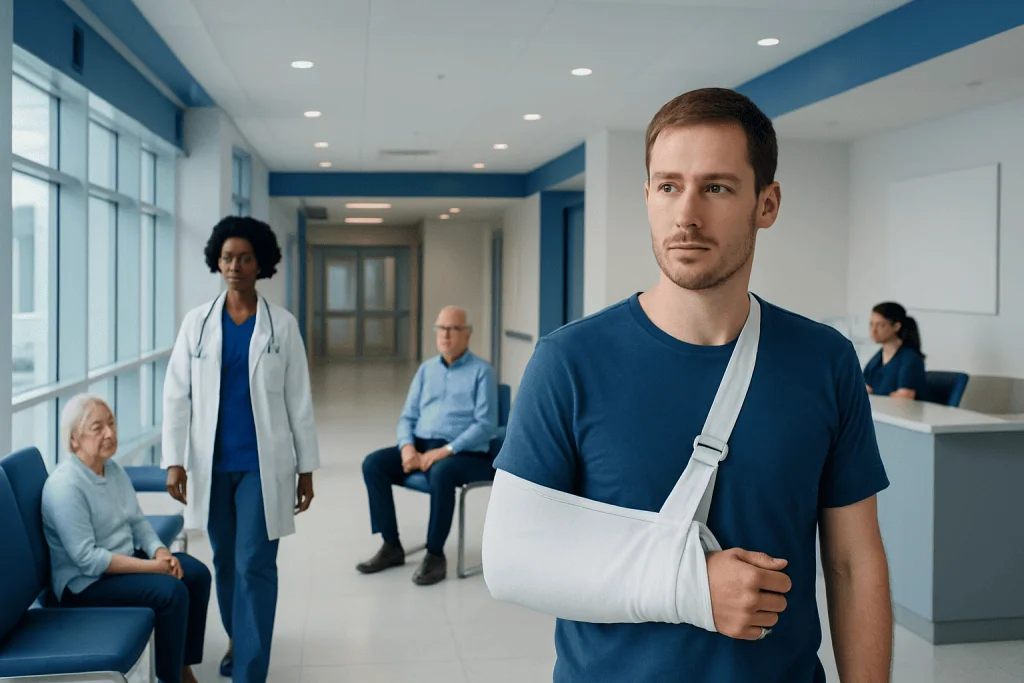
A broken collarbone is a clavicle fracture, usually caused by a fall, direct blow, or accident. Pain, swelling, bruising, and difficulty moving the shoulder are common symptoms.
Key Takeaways
- A broken collarbone is a clavicle fracture, usually caused by a fall, direct blow, or accident.
- Pain, swelling, bruising, and difficulty moving the shoulder are common symptoms.
- Many broken collarbones heal with a sling, rest, and pain management, but some need surgery.
- Imaging tests such as X-rays help confirm the break and guide treatment.
- Early medical evaluation is important if there is deformity, numbness, breathing difficulty, or severe pain.
A broken collarbone is a fracture of the clavicle, the bone that connects the breastbone to the shoulder. It is a common injury after a fall, sports impact, or traffic accident, and most cases heal well with proper diagnosis, support, and follow-up care.
What a Broken Collarbone Means
A broken collarbone is a fracture of the clavicle, the long, slightly curved bone that runs between the top of the breastbone and the shoulder blade. This bone helps support shoulder movement and acts like a strut that keeps the shoulder in position. When it breaks, pain and limited arm movement can happen quickly, but with timely care, healing is often successful.
Broken collarbone injuries are common in children, teenagers, athletes, and adults after falls or direct blows to the shoulder. The break can happen in the middle of the bone, near the shoulder, or less commonly near the breastbone. The location and pattern of the fracture help doctors decide whether treatment should be supportive or surgical.
Some fractures are simple, where the bone remains aligned. Others are displaced, meaning the broken ends have shifted apart. A collarbone fracture may also occur along with shoulder injuries, such as shoulder dislocation, especially after high-impact trauma. Because nearby nerves, blood vessels, and the top of the lung are close to the clavicle, careful assessment is important in more severe injuries.
Signs and Symptoms to Watch For
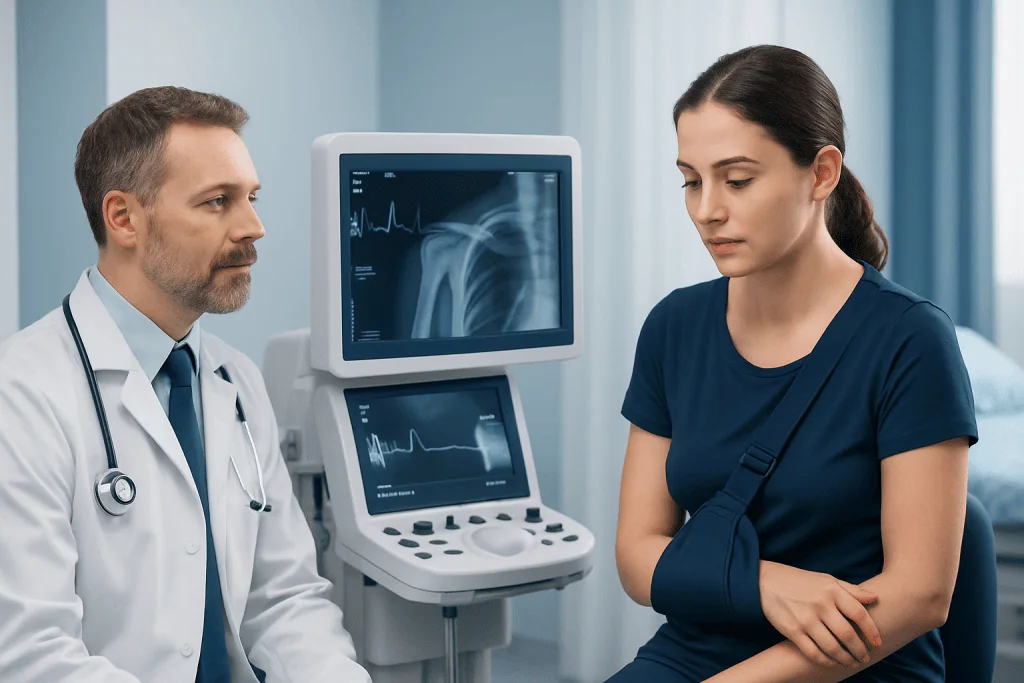
The most common symptom of a broken collarbone is sudden pain over the collarbone or shoulder after an injury. The pain often gets worse when the person tries to lift the arm, reach across the body, or move the shoulder. Many people instinctively support the injured arm with the other hand because even small movements can be uncomfortable.
Swelling, bruising, and tenderness over the bone are also common. A visible bump or change in the contour of the collarbone may appear if the broken ends are displaced. In some cases, a grinding or clicking feeling may be noticed when the shoulder moves, though it is best not to test movement repeatedly.
Symptoms can include:
- Pain over the collarbone, shoulder, or upper chest
- Swelling and bruising
- Tenderness to touch
- Difficulty lifting or rotating the arm
- A drooping shoulder on the injured side
- A visible lump, deformity, or sense that the bone is out of place
Children may not always describe the injury clearly, but they may stop using one arm, cry with movement, or hold the arm close to the body. Symptoms that suggest a more urgent problem include numbness, tingling, weakness in the arm, skin tenting over the bone, shortness of breath, or severe deformity.
Common Causes and Risk Factors
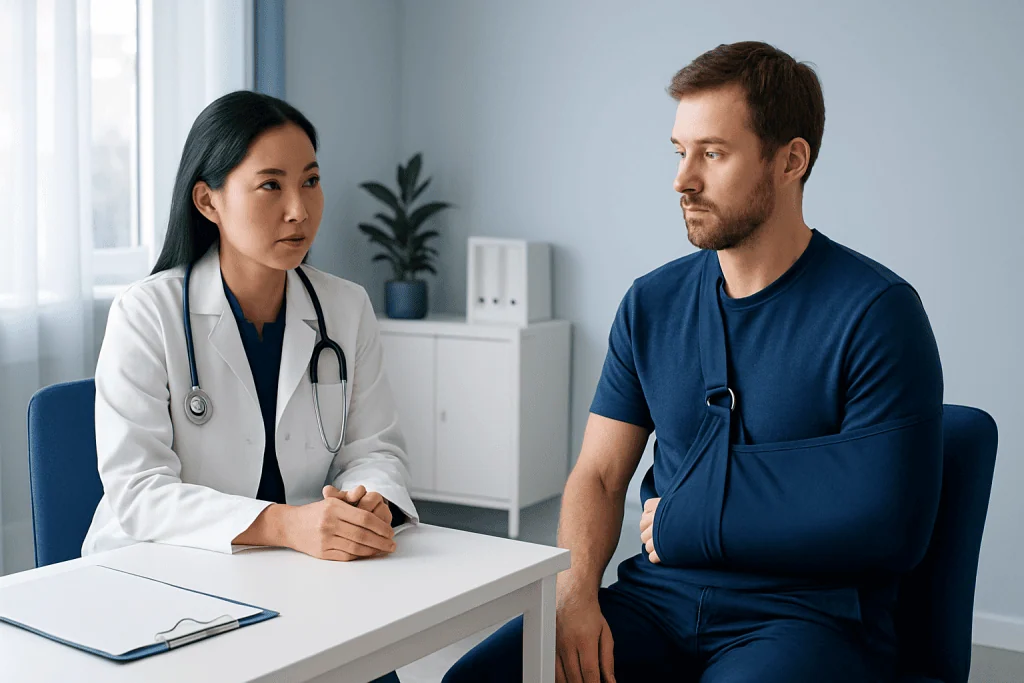
A broken collarbone usually happens when force is transmitted through the shoulder. Falls onto the shoulder or an outstretched hand are classic causes. Contact sports, cycling injuries, skiing accidents, and motor vehicle collisions are also frequent reasons for this fracture.
Children and adolescents are more prone to clavicle fractures because of sports and active play, while older adults may face a higher risk due to falls and lower bone strength. Bone quality matters because weaker bones can fracture more easily even with less force.
Risk factors may include:
- Participation in contact or high-speed sports
- Falls, especially from bikes, stairs, or slippery surfaces
- Reduced bone strength, such as with osteoporosis
- Previous fractures or shoulder injuries
- High-impact trauma from traffic accidents
Not every shoulder injury is a broken collarbone. Similar symptoms can occur with rotator cuff tear or a severe shoulder sprain. This is one reason imaging and a physical examination are important instead of relying on symptoms alone.
How Doctors Diagnose a Collarbone Fracture
Diagnosis begins with a medical history and physical examination. The doctor will ask how the injury happened, where the pain is located, and whether there are symptoms such as numbness, weakness, or trouble breathing. They will examine the collarbone, shoulder, skin, circulation, and nerve function in the arm and hand.
X-rays are the main test used to confirm a broken collarbone. They show the location of the fracture, whether the bone ends are aligned, and whether the injury extends near the shoulder joint. In more complex injuries, additional imaging may be needed to better define the fracture or look for related damage.
In selected cases, a doctor may recommend an MRI scan or a CT scan if there is concern about joint involvement, multiple injuries, or an associated soft tissue problem. Imaging helps build a treatment plan and provides a baseline for follow-up as the bone heals.
Prompt assessment is especially important when the skin is stretched sharply over the broken bone, the fracture is open, or there are signs of nerve or blood vessel injury. These situations require urgent medical care and may need surgery sooner rather than later.
Treatment Options and What Recovery Involves
Many broken collarbones can be treated without surgery. A sling is commonly used to support the arm, reduce pain, and allow the bone to heal. Ice, rest, and doctor-recommended pain relief are usually part of early care. Over time, gentle movement is introduced to prevent stiffness while protecting the healing fracture.
Non-surgical treatment is often suitable when the fracture is stable and the bone ends remain reasonably aligned. Follow-up visits help confirm that healing is progressing and that shoulder function is returning. Some people notice a small bump where the bone heals; this can be a normal part of bone remodeling.
Surgery may be recommended if the fracture is significantly displaced, shortened, broken into several pieces, open through the skin, or associated with nerve or blood vessel problems. Operative care can involve orthopedic surgery to realign and stabilize the clavicle with plates, screws, or other fixation methods. The goal is to restore alignment, protect surrounding structures, and support healing.
After either non-surgical or surgical treatment, rehabilitation may be advised to rebuild motion and strength. If shoulder stiffness develops, the care team may recommend physical therapy and rehabilitation as part of recovery. The exact healing time varies with age, fracture pattern, and overall health, so return to work, sports, or driving should follow a doctor’s guidance.
Self-care, Healing, and Preventing Reinjury
Self-care during recovery focuses on comfort, protection, and gradual return to activity. Using the sling as instructed, sleeping in a supported position, and avoiding lifting or overhead movement too early can help the bone heal. Patients are usually advised not to resume contact sports or heavy physical work until a clinician confirms it is safe.
Good nutrition supports bone healing. A balanced diet with adequate protein, calcium, and vitamin D can be helpful, along with avoiding smoking if possible. Smoking may impair bone healing, so stopping or reducing it can support recovery after a fracture.
To lower the risk of future injuries, it helps to address the cause of the fracture. This may include wearing proper sports protective equipment, improving cycling or driving safety, reducing fall risks at home, and discussing bone health if fractures happen easily. Older adults may benefit from assessment for bone weakness if a fracture follows a relatively minor fall.
Even after pain improves, the shoulder may feel weak or stiff for a while. Recovery often happens in stages, and trying to do too much too soon can lead to setbacks. A structured plan and regular follow-up can make the return to daily activities smoother and safer.
When to Seek Medical Care
Medical care should be sought promptly after a suspected broken collarbone, especially if pain is severe, the arm cannot be moved, or there is a visible deformity. Early evaluation helps confirm the diagnosis, identify related injuries, and start the right treatment.
Urgent or emergency care is important if the person has trouble breathing, numbness or weakness in the arm, pale or cold fingers, heavy bleeding, or bone coming through the skin. Skin that looks tightly stretched or “tented” over the fracture also needs quick assessment because the bone may press against the skin from underneath.
Follow-up care matters too. A doctor should review ongoing pain, increasing swelling, fever, redness, or delayed recovery, because these can suggest complications such as poor healing, infection after surgery, or persistent shoulder dysfunction. If symptoms continue after the bone heals, the shoulder may need further evaluation.
For patients who need specialist assessment, Acibadem International’s multidisciplinary teams in JCI-accredited hospitals diagnose and treat bone and shoulder injuries for international patients. Seeking expert care can be especially helpful for complex, displaced, or recurrent injuries.
Frequently asked questions
Can a broken collarbone heal on its own?
Many broken collarbones heal well without surgery, but they should still be medically assessed. A sling, pain management, and follow-up imaging are often needed to make sure the bone is healing in a safe position.
How do people know if a collarbone is broken or just bruised?
A broken collarbone often causes sharp pain, swelling, difficulty moving the arm, and sometimes a visible bump or deformity. Because a bruise or shoulder sprain can feel similar, an X-ray is usually needed to confirm the diagnosis.
How long does broken collarbone recovery take?
Recovery time varies by age, fracture type, and treatment method. Many people improve over several weeks, but full healing and return to sports or heavy activity may take longer and should follow a doctor's advice.
When is surgery needed for a broken collarbone?
Surgery may be considered when the bone is significantly displaced, shortened, broken into multiple pieces, or pushing against the skin. It may also be needed if nerves or blood vessels are affected, or if the fracture is open.
Is it safe to move the arm after a broken collarbone?
Some movement is usually introduced gradually as healing progresses, but movement too early can worsen pain or delay recovery. The safest approach is to follow the timing and exercises recommended by the treating clinician.
Can children get a broken collarbone?
Yes. Broken collarbones are common in children and teenagers, often after falls, sports injuries, or bicycle accidents. Children often heal well, but they still need proper medical evaluation and monitoring.
References
- American Academy of Orthopaedic Surgeons
- National Health Service
- MedlinePlus
- Mayo Clinic
- American Academy of Pediatrics
This article is for general information only and is not a substitute for professional medical advice. Please consult a qualified doctor about your individual situation.
Joint and spine care in Turkey — expert assessment & treatment
JCI-accredited · board-certified surgeons · reply within 24h
Add us as a Preferred Source to see more of our trusted health content across Google Search, AI Overviews and Discover.

More from the Health Library
Chorea: A Complete Medical Overview

Qid Medical Abbreviation: An Evidence-Based Guide for Patients
Fear of the Unknown — Explained by Medical Evidence, Not Myths

Calcium Channel Blockers: What Patients Need to Know

Apple Cider Vinegar for Hair — Explained by Medical Evidence, Not Myths